


As someone who’s spent more decades than I care to admit around docks, boatyards, and open water, I’ve seen just about every kind of boat motor imaginable. From tiny kickers to colossal diesels, each has its purpose. But if there’s one horsepower range that consistently proves itself as the ultimate sweet spot for a vast array of recreational boaters, it’s the 100 HP outboard. It’s the Goldilocks choice – not too big, not too small, but just right for so many applications.
Table Of Content
- The 100 HP Sweet Spot: Why It’s So Popular
- Ideal Applications for a 100 HP Outboard
- Diving Deep into 100 HP Outboard Specs & Performance
- Key Specifications to Consider
- Performance Expectations
- Leading Brands in the 100 HP Category: A Closer Look
- Yamaha 100 HP Outboard Motor
- Honda 100 HP Outboard Price
- Suzuki 100 HP Outboard Price
- Mercury 100 HP Outboard
- Navigating the Purchase: New vs. Used & What to Consider
- New 100 HP Outboards: The Advantages
- Used 100 HP Outboards: Smart Savings or Hidden Costs?
- Factors Influencing Pricing
- Maximizing Your 100 HP Investment: Installation, Maintenance & Enjoyment
- Professional Installation and Propeller Selection
- Essential Maintenance for Longevity
Whether you’re looking to power a nimble fishing boat, a family-friendly pontoon, or a versatile deck boat for watersports, a 100 HP motor offers a compelling blend of power, efficiency, and affordability. It’s robust enough to get you where you need to go with confidence, yet doesn’t demand the higher fuel consumption or purchase price of larger engines. In this comprehensive guide, we’ll pull back the curtain on everything you need to know about 100 HP boat motors, from their technical specifications and performance characteristics to the leading brands and crucial buying considerations.
The 100 HP Sweet Spot: Why It’s So Popular
So, why has the 100 HP outboard motor earned such a stellar reputation among boaters? It truly boils down to its remarkable versatility and balanced performance. This horsepower range is perfectly suited for boats typically ranging from 16 to 22 feet in length, which covers a significant portion of the recreational market.
Consider the typical boat owner: perhaps you enjoy a leisurely cruise with family on the lake, an early morning fishing trip in the bay, or maybe you want to pull a tube with the kids on a sunny afternoon. A 100 HP engine capably handles all these scenarios without feeling underpowered or excessive. It strikes a fantastic equilibrium, delivering enough thrust for quick acceleration and comfortable cruising speeds, while remaining relatively fuel-efficient and manageable in terms of weight and maintenance.
Ideal Applications for a 100 HP Outboard
- Fishing Boats: From aluminum jon boats to fiberglass center consoles, a 100 HP provides ample power for reaching prime fishing spots quickly and efficiently, even with a full load of gear and anglers.
- Pontoon Boats: For many pontoons between 18-22 feet, a 100 HP is the go-to. It offers sufficient power for cruising, light watersports, and handling a decent passenger load without straining.
- Deck Boats & Runabouts: These versatile family boats benefit greatly from a 100 HP motor, enabling watersports like tubing and wakeboarding, alongside comfortable day cruising.
- Small Cruisers & Bay Boats: For those looking for a compact cruiser or a bay boat that can navigate both shallow and deeper waters, a 100 HP motor provides the necessary push and reliability.
From my own experience selling boats for decades, I’ve found that customers often overestimate the horsepower they truly need. While a 150 HP might seem more appealing on paper, for many boats in the 18-20 foot range, a well-matched 100 HP engine offers 80-90% of the practical performance at a significantly lower upfront cost and ongoing operating expense. It’s about smart boating, not just raw power.
Diving Deep into 100 HP Outboard Specs & Performance
Understanding what makes a 100 HP motor tick is crucial before making a decision. While the “100 HP” figure is standard, the way different manufacturers achieve and deliver that power can vary. Today’s 100 HP outboards are almost exclusively four-stroke engines, a significant evolution from the smokier, louder two-strokes of yesteryear. This transition has brought about cleaner emissions, dramatically improved fuel economy, and quieter operation, making for a much more enjoyable day on the water.
Key Specifications to Consider
- Engine Displacement: This refers to the total volume swept by the pistons. Generally, larger displacement can mean more torque and a smoother power delivery, though modern engineering allows smaller displacement engines to perform exceptionally well.
- Weight: Engine weight is critical for smaller hulls, as it impacts boat balance, trim, and overall performance. Lighter engines can allow for better hole shot and higher top speeds, especially on lighter vessels.
- Gear Ratio: The gear ratio in the lower unit dictates how the engine’s RPM translates to propeller speed. It’s chosen to optimize acceleration and top-end speed for typical boat types.
- Alternator Output: This specifies how much electrical power the engine can generate to run your boat’s electronics (fishfinders, GPS, stereo, lights). Higher output is beneficial for boats with lots of gadgets.
- Shaft Length: Crucial for proper propeller depth. Most 100 HP motors come in 20-inch (L) or 25-inch (XL) shaft lengths, designed to match your boat’s transom height.
Performance Expectations
When it comes to performance, a 100 HP motor typically delivers impressive results for its size. For a 18-foot center console weighing around 1,500-2,000 lbs (dry weight), you can expect top speeds ranging from 30-40 mph, depending on the hull design, load, and propeller choice. Cruising speeds will comfortably sit between 20-28 mph, where fuel efficiency is often at its peak.
Speaking of fuel efficiency, a modern 100 HP four-stroke outboard is remarkably economical. At a comfortable cruising speed, many models will burn approximately 4 to 6 gallons per hour (GPH). This translates to excellent range for a full day of boating without constantly worrying about refueling. The “hole shot” – how quickly the boat gets on plane – is also typically strong, especially with a properly pitched propeller, which is essential for watersports like tubing where quick acceleration is key.
Leading Brands in the 100 HP Category: A Closer Look
The marine industry boasts several titans, and when it comes to 100 HP outboards, you’ll find fierce competition among them. Each brand brings its own philosophy, technology, and loyal following to the table. Let’s delve into the major players and what sets their 100 HP offerings apart.
Yamaha 100 HP Outboard Motor
Yamaha has long been synonymous with reliability and smooth operation, and their 100 HP F100 model is no exception. Known for its advanced fuel injection system, which ensures consistent power delivery and excellent fuel economy, the Yamaha 100 HP is a favorite among anglers and recreational boaters alike. Its reputation for quiet operation and minimal vibration makes for a truly pleasant boating experience, and their resale value tends to hold strong, a testament to their enduring quality.
Typically, new Yamaha 100 HP outboards range from $9,500 to $11,500, with features like variable trolling RPM and a robust charging system often included. They are often praised for their longevity and the extensive dealer network, making service and parts readily available across the globe.
Honda 100 HP Outboard Price
Honda’s marine engines inherit the company’s legendary automotive engineering, focusing heavily on durability, fuel efficiency, and eco-friendliness. The Honda BF100 is a prime example, often lauded for its quietness and clean-burning emissions. Honda’s exclusive “Boosted Low Speed Torque” (BLAST) system provides impressive hole shot, while their Lean Burn Control optimizes fuel consumption at cruising speeds. If you prioritize long-term reliability and environmental consciousness, Honda is a compelling choice.
New Honda 100 HP outboards generally fall in the $9,500–$11,000 range. They come with strong warranties and are known for their ability to run consistently for thousands of hours with proper maintenance. I’ve seen some old Honda outboards still purring like kittens after years of hard use, which speaks volumes about their build quality.
Suzuki 100 HP Outboard Price
Suzuki has carved out a niche by offering competitive pricing alongside innovative technology and often a lighter overall package. The Suzuki DF100B, for instance, incorporates their Lean Burn Control System, which predicts fuel needs and delivers a leaner air/fuel mixture for impressive fuel savings. They’re also known for their offset driveshaft, which reduces the engine’s overall size and weight while providing a better balance.
With new Suzuki 100 HP outboards often priced between $9,000 and $10,500, they present an attractive option for budget-conscious buyers who don’t want to compromise on technology or performance. Their lightweight design can also be a significant advantage for boats where every pound counts, contributing to better handling and efficiency.
Mercury 100 HP Outboard
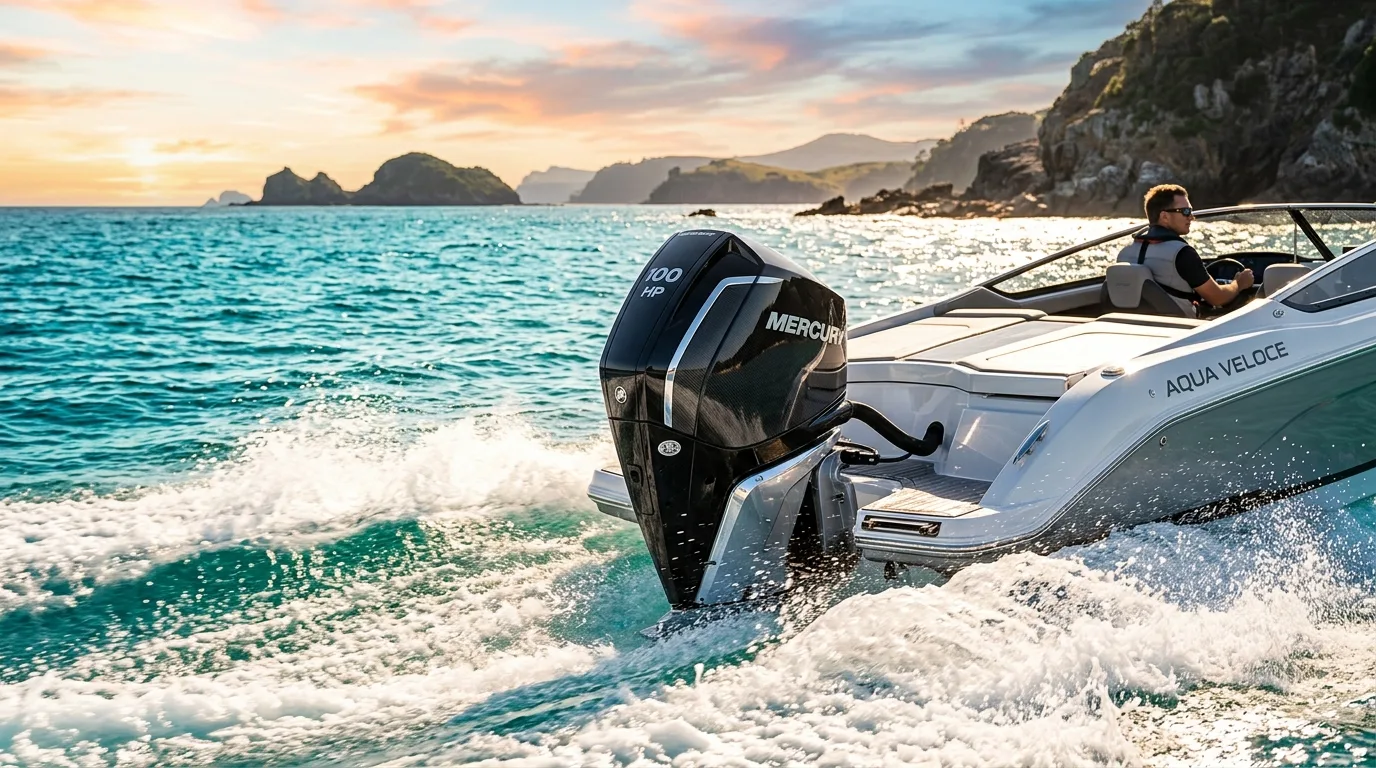
Mercury Marine is an iconic name in boating, and their 100 HP FourStroke outboard combines power with cutting-edge innovation. Mercury engines often feature their SmartCraft digital technology, which provides comprehensive data on engine performance, fuel consumption, and diagnostics, all integrated into your boat’s helm. Their engines are known for strong acceleration and a wide-open throttle performance.
The 100 HP Mercury outboard typically ranges from $9,000 to $11,000 for new models. They boast an extensive global dealer network, ensuring excellent service and parts availability. For boaters who appreciate integrated digital controls and a powerful, responsive feel, Mercury is a top contender.
Navigating the Purchase: New vs. Used & What to Consider
Deciding between a new or used 100 HP outboard is one of the most significant choices you’ll face, and it largely comes down to budget, risk tolerance, and desired features. Both options have their merits and drawbacks, and understanding them fully will help you make an informed decision.
New 100 HP Outboards: The Advantages
Buying new gives you the latest technology, often including advanced fuel injection, digital controls, and improved noise reduction. The biggest benefit, of course, is the full manufacturer’s warranty, offering peace of mind against unforeseen mechanical issues. You also get a pristine engine with zero hours, ensuring its full lifespan is ahead of you. While the initial investment is higher, typically ranging from $9,000 to $12,000, you gain reliability and the latest innovations.
Used 100 HP Outboards: Smart Savings or Hidden Costs?
The used market can offer substantial savings, with prices often ranging from $3,500 to $7,000, depending on age, condition, and hours. This can make boating more accessible, but it also comes with increased risk. My advice? Treat a used engine purchase like buying a used car. You wouldn’t buy a car without a test drive and a mechanic’s inspection, and the same applies to an outboard.
When evaluating a used 100 HP outboard, pay close attention to engine hours – generally, fewer hours indicate less wear. Inspect for corrosion, especially if it’s been used in saltwater, as this can be a silent killer. Always request detailed maintenance records to ensure it’s been properly cared for. A compression test performed by a certified marine mechanic is non-negotiable, as it can reveal internal engine health. Finally, insist on a test run to check for smooth operation, proper shifting, and good water pressure from the tell-tale.
Factors Influencing Pricing
- Brand Reputation: Premium brands like Yamaha and Honda often command slightly higher prices due to their proven track record.
- Technology & Features: Digital controls, power trim and tilt, advanced fuel injection, and integrated gauges can all add to the price.
- Warranty: New engines come with a full factory warranty (typically 3-5 years), while used engines may have limited or no warranty.
- Dealer Support: The quality of your local dealer network for sales, service, and parts can influence your overall satisfaction and should be factored into your decision.
Maximizing Your 100 HP Investment: Installation, Maintenance & Enjoyment
Once you’ve made the exciting decision to acquire your 100 HP boat motor, the journey is far from over. Proper installation, diligent maintenance, and understanding how to optimize its performance are crucial for ensuring years of trouble-free enjoyment and protecting your investment. A poorly installed or neglected engine can quickly turn your dream into a nightmare.
Professional Installation and Propeller Selection
While some DIY enthusiasts might tackle outboard installation, I strongly recommend professional rigging, especially for a new engine. Correct mounting height, proper transom reinforcement, and precise steering and control cable hookups are paramount for safety and optimal performance. An improperly mounted engine can lead to cavitation, poor handling, and reduced fuel efficiency.
Equally important is propeller selection. The propeller is the interface between your engine and the water, and choosing the right pitch and diameter for your boat and typical load is critical. A prop that’s too aggressive will bog down the engine, while one that’s too light will cause it to over-rev. Your dealer should be able to help you select the ideal propeller to ensure your 100 HP motor operates within its recommended RPM range at wide-open throttle.
Essential Maintenance for Longevity
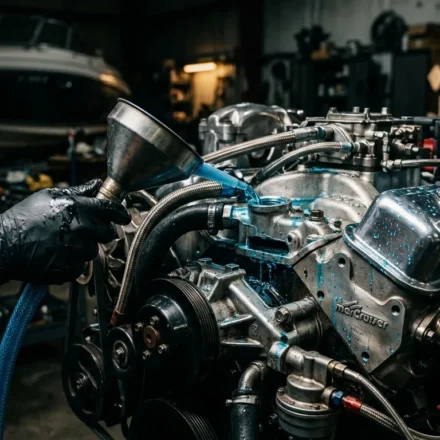
Modern 100 HP four-stroke outboards are incredibly reliable, but they still demand regular care. Ignoring maintenance is the quickest way to shorten your engine’s life and invite costly repairs. Here’s a basic checklist:
- Regular Oil Changes: Follow the manufacturer’s schedule, typically every 100 hours or annually, whichever comes first. Use marine-specific oil.
- Gear Lube Changes: Annually, or more often if you suspect water intrusion. This protects your lower unit gears.
- Fuel Filter Replacement: Essential for protecting your fuel system from contaminants. Replace annually.
- Spark Plug Inspection/Replacement: Check annually, replace as needed to ensure efficient combustion.
- Flush After Saltwater Use: Always flush your engine thoroughly with fresh water after every saltwater outing to prevent corrosion.
- Inspect Propeller: Regularly check for dings, bends, or fishing line wrapped around the shaft, which can damage seals.
- Anode Inspection: Check sacrificial anodes (zincs) regularly and replace them when they are 50% consumed to protect metal components from corrosion.
- Winterization/Storage: If you live in a colder climate, proper winterization is crucial to prevent freezing damage and prepare the engine for storage.
Think of your outboard motor as the heart of your boat; treat it well, and it will serve you faithfully for many seasons. Neglect it, and you’ll find yourself stranded or facing hefty repair bills. A little preventative maintenance goes a very long way in the marine world. Remember, a 100 HP boat motor isn’t just an engine; it’s your ticket to countless unforgettable moments on the water. Choose wisely, maintain diligently, and enjoy every single minute of your boating adventure!