Mastering the Open Water: Your Definitive Guide to Selecting the Perfect Center Console
For decades, the center console boat has stood as a beacon of practicality, performance, and sheer capability on the water. From the seasoned offshore angler chasing elusive game fish to the family seeking adventure with watersports and sunset cruises, these vessels offer an unparalleled blend of attributes. As a veteran of the marine industry, having navigated countless transactions and spent innumerable hours on the water, I’ve witnessed firsthand the evolution and enduring appeal of the center console. It’s more than just a boat; it’s a tool, a companion, and often, an extension of its owner’s passion for the sea.
Table Of Content
- The Center Console Legacy: An Enduring Design for Demanding Waters
- Why the Central Helm Continues to Dominate
- Beyond the Helm: Deconstructing Center Console Hull Types and Performance
- The Deep-V Hull: Conquering the Offshore Realm
- Modified-V Hulls: The Versatile Compromise
- Stepped Hulls: Chasing Speed and Efficiency
- Tailoring Your Beast: Matching Center Console Features to Your Boating Ambition
- The Avid Angler’s Arsenal: Fishing-Focused Features
- Family Fun & Cruising Comfort: Amenities for All
- Diving & Utility: Specialized Gear Storage
- Navigating the Market: Strategic Buying for New, Pre-Owned, and Specialty Center Consoles
- The Allure of the New: Cutting-Edge & Customization
- The Value of Pre-Owned: Proven Reliability & Affordability
- Specialty & Boutique Builders: Unique Performance & Craftsmanship
- The Ownership Experience: Maintenance, Upgrades, and Maximizing Your Center Console Investment
- Essential Maintenance Practices
- Strategic Upgrades: Enhancing Functionality and Value
Unlike some niche designs, the center console’s broad appeal stems from its fundamental design philosophy: a central helm station providing 360-degree access to the deck. This seemingly simple concept unlocks a world of possibilities, making it an indispensable choice for those who demand versatility and robust performance. But with a market brimming with options, from nimble inshore skiffs to formidable offshore battlewagons, discerning the perfect center console requires more than a casual glance at a “for sale” listing. It demands an understanding of its heritage, its engineering nuances, and how its features align with your unique boating ambitions. This guide will take you beyond the superficial, offering an expert’s perspective on how to navigate the market and make an informed decision that will serve you well for years to come.
The Center Console Legacy: An Enduring Design for Demanding Waters
The origin story of the center console is deeply rooted in practicality and the demands of serious fishing. Imagine the early days of sportfishing: anglers often contended with limited space, obstructed views, and inefficient layouts. The advent of the center console configuration fundamentally reshaped this experience. By placing the helm in the center of the vessel, designers created unobstructed pathways around the entire perimeter of the boat, revolutionizing how fishermen could fight a fish, deploy lines, or simply move about the deck.
This innovative design wasn’t just about convenience; it was about safety and effectiveness. A centrally located helm means better weight distribution, especially crucial in choppy seas, contributing to a more stable and predictable ride. The ability to quickly move from bow to stern, or port to starboard, without impediment is invaluable when landing a big fish or managing dock lines in a crosswind. This core principle of accessibility and balanced maneuverability laid the groundwork for the center console’s rapid adoption and subsequent evolution.
Initially, these boats were rugged, no-frills machines built for serious work. Over the decades, however, manufacturers began to recognize their broader potential. While the fishing DNA remains strong, modern center consoles have skillfully integrated features that cater to a wider audience. Today, you’ll find models equipped with luxurious seating, integrated coolers, advanced marine electronics, and even compact heads (toilets) within the console itself, transforming them into multi-purpose platforms that excel far beyond the fishing grounds. This journey from utilitarian workhorse to versatile family cruiser and sophisticated offshore performer is a testament to the enduring genius of the center console design.
Why the Central Helm Continues to Dominate
- Unimpeded Movement: The 360-degree access around the console is the defining characteristic, critical for fishing, docking, and general onboard mobility.
- Visibility: A central, elevated helm often provides superior sightlines, enhancing safety and navigation.
- Balance and Stability: Centralized weight distribution contributes to a more stable ride, particularly in rougher conditions.
- Adaptability: The open deck plan allows for immense customization, from multiple livewells and rod holders to sun pads and dive tank racks.
- Resale Value: Due to their versatility and robust construction, center consoles consistently hold strong resale values, a significant consideration for any buyer.
Beyond the Helm: Deconstructing Center Console Hull Types and Performance
While the central console defines the layout, it’s the hull beneath that dictates a boat’s true character and performance on the water. Understanding hull design is paramount, as it directly impacts ride comfort, stability, fuel efficiency, and suitability for various marine environments. As an expert, I always advise clients to look beyond the shiny gelcoat and delve into the engineering that makes a center console perform.
The Deep-V Hull: Conquering the Offshore Realm
Perhaps the most iconic hull type associated with center consoles is the deep-V. Characterized by a sharp V-shape running from bow to stern, this design is engineered to slice through waves rather than pound over them. The steeper the deadrise (the angle of the hull bottom relative to the horizontal), the softer the ride in rough offshore conditions. Many serious offshore fishing boats boast deadrises of 20 degrees or more at the transom.
- Pros: Exceptional wave-cutting ability, smooth ride in chop, superior tracking at speed.
- Cons: Can be less stable at rest (more roll), often requires more horsepower to achieve speed, potentially less fuel-efficient than flatter hulls.
- Ideal For: Long runs offshore, competitive fishing, areas with consistently rough water.
Modified-V Hulls: The Versatile Compromise
A modified-V hull offers a less aggressive V-shape at the stern, gradually flattening out towards the transom. This design seeks a balance between the deep-V’s offshore prowess and the stability and efficiency of a flatter hull. They are incredibly popular for their all-around performance.
- Pros: Good balance of ride comfort and stability at rest, generally more fuel-efficient than deep-Vs, often faster with equivalent horsepower.
- Cons: May not handle truly extreme offshore conditions as smoothly as a dedicated deep-V.
- Ideal For: Anglers who split time between inshore and moderate offshore fishing, families who cruise coastal waters, general all-purpose boating.
Stepped Hulls: Chasing Speed and Efficiency
A more advanced and performance-oriented design, stepped hulls incorporate one or more transverse “steps” in the running surface of the hull. These steps introduce air between the hull and the water, reducing hydrodynamic drag. The result is often significantly higher top speeds and improved fuel efficiency at cruising speeds.
- Pros: Higher top speeds, better fuel economy at speed, often a very dry ride.
- Cons: Can be more complex to design and build, may require specific trim techniques, some argue a slightly harder ride in very specific sea conditions if not handled correctly.
- Ideal For: Performance enthusiasts, professional anglers, those looking for maximum speed and efficiency in their class.
Beyond these primary types, some manufacturers employ unique hull features like lifting strakes, chines, and tunnels to further refine performance. When evaluating a center console, always inquire about its specific hull design and how it’s tailored for its intended use. A test ride in conditions similar to where you’ll be boating is the ultimate arbiter of performance.
Tailoring Your Beast: Matching Center Console Features to Your Boating Ambition
The true genius of the center console design lies in its adaptability. While every model shares the central helm concept, the array of features available allows for incredible specialization. Identifying your primary boating activities is the first step in selecting a center console that truly fits your lifestyle.
The Avid Angler’s Arsenal: Fishing-Focused Features
For those whose heart beats to the rhythm of the ocean and the thrill of the catch, a fishing-focused center console is paramount. Look for features that enhance your ability to find, fight, and store fish.
- Livewells: Multiple, generously sized livewells with robust aeration systems are essential for keeping bait fresh and healthy. Look for clear lids for easy monitoring and rounded corners to prevent bait stress.
- Rod Holders: Abundant rod holders, both flush-mount and rocket launchers on the T-top, are a must. Consider rod storage within the gunwales to keep valuable gear out of the way.
- Fish Boxes: Insulated fish boxes with macerator pumps are critical for preserving your catch.
- Electronics: Space for large, multi-function displays (MFDs) that integrate GPS, sonar (with advanced transducers), and radar is non-negotiable. Auto-pilot systems are also a huge advantage for long runs.
- T-Top/Hardtop: Provides shade and often serves as a mounting point for outriggers, additional electronics, and rod holders.
- Trolling Motor Mount: For inshore or shallow-water anglers, a dedicated bow-mounted trolling motor with GPS “spot-lock” is a game-changer.
- Outriggers & Downriggers: For serious offshore trolling, these are essential rigging elements.
Family Fun & Cruising Comfort: Amenities for All
While often associated with fishing, modern center consoles are increasingly designed with family comfort and watersports in mind. These models prioritize seating, shade, and convenient amenities.
- Seating: Forward seating with removable cushions and backrests, often converting into a sun pad, is key. Aft bench seating that folds away for fishing or opens up for lounging is also popular.
- Head Compartment: A console with an integrated, spacious head (toilet) is a significant comfort feature for families, especially on longer trips.
- Freshwater Washdown: Handy for rinsing off after a swim or cleaning up spills.
- Stereo System: Quality marine audio systems enhance the cruising experience.
- Swim Platform & Ladder: Essential for easy access to and from the water for swimming, snorkeling, or diving.
- Storage: Ample dry storage for towels, bags, and safety gear.
- Coolers: Integrated or dedicated cooler spaces are crucial for drinks and snacks.
- Ski Tow Pylon: For wakeboarding or tubing, a robust tow point is necessary.
Diving & Utility: Specialized Gear Storage
For divers or those needing a utilitarian platform, specialized storage and access are key.
- Tank Storage: Dedicated racks or bins for dive tanks.
- Transom Door: A large, easy-access transom door is vital for divers and for bringing larger items aboard.
- Deck Space: Maximized open deck space for gear staging and movement.
Many center consoles expertly blend these categories, offering “hybrid” designs that allow for both serious fishing and comfortable family outings. Your task is to prioritize which features are non-negotiable and which are desirable extras, guiding your search towards models that truly align with your primary use cases.
Navigating the Market: Strategic Buying for New, Pre-Owned, and Specialty Center Consoles
Acquiring a center console is a significant investment, and approaching the market strategically can yield substantial rewards. As a broker, I’ve seen every scenario, from impulsive purchases leading to regret to meticulously planned acquisitions that deliver years of joy. The key is understanding the different market segments and aligning them with your budget, timeline, and risk tolerance.
The Allure of the New: Cutting-Edge & Customization
A new center console offers the latest advancements in technology, hull design, and propulsion. You get the full manufacturer’s warranty, the satisfaction of being the first owner, and often the ability to customize every detail from engine packages to upholstery colors. This is the path for those who want specific, bleeding-edge features, or who value the peace of mind that comes with a factory-fresh vessel.
- Pros: Full warranty, latest technology, customization options, pristine condition, full dealer support.
- Cons: Highest upfront cost, depreciation is steepest in the first few years, potential wait times for custom builds.
- Strategic Tip: Negotiate aggressively on options and engine packages. Dealers often have more flexibility there than on the base boat price. Consider off-season purchases for better deals.
The Value of Pre-Owned: Proven Reliability & Affordability
The pre-owned market for center consoles is robust and offers exceptional value. Many lightly used boats, often just a few years old, can be found at significantly lower prices than their new counterparts. This segment is ideal for first-time buyers or those looking to upgrade without incurring the full cost of new depreciation.
- Pros: Significant cost savings, proven reliability (if well-maintained), immediate availability, lower insurance premiums, opportunity to find “turn-key” boats with desirable aftermarket additions.
- Cons: No manufacturer warranty (though some engine warranties may transfer), potential for hidden issues, fewer customization options, often requires thorough inspection.
- Strategic Tip: Demand a comprehensive marine survey by an independent, certified surveyor. This step is non-negotiable. Inspect engine service records meticulously. Understand the remaining life of critical components like electronics, batteries, and pumps. Used center console boats for sale under $50,000 often represent a sweet spot for mid-sized, well-equipped models from reputable brands. Finding a used center console boat for sale under $10,000 is possible but requires a keen eye for older, smaller models that may need refurbishment.
Specialty & Boutique Builders: Unique Performance & Craftsmanship
Beyond the mainstream brands, a segment of specialty and boutique center console builders caters to specific niches. These often feature semi-custom designs, exotic materials, and unparalleled craftsmanship. While they command a premium, they offer a level of performance, finish, or customization not found in mass-produced boats.
- Pros: Unique features, superior build quality, high-performance capabilities, often excellent resale value within their niche.
- Cons: Very high price point, potentially longer build times, specialized maintenance.
- Strategic Tip: Research the builder’s reputation thoroughly. Understand their construction methods and materials. This is often where you find true innovation and bespoke solutions.
Regardless of whether you choose new or used, always factor in the “total cost of ownership,” which includes insurance, storage, maintenance, and fuel. Your ideal center console isn’t just about the purchase price; it’s about the sustainable enjoyment it brings to your life on the water. Utilizing online marketplaces, reputable boat brokers (like myself), and local dealerships for a “center console boat for sale near me” search will broaden your options, but always prioritize due diligence.
The Ownership Experience: Maintenance, Upgrades, and Maximizing Your Center Console Investment
The purchase of a center console is just the beginning of a rewarding journey. To truly maximize your investment and ensure years of trouble-free enjoyment, proactive ownership and a keen eye for maintenance are paramount. As a long-time enthusiast and broker, I’ve seen how diligent care not only preserves the boat’s condition but also significantly enhances its long-term value.
Essential Maintenance Practices
Center consoles, by their very nature, are exposed to the harsh marine environment. Saltwater, UV radiation, and constant use take their toll. Adhering to a rigorous maintenance schedule is not merely recommended; it’s essential.
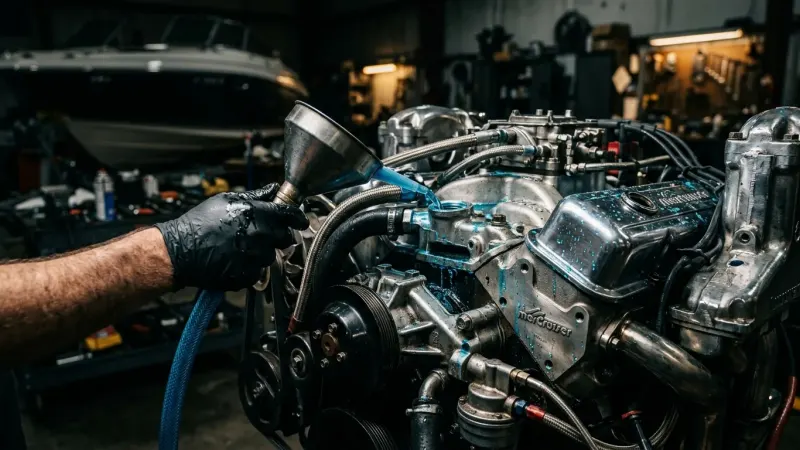
- Engine Servicing: This is non-negotiable. Follow the manufacturer’s recommended service intervals for your outboard(s). Regular oil changes, fuel filter replacements, spark plug checks, and water pump impeller inspections prevent costly breakdowns and extend engine life.
- Haul-Out & Bottom Cleaning: If your boat is kept in the water, regular bottom cleaning and anti-fouling paint application are crucial to maintain hull efficiency and prevent marine growth.
- Washdowns & Waxing: After every saltwater use, a thorough freshwater rinse of the entire boat, especially the engine, is critical. Regular waxing (every 3-6 months) protects the gelcoat from UV damage and keeps it looking pristine.
- Electrical System Checks: Inspect wiring for corrosion, ensure battery terminals are clean and tight, and test all pumps (bilge, livewell, washdown) regularly.
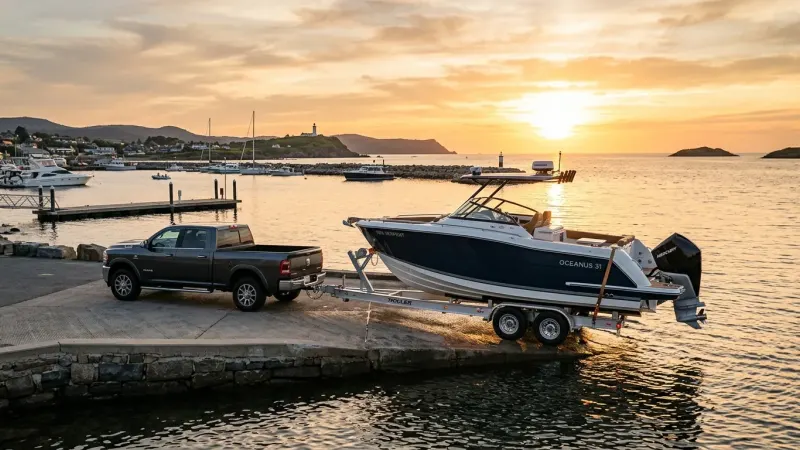
- Trailer Maintenance: If you trailer your boat, don’t forget the trailer! Check tires, brakes, bearings, and lights before every trip.
- Canvas & Upholstery Care: Clean and protect vinyl upholstery and canvas covers to prevent mildew and extend their lifespan.
Strategic Upgrades: Enhancing Functionality and Value
One of the great joys of center console ownership is the ability to personalize and upgrade your vessel. Smart upgrades can not only enhance your boating experience but also add significant value when it comes time to sell.
- Electronics Refresh: Marine electronics evolve rapidly. Upgrading to larger, more powerful MFDs, advanced sonar transducers (like CHIRP or side-scan), or adding a radar unit can transform your fishing or navigation capabilities.
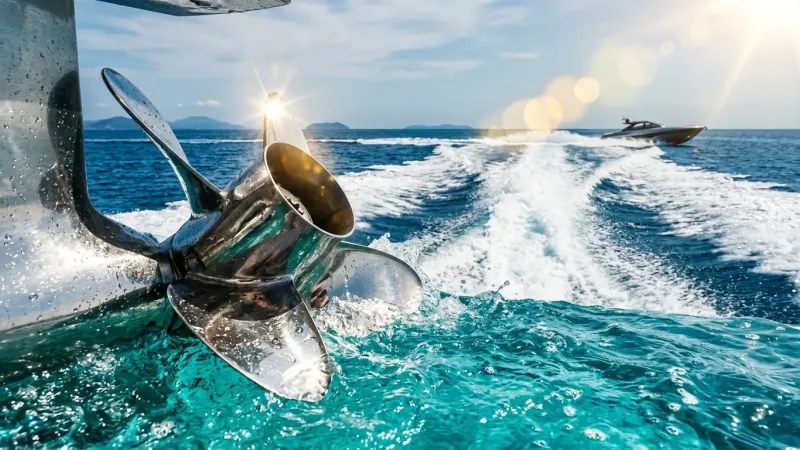
- Propeller Optimization: Experimenting with different propeller pitches or materials can dramatically improve performance, fuel efficiency, or hole shot, tailored to your typical load and use.
- Comfort Additions: Consider adding custom seating, sun pads, or a higher-quality marine stereo system to enhance the family cruising experience.
- Fishing Enhancements: More rod holders, a leaning post with tackle storage, a second livewell, or specialized lighting for night fishing can make a big difference for serious anglers.
- Power Pole/Trolling Motor: For shallow water anchoring or precise boat control, these additions are incredibly valuable.
When considering upgrades, always prioritize quality marine-grade components and professional installation. A well-maintained and thoughtfully upgraded center console not only provides a superior experience during your ownership but also presents a compelling package to future buyers, ensuring a stronger return on your initial investment.