


There’s a certain satisfaction that comes with truly making a boat your own, optimizing it not just for performance, but for comfort and practicality. For many owners of smaller aluminum boats – think your trusty Jon boat, modest fishing skiff, or even a compact utility craft – the operating station is often an afterthought, relegated to a simple tiller handle. While tiller steering certainly has its place, particularly for minimalist setups, it often leaves a lot to be desired in terms of ergonomics, control, and the integration of modern marine electronics. That’s precisely where an aluminium boat side console steps in, transforming a basic utility vessel into a much more capable and enjoyable craft. It’s a practical upgrade that enhances everything from steering precision to the sheer joy of a long day on the water, whether you’re chasing fish or simply cruising.
Table Of Content
- Understanding the Aluminium Boat Side Console: A Boater’s Perspective
- The Anatomy of a Robust Side Console
- The Unmistakable Benefits: Why Choose a Side Console?
- Side Console vs. Tiller Steering: Making the Upgrade
- Navigating the Market: Buying, Replacing & Pricing Your Console
- DIY Installation vs. Professional Setup
- Practical Application & Long-Term Care
- Installation Best Practices
- Maintenance for Longevity
Understanding the Aluminium Boat Side Console: A Boater’s Perspective
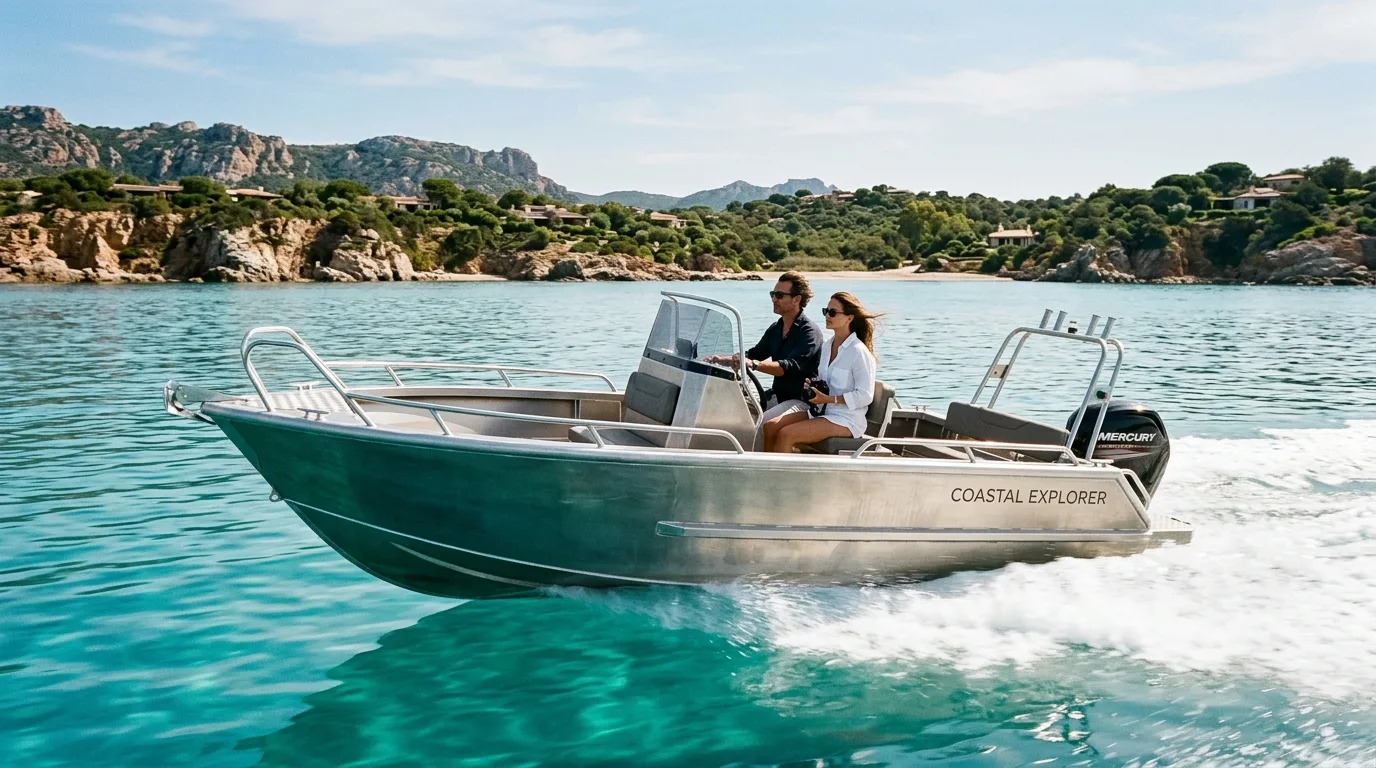
At its core, an aluminium boat side console is a dedicated steering and control station strategically mounted to one side of your boat’s deck, rather than smack in the middle. This design choice is critical, as it liberates a significant portion of the main deck, creating open space that’s incredibly valuable for various activities. You’ll typically find a sturdy steering wheel, responsive throttle controls, and a panel for switches that manage your lights, bilge pump, and other essential electronics. It’s the nerve center for your vessel, bringing all the operational elements into one convenient and comfortable location.
The evolution of boat consoles reflects a growing demand for improved functionality and operator comfort. For decades, many smaller aluminum boats were tiller-steered, which is functional but can be tiring on longer runs or in choppier conditions. The side console offers a seated operating position, a far more natural and comfortable way to navigate, especially if you spend hours on the water. It’s not just about comfort, though; it’s about control, visibility, and making your boat work harder and smarter for you. From my own experience, I’ve seen countless anglers, myself included, discover a newfound appreciation for their boats after making this fundamental upgrade.
The Anatomy of a Robust Side Console
When you start looking at side consoles, you’ll quickly realize they’re more than just a box with a steering wheel. A quality unit is designed to integrate seamlessly into your boat’s ecosystem. Beyond the obvious steering wheel and throttle, you’ll find well-thought-out features like dedicated switch panels for your navigation lights, anchor light, bilge pump, and accessories such as a livewell pump or aerator. Many models also include handy storage compartments, cup holders, and even pre-drilled mounts for your fish finder, GPS unit, or other navigational tools. Some even come with grab rails, which are an often-overlooked safety feature that can make a real difference in rough water.
The material choice, marine-grade aluminum, is no accident. Alloys like 5052 or 5083 are specifically chosen for their excellent corrosion resistance in saltwater environments, as well as their strength-to-weight ratio. This means your console will stand up to years of sun, spray, and general abuse without succumbing to rust or significant wear. You’ll find options from raw aluminum finishes, which are tough and easy to maintain, to powder-coated versions that offer enhanced aesthetics and an extra layer of protection. The choice often comes down to personal preference and how much you value a sleek, finished look versus pure, rugged utility.
The Unmistakable Benefits: Why Choose a Side Console?
Making the switch to an aluminium boat side console offers a cascade of advantages that genuinely enhance your boating experience. The most immediate and often celebrated benefit is undoubtedly the liberation of deck space. By moving the helm off-center, you create an expansive, unobstructed area across the main deck. This is a game-changer for anglers who need room to cast unimpeded, net fish, or move freely around the boat. It’s also incredibly practical for utility use, allowing you to load more gear, coolers, or even accommodate additional passengers without feeling cramped. This space efficiency is often the deciding factor for many boaters.
Beyond space, the improvement in control and ergonomics is profound. Imagine sitting comfortably while navigating, rather than constantly standing or contorting your body to manage a tiller handle. A side console provides a proper seated operating position, reducing fatigue significantly on longer trips or during extended periods of maneuvering. You gain much more precise steering, especially beneficial when navigating tight channels, docking, or holding a precise line while trolling. The improved visibility over the bow, coupled with easily accessible controls, contributes directly to a safer and more confident boating experience.
Modern side consoles are also highly adaptable, serving as a central hub for all your marine electronics. Most kits are designed with modularity in mind, allowing you to easily mount and integrate fish finders, GPS chartplotters, VHF radios, and other essential gadgets. This level of customization ensures that your boat is perfectly tailored to your specific needs, whether you’re a serious tournament angler needing multiple displays or a recreational boater who values a simple, clean setup. This ability to easily add and update electronics not only boosts functionality but also keeps your boat feeling modern and relevant for years to come.
Side Console vs. Tiller Steering: Making the Upgrade
For many small aluminum boat owners, the choice often boils down to upgrading from traditional tiller steering to a side console. While tiller steering offers simplicity and often a lower initial cost, the side console brings a level of sophistication and comfort that significantly elevates the boating experience. Tiller boats are fantastic for shallow water maneuvering and can be incredibly responsive, but they can be physically demanding over long distances or in rough conditions. The operator typically stands or sits on a bench, constantly holding the tiller arm, which can lead to arm and back fatigue.
A side console, on the other hand, allows for a more relaxed, seated operation. Your hands are free to adjust trim, manage accessories, or even grab a drink without needing to relinquish control of the motor. It provides a dedicated space for all your switches, gauges, and screens, creating an organized and efficient helm. While it does take up a small footprint on the side, the overall gain in usable deck space and operator comfort usually far outweighs this. For anyone spending serious time on the water, especially for fishing or cruising, the side console is almost always the preferred choice.
| Feature | Tiller Steering | Aluminium Side Console |
|---|---|---|
| Operating Position | Standing or sitting on a bench, often requires constant holding | Comfortable seated position with dedicated controls |
| Deck Space | Maximized open deck space due to minimal footprint | Open main deck space, console takes up a small side footprint |
| Control Precision | Direct, responsive, but can be tiring for fine adjustments | Smooth, precise steering, less effort for fine adjustments |
| Electronics Integration | Limited mounting options, often requires separate brackets | Dedicated panel for integrated fish finders, GPS, switches |
| Comfort on Long Trips | Can be physically fatiguing, especially in rough water | Significantly reduces fatigue, more relaxed operation |
| Initial Cost | Generally lower, simpler setup | Higher initial cost due to components and installation |
| Resale Value | May appeal to budget buyers or those wanting simplicity | Often enhances resale value, appeals to broader market |
Navigating the Market: Buying, Replacing & Pricing Your Console
Once you’ve decided a side console is right for you, the next step is navigating the market. You’ll find a range of options, from basic, no-frills units to premium, feature-rich setups. Basic kits typically include the console frame, a steering wheel, and a throttle mount, ideal for those on a tighter budget or who prefer a minimalist approach. Mid-range kits often add integrated switch panels, more robust construction, and perhaps some storage. Premium options might feature hydraulic steering pre-installed, enhanced storage solutions, specialized finishes, and advanced electronics integration points. Custom fabricators can even build consoles tailored to your boat’s exact dimensions and your specific operational needs, though this naturally comes at a higher price point.
Over time, even the most durable marine-grade aluminum can show signs of wear and tear. Constant exposure to UV rays, saltwater, and the occasional bump can lead to cosmetic blemishes or even structural fatigue. When considering an aluminium boat side console replacement, you have similar options as buying new. Sometimes, a simple ‘like-for-like’ swap is all that’s needed to refresh your boat’s look and functionality. Other times, it’s an opportunity to upgrade, perhaps adding features you wished you had with your original console. Manufacturers and aftermarket suppliers often offer direct replacement kits designed to fit common boat models, making the process smoother than you might expect.
The aluminium boat side console price can vary significantly, usually ranging from a few hundred dollars for basic kits to well over two thousand for premium, feature-packed units or custom fabrications. For example, a simple, unpainted console shell with basic steering might run you in the $300-$600 range. Move up to a powder-coated unit with integrated switch panels and basic mechanical steering, and you’re looking at $700-$1,500. High-end consoles, especially those pre-fitted with hydraulic steering, premium gauges, or extensive customization, can easily exceed $1,800 to $2,500+. Factors like aluminum gauge thickness, included accessories (switches, wiring harnesses, cup holders), brand reputation, and warranty all play a role in the final cost. It pays to do your homework and compare options carefully, balancing your budget with the features you truly need.

DIY Installation vs. Professional Setup
Installing a side console can be a rewarding DIY project for the mechanically inclined, but it’s crucial to be realistic about the undertaking. If you’re comfortable with basic carpentry, drilling, wiring, and careful measurement, you can certainly tackle a kit installation. Most kits come with detailed instructions, and many manufacturers design them for relatively straightforward assembly. The primary advantage of DIY is, of course, saving on labor costs, which can be substantial. However, you’ll need the right tools—drills, saws, wrenches, and often specialized marine crimpers for wiring. It also demands patience and a meticulous approach, especially when planning wiring routes and ensuring everything is properly sealed and secured.
For those less confident in their DIY skills, or for complex installations involving hydraulic steering, extensive electronics, or custom fitments, professional installation is often the smarter choice. A reputable marine technician has the experience, specialized tools, and knowledge to ensure everything is installed correctly, safely, and to marine standards. This means proper sealing against water intrusion, correctly fused wiring, and optimal placement for ergonomics and performance. While it adds to the overall cost, the peace of mind that comes from a professional job, often backed by a warranty, is invaluable. Always get a detailed quote and check references if you go this route.
Practical Application & Long-Term Care
One of the most dramatic transformations I’ve witnessed in my years on the water is how a side console elevates a humble Jon boat. Traditionally, Jon boats are bare-bones, tiller-steered utility vessels, prized for their stability and shallow-water capabilities. But let’s be honest, they’re not exactly known for comfort or sophisticated control. Adding an aluminium boat side console for sale or as part of a kit to a Jon boat completely changes its character. It turns it from a basic fishing platform into a far more versatile and comfortable angling machine. You gain precise steering, the ability to mount a robust fish finder and GPS unit right at your fingertips, and the added comfort of seated operation. This isn’t just about making the boat feel fancier; it genuinely improves its usability and expands its potential for various activities.

A well-installed side console on a Jon boat makes navigating rougher waters more manageable and allows for more nuanced boat control when approaching a fishing spot or working a shoreline. It also adds significant value to the boat, making it more appealing to potential buyers down the line. I once saw a simple 14-foot Jon boat, originally used for duck hunting, completely revamped with a side console, a small outboard, and a trolling motor. The owner was ecstatic, reporting that it felt like a completely different, much more capable vessel. This is the kind of practical upgrade that pays dividends every time you launch your boat.
Installation Best Practices
Whether you’re tackling the installation yourself or supervising a professional, understanding the best practices is key to a successful outcome. First and foremost, careful planning and measuring are absolutely critical. Take your time to determine the optimal placement for the console, considering factors like weight distribution, operator visibility, and clear access to the deck. You want enough room to move around the console, but also a comfortable reach to the steering wheel and throttle. Use painter’s tape to mock up the console’s footprint on the deck, and sit in various positions to test ergonomics before you start drilling any holes.
When it comes to securing the console, always use marine-grade stainless steel fasteners – bolts, not just screws – with backing plates or large washers to distribute the load and prevent pull-through. Never skip on sealing; every hole drilled into the deck needs to be properly sealed with a marine-grade sealant like 3M 5200 or Sikaflex to prevent water intrusion, which can lead to rot in wooden decks or corrosion in aluminum. For wiring, plan your runs carefully, use appropriately sized marine-grade tinned wire, and ensure all connections are watertight, preferably heat-shrink crimped. Always install inline fuses for all accessories to protect your electronics and prevent electrical fires. Finally, before heading out on the water, thoroughly test all controls – steering, throttle, and all electrical switches – to ensure everything functions as intended.
Maintenance for Longevity
An aluminium boat side console is built tough, but like any piece of marine equipment, it benefits from regular care to ensure its longevity and continued good looks. Here’s a simple maintenance checklist:
- Rinse After Every Saltwater Use: A quick freshwater rinse is your best defense against salt buildup, which can accelerate corrosion and degrade electrical connections.
- Regular Cleaning: Use a mild soap and water solution to clean the console surfaces, steering wheel, and switch panels. Avoid harsh chemicals or abrasive cleaners that can damage finishes or plastic components.
- Inspect Fasteners: Periodically check all bolts and screws securing the console to the deck, as well as those holding components in place. Vibrations can cause them to loosen over time.
- Check Wiring and Connections: Open up access panels (if applicable) to inspect wiring for any signs of fraying, corrosion, or loose connections. Ensure all heat shrinks are intact and connections are secure.
- UV Protection: For plastic components, gauges, and steering wheel, consider applying a UV protectant spray to prevent sun degradation and fading.
- Address Corrosion Promptly: Even marine-grade aluminum can suffer from pitting or oxidation, especially in areas where paint or powder coating has been scratched. Clean the area, lightly sand if needed, and apply a touch-up paint or aluminum-specific primer to prevent further damage.
By following these simple steps, you’ll ensure your side console remains functional, aesthetically pleasing, and a reliable part of your boat for many years of enjoyment.
The decision to install an aluminium boat side console is often a pivotal moment for many small boat owners, signaling a shift towards greater comfort, control, and versatility. It’s more than just an addition; it’s an enhancement that truly unlocks the full potential of your vessel, transforming it into a more capable and enjoyable craft for fishing, utility, or simple recreation. By carefully considering the features, understanding the installation process, and committing to proper maintenance, you’re not just buying a console; you’re investing in countless hours of improved boating experiences. Take the plunge, make the upgrade, and feel the difference firsthand as you navigate the waters with newfound confidence and ease.