

Inboard vs. Outboard Ski Boats: Making the Right Choice for Your Watersports Adventure

The Ultimate Ski Boat Dilemma: Inboard vs. Outboard
Ah, the classic question that keeps many watersports enthusiasts up at night: should your next ski boat be an inboard or an outboard? It’s a decision that goes beyond engine placement; it shapes your entire boating experience, from the quality of your wake to the versatility of your vessel. For decades, I’ve seen folks grapple with this choice, and honestly, there’s no single “right” answer. It all boils down to what you prioritize on the water.
Table Of Content
- The Ultimate Ski Boat Dilemma: Inboard vs. Outboard
- The Fundamental Differences: Engine Placement & Impact
- Inboard Power: The Classic Approach
- Outboard Power: Modern Versatility
- Diving Deeper: Inboard Ski Boats – Pros & Cons
- Wake Quality & Performance
- Safety & Maneuverability
- Drawbacks to Consider
- Exploring Outboard Ski Boats – Pros & Cons
- Versatility & Accessibility
- Performance & Maintenance
- Compromises to Acknowledge
- Making Your Decision: Key Considerations for Watersports Enthusiasts
- Your Primary Watersports Activity
- Budget & Maintenance Realities
- Water Conditions & Usage Needs
- Your Watersports Journey Awaits
Here at Sail & Power & Boats & Motor Yachts, we understand that finding the perfect boat is a journey, not just a purchase. So, let’s cut through the noise and dive deep into the heart of this comparison. We’ll explore the unique characteristics, advantages, and drawbacks of both inboard and outboard ski boats, helping you navigate towards the perfect match for your watersports adventures.

The Fundamental Differences: Engine Placement & Impact
At its core, the distinction between inboard and outboard ski boats lies in where the engine lives. This seemingly simple difference cascades into every aspect of the boat’s design, performance, and utility. Understanding this foundational concept is key to making an informed decision.
Inboard Power: The Classic Approach
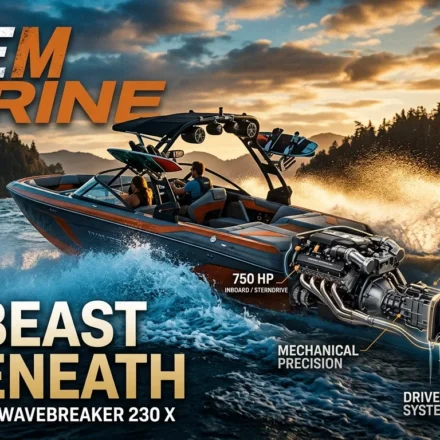
An inboard engine is mounted inside the hull, typically midship, connected to a shaft that runs through the bottom of the boat to a propeller. Think of it like a car engine – tucked away and integrated. This configuration has been the traditional powerhouse for dedicated ski and wakeboarding boats for a long time.
Outboard Power: Modern Versatility
On the other hand, an outboard engine is a self-contained unit that mounts on the outside of the transom. It houses the engine, gearbox, and propeller all in one unit, designed to be easily trimmed up or down. Outboards have seen incredible advancements in recent years, becoming quieter, more fuel-efficient, and incredibly powerful, making them viable contenders in the watersports arena.
Diving Deeper: Inboard Ski Boats – Pros & Cons
When you picture a professional waterskier carving a perfect line or a wakeboarder launching off a massive wave, chances are you’re imagining an inboard boat. These vessels are purpose-built for specific watersports, and their design reflects that focus.
Wake Quality & Performance
One of the biggest selling points for inboards, especially for serious waterskiers and wakeboarders, is their superior wake creation. Because the engine is midship, it centralizes the boat’s weight, creating a very symmetrical and predictable wake. For slalom skiers, this means a clean, flat wake at ski speeds. For wakeboarders, the ability to add ballast creates large, firm wakes that are perfect for air tricks.
- Pros:
- Optimized Wake: Consistently clean, symmetrical wakes ideal for waterskiing, wakeboarding, and wakesurfing.
- Centralized Weight: Better balance and handling, especially in rougher water.
- Direct Drive or V-Drive: Excellent torque for quick holeshot and pulling power.
- Quieter Ride: Engine noise is often muffled by being inside the hull.
Safety & Maneuverability
Another significant advantage is safety. With the propeller tucked well under the boat, away from the swim platform, the risk of accidental contact is greatly reduced, which is a huge plus when you have swimmers or boarders constantly getting in and out of the water. For example, imagine this situation: your buddy just fell, and you need to spin around quickly to pick them up. The precise steering of an inboard, often without the “prop walk” associated with some outboards, makes those quick, tight turns feel intuitive and controlled.
- Pros:
- Enhanced Safety: Propeller is located beneath the hull, away from swimmers and boarders.
- Precise Handling: Direct steering for tight turns and accurate line control.
- Integrated Swim Platform: Often large and unobstructed, perfect for gearing up.
Drawbacks to Consider
However, no boat is perfect, and inboards come with their own set of considerations. They typically have a deeper draft due to the propeller shaft and rudder, limiting access to shallow coves or beaches. Engine access can also be a bit of a puzzle, requiring you to lift floorboards or engine hatches, which isn’t always convenient for quick checks or repairs.
- Cons:
- Limited Versatility: Primarily designed for watersports; less ideal for fishing or general cruising.
- Deeper Draft: Can be challenging in shallow waters; propeller is exposed when trailering.
- Higher Initial Cost: Often more expensive to purchase new.
- Engine Access: Maintenance can be more involved due to engine placement.
- Less Interior Space: Engine box can take up valuable seating or storage.
Exploring Outboard Ski Boats – Pros & Cons
Outboards have evolved significantly, moving beyond their traditional role on fishing boats. Modern outboards are powerful, reliable, and increasingly found on boats designed for a mix of watersports and general family fun.
Versatility & Accessibility
The ability to trim the engine up completely is a game-changer for outboards. This means you can easily navigate very shallow waters, beach the boat without worrying about prop damage, and even trailer it with less concern for ground clearance. This makes them incredibly versatile for families who want to ski, tube, fish, and cruise all in one day. To be fair, this versatility is a huge draw for many boaters.
- Pros:
- Excellent Versatility: Great for watersports, fishing, cruising, and general family boating.
- Shallow Water Access: Engine can be trimmed up to navigate very shallow areas.
- Easier Maintenance: Engine is readily accessible for service or replacement.
- More Interior Space: No engine box means more room for seating and storage.
- Often Lighter & Faster: Can achieve higher top speeds with comparable horsepower.
Performance & Maintenance
Modern outboards are incredibly efficient and can offer impressive acceleration and top-end speed. If you’re someone who likes to do their own engine checks or minor repairs, the easy access of an outboard is a huge benefit. Plus, if you ever need to replace the engine, it’s a much simpler process than with an inboard.
- Pros:
- Fuel Efficiency: Many modern outboards are very fuel-efficient.
- Easy to Re-power: Swapping out an engine is relatively straightforward.
- Lower Initial Cost: Often more affordable to purchase than comparable inboards.
Compromises to Acknowledge
However, outboards aren’t without their trade-offs. While they can certainly pull skiers and tubers with enthusiasm, the wake they create generally isn’t as clean or as customizable as an inboard’s, particularly for serious wakeboarding or slalom skiing. The propeller is also exposed at the transom, requiring extra caution around swimmers. From my personal perspective, I’ve seen too many close calls with exposed props, so caution is paramount.
- Cons:
- Less Ideal Wake: Wakes can be less symmetrical and clean for serious waterskiing/wakeboarding.
- Propeller Exposure: Propeller is at the transom, requiring extra safety precautions.
- Potentially Louder: Engine noise can be more noticeable at the stern.
- Less Dedicated Swim Platform: Outboard takes up space where a platform would be.
Making Your Decision: Key Considerations for Watersports Enthusiasts
So far, we’ve covered the mechanical differences and the general pros and cons of each. Now, let’s get to the really critical point: how do these factors apply to your specific boating needs and desires?
Your Primary Watersports Activity
This is arguably the most important question. Are you a serious slalom skier chasing that perfect, flat wake? An inboard with its direct drive or V-drive system and balanced weight distribution is likely your best bet. Do you live for massive air and intricate wakeboard tricks? Again, the controllable, massive wakes of an inboard, especially those designed for wakeboarding, are unmatched. But what if you’re more into tubing, casual wakeboarding, or just cruising with the family and pulling the kids around? An outboard might be perfectly sufficient, offering plenty of power and versatility for a range of activities.
Budget & Maintenance Realities
When considering your budget, think beyond the purchase price. Inboards often have a higher upfront cost. While outboards can sometimes be more affordable initially, remember to factor in maintenance. Outboard engines are generally easier and less costly to service or replace. However, both types require regular upkeep. I always tell my clients, “The cheapest boat to buy isn’t always the cheapest boat to own.”
Water Conditions & Usage Needs
Where do you plan to do most of your boating? If you frequent shallow lakes, rivers, or enjoy beaching your boat for picnics, an outboard’s ability to trim up is a huge advantage. If you’re always on deep, clear lakes and never venture near the shore, an inboard’s deeper draft might not be an issue. Also, consider if you need a multi-purpose boat that can switch from watersports to fishing to cruising in a heartbeat. Outboards definitely win on the versatility front here.
Your Watersports Journey Awaits
Ultimately, choosing between an inboard and an outboard ski boat isn’t about one being inherently “better” than the other. It’s about aligning the boat’s capabilities with your lifestyle, your budget, and most importantly, your passion for watersports. If you’re a dedicated wake or ski enthusiast, prioritizing wake quality and safety around the prop, an inboard is likely to make you happiest. If versatility, ease of maintenance, and shallow-water access are higher on your list, an outboard might be your perfect companion.
Take your time, consider your priorities, and if possible, try out both types of boats on the water. Feel the difference, experience the wake, and imagine yourself enjoying endless days on the water. Whichever you choose, the thrill of watersports awaits, and that, in my opinion, is what boating is all about.