



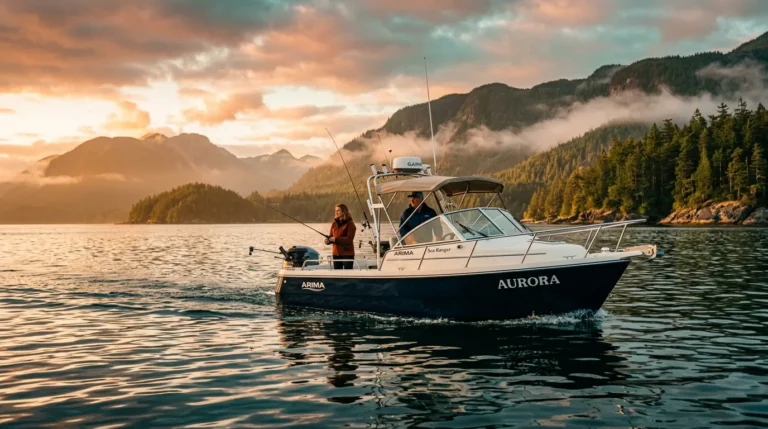
Having spent more decades than I care to admit navigating the intricate currents of the marine industry, both on the water and in the sales office, I’ve seen countless brands come and go. Yet, few inspire the deep-seated loyalty and consistent demand quite like Arima. These aren’t just fiberglass shells; they are purpose-built tools, trusted companions for legions of anglers, crabbing enthusiasts, and families, particularly in the notoriously demanding waters of the Pacific Northwest. If you’re considering an Arima, you’re looking at more than just a boat; you’re investing in a legacy of practical design and rugged dependability that continues to pay dividends for its owners.
Table Of Content
- The Enduring Appeal of Arima Boats: Why Boaters Choose Them
- The Signature Hull Design: Stability Meets Seaworthiness
- Practicality, Efficiency, and Longevity
- Navigating the Market: Where and How to Find Your Ideal Arima
- New vs. Used: Weighing Your Options
- The Vibrant Used Arima Market
- Key Considerations When Buying a Used Arima
- Geographical Hotbeds and Transportation Considerations
- Decoding the Arima Lineup: Models, Features & Best Uses
- The Versatile Sea Chaser Series
- Larger Vessels: The Explorer & Sea Ranger
- Specialty Models: Sea Explorer & Pilot House Options
- Smart Buying Strategies & What to Look For (2026 Perspective)
- Due Diligence: Inspections, Surveys, and Sea Trials
- Understanding Pricing & Negotiation (2026 Market)
- Beyond the Purchase: Ownership Costs & Maintenance
The Enduring Appeal of Arima Boats: Why Boaters Choose Them
Arima boats hold a unique, almost revered, position in the boating community, especially among those who prioritize stability, efficiency, and uncompromising seaworthiness. Born in the early 1980s from a clear need for vessels that could confidently tackle the often-unpredictable conditions of the Puget Sound and beyond, Arima set out to build boats that simply work, day in and day out. Their philosophy has always been less about flashy aesthetics and more about functional design, leading to a loyal following who understand the true value of a boat that performs when it matters most.
This enduring appeal isn’t accidental; it’s engineered into every hull. Arima’s design ethos centers on maximizing usable space, ensuring exceptional stability at rest, and providing a remarkably soft, dry ride in choppy conditions. These are characteristics that resonate deeply with serious fishermen who spend long hours on the water, often far from protected bays, and with families who desire a secure platform for crabbing, watersports, or simply enjoying a peaceful day afloat. The brand’s unwavering commitment to these core principles has cemented its reputation as a smart, reliable choice for discerning boaters.
The Signature Hull Design: Stability Meets Seaworthiness
What truly sets an Arima apart from many of its contemporaries is its distinctive hull design. Arima employs a modified deep-V hull forward that gracefully transitions to a flatter, exceptionally stable running pad aft. This intelligent design provides a near-unrivaled stability at rest, which is absolutely crucial when you’re fighting a salmon, setting crab pots, or simply having a picnic with the family on a calm anchorage. Unlike pure deep-V hulls that can roll significantly when drifting, an Arima feels solid underfoot, minimizing fatigue and seasickness.
While the flatter aft section enhances stability, the deep-V entry ensures a surprisingly soft ride when cutting through a chop. You won’t find them breaking any speed records; Arimas are designed for efficiency and comfort, not outright velocity. However, you will find them confidently and predictably slicing through confused seas that would send lighter, less stable boats pounding their way back to port. This unique combination of stability and a comfortable ride makes Arima boats incredibly capable and confidence-inspiring in a wide range of conditions, especially the frequently challenging waters of the Pacific coast.
Practicality, Efficiency, and Longevity
Beyond the innovative hull, Arima’s design philosophy prioritizes usability and efficiency in every other aspect. These boats are renowned for their compact yet surprisingly spacious layouts, maximizing usable deck space for fishing gear, coolers, and family provisions. Thoughtful features like ample storage compartments, self-bailing decks, and easily accessible rigging areas underscore their commitment to a practical boating experience.
Another significant advantage, especially in today’s market, is their fuel efficiency. Their relatively lightweight construction, combined with efficient hull forms, means Arimas can be powered effectively by smaller, more fuel-efficient outboard engines. This translates directly into lower running costs and extended range, which are major considerations for any boater. I’ve personally seen Arimas from the 80s and 90s, well-maintained, still delivering reliable performance decades after they rolled off the factory floor – a testament to their robust fiberglass construction and legendary longevity. This build quality directly contributes to their impressive resale value, making an Arima a truly smart long-term investment.
Navigating the Market: Where and How to Find Your Ideal Arima
So, you’ve decided an Arima is the boat for you – excellent choice! Now, the real hunt begins. Finding the right Arima, whether new or used, requires a strategic approach, especially with demand consistently high for these practical vessels. The market for Arima boats is quite vibrant, fueled by their unwavering reputation for reliability, utility, and enduring value, which means you’ll find them listed through various channels, each with its own advantages and considerations.
As we look towards 2026, the market dynamics for pre-owned boats, including Arimas, continue to be influenced by supply chain factors for new vessels and a persistent interest in outdoor activities. This means that while finding a “steal” might be challenging, identifying a well-maintained Arima at a fair market price remains a very achievable goal for diligent buyers. Knowing where to look and what questions to ask will be your greatest assets.
New vs. Used: Weighing Your Options
For those considering a brand-new vessel, authorized Arima dealers are your primary stop. While new Arima production is specialized and often limited compared to mass-market brands, a dealer can offer the latest models, customization options (like electronics packages or specific engine choices), full factory warranties on the hull and new engine, and often a comprehensive package deal with a new engine and trailer. This route provides maximum peace of mind and access to the newest features, though it certainly comes at a premium price.
Dealers can also sometimes source late-model used Arimas that have been traded in. These can offer a vetted option, sometimes with dealer-backed servicing or a limited warranty, bridging the gap between a brand-new purchase and a purely private sale. For the majority of Arima buyers, however, the used market is truly where the treasure lies, offering a wider range of models, ages, and price points to fit nearly any budget.
The Vibrant Used Arima Market
Websites like BoatTrader, YachtWorld, and even local classifieds such as Craigslist or Facebook Marketplace are goldmines for pre-owned Arimas. When browsing these platforms, be prepared to see a wide range of conditions, ages, and prices. Private sellers can sometimes offer lower prices than dealerships, as they avoid dealer markups, but this also means you’ll need to be diligent with your inspections and paperwork. Don’t shy away from asking for detailed photos, maintenance records, and a thorough history of the boat’s usage. A comprehensive logbook detailing service intervals and repairs can be incredibly valuable.
Beyond these major platforms, consider niche boating forums and dedicated Arima owner groups online. These communities often have “for sale” sections where you might find well-cared-for boats from passionate owners who understand and appreciate the brand. The community aspect can also be a valuable resource for questions, advice, and even pre-purchase insights into specific models or common issues.
Key Considerations When Buying a Used Arima:
- Maintenance Records: Look for detailed service history, especially for the engine.
- Engine Hours: Lower hours generally mean less wear, but consistent maintenance is more important.
- Trailer Condition: Don’t overlook the trailer. Tires, bearings, lights, and frame integrity are critical.
- Electronics Package: Newer GPS/fishfinders add value, but ensure they are operational.
- Hull & Transom Integrity: Check for soft spots, cracks, or signs of impact damage.
- Fuel Tank: Older boats might have original tanks; inquire about replacement or inspection history.
- Upholstery & Canvas: While minor, these can be costly to replace.
Geographical Hotbeds and Transportation Considerations
Geographically, Arima boats are intrinsically linked to the Pacific Northwest. Areas like Washington, Oregon, and California are prime hunting grounds for both new and used models. The robust boating culture in these coastal states, with their abundant salmon, halibut, and crabbing opportunities, perfectly aligns with Arima’s utility-first design. You’ll also find a strong market in British Columbia, Canada, where their stability and seaworthiness are highly valued for coastal cruising and fishing.
If you’re searching from outside these regions, be sure to factor in potential transportation costs into your overall budget. These can range from a few hundred dollars for a short interstate haul to several thousand dollars for cross-country or international shipping, depending on distance, boat size, and whether you use a professional transport service or tow it yourself. Searching specifically for “Arima boats for sale Oregon,” “Used Arima boats for sale California,” or “Arima boats for sale Washington” will often yield the highest concentration of listings, giving you the best chance to find a suitable vessel.
Decoding the Arima Lineup: Models, Features & Best Uses
Arima has consistently produced a lineup of models designed to cater to different boating needs, primarily centered around fishing and family enjoyment. Understanding the distinctions between the popular models is crucial for selecting the right boat for your adventures. While specific model names and features might evolve over the years, the core design philosophy remains remarkably consistent across their range, emphasizing stability, efficiency, and practical utility.
From compact and easily trailerable options to larger, more offshore-capable vessels, Arima offers a spectrum of choices. Each model, regardless of size, carries the brand’s DNA of robust construction and thoughtful layout. Let’s delve into some of the most prominent series and what makes each a fantastic choice for its intended purpose.
The Versatile Sea Chaser Series
The Sea Chaser series, often found in 15, 16, 17, and even 19-foot lengths, is arguably the most recognizable and versatile Arima lineup. These models strike an excellent balance between fishability, towability, and family comfort, making them incredibly popular for a wide range of activities. The 17-foot Sea Chaser, for example, is a fantastic all-rounder, offering ample deck space for two to three anglers, a small cuddy cabin for storage or a quick nap, and enough fuel capacity for a solid day on the water.
These boats are typically open-cockpit designs, often featuring a walk-through windshield leading to a small V-berth in the cuddy. They are easy to launch and retrieve, making them ideal for trailer boating. The 15 and 16-foot versions are perfect for solo anglers or small families exploring local waters and bays, while the 17 and 19-foot models extend their capability to larger lakes, Puget Sound, and nearshore ocean excursions, handling chop with remarkable poise. Their reputation for being exceptionally stable at rest makes them perfect for crabbing or jigging.
Larger Vessels: The Explorer & Sea Ranger
For those needing more space, greater fuel capacity, and enhanced offshore capabilities, Arima offers larger models like the Explorer and Sea Ranger series, typically in 19, 21, and 22-foot lengths. These boats build upon the core Arima principles but with added dimensions and features designed for more serious fishing and extended cruising. They often boast larger cuddy cabins, providing more comfortable shelter and storage, and are capable of carrying more gear and passengers.
The 19-foot Explorer, for instance, provides a significant step up in deck space and can comfortably accommodate more anglers or a larger family. The 21 and 22-foot Sea Rangers or Explorers are truly offshore-capable, designed for tackling rougher conditions and longer runs to distant fishing grounds. They offer greater fuel capacity, often have integrated bait tanks, and more robust rigging options for downriggers and rod holders. These models are ideal for those who dream of salmon fishing offshore, chasing halibut, or simply enjoying longer coastal adventures with superior comfort and security.
Specialty Models: Sea Explorer & Pilot House Options
Beyond the primary open-cockpit designs, Arima also offers specialty configurations like the Sea Explorer (distinct from the Explorer series, often referring to a specific layout) and various Pilot House options. These models feature enclosed or partially enclosed cabins, providing excellent protection from the elements – a significant advantage in cooler climates or during inclement weather. A pilot house offers a warm, dry helm station, which can extend your boating season considerably and enhance comfort during long days on the water.
While less common on the used market than the open cuddy designs, a pilot house Arima is a coveted find for those who prioritize maximum weather protection without sacrificing stability and fishability. These vessels truly embody the “year-round boating” philosophy and are perfect for serious anglers who brave all conditions or families looking for a cozy retreat on cooler days.
| Model Series | Typical Length (LOA) | Engine Range (HP) | Key Features | Best Use Cases |
|---|---|---|---|---|
| Arima Sea Chaser | 15′ – 17′ | 40 – 90 | Compact, stable, cuddy cabin, easy to trailer, efficient. | Bay/lake fishing, crabbing, small family outings, solo fishing. |
| Arima Sea Chaser | 19′ | 90 – 150 | Larger deck, more storage, good for 3-4 anglers, balanced ride. | Nearshore ocean fishing, larger lakes, family cruising. |
| Arima Explorer / Sea Ranger | 19′ – 21′ | 115 – 175 | Enhanced stability, greater fuel capacity, larger cuddy, robust construction. | Offshore fishing, extended coastal cruising, serious angling. |
| Arima Explorer / Sea Ranger | 22′ | 150 – 200 | Max deck space, superior offshore capability, options for enclosed helm. | Long-range offshore fishing, multi-day trips, adverse weather. |
| Arima Pilot House (various) | 17′ – 22′ | 75 – 200 | Enclosed helm, weather protection, extended season comfort. | Year-round fishing, cold weather boating, maximum comfort. |
Smart Buying Strategies & What to Look For (2026 Perspective)
Acquiring an Arima, whether new or pre-owned, is a significant investment, and approaching the purchase strategically will ensure you land the best deal and avoid common pitfalls. The market for Arima boats in 2026, much like previous years, will reward informed buyers. It’s not just about the sticker price; it’s about the boat’s overall condition, its history, and its suitability for your specific boating aspirations. My advice, honed over decades in this industry, is always to prioritize diligence over haste.
Remember, a great deal isn’t necessarily the cheapest boat you can find. It’s the boat that offers the most value, the fewest hidden problems, and the best fit for your needs, all within your budget. Being prepared with a checklist, understanding inspection points, and knowing how to negotiate effectively will empower you throughout the buying process.
Due Diligence: Inspections, Surveys, and Sea Trials
Once you’ve identified a potential Arima, the real work begins. First and foremost, a thorough visual inspection is critical. Walk around the boat, checking the hull for any signs of major repairs, stress cracks, or impact damage. Pay close attention to the transom for any signs of flexing or soft spots, which could indicate water intrusion or structural issues. Inspect the deck for soft spots as well, especially around consoles and seating areas.
For any boat you’re serious about, especially one that’s a few years old, I cannot stress enough the importance of a professional marine survey. A qualified surveyor will delve into aspects you might miss, checking the hull integrity, electrical systems, fuel system, and steering. Furthermore, a compression test on the engine is non-negotiable, and ideally, a full mechanical inspection by a certified technician. Finally, always, always conduct a sea trial. This is your chance to assess how the boat handles, confirm all systems are operational (nav lights, bilge pump, fishfinder, trim tabs), and gauge the engine’s performance under load. Does it plane quickly? Is there excessive vibration? Listen to your gut and the boat.
Understanding Pricing & Negotiation (2026 Market)
Arima boats hold their value exceptionally well, so don’t expect fire-sale prices, even on older models. Factors influencing the price of a used Arima include its year of manufacture, overall cosmetic and structural condition, engine hours and age, the presence and condition of a trailer, and the quality of installed electronics (GPS, fishfinder, VHF radio). A well-maintained boat with lower engine hours and updated electronics will command a higher price, and rightly so.
When negotiating, be respectful but firm. Base your offer on market comparisons (check recent sales of similar models), the boat’s condition, and any identified deficiencies from your inspections or survey. Don’t be afraid to walk away if the seller isn’t reasonable or if you uncover issues that make you uncomfortable. Remember, there’s always another Arima out there. For a 2026 perspective, consider that inflation and continued demand for quality pre-owned boats may keep prices firm, but diligent searching and patient negotiation are always key.
Beyond the Purchase: Ownership Costs & Maintenance
Buying the boat is just the first step; understanding the ongoing costs of ownership is crucial for long-term enjoyment. Budget for essential items like marine insurance, which can vary based on boat value, your experience, and cruising area. Factor in storage costs, whether it’s a slip at a marina, dry storage, or simply a secure spot for your trailer at home. Fuel costs, though minimized by Arima’s efficiency, will still be a regular expense. Perhaps most importantly, set aside funds for routine maintenance. Outboard engines require annual servicing, and regular cleaning, waxing, and periodic checks of electrical systems, pumps, and trailer components are essential to preserve your investment.
One of the true joys of Arima ownership is the strong, supportive community. Online forums and social media groups are packed with experienced owners willing to share advice, troubleshooting tips, and even help you source parts. This communal knowledge can be an invaluable asset, ensuring your Arima remains a reliable and enjoyable vessel for many years to come. In my experience, choosing an Arima is choosing a boat that works hard, lasts long, and provides countless hours of safe, stable enjoyment on the water – a true testament to its original vision.