


Ever wonder why some boats seem to glide effortlessly across the water, while others struggle, ploughing through it, or bouncing uncomfortably? More often than not, the difference lies in one simple, yet incredibly powerful, control: power trim and tilt. It’s not just a fancy button; it’s your key to unlocking optimal boat performance, saving precious fuel, and ensuring a smoother, safer ride for everyone aboard.
Table Of Content
- What Exactly Are Power Trim and Tilt, Anyway?
- The “Trim” Function: Fine-Tuning Your Ride
- The “Tilt” Function: Lifting Out of the Water
- Why Mastering Trim & Tilt is Your Secret Weapon on the Water
- Finding Your Sweet Spot: Practical Trim & Tilt Techniques
- Getting Started: The Initial Trim Out
- Trimming for Different Conditions
- Common Pitfalls & What to Watch Out For
- The Perils of Over-Trimming
- The Drawbacks of Under-Trimming
- What to Watch Out For
- Beyond the Basics: Advanced Tips from an Old Salt
- Frequently Asked Questions
- Can I use trim in reverse?
- Does trim affect steering?
- How often should I adjust trim?
For those of us who’ve spent decades on the water, the trim and tilt button becomes an extension of our hand, a subtle adjustment that transforms the boat’s entire demeanor. Honestly, it’s one of the most overlooked aspects of proper boat operation, especially for new boaters. But what exactly are these functions, and how can you master them to enhance your time on the water?
What Exactly Are Power Trim and Tilt, Anyway?
Let’s strip it down to basics. Think of power trim and tilt as the critical levers that adjust the angle of your outboard or sterndrive engine relative to the transom of your boat. This seemingly small adjustment has a colossal impact on how your boat interacts with the water. It’s like the suspension on your car, but for watercraft – it dictates ride quality, speed, and even how much fuel you burn.
Most modern powerboats come equipped with these hydraulic systems. You’ll typically find the controls on your throttle lever or dashboard, often a rocker switch that allows you to move the engine up or down. Understanding the distinct roles of “trim” versus “tilt” is the first step toward becoming a true master of your vessel.
The “Trim” Function: Fine-Tuning Your Ride
The trim function refers to the small range of adjustment, usually about 5 to 7 degrees, that controls the angle of your engine or drive while the boat is underway. When you trim “up” (engine moves out and away from the transom), the bow of your boat lifts. Conversely, trimming “down” (engine moves in, closer to the transom) pushes the bow down. This action directly influences the wetted surface of your hull – the amount of hull in contact with the water. Less wetted surface generally means less drag and potentially higher speed, but there’s a delicate balance to strike.
This fine-tuning capability is vital. It allows you to counteract changes in weight distribution, water conditions, and speed to maintain an efficient and comfortable attitude. It’s a continuous process, not a set-it-and-forget-it deal. As an experienced boater, I can tell you that a well-trimmed boat feels responsive and balanced, almost an extension of your own will.
The “Tilt” Function: Lifting Out of the Water
Beyond the trim range lies the tilt function. This is where the engine or drive can be lifted significantly further out of the water, often to a fully raised position. The tilt mechanism is primarily used when the boat is *not* underway or is moving at very slow speeds. For example, if you’re navigating shallow waters, you can tilt the engine up to avoid striking the bottom with your propeller. It’s also essential for beaching your boat, trailering, or simply keeping your lower unit out of the water when docked to prevent marine growth and corrosion.
While the tilt function isn’t used for performance adjustments at speed, it’s indispensable for protecting your valuable equipment and ensuring safe operations in specific situations. Imagine trying to navigate a narrow creek with unknown depths without the ability to tilt your engine – a damaged prop or lower unit would be almost guaranteed. That’s why both trim and tilt, though distinct, are typically controlled by the same switch on your helm.
Why Mastering Trim & Tilt is Your Secret Weapon on the Water
Now that we’ve covered the mechanics, let’s talk about the real benefits. Why should you, as a discerning boater, invest time in mastering these controls? Simply put, it’s about optimizing every aspect of your boating experience. It’s about more than just speed; it’s about safety, comfort, and the longevity of your investment. A boat that is incorrectly trimmed is, in my opinion, a boat that is not being enjoyed to its fullest potential, and it’s certainly costing you more in the long run.
The most immediate and tangible benefit is undoubtedly fuel efficiency. An improperly trimmed boat creates excessive drag, forcing your engine to work harder to maintain speed. This translates directly to burning more fuel, which, as we all know, adds up quickly. By finding the sweet spot where your hull creates the least resistance, you can significantly reduce your fuel consumption, saving money and extending your range on the water.
Beyond the economic advantages, proper trim hugely impacts the ride quality. An under-trimmed boat will “plow” through the water, pushing a large wake, creating a wet ride, and often making the bow difficult to see over. Conversely, an over-trimmed boat can lead to “porpoising” – where the bow bounces up and down rhythmically – or even propeller ventilation, where the propeller loses its bite in the water. For example, imagine this situation: you’re heading out for a calm evening cruise with friends, and your boat is porpoising badly. Not only is it uncomfortable, but it’s also a safety hazard, making it difficult to maintain control and unsettling for your passengers. Correct trim eliminates these issues, delivering a smooth, stable, and much more enjoyable journey.
Finding Your Sweet Spot: Practical Trim & Tilt Techniques
So, how do you actually find that elusive sweet spot? It’s less about complex calculations and more about feel, observation, and a bit of practice. Just like learning to drive a car, it takes a little time behind the wheel to get it right. But let me assure you, the payoff is immense. You’ll develop an intuitive understanding of how your boat responds to trim adjustments, which is a hallmark of an experienced captain.
Getting Started: The Initial Trim Out
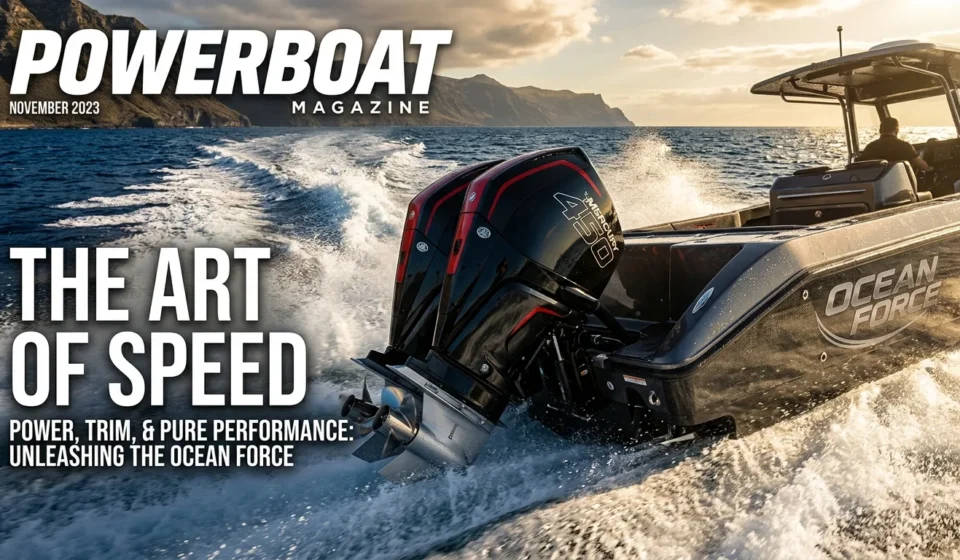
The general starting point for optimal trim settings is always to begin with your engine trimmed fully down (or almost fully down). As you accelerate, once you’re safely on plane, slowly begin to trim the engine up. You’ll notice several things: your RPMs might increase slightly, your speed will likely go up, and the bow of your boat will start to lift. Keep an eye on your wake – ideally, it should flatten out, and the “rooster tail” (the spray coming off the back of the engine) should become narrower and move further behind the boat.
Continue trimming up gradually until you feel the boat is running freely. At some point, you’ll reach a point where trimming up further starts to decrease speed, increases porpoising, or the propeller begins to ventilate (suck air), causing engine RPMs to suddenly jump without a corresponding increase in speed. That’s your cue to trim back down just a touch. The sweet spot is typically just before these negative effects begin. For many boats, the optimal rooster tail will be relatively low and far behind the boat, indicating the prop is driving efficiently through solid water.
Trimming for Different Conditions
The “sweet spot” isn’t a fixed setting; it changes with conditions. This is where the real skill comes in:
- Calm Water: You’ll generally want to trim up as much as possible without ventilation or porpoising. This minimizes wetted surface, maximizing boat speed and fuel efficiency.
- Chop/Waves: In rougher water, you’ll usually need to trim down slightly. This puts more of the bow into the water, cutting through waves more effectively, reducing pounding, and giving you better control. You might lose a little speed, but you’ll gain comfort and stability, which is far more important in these conditions.
- Hole Shot/Acceleration: When accelerating from a standstill (your “hole shot”), it’s often best to start with the engine trimmed fully down. This helps the boat get on plane quickly by pushing the bow down and providing maximum propeller bite. Once on plane, you can then trim out to your cruising sweet spot.
- Heavy Loads/Passengers: Extra weight, especially in the bow or stern, can significantly alter your boat’s attitude. If you have a heavy load in the bow, you might need to trim up more than usual. If the stern is heavy, you might need to trim down to prevent the bow from rising too high.
Here’s a quick reference table based on my experience:
| Condition | Recommended Trim Action | Expected Result |
|---|---|---|
| Accelerating / Hole Shot | Trim fully down | Faster planing, maximum prop bite |
| Calm Water Cruising | Trim up (slowly) until optimal | Increased speed, better fuel efficiency, minimal wake |
| Rough/Choppy Water | Trim down slightly | Smoother ride, better control, bow cuts waves |
| Porpoising (Bow bouncing) | Trim down slightly | Stabilizes bow, eliminates bounce |
| Propeller Ventilation | Trim down immediately | Re-engages prop, restores thrust |
Common Pitfalls & What to Watch Out For
While the benefits are clear, there are also common mistakes that boaters make when using power trim and tilt. Avoiding these can save you headaches, potential damage, and keep your boating experience positive. It’s not just about finding the right setting; it’s also about recognizing when things are going wrong.
The Perils of Over-Trimming
Over-trimming, or having the engine tilted too far up while underway, is a common issue. You’ll recognize it by a few tell-tale signs. The most obvious is the aforementioned “porpoising,” where the bow repeatedly lifts too high and then slaps back down. This is not only incredibly uncomfortable for passengers but also puts undue stress on your hull and can make the boat difficult to steer, potentially leading to a loss of control, especially at higher speeds. Another sign is propeller ventilation, where the prop loses its grip on the water, causing the engine to over-rev without increasing boat speed. This can quickly damage your engine and prop.
The Drawbacks of Under-Trimming
On the flip side, under-trimming means your engine is tucked too far down into the water. This causes the bow to dig in, effectively “plowing” through the water rather than gliding over it. The consequences are immediate: significantly reduced speed for a given RPM, a much larger wake, a very wet ride as the bow pushes water up and over, and, critically, very poor fuel economy. Your engine is working harder than it needs to, burning more fuel to achieve less speed. The boat will also feel sluggish and heavy to steer, making maneuvers less responsive.
What to Watch Out For
Beyond improper trim, you need to be mindful of a few other things. Always ensure your engine is trimmed down to a reasonable level before putting the boat in reverse; otherwise, the bow can rise excessively, causing your prop to ventilate and making docking difficult. Also, never tilt your engine completely up at high speeds; this is extremely dangerous and can lead to a loss of control. Regularly check your hydraulic fluid levels and hoses for your trim and tilt system. A system malfunction can leave you stranded or unable to adjust your boat’s attitude, which is a significant safety concern. I’ve seen more than one boater caught off guard by a failing trim system far from shore.
Beyond the Basics: Advanced Tips from an Old Salt
Once you’ve got the basics down, you might be surprised at how much more there is to learn. The relationship between your boat, engine, and water is a dynamic one, and understanding it more deeply can really elevate your boating skills. This is where experience truly shines, turning good boaters into great ones.
One aspect often overlooked is the synergy between power trim and your propeller choice. A propeller that’s not matched correctly to your boat and engine can make even perfect trimming feel off. For instance, a prop with too much pitch might make it hard to get on plane, forcing you to run with the engine trimmed too far down. Conversely, a prop with too little pitch might allow the engine to over-rev easily, making it difficult to find that efficient high-trim sweet spot. Experimenting with different props, or at least understanding the basics of propeller pitch and diameter, can significantly improve your boat’s overall performance and handling.
Another thing to consider, especially on larger powerboats, is the use of trim tabs in conjunction with engine trim. While engine trim adjusts the whole engine angle, trim tabs are adjustable plates on the transom that help fine-tune the lateral (side-to-side) and longitudinal (fore-and-aft) attitude of the hull independently. They can be incredibly useful for correcting list due to uneven weight distribution or for precisely adjusting the bow in choppy conditions without altering the engine angle too much. They’re a whole topic unto themselves, but know that they work *with* your engine trim, not in place of it, for truly refined control.
Finally, and this might sound a bit ethereal, but it’s crucial: listen to your boat. Pay attention to the sound of the engine, the feel of the steering, and the way the hull cuts through the water. Your boat will tell you when it’s happy and running efficiently. Any vibrations, unusual sounds, or changes in how the steering feels are all clues. Becoming attuned to these subtle signals is what truly distinguishes an accomplished boat operator. You’ll instinctively know when to make those micro-adjustments to the trim button without even looking at your gauges. That’s the mark of mastery.
Frequently Asked Questions
Can I use trim in reverse?
Generally, it’s best to have your engine trimmed fully down or close to it when going in reverse. Trimming up in reverse will cause the bow to rise significantly and the propeller to ventilate, making it very difficult to maneuver effectively.
Does trim affect steering?
Yes, absolutely. Trimming down helps the propeller get more bite in the water, which often translates to more responsive steering. Trimming too far up can reduce the propeller’s effectiveness, making steering feel lighter and less precise, and can even lead to prop blow-out in turns.
How often should I adjust trim?
You should adjust your trim constantly. Any change in speed, water conditions, wind, or even passenger movement warrants a quick trim adjustment. Think of it as a continuous, subtle interaction with your boat and the water.
There you have it – a comprehensive look at the often-underestimated power of trim and tilt. It’s a fundamental skill for any power boater, from the casual cruiser to the avid fisherman. Take the time to practice these techniques, experiment with your boat, and you’ll discover a whole new level of enjoyment, optimal performance, and fuel efficiency on the water. Happy boating, and I’ll see you out there, running smooth and steady!