


There’s nothing quite like the feeling of being out on the water, the sun on your face, and the endless horizon ahead. For many of us, it’s more than a hobby; it’s a way of life. But as passionate as we are about boating, we also carry a profound responsibility to protect the very environment that gives us so much joy. That’s where sustainable boating comes into play.
Table Of Content
- Powering Your Vessel Responsibly: Fuel & Engine Choices
- Keeping It Clean: Waste Management & Pollution Prevention
- Navigating with Care: Protecting Wildlife & Habitats
- Smart Maintenance & Eco-Friendly Products
- Common Mistakes Eco-Conscious Boaters Make
- What to Watch Out For: Greenwashing & Misinformation
- Frequently Asked Questions
- What is a “no-discharge zone”?
- Are all biodegradable cleaners safe for marine life?
- How often should I get an engine tune-up for efficiency?
- What’s the biggest impact I can make as a boater?
For decades, I’ve seen the incredible beauty of our oceans, lakes, and rivers, but I’ve also witnessed the impact our recreational pursuits can have. The good news is, making a difference isn’t complicated. It’s about adopting smarter practices, making conscious choices, and understanding how our actions ripple through the marine ecosystem. Let’s explore how you can become a true steward of the waters you love, ensuring they remain pristine for generations to come, right here on Sail & Power & Boats & Motor Yachts.
Powering Your Vessel Responsibly: Fuel & Engine Choices
The heart of most boats is its engine, and how we power it significantly impacts our environmental footprint. Modern engines are far more efficient than their predecessors, but even an older engine can be made more eco-friendly with a little care. Regular maintenance, for example, is non-negotiable. An engine that’s running smoothly and efficiently burns fuel more completely, reducing harmful emissions and improving your fuel economy. Honestly, it’s a win-win: better for your wallet and better for the planet.
Think about it: have you ever been behind a boat that leaves a tell-tale plume of smoke in its wake? I once saw a skipper whose engine smoke was thicker than London fog, and it made me cringe. That’s unburned fuel and excessive emissions polluting the air and settling on the water. Proper spark plug gaps, clean fuel filters, and correctly tuned carburetors or fuel injectors make all the difference. Don’t underestimate the power of a simple, regular tune-up. It truly is one of the easiest ways to embrace green boating tips.
Looking to the future, the marine industry is rapidly evolving with more sustainable power options. While a full electric or hybrid conversion might not be in everyone’s immediate plans, understanding these alternatives is key to making informed decisions for your next vessel. These technologies are continually improving in terms of range, power, and cost-effectiveness. Let’s take a quick look at how some common power choices stack up:
| Engine Type | Environmental Impact | Pros for Sustainability | Cons for Sustainability |
|---|---|---|---|
| Traditional Gasoline Outboard | Moderate to High | Newer models are more fuel-efficient and produce fewer emissions than older 2-strokes. | Relies on fossil fuels, contributes to air pollution and potential fuel spills. |
| Modern Diesel Inboard | Moderate | Generally more fuel-efficient than gasoline; diesel exhaust fluid (DEF) can reduce NOx. | Still burns fossil fuels; potential for oil spills; exhaust can contain particulates. |
| Electric Propulsion (Outboard/Inboard) | Very Low (zero at point of use) | Zero emissions on the water, quiet operation, no fuel spills. | Battery production and disposal have environmental costs; charging often uses grid electricity. |
| Hybrid Systems | Low to Moderate | Combines electric and fossil fuel power for efficiency and reduced emissions. | Complex systems, still partially reliant on fossil fuels. |
But what if your budget doesn’t stretch to a new electric setup? Focus on optimizing your existing engine. Ensure your propeller is free of barnacles and dings; a smooth prop significantly boosts efficiency. Consider running at optimal cruising speeds, which often isn’t wide open throttle. Every little bit of fuel saved is a reduction in your environmental impact on the water.
Keeping It Clean: Waste Management & Pollution Prevention
The saying “leave no trace” applies even more rigorously on the water. What goes overboard doesn’t just disappear; it becomes part of the marine environment. This section is all about thoughtful waste management and being vigilant about preventing pollution. It’s perhaps the most direct way we can practice marine conservation.
Let’s talk about the bilge. This is where stray oil, fuel, and other fluids can collect. It’s absolutely critical to prevent these from being pumped overboard. Keep oil-absorbent pads in your bilge and check them regularly. They’re cheap, effective, and save a lot of heartache and potential fines. As a broker, I’ve seen enough bilges to tell you that a clean bilge isn’t just a sign of a well-maintained boat; it’s a sign of a responsible owner. Any discharge of oil or oily mixtures into the water is illegal and harmful.
Sewage is another big one. Most boats today come equipped with holding tanks, and using them is paramount. Familiarize yourself with local regulations regarding no-discharge zones, where it’s illegal to discharge treated or untreated sewage. Always use designated pump-out stations. If you’re cruising in international waters, different rules apply, but the best practice is always to hold your waste until you can dispose of it properly. Remember, marine toilets use powerful chemicals that can be damaging, so reducing their use or opting for more natural alternatives is also a thoughtful step.
And then there’s trash. It seems obvious, but marine debris is a monumental problem. Minimize single-use plastics onboard. Bring reusable water bottles, coffee cups, and food containers. For example, imagine this situation: you’re enjoying a beautiful sunset cruise, and a plastic bag blows off your deck. That bag could end up choking a sea turtle or breaking down into microplastics that enter the food chain. So, secure your trash, bring it back to shore, and dispose of it properly in recycling or waste bins. Every piece of litter prevented from entering the water is a victory for responsible boating.
When it comes to cleaning your boat, the products you use make a huge difference. Traditional cleaners are often packed with phosphates, ammonia, and other chemicals that are toxic to marine life. Shift to biodegradable, phosphate-free, and non-toxic cleaners. Many excellent eco-friendly options are now available that clean just as effectively without harming the environment. Here’s a quick list of ingredients to look for and avoid:
- Look For: Plant-based surfactants, vinegar, baking soda, essential oils, citrus extracts, natural enzymes.
- Avoid: Phosphates, chlorine bleach, ammonia, strong acids/alkalines, petroleum distillates, synthetic fragrances.
Navigating with Care: Protecting Wildlife & Habitats
Part of the magic of boating is encountering marine wildlife in their natural habitat. From playful dolphins to majestic whales, seeing these creatures is a privilege. But it’s a privilege that comes with the responsibility to protect them and their homes. Our interaction with the marine environment must be gentle and respectful. This means being mindful of where and how we operate our vessels.
Anchoring is a prime example. Dropping anchor onto sensitive habitats like coral reefs or seagrass beds can cause irreparable damage. These ecosystems are vital nurseries for countless species and act as natural filters for the ocean. Always try to anchor in sandy areas. Use a sufficient length of chain and scope to ensure your anchor holds without dragging, which can also churn up the seabed. If you’re unsure, consider using moorings where available – they’re designed for minimal impact. I’ve seen beautiful reefs decimated by careless anchoring; it’s a stark reminder of our power to harm or protect.
Speed and wake also play a significant role. Excessive speed, especially in shallow waters or near shorelines, can erode banks, disturb wildlife, and damage sensitive aquatic vegetation. Always observe designated wake zones and speed limits. A large wake can also be dangerous for smaller boats or people in the water. Keep a keen eye out for marine mammals, especially in known breeding or feeding grounds. Maintain a respectful distance, avoid directly approaching them, and never, ever chase or harass wildlife. Teach your crew and guests the importance of these practices too; it’s a collective effort for clean boating.
Finally, let’s talk about preventing the spread of invasive species. These are non-native plants or animals that can outcompete native species and disrupt entire ecosystems. They often hitch rides on our hulls, propellers, or fishing gear. Always clean your hull, propeller, and trailer thoroughly after leaving a body of water, especially if you’re moving your boat to a new location. A good scrub and rinse with fresh water can prevent an ecological disaster. It’s a simple step, but incredibly effective in practicing sustainable boating.
Smart Maintenance & Eco-Friendly Products
Effective boat maintenance isn’t just about keeping your vessel looking good or running well; it’s a cornerstone of eco-friendly boating. The choices we make in products and practices during maintenance can significantly reduce our environmental footprint. This is where deep expertise and careful selection truly pay off, not just for the environment, but for the longevity of your boat.
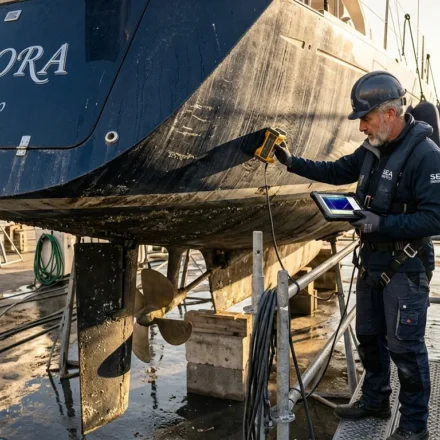
Let’s dive into hull cleaning. A clean hull means less drag, which translates directly to better fuel efficiency. But how you clean it matters. Avoid harsh chemical cleaners and abrasive scrubbing that can release micro-plastics or toxins into the water. Instead, opt for regular, gentle cleaning with soft brushes and biodegradable soaps. For antifouling, which prevents marine growth, the industry has come a long way. Traditional copper-based paints, while effective, release copper into the water, which can be toxic to some marine organisms. Newer, more environmentally friendly options include copper-free antifouling paints, silicone-based foul-release coatings, or even ultrasonic systems. Based on my experience, these newer coatings are a game-changer for those committed to reducing their marine impact without sacrificing performance. While they might be a higher initial investment, their long-term benefits for the environment and potentially reduced haul-out intervals can make them worthwhile.
When it comes to engine and hydraulic fluids, consider using biodegradable options where appropriate. Bio-based engine oils and hydraulic fluids are becoming more accessible and offer a viable alternative to petroleum-based products. While they might not be suitable for every application or engine type, exploring these options with your marine mechanic can lead to significant reductions in potential environmental harm should a leak or spill occur. Also, when changing oils or other fluids, always collect them in proper containers and take them to a designated recycling center. Never, under any circumstances, dispose of them in regular trash or, heaven forbid, into the water. Every drop counts, and proper disposal is a fundamental aspect of pollution prevention.
Common Mistakes Eco-Conscious Boaters Make
Even with the best intentions, it’s easy to fall into certain traps that undermine our efforts to be more sustainable on the water. Recognizing these common missteps is the first step toward correcting them and truly embracing responsible boating. Sometimes, it’s the little things that add up, and other times, it’s a misunderstanding of what “eco-friendly” truly means.
One common mistake is an over-reliance on vague “green” labels without checking the actual ingredients or certifications. Many products claim to be eco-friendly, but some still contain harmful chemicals in smaller quantities or use misleading marketing terms. Always read the fine print and look for credible third-party certifications if available. Another frequent oversight is ignoring small leaks. A drip of oil here, a tiny fuel sheen there—these might seem insignificant individually, but cumulatively, they contribute substantially to marine pollution. Regular checks of your engine, hoses, and fuel lines can catch these issues before they become larger problems. Small leaks left unattended also tend to become big, costly leaks, so vigilance pays off twice over.
Another pitfall is improper disposal of fishing line and lures. Monofilament line, in particular, can persist in the environment for hundreds of years, entangling wildlife and damaging propellers. Always cut fishing line into small pieces and dispose of it in designated recycling bins, or at least in regular trash, securely. Similarly, be mindful of where you flush your holding tank. Even if you’re in an area that permits discharge, consider if a pump-out station is nearby. To be fair, convenience often tempts us, but a short detour to a pump-out facility makes a real difference. Lastly, many boaters forget to educate their guests or crew about sustainable practices. A quick briefing on waste disposal, no-discharge zones, and wildlife etiquette can transform every trip into a shared lesson in marine conservation.
What to Watch Out For: Greenwashing & Misinformation
In our quest for sustainable boating, we’re sometimes bombarded with products and claims that aren’t quite what they seem. This phenomenon, known as “greenwashing,” is when companies market their products as environmentally friendly without truly having sustainable practices or ingredients. It’s frustrating, and it can make it hard to choose genuine eco-friendly options. So, how do you navigate this murky water?
Always be a critical consumer. If a product boasts vague terms like “all-natural” or “earth-friendly” without listing specific ingredients or third-party certifications, be skeptical. A truly eco-conscious company will be transparent about what goes into their products and how they meet environmental standards. Look for certifications from recognized environmental organizations. Don’t be swayed by clever packaging or catchy slogans alone. This extends beyond cleaning products to everything from fuels to boat materials. Do your homework. Research the brand’s overall commitment to sustainability, not just a single product claim. Sometimes, the truly eco-friendly choice isn’t the flashy new item, but simply reducing your consumption or reusing what you already have.
Misinformation can also stem from unproven gadgets or anecdotal evidence. There are many well-intentioned ideas out there, but not all of them are scientifically sound or effective. For instance, some devices claim to dramatically reduce fuel consumption or eliminate marine growth through unproven technologies. While innovation is fantastic, always seek out credible reviews, scientific studies, and established marine industry endorsements before investing. Trust your instincts, but verify with solid data. In my opinion, it’s always better to stick to proven methods and products that have a track record of genuine environmental benefit. Why take a risk with our precious marine environment when reliable, truly eco-friendly boating solutions are readily available?
Frequently Asked Questions
What is a “no-discharge zone”?
A no-discharge zone (NDZ) is an area of water where the discharge of any treated or untreated sewage from vessels is prohibited. These zones are established to protect sensitive aquatic ecosystems and public health. Always use pump-out stations when in an NDZ.
Are all biodegradable cleaners safe for marine life?
Not necessarily. While “biodegradable” means a product will break down naturally, some ingredients, even if biodegradable, can still be toxic to marine life during the breakdown process. Look for products specifically labeled “marine safe” or “non-toxic to aquatic life” and check their ingredient list for harmful chemicals.
How often should I get an engine tune-up for efficiency?
The frequency depends on your engine type, usage, and manufacturer recommendations. Generally, a tune-up should be performed annually or every 100 hours of operation, whichever comes first. Regular maintenance ensures optimal fuel efficiency and reduces harmful emissions, making it a key green boating tip.
What’s the biggest impact I can make as a boater?
The single biggest impact you can make is to prevent any form of pollution from entering the water. This includes properly managing sewage and trash, preventing fuel/oil spills, using eco-friendly cleaning products, and making conscious choices about anchoring to protect fragile habitats. Every boater’s consistent effort contributes significantly.
Embracing sustainable boating isn’t just a trend; it’s a fundamental shift in how we approach our passion. It’s about respecting the environment that gives us so much joy and ensuring that the crystal-clear waters, vibrant marine life, and serene horizons remain for future generations of boaters. Each tip we’ve discussed, from smart engine maintenance to thoughtful waste disposal and careful navigation, represents a conscious choice to protect our planet’s most precious resource. So, let’s all commit to being better stewards of the water. Happy, and green, boating!