


The Dream vs. The Reality: Your Yacht’s Financial Wake
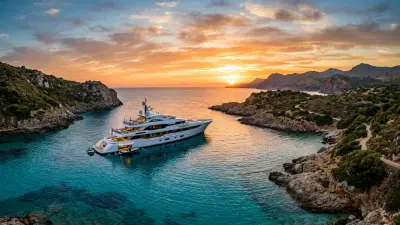
You’ve seen them, haven’t you? Gliding across azure waters, shimmering under the Mediterranean sun, or pulling into a glamorous marina. The luxury yacht. It’s the ultimate symbol of freedom, adventure, and perhaps, a life well-lived. Many of us, myself included, have spent countless hours poring over specifications, dreaming of that perfect vessel. You budget for the purchase price, perhaps a hefty sum, and you think you’ve got it covered. But honestly, as a veteran of this industry, I can tell you that the purchase price is often just the admission ticket to a much larger, ongoing financial commitment. It’s not just about buying the boat; it’s about sustaining the dream.
Table Of Content
- The Dream vs. The Reality: Your Yacht’s Financial Wake
- The Hidden Layers of Initial Investment: Depreciation & Financing
- The Depreciation Dive
- Financing: The Interest Meter Ticks
- Keeping Her Shipshape: Maintenance, Repairs & Upgrades
- Annual Haul-Outs & Bottom Jobs
- Engine & Systems Service
- Aesthetic Maintenance & Unexpected Repairs
- The Human Element: Crew Costs
- Salaries & Benefits
- Crew Training & Logistics
- Where She Rests & What Fuels Her: Dockage, Fuel & Utilities
- Dockage & Marina Fees
- Fuel Consumption
- Protecting Your Investment: Insurance & Regulatory Compliance
- Insurance Premiums
- Regulatory & Administrative Fees
- The Journey is the Reward, But Plan for the Voyage
Today, we’re going to pull back the curtain on what it really costs to own a luxury yacht. We’ll go beyond the initial sticker price and explore the various expenditures that accumulate over time. Think of this as your practical guide to understanding the comprehensive financial picture, ensuring your yachting adventure remains a joy, not a burden. Because truly, there’s nothing quite like the open water, but enjoying it requires foresight and a realistic budget.
The Hidden Layers of Initial Investment: Depreciation & Financing
Before we even get to the ongoing costs, let’s acknowledge a couple of significant financial realities right off the bat. When you buy a luxury yacht, especially a new one, you’re immediately looking at two major factors that often get overlooked in the excitement: depreciation and financing costs.
The Depreciation Dive
Just like a new car, a new yacht begins to depreciate the moment it leaves the dealership or shipyard. While some high-end, custom-built vessels might hold their value better, for most production luxury yachts, you can expect a significant drop in value within the first few years. This isn’t a cash outflow per se, but it’s a very real reduction in your asset’s net worth. It’s crucial to factor this into your long-term financial planning. How much? It varies wildly, but generally, expect to lose 10-20% in the first year alone, sometimes more.
Financing: The Interest Meter Ticks
Unless you’re paying cash outright – and many owners choose not to, even if they can – you’ll likely be financing a substantial portion of your yacht’s purchase price. This means interest payments. Over the life of a multi-million-dollar loan, these payments can add up to hundreds of thousands, if not millions, of dollars. Beyond the interest, there are also loan origination fees, appraisal fees, and other associated banking costs. It’s a significant ongoing expense that often gets lumped into the “purchase price” but continues long after the papers are signed.
Keeping Her Shipshape: Maintenance, Repairs & Upgrades
This is where the bulk of your annual expenditure will often lie. A luxury yacht is a complex machine, a floating palace filled with intricate systems, delicate finishes, and powerful engines. Keeping it in pristine condition, safe, and operational demands constant attention and significant investment. In my opinion, this is the most underestimated category by new owners.
Annual Haul-Outs & Bottom Jobs
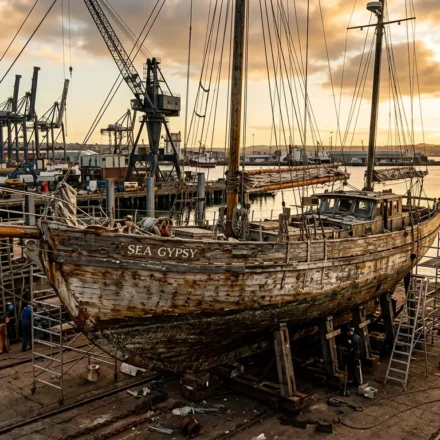
Every 12 to 18 months, your yacht will need to be hauled out of the water. This is non-negotiable. Why? For a bottom job. This involves cleaning the hull, inspecting the running gear (props, shafts, rudders), zinc replacement, and applying fresh antifouling paint. This specialized paint prevents marine growth from attaching to the hull, which would otherwise slow the boat down and increase fuel consumption. Depending on the yacht’s size, this alone can easily run into tens of thousands of dollars, sometimes much more for larger vessels.
Engine & Systems Service
Just like your car, your yacht’s engines, generators, and countless other mechanical systems (AC, watermakers, hydraulic platforms, navigation electronics) require regular servicing. Think oil changes, filter replacements, fluid checks, and diagnostic scans. Neglecting these can lead to costly breakdowns. For example, imagine this situation: you’re cruising through a remote part of the Caribbean, miles from the nearest service yard, and a main engine goes down due to neglected maintenance. The cost of a tow, parts flown in, and emergency labor will dwarf any preventative service bill. Regular maintenance is an investment in reliability and safety.
Aesthetic Maintenance & Unexpected Repairs
Luxury yachts are known for their gleaming finishes – polished stainless steel, varnished teak, impeccably clean interiors. Maintaining these aesthetics requires regular attention. Teak decking needs cleaning and sometimes sanding/re-sealing. Brightwork requires constant varnishing. Interiors need professional cleaning. And then there are the inevitable, unexpected repairs. A sensor fails, a pump breaks, a piece of sophisticated electronics malfunctions. These aren’t small fixes; they often involve specialized marine technicians, expensive parts, and sometimes, a dry dock stay. It’s wise to budget a significant contingency fund for these unplanned events, often 1-2% of the yacht’s value annually just for maintenance and repairs.
The Human Element: Crew Costs
So far we’ve covered the physical upkeep. Now let’s get to the really critical point for larger luxury yachts: the people who make it all happen. For any yacht over, say, 70-80 feet, a professional crew becomes not just a luxury, but a necessity for safe operation, proper maintenance, and providing the ultimate owner experience. This is by far one of the largest ongoing expenses.
Salaries & Benefits
A typical crew for a luxury yacht might include a Captain, First Mate, Engineer, Chef, and several Stewards/Stewardesses. Each role is highly specialized and requires certified professionals. Their salaries are substantial, reflecting their skills, experience, and the demanding nature of their work. Beyond their base pay, you’re responsible for crew benefits, which can include health insurance, pension contributions, food allowances, uniforms, and travel expenses for rotations or when joining/leaving the vessel. A smaller yacht might only need a captain and a mate, but for a superyacht, you could be looking at a dozen or more crew members.
Crew Training & Logistics
Crews also require ongoing training and certifications to comply with international maritime regulations (STCW, medicals, various licenses). These costs, while sometimes covered by the crew member, are often supported by the owner to ensure the highest standards of safety and professionalism. There are also logistics involved in crew changes, visa applications, and travel arrangements. This isn’t a static cost; it fluctuates based on the crew’s experience, the yacht’s flag state, and the cruising itinerary. This can easily run into hundreds of thousands of dollars annually, sometimes millions for larger vessels with extensive crews.
Where She Rests & What Fuels Her: Dockage, Fuel & Utilities
Your yacht can’t just float anywhere indefinitely, and she certainly doesn’t run on good intentions. The costs associated with her location and her propulsion are significant and continuous.
Dockage & Marina Fees
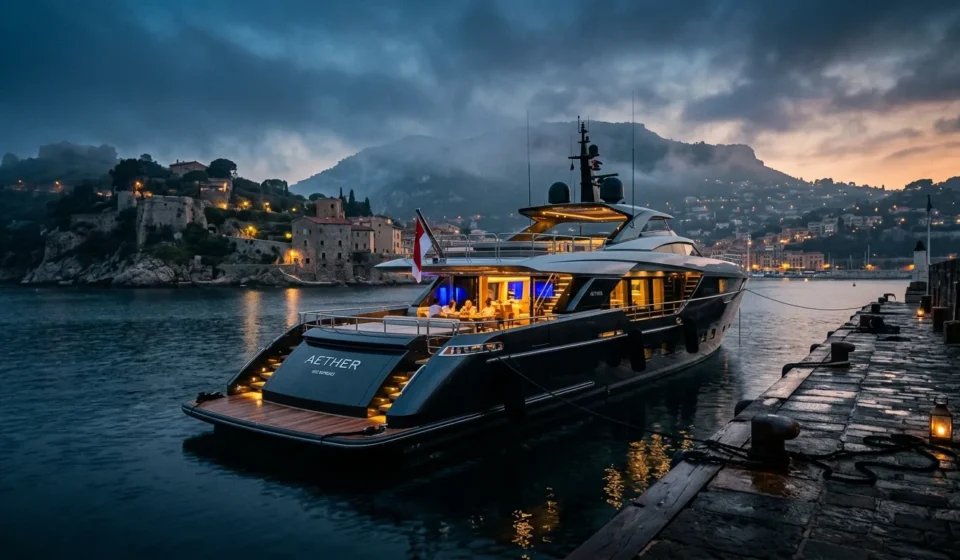
Finding a secure, reputable place to moor your luxury yacht is paramount. Marina fees vary dramatically based on location (think Monaco vs. a quiet Caribbean island), the season, and the yacht’s length. A prime berth in a popular Mediterranean port during peak summer can cost thousands of dollars per night. Annual dockage in a desirable location can easily run into six figures. Even winter storage, whether wet or dry, incurs substantial costs. These fees also often include shore power, water, and sometimes internet access, but these are still part of the overall cost package.
Fuel Consumption
Luxury yachts, especially motor yachts, have powerful engines designed for speed and range. These engines are thirsty. Very thirsty. Fuel is a massive variable cost, directly proportional to how much you use the boat. A day cruise on a large motor yacht can easily burn through hundreds or even thousands of gallons of diesel. Planning a transatlantic crossing or extensive island hopping? Your fuel bill will be astronomical. For Sail & Power & Boats & Motor Yachts readers, this is a critical consideration – a sailboat’s fuel costs will be much lower, but a large motor yacht’s can dominate the budget when underway. It’s not uncommon for fuel costs to be one of the top three operational expenses.
Protecting Your Investment: Insurance & Regulatory Compliance
No responsible yacht owner would operate without comprehensive insurance, and the maritime world is also heavily regulated, leading to a host of administrative and compliance costs.
Insurance Premiums
Insuring a luxury yacht is a specialized and costly affair. You’re looking at policies that cover the hull and machinery (H&M) against damage, as well as Protection & Indemnity (P&I) insurance, which covers third-party liabilities (e.g., collisions, environmental damage, crew injuries). Premiums are determined by the yacht’s value, size, age, cruising grounds, flag state, and the experience of the captain/crew. For a multi-million-dollar vessel, annual premiums can range from 0.5% to 1.5% of the yacht’s insured value, which is a considerable sum each year.
Regulatory & Administrative Fees
Owning a yacht means navigating a sea of regulations. You’ll have annual registration fees with your chosen flag state, potentially port entry and exit fees, cruising permits for different countries, and customs duties. For yachts engaging in commercial charter, the regulatory burden and associated costs become even more complex, requiring additional surveys, certifications, and compliance with specific charter legislation. And let’s not forget the ever-present taxman. Depending on where you buy, register, and operate your yacht, you could be liable for VAT, luxury taxes, import duties, and other local levies. These aren’t just one-off payments; many are annual or recurring, adding another layer to the true cost of ownership.
The Journey is the Reward, But Plan for the Voyage
There’s no sugarcoating it: owning a luxury yacht is an expensive endeavor. From the moment you sign the papers, a new cascade of financial responsibilities begins. Between depreciation, financing, relentless maintenance, the essential crew, the substantial dockage and fuel bills, and the critical insurance and regulatory compliance, the annual running costs can easily amount to 10-15% of the yacht’s initial purchase price – sometimes more for older vessels or those requiring significant refits. So, a $10 million yacht could cost you $1 million to $1.5 million per year just to keep afloat and operational.
However, let me add something here: for many owners, the unparalleled experiences, the freedom, the privacy, and the sheer joy of yachting are priceless. The memories created with family and friends on the open water are truly invaluable. My advice? Go into this with your eyes wide open. Do your research, consult with experienced yacht brokers like us at Boat & Sailboat, and create a realistic budget that accounts for these ongoing costs. That way, your dream of luxury yacht ownership will remain just that – a dream come true, rather than a financial nightmare. Happy sailing!