

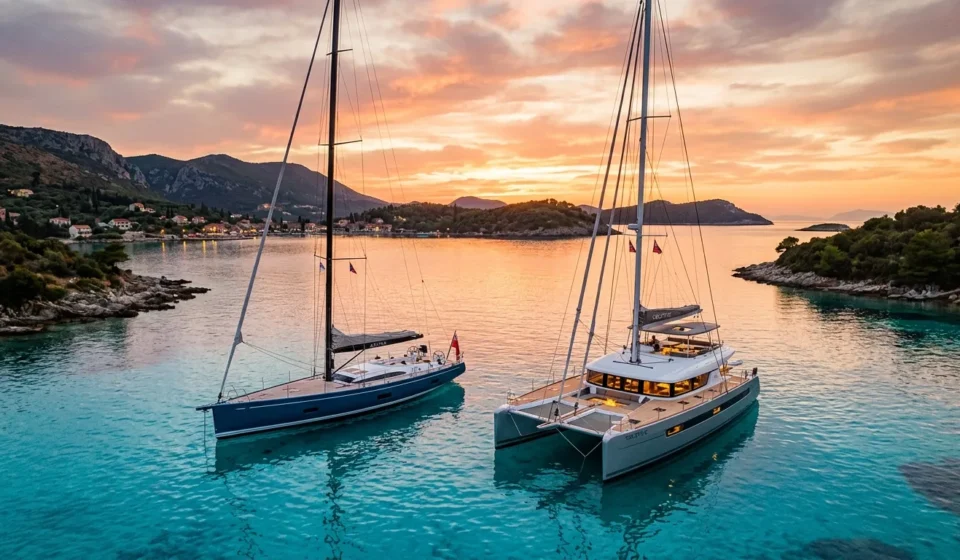

The allure of the open water, the promise of sun-drenched anchorages, and the profound freedom of life aboard a vessel are dreams many of us share. As an old salt who’s navigated these waters for decades, both literally and figuratively, I can tell you that few decisions in a boater’s journey are as pivotal as choosing between a monohull and a catamaran. This isn’t just about fiberglass and rigging; it’s about defining your entire cruising experience, your comfort, your destinations, and ultimately, your joy on the water. Forget the glossy brochures for a moment. What truly matters is how a vessel’s fundamental design aligns with your personal vision of cruising. Are you drawn to the traditional romance of heeling under sail, or does the prospect of a stable, spacious platform for living aboard call to you more strongly? Let’s chart a course through this age-old debate, exploring the unique character of each type of vessel to help you identify your ideal cruising companion.
Table Of Content
- The Monohull: Timeless Tradition and Seaworthy Performance
- The Catamaran: Modern Comfort and Expansive Horizons
- Key Considerations for Your Cruising Style
- Comfort and Living Space
- Performance and Sailing Experience
- Anchoring, Accessibility, and Marina Life
- Budget and Ownership Costs
- Safety and Seaworthiness
- Charting Your Course: Making the Right Choice
- Actionable Steps to Your Ideal Vessel
The Monohull: Timeless Tradition and Seaworthy Performance
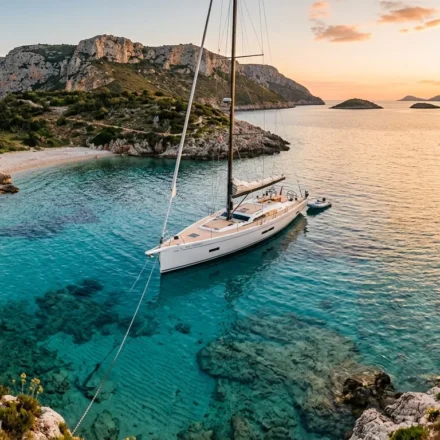
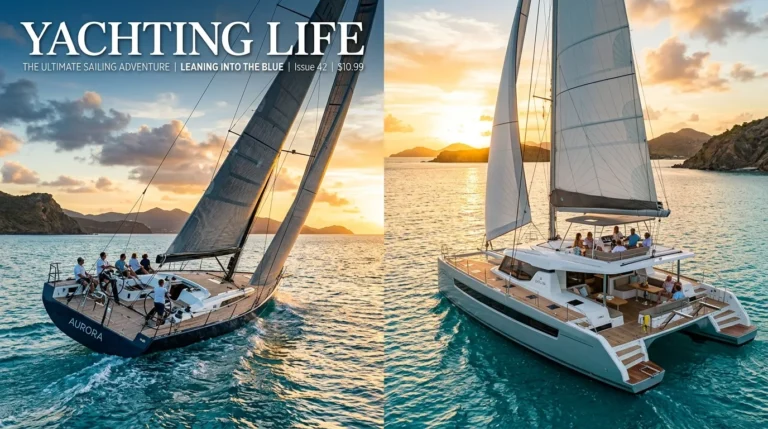
For many, the monohull represents the quintessential image of a boat, a direct link to centuries of maritime history and exploration. With its single, elegant hull cutting through the waves, there’s an undeniable romance and a deeply satisfying connection to the sea. The way a monohull leans into the wind, or “heels,” feeling the power of the sails translate into forward motion, is a sensation that countless sailors cherish. This characteristic lean is not just aesthetic; it’s fundamental to its performance and how it interacts with the ocean.
From a sailing perspective, monohulls often excel in their ability to point high into the wind, making efficient progress when sailing upwind. Their deeper keels, designed to provide lateral resistance and house ballast, allow them to grip the water, reducing leeway and keeping them on course. This design also contributes to their often more comfortable motion in heavy seas, as a monohull tends to cut through waves rather than bounce over them. Offshore sailors frequently appreciate this predictable rhythm, which can be less fatiguing over long passages. I’ve sailed many a stormy night on a well-designed monohull, confident in its ability to handle what the ocean threw at us.
However, that same classic lean, while exhilarating for some, can be a significant drawback for others. For those prone to seasickness or families with young children, a continually tilting platform can quickly diminish the pleasure of cruising. Interior space, though often cleverly designed and appointed, is inherently more constrained by the tapering hull shape. Cabins typically offer less headroom and volume compared to a catamaran of similar length. On the flip side, their narrower beam can be an advantage when it comes to marina fees, which are often charged by the foot, making monohulls potentially more economical to berth in some popular cruising grounds.
The Catamaran: Modern Comfort and Expansive Horizons
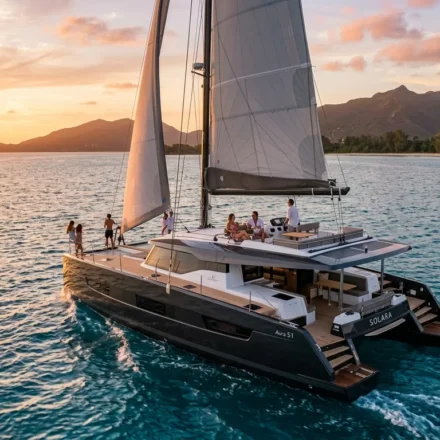
The catamaran, with its two parallel hulls, has been a true game-changer in the world of modern cruising, particularly over the last few decades. Its design philosophy prioritizes space, stability, and often, speed, appealing to a broad spectrum of cruisers seeking a different kind of experience. Step aboard a 40-foot cruising catamaran, and the sheer volume and open feel of the saloon are immediately apparent. With panoramic views and generous headroom, it often feels more akin to a modern apartment than a traditional boat – a huge draw for families, entertaining guests, or those planning to live aboard.
The stability of a catamaran is arguably its most celebrated feature. Imagine enjoying dinner at anchor in a picturesque cove, and the boat barely moves. There’s no significant heeling under sail and minimal rolling at anchor, providing a rock-solid platform for cooking, sleeping, and generally living aboard. This unparalleled stability has converted many hesitant partners and first-time boaters into enthusiastic cruisers, transforming what might have been an uncomfortable experience into pure enjoyment. I’ve personally witnessed countless individuals discover their love for the water once they experienced the calm, steady embrace of a cat.
Catamarans also boast a shallow draft, thanks to their twin hulls and often mini-keels or retractable daggerboards. This allows them to venture into incredibly shallow anchorages, often getting closer to those pristine beaches and secluded coves that monohulls can only dream of reaching. While generally faster on a broad reach or downwind, their wider beam and greater windage can make sailing directly upwind less efficient than a monohull, sometimes requiring motor assistance in lighter air. However, with twin engines, maneuvering in tight marina spaces is often surprisingly agile, as you can pivot the boat within its own length using differential thrust.
Key Considerations for Your Cruising Style
Now that we’ve outlined the fundamental characteristics of each vessel, it’s time to delve into the practicalities and match these traits to your personal cruising style. This is where honest self-assessment becomes paramount – what truly matters to you on the water?
Comfort and Living Space
If comfort, privacy, and expansive living areas are at the top of your list, especially for longer trips or if you envision living aboard, a catamaran often takes the lead. The separation of sleeping quarters, with cabins typically located in each hull, offers unparalleled privacy for multiple couples or families. The large bridgedeck saloon becomes a fantastic communal space, often with a galley that rivals those found in homes. Monohulls, while cozy and efficient, simply cannot compete with the sheer volume and the ability to spread out that a catamaran offers. For example, a 45-foot catamaran might offer over 1,000 square feet of usable living space, significantly more than a monohull of similar length.
Performance and Sailing Experience
Are you a sailor who loves to trim the sails, feel the boat respond to every gust, and push her limits? A monohull, particularly a performance-oriented design, will likely satisfy that itch more completely. The feedback through the helm, the visceral sensation of heeling, and the ability to point high into the wind are deeply rewarding for traditionalists and racing enthusiasts. Monohulls generally provide a more “connected” feel to the elements. Catamarans, while often faster overall in certain conditions (especially off-the-wind), offer a different kind of sailing. They sail flat, which is comfortable, but some experienced sailors miss the tactile feedback and the challenge of managing heel. When sailing upwind, a catamaran’s wider stance and greater windage can result in more leeway and less efficient progress, sometimes requiring tacking through wider angles or motoring directly into it.
Anchoring, Accessibility, and Marina Life
The shallow draft of most cruising catamarans opens up a world of possibilities for anchoring. You can often drop anchor in pristine, secluded spots that are completely inaccessible to deeper-drafting monohulls. This access to “skinny water” allows for unparalleled exploration of coves, rivers, and remote beaches. However, that wide beam can become a challenge in crowded marinas, especially in older European ports where slips were designed for narrower monohulls. Dockage fees, often calculated by length *and* beam, can also be significantly higher for catamarans. Monohulls, with their narrower profiles, tend to be easier to find slips for and often incur lower docking costs.
Budget and Ownership Costs
While specific models vary wildly, catamarans generally command a higher purchase price than monohulls of comparable length. Beyond the initial outlay, ownership costs for catamarans can also be higher. You have two engines to maintain, two sets of running gear (props, shafts/saildrives), potentially more heads, more through-hulls, and simply more surface area to clean and maintain. Insurance premiums can also be higher due to the larger replacement cost and perceived higher risk in some areas, though this varies. Haul-out costs for maintenance can be more expensive as well, requiring wider travel lifts or specialized facilities. Monohulls, with their simpler systems (typically one engine), generally present lower maintenance and repair bills, though a deep keel can sometimes make haul-out and blocking more complex.
| Feature | Monohull | Catamaran |
|---|---|---|
| Stability at Anchor | Prone to rolling in beam seas/wakes | Very stable, minimal rolling |
| Living Space (Volume) | More constrained, tapering hull forms | Expansive, apartment-like saloon, spacious cabins |
| Upwind Performance | Generally superior (points higher, less leeway) | Less efficient (wider tacking angles, more leeway) |
| Heeling Under Sail | Significant heeling (part of the sailing experience) | Sails very flat, minimal heeling |
| Shallow Water Access | Deeper draft limits access to coves | Shallow draft allows access to remote beaches/coves |
| Initial Purchase Cost | Generally lower for comparable length | Generally higher for comparable length |
| Dockage & Marina Fees | Narrower beam, often lower fees, easier to find slips | Wider beam, potentially higher fees, harder to find slips |
| Maintenance Complexity | Simpler (one engine, fewer systems) | More complex (two engines, more systems) |
| Maneuverability in Marinas | Single engine can be challenging in tight spots | Twin engines offer excellent close-quarters maneuverability |
Safety and Seaworthiness
Both vessel types are incredibly seaworthy when well-designed and properly maintained, but they handle severe conditions differently. A monohull’s heavy keel provides a self-righting capability; if knocked down, it will typically recover. This inherent stability gives many offshore sailors a profound sense of security. Catamarans, on the other hand, are inherently stable due to their wide stance and generally won’t heel past a certain point. However, if a catamaran does capsize (a rare but not impossible event in extreme conditions), it is very difficult, if not impossible, to right at sea. The key, as with any vessel, lies in good seamanship, careful weather planning, and ensuring your boat is properly equipped for the conditions you intend to face.
Charting Your Course: Making the Right Choice
Ultimately, there is no single “best” answer in the monohull vs. catamaran debate. The right choice is deeply personal and depends entirely on your cruising aspirations, your crew, your budget, and your tolerance for certain characteristics. I’ve seen families thrive on spacious catamarans, and I’ve watched solo sailors find profound satisfaction in the intimate connection a monohull offers. It’s not about which boat is inherently superior, but which vessel is the superior match for you.
Actionable Steps to Your Ideal Vessel
Before making a commitment, here are some practical steps to help you solidify your decision:
- Charter Both Types: This is by far the most valuable step. Spend a week or two living aboard both a monohull and a catamaran in the conditions you expect to cruise. Pay attention to how you feel at anchor, under sail, and in the galley. Observe your crew’s reactions.
- Talk to Owners: Seek out current owners of both monohulls and catamarans. Ask them about their experiences, the pros and cons they’ve encountered, and what they might do differently next time. Online forums and yacht clubs are excellent resources for this.
- List Your Priorities: Be brutally honest with yourself. Is stability for your partner non-negotiable? Is performance sailing your absolute passion? Do you need privacy for multiple guests, or are you primarily cruising as a couple? Rank your top three to five priorities.
- Consider Your Cruising Grounds: Will you be primarily island hopping in shallow Caribbean waters, or embarking on transoceanic passages? Your intended cruising area can heavily influence the optimal choice.
- Factor in Long-Term Costs: Look beyond the purchase price. Get quotes for insurance, estimate maintenance for two engines versus one, and inquire about dockage rates in your desired cruising locations for both beam types.
Having witnessed thousands of boat purchases over my career, I’ve learned that the most satisfied boat owners are those who chose their vessel not based on what others said was “best,” but on what genuinely resonated with their personal vision of life afloat. Whether you ultimately choose the graceful heel of a monohull or the sprawling comfort of a catamaran, the goal remains the same: to maximize your enjoyment and create unforgettable memories on the water. Happy cruising!