


The Allure of Pre-Owned: Why Used Boats Make Financial Sense
For many aspiring boat owners, the dream of cruising the open water or finding that perfect fishing spot often bumps up against the reality of a new vessel’s price tag. This is precisely why the pre-owned boat market continues to thrive, offering an incredible gateway to maritime adventures. As someone who has spent decades helping clients navigate these waters, I can tell you that a well-chosen used boat isn’t just a compromise; it’s often a smart, strategic investment that gets you afloat faster and for less.
Table Of Content
- The Allure of Pre-Owned: Why Used Boats Make Financial Sense
- Decoding Marine Finance: Rates, Terms, and the Lending Landscape
- Interest Rates for Used Boats
- Loan Terms: Finding Your Horizon
- Types of Lenders
- Navigating Qualification: What Lenders Look For in 2026
- Your Credit Profile: The Anchor of Approval
- The Vessel Itself: A Key Collateral
- Down Payments: Showing Your Commitment
- Required Documentation
- Overcoming Hurdles and Smart Strategies for Used Boat Loans
- Financing with Less-Than-Perfect Credit
- The Indispensable Marine Survey
- Budgeting Beyond the Loan Payment
- The Role of a Yacht Broker
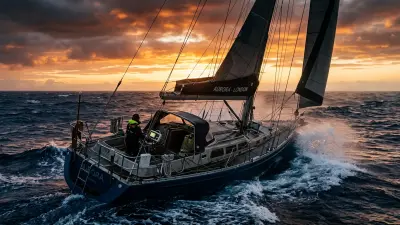
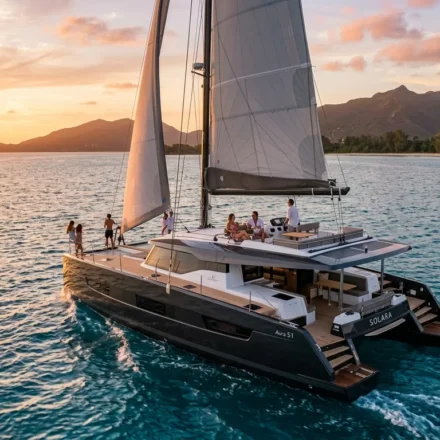
The immediate advantage of a used boat is its depreciation curve. Much like cars, boats experience their steepest depreciation in their first few years. By opting for a pre-owned vessel, you bypass this initial hit, allowing your investment to hold its value more effectively over time. Plus, the sheer variety available in the used market is astounding, from classic sailboats that have stood the test of time to meticulously maintained powerboats ready for their next adventure. You’re not just buying a boat; you’re often buying a piece of history or a proven design that has already delighted another owner.
In 2026, the market for pre-owned vessels remains robust, influenced by a blend of economic stability and a continued passion for water-based recreation. Interest rates, while subject to global economic trends, are generally favorable for those with strong credit, making it an opportune time to explore financing options. Furthermore, the emphasis on sustainability and re-using existing assets continues to push buyers towards well-maintained used boats, offering both environmental and financial benefits. It’s a win-win situation for savvy boaters.
Decoding Marine Finance: Rates, Terms, and the Lending Landscape
Financing a boat, especially a used one, operates differently than a car or home loan. Lenders view boats as “luxury assets” or “discretionary purchases,” which means they often apply stricter criteria. Understanding the nuances of rates, terms, and available lenders is crucial to securing the best deal for your dream vessel.
Interest Rates for Used Boats
When it comes to interest rates for used boat loans, several factors come into play. Your credit score is paramount; a FICO score of 700 or above typically qualifies you for the most competitive rates, which can range from low single digits to the high single digits, depending on the current market. However, the age of the boat itself is also a significant determinant. Lenders perceive older vessels as having higher risk due due to potential maintenance issues and declining collateral value, often resulting in slightly higher rates compared to financing a brand-new boat or a very recent model.
Other factors influencing your rate include the loan term you choose, your down payment amount, and the overall economic climate. A larger down payment (e.g., 20-30%) often signals less risk to the lender, potentially lowering your rate. You’ll also encounter both fixed-rate and variable-rate options. Fixed rates offer stability with consistent monthly payments, while variable rates can fluctuate with market conditions, potentially offering a lower initial rate but with the risk of increases over the loan’s life. For most recreational boaters, the predictability of a fixed rate is often preferred.
Loan Terms: Finding Your Horizon
One of the most attractive aspects of marine financing, particularly for larger used vessels, is the availability of extended loan terms. Standard terms for used boats typically range from 5 to 15 years. However, for more substantial purchases—often vessels priced at $50,000 to $100,000 and above—lenders may offer terms stretching out to 20 years. This significantly lowers your monthly payment, making ownership of a larger yacht or cruiser feel more attainable, akin to a modest car payment rather than a second mortgage.
While a 20-year term can drastically improve affordability on a monthly basis, it’s essential to understand the trade-off: you will pay significantly more in total interest over the life of the loan. For example, a $100,000 loan at 7% interest over 10 years might cost you around $38,000 in interest, while the same loan over 20 years could accrue over $85,000 in interest. It’s a delicate balance between immediate affordability and long-term financial efficiency, so consider your personal financial goals and how long you truly intend to keep the boat before committing to the longest term possible.
Types of Lenders
When searching for the right financing, you’ll find a variety of institutions eager to help, each with their own specializations. Specialized marine lenders, like Sterling Associates or Seacoast Marine Finance, often offer the most flexible terms and competitive rates for used boats, especially for older or more unique vessels. They understand the intricacies of marine collateral and the nuances of boat ownership better than general banks.
National banks often provide competitive rates for newer used boats, typically those less than 10-15 years old, but their criteria can be more rigid. Local credit unions and regional banks are also excellent resources; they often have a deeper understanding of the local boating market and can provide personalized service and competitive rates, particularly for their members. Lastly, if you’re purchasing from a dealership, they frequently offer in-house financing or have established partnerships with lenders, which can streamline the application process, but always compare their offers with independent lenders.
Navigating Qualification: What Lenders Look For in 2026
Securing a boat loan, especially for a used vessel, requires demonstrating financial stability and a solid understanding of what lenders prioritize. Beyond just a good credit score, lenders assess several key areas to determine your eligibility and the terms they’re willing to offer. Think of it as painting a complete financial picture for them.
Your Credit Profile: The Anchor of Approval
Your credit score is arguably the most critical factor. For the best rates on a used boat loan, lenders typically look for a FICO score of 700 or higher. Scores in the 640-699 range might still qualify, but you should expect slightly higher interest rates or stricter terms, such as a larger down payment. Below 640, securing a conventional marine loan becomes significantly more challenging, often requiring specialized subprime lenders or alternative solutions.
Beyond the score, lenders scrutinize your entire credit history. They want to see consistent on-time payments, a reasonable debt-to-income (DTI) ratio (typically below 40-45%), and a history of managing various types of credit responsibly. A strong credit profile reassures lenders that you are a reliable borrower, even for a luxury item like a boat. Having other assets and a stable employment history further solidifies your application.
The Vessel Itself: A Key Collateral
Unlike personal loans, boat loans are secured, meaning the boat itself serves as collateral. Therefore, its value, age, and condition are paramount to the lender. Most national lenders prefer to finance boats that are less than 10 to 15 years old. The older the vessel, the more difficult it can be to secure a loan, as depreciation and maintenance concerns increase the perceived risk for the lender. If you’re eyeing a classic or vintage boat, say 20+ years old, you’ll almost certainly need to seek out specialized marine lenders who appreciate the lasting value and craftsmanship of such unique vessels.
The boat’s condition, as verified by a professional marine survey, is also a critical aspect. Lenders rely on this survey to confirm the vessel’s fair market value and structural integrity. A clean survey report not only helps secure the loan but also protects you, the buyer, from unforeseen issues. The type of boat also plays a role; recreational boats are generally easier to finance than custom-built or highly specialized commercial vessels, as they have a broader resale market.
Down Payments: Showing Your Commitment
A down payment is your initial equity in the boat and significantly impacts the lender’s risk assessment. For used boat loans, lenders typically expect a down payment of at least 10% to 20% of the purchase price. However, providing a larger down payment—say, 25% or even 30%—can dramatically improve your chances of approval, especially if your credit score is not stellar or if you’re financing an older boat. It directly reduces the amount of money the lender is risking and can often lead to more favorable interest rates and terms.
Think of the down payment as a demonstration of your commitment and financial stability. It tells the lender you have skin in the game and are less likely to default. In some cases, for very high-value yachts, a larger down payment may even be a requirement. Always aim for the largest down payment you can comfortably afford, as it benefits you in both the short and long run by reducing your loan amount and total interest paid.
Required Documentation
Be prepared to provide a comprehensive set of documents to your lender. This typically includes proof of income (pay stubs, tax returns), proof of assets (bank statements, investment accounts), and identity verification (driver’s license, passport). For the boat itself, you’ll need the purchase agreement, title or registration information, and crucially, a recent marine survey. Having all these documents organized and ready can significantly expedite the loan application process, getting you from application to out on the water much faster.
Overcoming Hurdles and Smart Strategies for Used Boat Loans
Even with the best intentions, the path to boat ownership can present a few challenges. Whether it’s a less-than-perfect credit history or simply ensuring you’ve accounted for all the costs, being prepared is key. As an experienced broker, I’ve seen countless scenarios, and there’s almost always a solution if you approach it strategically.
Financing with Less-Than-Perfect Credit
If your credit score isn’t in the “excellent” range, don’t despair; securing a boat loan for a used vessel is still often possible, though it requires a more deliberate approach. A larger down payment (20-30% or more) is your most powerful tool, as it significantly reduces the lender’s risk. Another effective strategy is to involve a co-signer with a strong credit history. Their financial strength can bridge the gap, making your application much more appealing to lenders.
You might also explore options with specialized lenders who cater to a broader range of credit profiles, though these often come with higher interest rates. Be extremely cautious of advertisements for “no credit check” loans; these are almost universally predatory, featuring exorbitant interest rates or hidden fees that can quickly turn your dream boat into a financial nightmare. In the legitimate marine lending world, a credit check is nearly always a prerequisite for a secured loan of this magnitude.
The Indispensable Marine Survey
For any used boat purchase, a professional marine survey is not just recommended; it’s practically a non-negotiable step, and most lenders will require one. This comprehensive inspection, conducted by a qualified surveyor, assesses the boat’s structural integrity, mechanical systems, electrical systems, safety equipment, and overall condition. It’s designed to uncover any hidden defects or maintenance issues that could impact the vessel’s value or safety.
A good survey report provides an objective assessment of the boat’s fair market value, which is crucial for the lender to determine the loan-to-value ratio. More importantly, it protects you, the buyer, from unforeseen expenses and ensures you’re making an informed purchase. I once had a client who almost bought a beautiful older cruiser, only for the survey to reveal significant hull blistering and engine issues. That survey saved him tens of thousands in future repairs and countless headaches.
Budgeting Beyond the Loan Payment
While the monthly loan payment is a major consideration, it’s just one piece of the financial puzzle for boat ownership. Many first-time buyers underestimate the “hidden” costs, which can quickly add up. You absolutely must factor in comprehensive boat insurance premiums, which vary by vessel type, location, and your boating experience. Dockage or slip fees, especially in popular coastal areas, can be substantial, often ranging from hundreds to thousands per month depending on boat size and location.
Annual maintenance is another significant expense, typically estimated at 10% of the boat’s value per year, though this can fluctuate. This includes routine engine servicing, hull cleaning, waxing, winterization, and unforeseen repairs. Don’t forget fuel costs, which can be considerable for powerboats, and other incidentals like registration fees, safety equipment upgrades, and occasional repairs. A robust boat loan calculator, where you can input not just the purchase price and interest rate but also these ancillary costs, becomes your best friend in painting a realistic financial picture for your boating journey.
The Role of a Yacht Broker
Working with a reputable yacht broker can make a world of difference, especially when navigating the used boat market and its financing. Brokers act as your advocate, helping you find suitable vessels, negotiate fair prices, and most importantly, connecting you with trusted marine lenders. They understand the intricacies of the pre-owned market, including which boats hold their value and which specialized lenders are best for unique circumstances or older vessels.
A good broker can streamline the entire process, from finding the right boat and arranging surveys to guiding you through the closing process and even assisting with insurance and delivery. Their expertise in marine finance means they can often help you secure more favorable rates and terms than you might find on your own, making them an invaluable partner in turning your boating dream into a reality.