Bluewater Sailboat: What Makes a Sailboat Ocean-Ready?
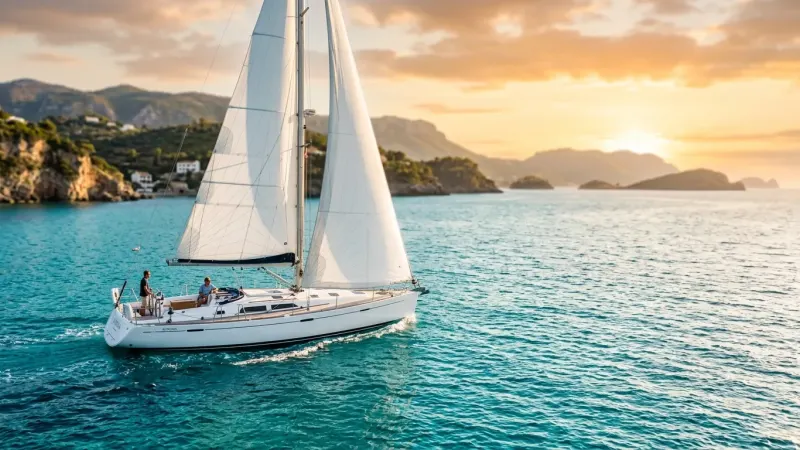
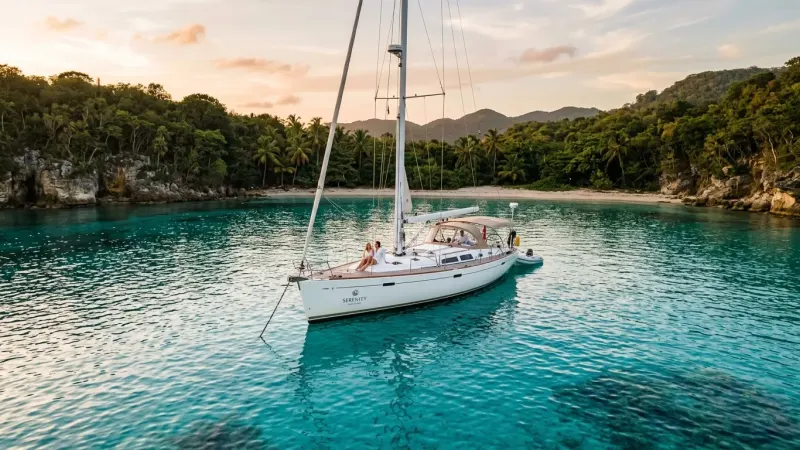
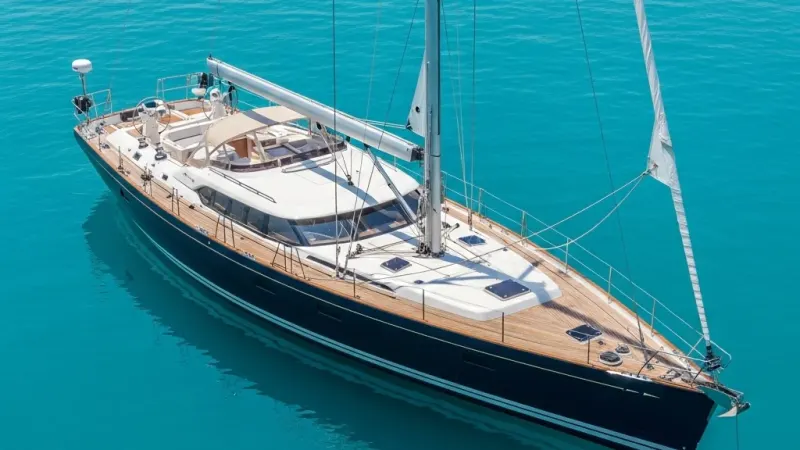
The allure of the open ocean, the endless horizon, and the rhythmic whisper of the wind in your sails is a powerful call. For many, it’s the ultimate dream: to cast off the lines and journey across vast expanses of water, far from the sight of land. But making that dream a safe reality isn’t as simple as just buying “a boat.” It requires a very specific kind of vessel – a bluewater sailboat – meticulously engineered and equipped to tackle the relentless forces of the sea. As someone who has spent decades immersed in this world, I can tell you that an ocean-ready vessel is more than just a mode of transport; it’s a self-contained, resilient home designed to protect you when the world outside turns wild.
Table Of Content
- The Unyielding Core: Hull Design and Structural Integrity
- Hull Forms and Displacement for the Open Ocean
- Keel and Rudder: Stability and Control
- Rigging, Deck Gear, and Construction Built for Battle
- Self-Sufficiency Under Sail: Systems and Tankage
- Power Generation and Management: Your Lifeline
- Fuel and Water Capacity: Your Lifelines
- Engine Reliability: A Necessary Backup
- Navigation and Communication: Staying Connected (and Safe)
- Equipping for Endurance: Safety and Comfort Offshore
- The Liferaft and Beyond: Essential Safety Gear
- Comfort in the Chaos: Interior Design and Seakindliness
- Sails for the Long Haul
- Finding Your Ocean Dream: Buying a Bluewater Sailboat
- The Bluewater Market: Renowned Brands and Models
- Budgeting Realistically: Beyond the Purchase Price
- Inspection and Survey: Your Due Diligence
- The Right Size for Your Voyage
Unlike their coastal cruising cousins, which are fantastic for day trips or hopping between marinas in sheltered waters, bluewater sailboats are built to a different, more demanding standard. They prioritize structural integrity, heavy displacement, redundancy in critical systems, and a level of autonomy that allows you to be truly self-sufficient for weeks, if not months. In this comprehensive guide, we’ll dive deep into the nuances that define these remarkable vessels, from their fundamental design principles to the essential systems that keep you safe and comfortable, and even touch on the practicalities of finding your own bluewater sailboat for sale.
The Unyielding Core: Hull Design and Structural Integrity
When you’re facing a gale 1,000 miles from the nearest port, the most important thing is the integrity of the boat itself. A bluewater sailboat’s ability to withstand punishment starts with its fundamental architecture: the hull, keel, rudder, and overall construction.
Hull Forms and Displacement for the Open Ocean
One of the most defining characteristics of an ocean-ready sailboat is its displacement. Bluewater vessels typically feature heavier displacement relative to their length. This weight allows the boat to “plow” through waves with a more stable, sea-kindly motion, rather than bouncing violently over them. This significantly reduces crew fatigue during long passages, making the voyage far more tolerable. Think of it like the difference between a nimble sports car and a robust overland vehicle – one is built for speed on smooth roads, the other for resilience on rough terrain.
Hull shape also plays a crucial role. Many traditional bluewater designs favor a deeper, fuller hull form with a relatively fine entry and a fair amount of flare in the bow to lift over waves and shed water. This minimizes hobby-horsing and provides better interior volume. While modern, lighter displacement designs can and do cross oceans, they often require more active steering and can deliver a more jarring ride in heavy seas. The choice often comes down to your personal preference for speed versus comfort and stability.
Keel and Rudder: Stability and Control
The keel is perhaps the most critical component for directional stability and preventing leeway. You’ll primarily encounter two types on bluewater sailboats: the full keel and the fin keel with a skeg-hung rudder. A full keel runs nearly the entire length of the hull, offering incredible directional stability and robust protection for the propeller and rudder from debris. Boats with full keels track beautifully, making them ideal for long offshore passages where holding a course is paramount, though they can be less nimble in tight marinas.
A fin keel with a skeg-hung rudder offers a compelling balance of speed and protection. The shorter fin keel reduces wetted surface area, enhancing performance, while the skeg provides substantial support for the rudder, protecting it from impacts and minimizing the chance of damage. This design offers more maneuverability than a full keel while still being robust enough for serious offshore work. You rarely see spade rudders (those completely unsupported by a skeg) on true bluewater boats, as the risk of damage or failure in an impact or heavy sea state is too great for a vessel intended for remote voyages.
Rigging, Deck Gear, and Construction Built for Battle
The strength of a bluewater sailboat extends to its rigging and deck hardware. Standing rigging (the wires holding up the mast) must be significantly oversized compared to coastal cruisers, often with larger diameter wire and robust terminals. Many offshore sailors opt for solid rod rigging or larger wire sizes for enhanced safety margins. Keel-stepped masts (where the mast goes through the deck to the keel) are generally preferred over deck-stepped masts, as they distribute compression loads more effectively through the boat’s structure and are inherently more stable.
Deck gear – winches, cleats, blocks, and tracks – must also be exceptionally strong and securely fastened. You’ll find oversized winches to handle sail loads in heavy weather, and all hardware should be through-bolted with backing plates, not just screwed into the deck. Cockpits are often deep and well-protected, sometimes with a solid dodger or even a pilothouse, to shield the crew from wind, spray, and breaking waves. This design provides a vital sense of security and protection when the weather turns foul, transforming the cockpit from an exposed area into a safe command center.

Self-Sufficiency Under Sail: Systems and Tankage
When you’re days or weeks from the nearest shore, your boat essentially becomes your life support system. Redundancy, reliability, and ample capacity in all critical systems are paramount.
Power Generation and Management: Your Lifeline
A robust electrical system is the nervous system of a bluewater boat. You’ll need substantial battery banks, typically deep-cycle AGM or the increasingly popular lithium-ion batteries, sized to handle refrigeration, navigation electronics, communication gear, and lighting for extended periods. But batteries only store power; you need to generate it. This means multiple charging sources: a high-output engine alternator, often coupled with a dedicated battery monitor, is essential. Additionally, solar panels, wind generators, and sometimes even hydro-generators (towed behind the boat) are critical for continuous power generation, reducing reliance on the main engine for charging.
Managing this power effectively through a well-designed DC and AC electrical panel, with clear labeling and circuit protection, is just as important. The ability to isolate circuits, monitor power consumption, and troubleshoot issues is vital when you’re far from an electrician.
Fuel and Water Capacity: Your Lifelines
Imagine being 1,000 miles offshore and realizing you’re out of fresh water or diesel. That’s why high-quality bluewater sailboat models are designed with massive, integrated tanks. A boat intended for serious offshore work should ideally carry enough fresh water for 20-30 days, factoring in conservative usage, and enough diesel to motor for several hundred miles if the wind dies in the doldrums or if you need to motor to safety. This often translates to 100+ gallons of water and 50+ gallons of fuel for a 40-foot vessel.
Many modern bluewater cruisers also install watermakers – reverse osmosis systems that convert saltwater into fresh. While they consume power, they offer incredible independence and reduce the need for massive water tanks, though it’s always wise to maintain a backup supply. Fuel tanks should be baffled to prevent sloshing in rough seas, and all tanks should have accessible inspection ports for cleaning.
Engine Reliability: A Necessary Backup
While we sail to use the wind, a reliable diesel engine is an absolutely non-negotiable backup for a bluewater boat. It’s not just for motoring in calms; it’s for maneuvering in tight situations, charging batteries, and providing vital propulsion in emergencies. The engine should be well-maintained, easily accessible for routine checks and repairs, and you should carry an extensive spares kit covering everything from fuel filters and impellers to spare belts and hoses. Redundancy here might include a secondary fuel filter system or even a “get-home” auxiliary engine on larger vessels.
Navigation and Communication: Staying Connected (and Safe)
Modern bluewater sailing relies heavily on electronics, but always with an eye toward redundancy. Essential navigation gear includes a reliable chartplotter with up-to-date electronic charts, a radar for collision avoidance and weather tracking, and an AIS (Automatic Identification System) transceiver to see and be seen by commercial traffic. A backup handheld GPS and paper charts are also critical.
For communication, a good VHF radio is standard, but offshore, you’ll need more. A Single Sideband (SSB) radio allows for long-range voice communication and access to weather faxes. Satellite communication systems like Iridium (for voice and basic data) or Starlink (for high-speed internet in many regions) have revolutionized offshore connectivity, enabling weather downloads, email, and even video calls. Crucially, every bluewater boat needs an EPIRB (Emergency Position Indicating Radio Beacon) and ideally a personal locator beacon (PLB) for each crew member, providing a direct link to rescue services in a life-threatening emergency.
Equipping for Endurance: Safety and Comfort Offshore
Beyond the fundamental structure and systems, a bluewater sailboat must be outfitted with specific gear and designed for the unique challenges of sustained offshore living.
The Liferaft and Beyond: Essential Safety Gear
Safety is not an area for compromise on a bluewater boat. A properly sized and serviced liferaft, easily deployable, is a cornerstone of offshore safety. Coupled with a well-stocked ditch bag containing emergency essentials, it forms your last line of defense. Personal safety gear includes comfortable, automatically inflating PFDs (Personal Flotation Devices) with harnesses, and robust jacklines running fore and aft on deck for clipping in. A comprehensive offshore medical kit, including prescription medications, wound care, and basic diagnostics, is also vital.
Other essential safety items include a drogue or storm anchor for heavy weather, redundant bilge pumps (manual and electric), robust fire extinguishers, and a reliable means of entering and exiting the water, such as a sturdy swim ladder that can be deployed from the water.
Comfort in the Chaos: Interior Design and Seakindliness
Life offshore isn’t always idyllic. When the boat is heeling or pounding through waves, the interior needs to be functional and safe. This means ample, secure handholds throughout the cabin, deep fiddles on all shelves and counters to prevent items from flying, and secure latches on all lockers and doors. A proper galley will feature a gimbaled stove to keep pots level, secure storage for provisions, and often a dual-basin sink with a hand pump for saltwater to conserve fresh water.
Berths should have lee cloths to prevent occupants from being thrown out in rough seas. Ventilation is also critical, with numerous opening ports and hatches, often protected by dorade vents, to ensure airflow while minimizing water ingress. A well-designed bluewater interior feels secure and practical, not just aesthetically pleasing.
Sails for the Long Haul
Your sails are your primary propulsion, and offshore, they endure immense stress. Bluewater sails are typically heavier duty than coastal sails, made from more robust fabrics (like Dacron or sometimes laminates with higher thread counts) and feature stronger stitching, reinforcement patches, and hardware. A full set of sails for bluewater cruising usually includes a well-cut main with multiple reefing points, a robust genoa or jib, and crucially, a dedicated storm jib and trysail. These small, incredibly strong sails allow you to maintain control and make progress in conditions where larger sails would be dangerous.
Reliable reefing systems, either slab reefing or in-mast/boom furling systems designed for offshore use, are non-negotiable for quickly reducing sail area when the wind pipes up. Roller furling headsails are almost standard, but again, they must be robust and well-maintained.
Finding Your Ocean Dream: Buying a Bluewater Sailboat
The journey to owning a bluewater sailboat is a significant undertaking, combining research, inspection, and realistic financial planning. It’s about finding the right vessel for your specific dreams and ensuring it’s genuinely ocean-ready.
The Bluewater Market: Renowned Brands and Models
The market is filled with legendary names that have earned their reputation through decades of successful circumnavigations and countless offshore miles. When researching bluewater sailboat models, certain brands consistently rise to the top for their build quality, sea-kindly motion, and proven durability. Brands like Hallberg-Rassy (Sweden), known for their center-cockpit designs and protected hard-top dodgers, and Amel (France), specializing in larger ketches with highly automated systems for ease of handling by a couple, are often considered the gold standard of European cruising.
From the USA, Island Packet, famous for their “Full Foil Keel” design and robust construction, and Pacific Seacraft, with designs by the legendary W.I.B. Crealock (models like the 34, 37, and 40 are highly regarded), stand out. Other notable names include Oyster, Valiant, Tayana, and Hylas, all of which have a strong track record of building capable and comfortable offshore cruisers. Each brand has its unique philosophy and design characteristics, so research which aligns best with your cruising style.
Budgeting Realistically: Beyond the Purchase Price
One of the most common mistakes aspiring voyagers make is underestimating the true cost of getting a bluewater sailboat ready for offshore. The “purchase price” is rarely the final cost. As a rule of thumb, when you find a bluewater sailboat for sale, especially an older one, you should realistically budget an additional 20% to 30% of the purchase price, or sometimes even more, for a “refit” before heading offshore. This isn’t just cosmetic; it’s about making the boat safe and reliable.
This refit budget typically includes crucial items like replacing standing rigging (stainless steel wires holding up the mast usually need replacement every 10-15 years for offshore safety), a new set of heavy-duty offshore sails, upgrading safety gear (liferaft, EPIRBs, satellite communication), and potentially significant system upgrades (electrical, plumbing, navigation electronics). For classic era boats (1970s-1980s), you might find a 35-foot vessel for $30,000 to $60,000, but expect to spend another $15,000 to $30,000 or more to make it truly ocean-ready. Modern classics (1990s-2000s) like a well-maintained Pacific Seacraft 37 or Island Packet 38 might command $120,000 to $200,000, with refit costs potentially adding $30,000 to $60,000. Newer vessels can easily exceed $500,000 to $1,000,000, but often require less immediate refit work.
Inspection and Survey: Your Due Diligence
Never, ever buy a bluewater sailboat without a thorough pre-purchase survey by a qualified marine surveyor specializing in offshore vessels. This survey should include a haul-out to inspect the hull, keel, and rudder, as well as a comprehensive inspection of all systems, the rig, and the interior. A separate rig inspection by a professional rigger is also highly recommended. A sea trial is equally important to assess the boat’s handling under sail and power, test engine performance, and identify any issues that only manifest underway.
These inspections will uncover potential red flags and provide a detailed list of items needing attention, helping you negotiate the purchase price or, if necessary, walk away from a problematic vessel. Remember, a cheap boat that’s not sound can quickly become the most expensive mistake you’ll ever make.
The Right Size for Your Voyage
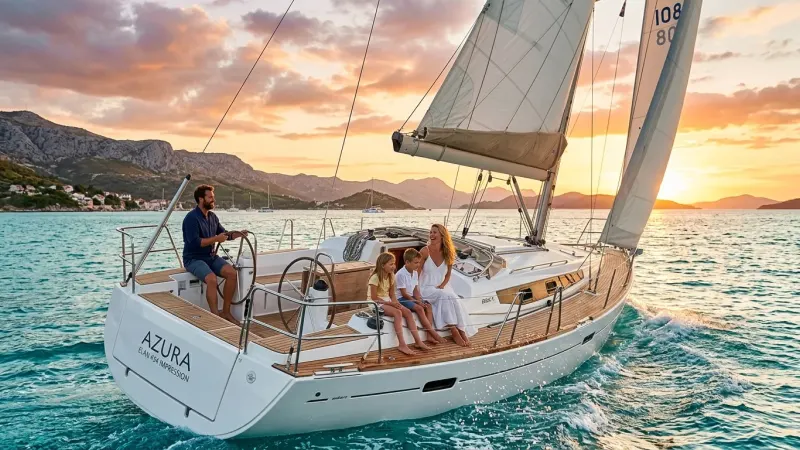
Size is a double-edged sword in the world of bluewater sailing. A larger boat generally offers more comfort, speed, and storage capacity, but it also significantly increases the physical effort required to handle the sails, the cost of maintenance, haul-outs, and dockage. For families or those seeking a comfortable “home on the water,” the best bluewater sailboats under 50 feet, perhaps in the 40- to 45-foot range, often hit a sweet spot of luxury, capability, and manageability. For instance, a Hylas 49 offers robust construction and ample space without becoming overwhelming.
For solo circumnavigators or couples looking for small bluewater sailboats for sale, vessels in the 30- to 38-foot range can be incredibly capable and easier to manage. Boats like the Alberg 35, Pearson Vanguard, or a well-outfitted Bristol 40 offer a strong platform without the logistical complexities and costs of larger vessels. Ultimately, the “right” size depends on your crew size, comfort expectations, budget, and the specific cruising grounds you envision exploring. My advice? Start a little smaller than you think you need; you can always upgrade later once you’ve gained experience.
Embarking on a bluewater adventure is a profoundly rewarding experience, a true test of self-reliance and seamanship. But it demands respect for the ocean and a vessel that is truly up to the task. By understanding what makes a sailboat ocean-ready – from its deep, strong hull to its redundant systems and robust gear – you’ll be well on your way to turning that dream of distant horizons into a safe, unforgettable reality. Happy sailing!