


As a seasoned veteran of the marine industry, I’ve seen countless aspiring boat owners grapple with one of the most fundamental decisions: sailboat or powerboat? It’s a question that goes far beyond mere aesthetics or engine size; it delves into your core values, your vision for life on the water, and the very essence of your lifestyle. There’s no single “better” option, only the right fit for you.
Table Of Content
- The Fundamental Divergence: Power vs. Sail Philosophy
- The Allure of Power: Speed, Convenience, and Modern Comforts
- The Call of Sail: Connection, Challenge, and Timeless Serenity
- Lifestyle & Usage: Charting Your Onboard Experience
- Speed, Range, and Destination: How Fast Do You Want to Go?
- The Social Aspect: Entertaining, Family, and Friends
- Active Engagement vs. Relaxed Cruising
- The Practicalities of Ownership: Costs, Skills, and Commitments
- Initial Investment and Depreciation: Understanding the Sticker Shock
- Operational Expenses: Fuel, Mooring, and Insurance
- Maintenance Demands: Time, Tools, and Expertise
- Learning Curve and Skill Development
- Environmental Footprint and Sustainability
- Fuel Consumption and Emissions: The Powerboat’s Impact
- Harnessing the Wind: Sailboat’s Greener Profile
- Making Your Decision: A Lifestyle-Driven Checklist
- Consider Your Crew and Cruising Grounds
- A Personal Anecdote: My Own Journey
- The Blended Approach: When One Isn’t Enough
For decades, I’ve helped clients navigate these waters, from first-time buyers dreaming of weekend escapes to seasoned mariners planning circumnavigations. The choice isn’t just about what kind of boat you can afford; it’s about what kind of experience you crave. Do you yearn for the exhilarating rush of the wind in your sails, or the effortless glide of a powerful engine carving through waves? Let’s cast off and explore the nuances that will guide your decision.
The Fundamental Divergence: Power vs. Sail Philosophy
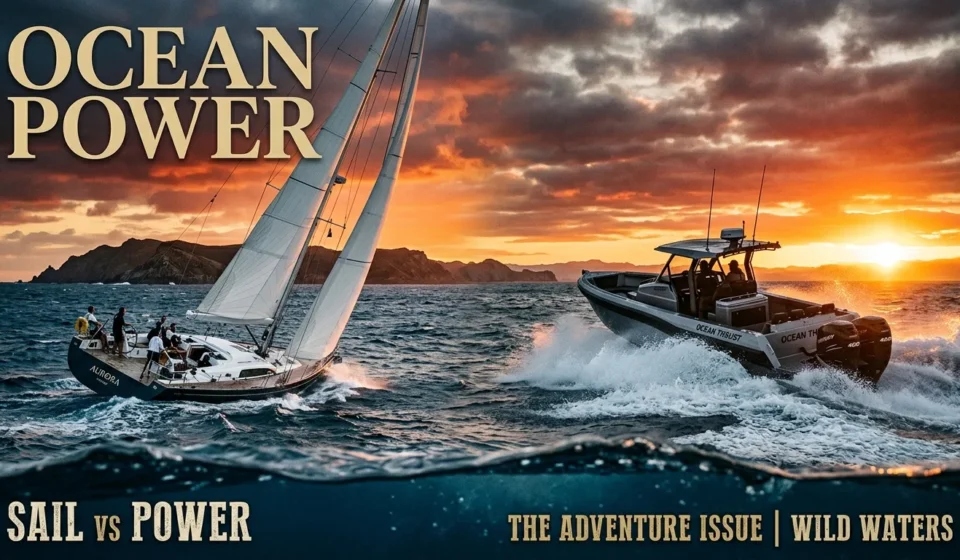
At their heart, sailboats and powerboats represent two distinct philosophies of interacting with the marine environment. One harnesses nature’s raw energy; the other commands it with mechanical might. Understanding these core differences is the first step in aligning a vessel with your spirit.
The Allure of Power: Speed, Convenience, and Modern Comforts
Powerboats, in their myriad forms from nimble runabouts to colossal motor yachts, are designed for speed, efficiency, and direct control. They offer the ability to cover significant distances quickly, making weekend getaways to distant cays or spontaneous dinner cruises a breeze. Imagine leaving the dock after work on a Friday, and by sunset, you’re anchored in a serene cove 50 miles away – that’s the powerboat promise.
Modern powerboats often come equipped with an array of creature comforts that rival luxury apartments. Air conditioning, high-definition entertainment systems, fully equipped galleys, and spacious cabins are commonplace. They are fantastic platforms for entertaining, offering stable decks and ample space for guests to mingle without the complexities of rigging. For many, the ability to simply turn a key, push a throttle, and go is an irresistible draw, minimizing the learning curve and maximizing spontaneous enjoyment. According to industry reports, recreational powerboat sales continue to dominate the market, reflecting a strong demand for this blend of convenience and performance.
The Call of Sail: Connection, Challenge, and Timeless Serenity
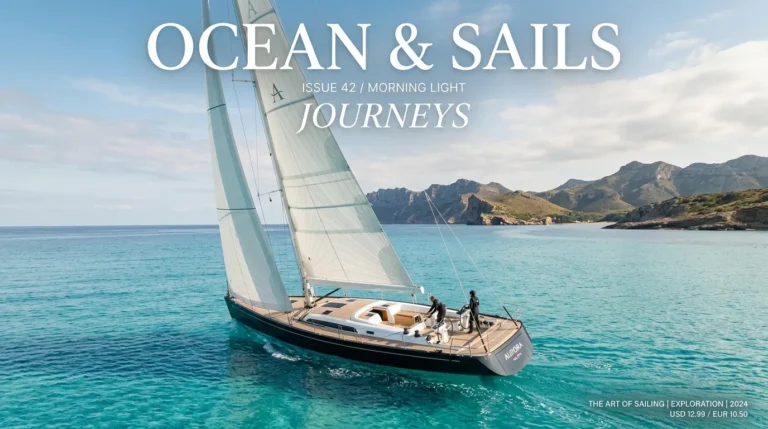
Sailboats, on the other hand, offer a profoundly different experience. They invite you to slow down, to tune into the rhythm of the wind and waves, and to become an active participant in your journey. There’s an undeniable romance and a sense of accomplishment that comes from harnessing an invisible force to propel your vessel across the water. It’s a dance with nature, requiring skill, patience, and a deep understanding of the elements.
For many sailors, the journey itself is the destination. The quiet whisper of the wind, the gentle sway of the boat, and the absence of engine noise create an unparalleled sense of peace and connection with the sea. It’s an escape from the relentless pace of modern life, offering a chance to truly disconnect and recharge. While typically slower, a sailboat offers a unique engagement, where every shift in wind or current becomes a lesson and a challenge. This engagement is often cited by sailors as the most rewarding aspect of their chosen lifestyle, fostering a deep appreciation for seamanship and self-reliance.
Lifestyle & Usage: Charting Your Onboard Experience
Your ideal boating lifestyle isn’t just about what you appreciate, but also about how you intend to spend your time on the water. This section dives into the practical aspects of usage that should weigh heavily in your decision.
Speed, Range, and Destination: How Fast Do You Want to Go?
If your primary goal is to reach distant destinations quickly or explore multiple anchorages in a single day, a powerboat is likely your best bet. A typical 35-foot planing hull power cruiser can comfortably cruise at 20-25 knots, potentially reaching a destination 100 nautical miles away in just 4-5 hours. This speed allows for extensive exploration in shorter periods, opening up a wider cruising ground, especially if your time is limited to weekends or short vacations.
Sailboats, by their nature, operate at a more leisurely pace. While some performance cruisers can achieve 8-10 knots in optimal conditions, a more realistic average cruising speed under sail for a typical monohull is 5-7 knots. This means that covering 100 nautical miles might take 15-20 hours, or even longer depending on wind and sea conditions. This isn’t a drawback for every lifestyle; for many, it’s an invitation to savor the journey, to linger in anchorages, and to experience the subtle changes of the sea. Are you a “get there fast” person, or a “enjoy the ride” person? Your answer will reveal much.
The Social Aspect: Entertaining, Family, and Friends
Consider how you envision entertaining guests or spending time with family on board. Powerboats generally offer more stable platforms and larger, more open deck spaces, making them ideal for social gatherings. Think spacious flybridges, comfortable cockpits with wet bars, and large swim platforms for easy water access. These features lend themselves well to day trips, watersports, and dockside entertaining, where guests can move freely and relax.
Sailboats, while certainly capable of hosting, often require guests to be more aware of their surroundings due to lines, winches, and the boat’s heel under sail. The space might feel more compartmentalized below deck, and while cockpits are cozy, they might not offer the sprawling areas of a comparable powerboat. However, for a family looking for an active, engaging experience where everyone can learn and participate, a sailboat fosters incredible bonding. I’ve seen countless families grow closer by working together to hoist sails or navigate, creating shared memories that a powerboat, for all its comforts, simply can’t replicate.
Active Engagement vs. Relaxed Cruising
This is a crucial differentiator. Owning a sailboat means you are an active participant in its operation. Trimming sails, managing lines, monitoring wind shifts, and understanding complex rigging systems demand your attention and engagement. It’s a hands-on experience that many find deeply rewarding, a constant challenge and learning opportunity. It’s less about “driving” and more about “sailing” – a subtle but profound difference.
Powerboats, while requiring skillful navigation and boat handling, generally offer a more relaxed cruising experience for the operator. Once underway, especially with modern autopilots and navigation systems, you can often sit back, monitor your course, and enjoy the scenery. This allows for more social interaction with passengers, less physical exertion, and a generally more “effortless” feeling. If your idea of relaxation involves minimal physical input and maximum sightseeing, a powerboat might be more aligned with your desires.
The Practicalities of Ownership: Costs, Skills, and Commitments
Dreams are wonderful, but reality often comes with a price tag and a learning curve. Understanding the practical aspects of boat ownership – from initial purchase to ongoing maintenance – is critical for a sustainable and enjoyable marine lifestyle.
Initial Investment and Depreciation: Understanding the Sticker Shock
The upfront cost of a boat can vary wildly, but generally, a new sailboat and a new powerboat of comparable length and quality can have similar initial purchase prices. However, market trends often show that powerboats, particularly larger, luxury motor yachts, can command higher prices due to complex engine systems, advanced electronics, and opulent interiors. For example, a new 40-foot cruising monohull might start around $300,000-$500,000, while a new 40-foot express cruiser with twin engines could easily range from $450,000 to over $700,000, depending on brand and features.
Depreciation is also a factor. While both types of vessels depreciate, well-maintained sailboats, especially classic designs or highly regarded brands, tend to hold their value slightly better over the long term than many mass-produced powerboats. This isn’t a hard and fast rule, but it’s worth considering if resale value is a concern. A meticulously cared-for older sailboat can often fetch a respectable price, whereas an aging powerboat with outdated engine technology might struggle to find a buyer.
Operational Expenses: Fuel, Mooring, and Insurance
Here’s where the practical differences truly come to light. Fuel is perhaps the most significant ongoing operational cost for powerboats. A 40-foot powerboat with twin 350hp engines could easily consume 20-30 gallons per hour (GPH) at cruising speed, translating to hundreds of dollars for a day trip. Sailboats, while having auxiliary engines, primarily rely on wind and typically consume far less fuel. Their engines are used for maneuvering in and out of marinas, in calms, or for charging batteries. A 40-foot sailboat might use 1-2 GPH from its diesel auxiliary, only running it for a fraction of the time a powerboat would.
Mooring or docking fees are generally based on length overall (LOA), so this cost might be similar for boats of comparable size. However, some marinas might have slightly different rate structures. Insurance costs can vary based on the boat’s value, type, and your cruising grounds, but powerboats, especially high-performance models, sometimes incur higher premiums due to greater potential for speed-related incidents or theft. My advice to clients is always to get multiple insurance quotes early in the decision-making process.
Maintenance Demands: Time, Tools, and Expertise
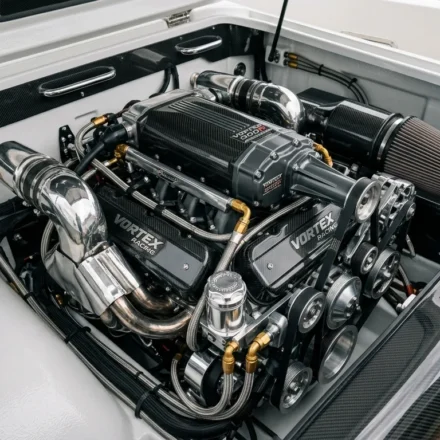
Both types of boats require regular maintenance, but the nature of that maintenance differs significantly. Powerboats are primarily about engines and electrical systems. You’ll have oil changes, filter replacements, propeller inspections, and complex engine diagnostics. These can be costly if you rely solely on professional mechanics. A dual-engine setup means double the potential engine maintenance. Hull cleaning, waxing, and periodic haul-outs are common to both.
Sailboats, while having a smaller engine to maintain, add the complexity of rigging, sails, and deck hardware. You’ll need to inspect standing and running rigging, repair sails, maintain winches, and address potential chafe points. There’s also the constant battle against corrosion for metal components. While many tasks can be DIY for the mechanically inclined, the sheer number of systems – from mast to keel, from engine to sails – often means that a sailboat demands more varied maintenance skills and potentially more overall time investment from the owner.
Learning Curve and Skill Development
Operating a powerboat requires skills in navigation, docking, anchoring, and understanding basic engine functions. These are generally quicker to master, allowing new owners to feel comfortable at the helm sooner. Training courses, like those offered by the U.S. Coast Guard Auxiliary or private instructors, can quickly get you up to speed.
Sailing, however, presents a more extensive and ongoing learning curve. Beyond navigation and boat handling, you must learn about aerodynamics, meteorology, knot tying, sail trim, rigging mechanics, and emergency procedures specific to sailing. It’s a deeply rewarding journey of skill acquisition that many embrace as part of the lifestyle. As an old salt once told me, “You never stop learning to sail.” If you enjoy a continuous challenge and the satisfaction of mastering a complex craft, sailing will deeply resonate with you.
Environmental Footprint and Sustainability
In today’s world, the environmental impact of our leisure activities is an increasingly important consideration. Boating is no exception, and the choice between power and sail has significant implications for your carbon footprint on the water.
Fuel Consumption and Emissions: The Powerboat’s Impact
Powerboats, particularly those with large gasoline or diesel engines, are inherently more resource-intensive in their operation. While modern engines are becoming more fuel-efficient and cleaner-burning, they still produce significant greenhouse gas emissions and can contribute to water pollution if not properly maintained. A large motor yacht consuming hundreds of gallons of fuel on a long trip leaves a substantial carbon footprint. This is a trade-off for speed and convenience.
That said, advancements in electric propulsion are beginning to make inroads in the powerboat sector, offering quieter, emission-free operation for shorter ranges. However, for most long-range cruising, traditional internal combustion engines remain the norm. If minimizing your direct environmental impact from fuel consumption is a top priority, the powerboat path requires careful consideration of engine size, efficiency, and frequency of use.
Harnessing the Wind: Sailboat’s Greener Profile
Sailboats, by their very design, are the epitome of sustainable propulsion. They harness the clean, renewable energy of the wind, making them a much lower-impact option in terms of direct fuel consumption and emissions. When sailing, the only “fuel” used is the wind, and the only “emissions” are the sounds of the waves and the occasional squeak of a block.
While sailboats still have auxiliary engines for maneuvering and emergency power, their reliance on these engines is minimal compared to a powerboat. Many modern sailboats are also incorporating solar panels and wind generators to charge batteries, further reducing their reliance on the engine. This commitment to a reduced environmental footprint is a major draw for many who seek to enjoy the ocean responsibly. It’s a choice that reflects a deeper respect for the natural world that provides the very playground for our adventures.
Making Your Decision: A Lifestyle-Driven Checklist
So, which one is it for you? The roar of an engine or the whisper of the wind? There’s no right or wrong answer, only the answer that aligns perfectly with your individual desires and commitments. As a broker, I always tell my clients to imagine themselves on the boat, living the dream. What does that picture look like?
Consider Your Crew and Cruising Grounds
Who will be joining you on your adventures? If you plan frequent trips with young children or guests who prefer stability and comfort, a powerboat might be more accommodating. If your crew is adventurous, eager to learn, and willing to participate in the active pursuit of sailing, then a sailboat offers an unparalleled shared experience. Think about where you’ll be boating too. Are you navigating shallow inland waterways, crossing vast oceans, or exploring coastal areas with strong winds? Certain boats excel in specific environments.
A Personal Anecdote: My Own Journey
I remember a client, a high-powered executive named Mark, who came to me convinced he needed a 50-foot motor yacht for entertaining. He loved speed, luxury, and the idea of impressing clients. We looked at several magnificent vessels, but something felt off. During a casual conversation, he mentioned how stressed he felt, always connected, always rushing. I suggested we try a day sail on a beautiful cruising monohull I had listed. Reluctantly, he agreed. That day, with the engines off, the sails trimmed, and the phone tucked away, I watched a transformation. He spent hours at the helm, learning to read the wind, completely engrossed. He ended up buying that sailboat. He still entertains, but now it’s about shared experience, not just lavish display. He found serenity he never knew he needed. This isn’t to say one is better than the other, but rather that sometimes, the boat you think you want isn’t the boat that truly fits your soul.
The Blended Approach: When One Isn’t Enough
What if you truly appreciate aspects of both? Don’t despair! Many boaters find that a smaller, simpler powerboat for quick trips and watersports complements a larger sailboat for longer cruises. Or, consider hybrid propulsion options that are emerging in both categories. The marine industry is constantly innovating, bridging gaps and offering more versatile choices.
Ultimately, the decision between a sailboat and a powerboat is a personal one, a reflection of your dreams for life on the water. Take your time, do your research, talk to owners of both types, and most importantly, get out on the water and experience them firsthand. The best boat for you is the one that calls to your heart, aligns with your lifestyle, and promises years of unforgettable adventures. Happy boating!