


As a seasoned boater, you know that getting out on the water is about more than just starting the engine. It’s about feeling connected to your vessel, understanding its nuances, and coaxing the best possible ride out of it. One of the most critical, yet often underutilized, tools in your arsenal for achieving this is your boat’s power trim and tilt system.
Table Of Content
- Understanding Power Trim & Tilt: The Basics
- What is Power Trim?
- What is Power Tilt?
- The Science Behind the Ride: How Trim Affects Performance
- Finding Your Boat’s “Sweet Spot”
- Practical Trimming Techniques for Different Conditions
- 1. Getting on Plane
- 2. Cruising
- 3. Rough Water Conditions
- 4. Making Turns
- 5. Trailering & Docking
- Optimizing for Fuel Efficiency
- The Golden Rule of Efficiency: Less Drag
- Monitoring Your Instruments
- Common Mistakes & What to Watch Out For
- 1. Neglecting Trim Altogether
- 2. Over-trimming or Under-trimming
- 3. Ignoring Propeller Condition
- 4. Forgetting Tilt When Approaching Shore or Obstacles
- Frequently Asked Questions
- Is trim only for performance boats?
- How do I know if I’m trimming correctly?
- Can incorrect trim damage my engine?
Honestly, it’s not just for raising your engine out of the water; mastering this system can dramatically enhance your boat’s speed, handling, comfort, and most importantly, your fuel efficiency. Let’s dive deep into how you can become a true maestro of your marine engine’s positioning.
Understanding Power Trim & Tilt: The Basics
Before we get into the advanced techniques, let’s make sure we’re all on the same page about what power trim and power tilt actually do. These two functions, often controlled by the same switch on your throttle lever, allow you to adjust the angle of your outboard or stern drive engine relative to the transom of your boat. It might seem simple, but its impact is profound.
What is Power Trim?
Power trim refers to the small range of adjustment, usually about 5 to 10 degrees, that you can make while your boat is running at speed. This adjustment fine-tunes the angle of your propeller shaft relative to the water’s surface. Think of it as steering your boat vertically; trimming down tucks the bow into the water, while trimming up lifts the bow. This subtle change in angle significantly affects how your hull interacts with the water, influencing everything from boat performance to ride comfort.
When you’re trimming, you’re primarily changing the thrust angle of your propeller. With the engine trimmed *down* (in), the propeller thrusts more horizontally, pushing the bow down. Trimmed *up* (out), the propeller thrusts slightly more vertically, lifting the bow. This dynamic interaction is what allows you to adapt to varying water conditions and load distributions, truly optimizing your ride.
What is Power Tilt?
Power tilt, on the other hand, provides a much greater range of motion, lifting the engine completely out of the water. This function is typically used when you’re not underway. Its primary purposes are to protect your propeller and lower unit from striking submerged objects when navigating shallow areas, or to keep barnacles and marine growth off the prop when docked. It’s also essential for trailering your boat, preventing damage when transporting, and for maintenance tasks like prop inspection or replacement. While not directly related to underway performance, it’s an integral part of the overall system and crucial for engine longevity.
You’ll engage the tilt function when you need to clear an obstruction or beach your boat. It quickly brings the entire lower unit up and out. Understanding the distinction between trim for underway adjustments and tilt for static positioning is the first step toward mastering your boat’s controls.
The Science Behind the Ride: How Trim Affects Performance
Knowing *what* trim is, is one thing. Understanding *how* it changes your boat’s behavior is another. The right amount of trim isn’t a fixed setting; it’s a dynamic adjustment based on speed, water conditions, and load. It’s about finding that sweet spot where your hull is cutting through the water most efficiently.
Finding Your Boat’s “Sweet Spot”
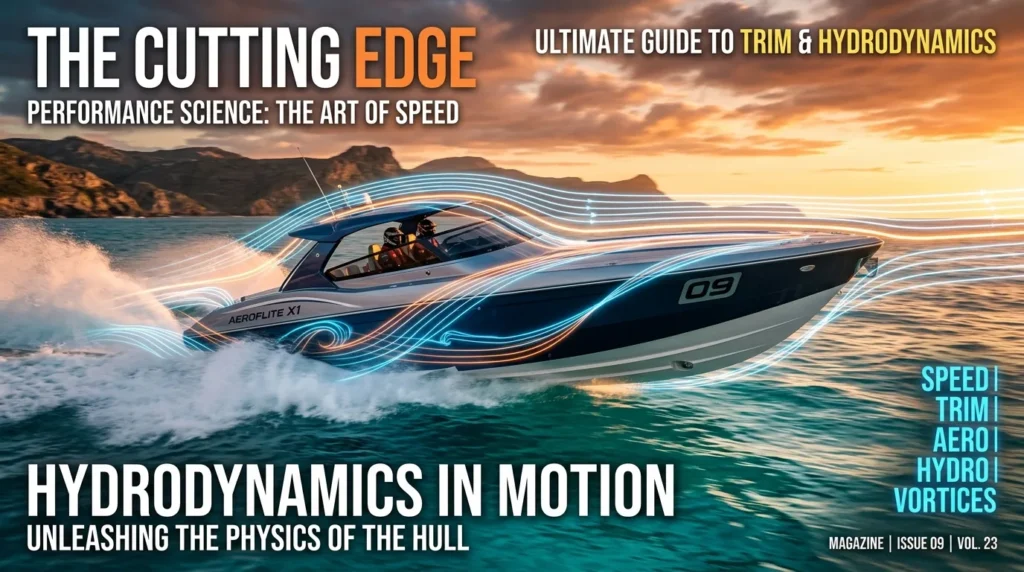
Every boat has an ideal running attitude – a “sweet spot” where the hull generates the least drag, allowing for maximum speed and optimal fuel efficiency. When your engine is trimmed too far down, the bow is pushed excessively into the water, causing the boat to “plow.” This creates a lot of drag, lowers your speed, and wastes fuel. Conversely, trimming too far up lifts the bow too high, which can lead to “porpoising” (the bow bouncing up and down), excessive propeller ventilation (where the prop loses its bite in the water), and poor steering control. In my opinion, this is where many inexperienced boaters leave significant performance on the table.
The goal is to achieve a balanced attitude where the boat rides on the aft-most portion of its hull, with minimal wetted surface, but still maintaining good control and stability. This often means the bow is slightly lifted, reducing drag and allowing the boat to glide more freely across the water. But how do you know if you’re truly getting the most out of your setup? You need to pay attention to your boat’s feel and instruments.
For example, imagine this situation: You’re out on a calm morning, cruising along at your usual speed. Suddenly, your boat feels sluggish, and you notice the bow is plowing, pushing a significant wake. If you carefully start trimming your engine up, you’ll feel the bow begin to lift, the boat will pick up speed, and the engine RPMs might even drop slightly for the same speed – a clear indicator of improved fuel efficiency. The ride becomes smoother, and you’ll often notice spray beginning to move further aft along the hull rather than directly at the bow.
Practical Trimming Techniques for Different Conditions
Mastering trim isn’t about setting it and forgetting it. It’s an active process. Here’s how you can use trim effectively in various scenarios:
1. Getting on Plane
- Trim Down Initially: When you start from a standstill, trim your engine all the way down. This pushes the bow down, allowing the hull to climb out of the water faster and get on plane more quickly.
- Apply Throttle: Accelerate smoothly. As the boat begins to plane, you’ll feel the bow come up, and then the boat will flatten out.
- Trim Up Gradually: Once on plane, slowly trim the engine up. You’ll feel the bow lift further, the boat will accelerate, and the steering will lighten. Stop trimming when you reach that “sweet spot” where the boat feels light and responsive, without porpoising or excessive propeller ventilation.
2. Cruising
While cruising, your goal is to maintain that sweet spot for maximum fuel efficiency and a comfortable ride. Small adjustments are key. If you feel the boat starting to porpoise, trim down slightly. If the bow is plowing, trim up. Constantly monitor your speed and fuel consumption gauges. Often, a slight adjustment can yield noticeable improvements. Remember that changes in passenger weight distribution or shifting gear can affect your boat’s attitude, requiring minor trim adjustments to re-optimize.
3. Rough Water Conditions
When the water gets choppy, you’ll generally want to trim your engine down slightly more than you would in calm conditions. Trimming down helps the bow cut through the waves rather than bouncing over them. This creates a softer ride, reduces pounding, and maintains better control. However, be cautious not to over-trim, as this can bury the bow too much and cause it to “spear” into larger waves, which can be dangerous. It’s a fine balance, and based on my experience, often depends on the type of hull you’re running.
4. Making Turns
When entering a sharp turn, it’s often beneficial to trim down slightly. This helps the propeller maintain its grip in the water, reduces the risk of ventilation, and keeps the boat more stable through the turn. As you exit the turn, you can trim back up to your optimal cruising position. This subtle move helps you maintain control and efficiency.
5. Trailering & Docking
When trailering your boat or docking in shallow water, you’ll use the power tilt function to raise the engine completely out of the water. This protects your propeller and lower unit from damage. Always tilt your engine up before pulling your boat out of the water on a trailer, or when approaching a dock in shallow areas. This simple act can save you significant repair costs.
Optimizing for Fuel Efficiency
Beyond speed and handling, power trim is your best friend for saving money at the pump. When your boat is running efficiently, it’s not fighting the water. This means less work for your engine, and less fuel consumed.
The Golden Rule of Efficiency: Less Drag
The core principle for better fuel economy is reducing drag. By finding the optimal trim angle, you minimize the wetted surface of your hull, allowing your boat to glide more freely. This translates directly into needing less throttle to maintain a given speed, or achieving a higher speed for the same throttle setting. Pay close attention to your boat’s RPMs, speed, and fuel flow meter (if equipped). You’ll often find a sweet spot where your engine is running at a lower RPM for your desired speed, indicating peak fuel efficiency.
Monitoring Your Instruments
Modern boats often come with sophisticated engine monitoring systems. Utilize these! Watch your speed, RPMs, and fuel consumption rates. As you experiment with trim settings, you’ll see real-time changes in these numbers. This feedback is invaluable for training your ear and your feel for what optimal trim looks like for *your specific boat* and load. It takes practice, but it’s incredibly rewarding.
Let’s look at a quick comparison of how trim affects your boat’s characteristics:
| Trim Position | Bow Attitude | Speed | Fuel Efficiency | Handling/Ride | Propeller Ventilation |
|---|---|---|---|---|---|
| Trimmed Down (Too Far In) | Low (Plowing) | Reduced | Poor (High Drag) | Heavy Steering, Hard Ride (choppy water), Wet Ride | Low Risk |
| Optimal Trim (“Sweet Spot”) | Slightly Lifted | Maximum | Excellent (Low Drag) | Light Steering, Smooth Ride (comfortable) | Minimal |
| Trimmed Up (Too Far Out) | High (Porpoising) | Reduced | Poor (High Drag, Slipping) | Light Steering (too light), Bouncing, Loss of Control | High Risk (Cavitation/Ventilation) |
As you can see, finding that middle ground, the “sweet spot,” is paramount for overall boat enjoyment and performance.
Common Mistakes & What to Watch Out For
Even experienced boaters can sometimes make mistakes with power trim and tilt. Being aware of these pitfalls can help you avoid them.
1. Neglecting Trim Altogether
One of the most common errors is simply not using the trim function. Many boaters set their trim once and forget it, regardless of speed, load, or water conditions. This is like driving a car in one gear all the time. Your boat will never perform at its best, and you’ll be burning more fuel than necessary.
2. Over-trimming or Under-trimming
As discussed, too much trim up leads to porpoising and propeller ventilation, while too much trim down causes plowing and excessive drag. Both scenarios negatively impact boat performance, safety, and fuel efficiency. The key is constant, small adjustments based on the boat’s feel and sound. Propeller ventilation, often sounding like the engine is over-revving without gaining speed, is a clear sign you’re trimmed too high.
3. Ignoring Propeller Condition
A damaged or incorrectly pitched propeller can make achieving optimal trim incredibly difficult, if not impossible. If your prop is dinged, bent, or simply not the right fit for your engine and hull, you’ll struggle to get on plane or maintain an efficient cruise. Regularly inspect your propeller for damage and ensure it’s suitable for your vessel. A good prop is foundational to effective trimming.
4. Forgetting Tilt When Approaching Shore or Obstacles
This is a safety issue. Failing to tilt your engine up when nearing shallow water or submerged objects can lead to costly damage to your propeller, lower unit, and even the engine itself. Always be mindful of your surroundings and use the tilt function proactively.
Frequently Asked Questions
Is trim only for performance boats?
No, absolutely not! While performance boats utilize trim for maximizing speed, it’s equally crucial for enhancing the ride quality and fuel efficiency of all powerboats, from family runabouts to larger cruisers. Every boat with an outboard or stern drive benefits from proper trim adjustment.
How do I know if I’m trimming correctly?
You’ll feel it! The boat will feel lighter, accelerate more easily, and the steering will be responsive. You’ll also likely see an increase in speed for the same RPM, or a decrease in fuel consumption. Watch for signs of porpoising (trim down) or plowing (trim up).
Can incorrect trim damage my engine?
While minor incorrect trim usually won’t cause immediate damage, consistently running with excessive propeller ventilation or constant high-RPM plowing can put undue stress on your engine and drive components over time. It’s more about efficiency and longevity than immediate failure.
Mastering power trim and tilt isn’t just about being a “better” boater; it’s about unlocking the full potential of your vessel. It’s about a smoother ride, faster speeds, and ultimately, more money saved on fuel. So next time you’re out on the water, don’t just point and shoot. Engage with your controls, feel the boat respond, and discover the true art of marine engine management. Your boat, and your wallet, will thank you for it! Keep learning and enjoying every moment on the water with Sail & Power & Boats & Motor Yachts.