

Choosing the Right Saltwater Fishing Lures 2026: A Guide for Every Species & Condition

There’s nothing quite like the thrill of a bent rod and the drag screaming as a powerful fish takes your line. But let me tell you, that heart-pounding moment often starts long before you even cast, right there in your tackle box. For decades, I’ve seen countless anglers, myself included, spend hours on the water, only to realize the difference between a great day and a frustrating one often comes down to one crucial decision: choosing the right saltwater fishing lures.
Table Of Content
- The Lure of the Saltwater Lure: Why It Matters
- Decoding Lure Types: Your Saltwater Arsenal
- Hard Baits (Plugs & Stickbaits)
- Soft Plastics: Versatility on a Hook
- Jigs: The Bottom & Mid-Water Maestros
- Metal Lures: Flash & Fury
- Surface Lures (Topwaters): Explosive Action!
- Trolling Lures: Covering Water
- Matching Lures to Species & Conditions: The Art of the Angler
- Species Focus
- Conditions Focus
- What to Watch Out For: Common Lure Pitfalls
- Common Mistakes Saltwater Anglers Make
- Frequently Asked Questions
- What are the best all-around saltwater lures?
- How do I choose the right lure color?
- Should I use live bait or artificial lures?
It’s not just about having a pretty collection; it’s about understanding what makes a fish bite, what triggers their predatory instincts, and how to present that irresistible offering under varying fishing conditions. From the shimmering flats to the deep blue offshore, every scenario demands a thoughtful approach. So, let’s peel back the layers and truly understand how to make those lures work for you on your next marine adventure.
The Lure of the Saltwater Lure: Why It Matters
You might think, “A lure is just a lure, right? Something shiny to fool a fish.” Honestly, that’s like saying a sailboat is just a boat with a stick in it. While there’s a kernel of truth, it profoundly misses the intricate dance between predator and prey. Lure selection is arguably one of the most critical aspects of successful saltwater fishing. It directly impacts your ability to imitate natural prey, attract fish from a distance, and entice them to strike.
Think about it: fish aren’t stupid. They live in a world of subtle cues – vibrations, flashes of light, specific silhouettes, and even distinct smells. A perfectly chosen lure mimics these cues, making it appear like an easy meal or an irresistible intruder in their territory. Conversely, the wrong lure, no matter how beautifully crafted, can stick out like a sore thumb, signaling danger rather than dinner. This isn’t just about catching fish; it’s about connecting with the marine environment and understanding the creatures within it.
For example, imagine this situation: You’re out on the flats, targeting snook, and the water is gin clear, calm, and the sun is high. You’re throwing a big, noisy popper that’s kicking up a huge commotion. You might get a curious look or two, but chances are, those wary snook are going to bolt. Now, switch that to a subtle, weedless soft plastic paddle tail, retrieved slowly and naturally along the bottom. Suddenly, those same snook, feeling less threatened and seeing a realistic, easy meal, are much more likely to strike. See? It’s all about context and presentation. It’s a game of observation and adaptation, and the lure is your primary tool.
Decoding Lure Types: Your Saltwater Arsenal
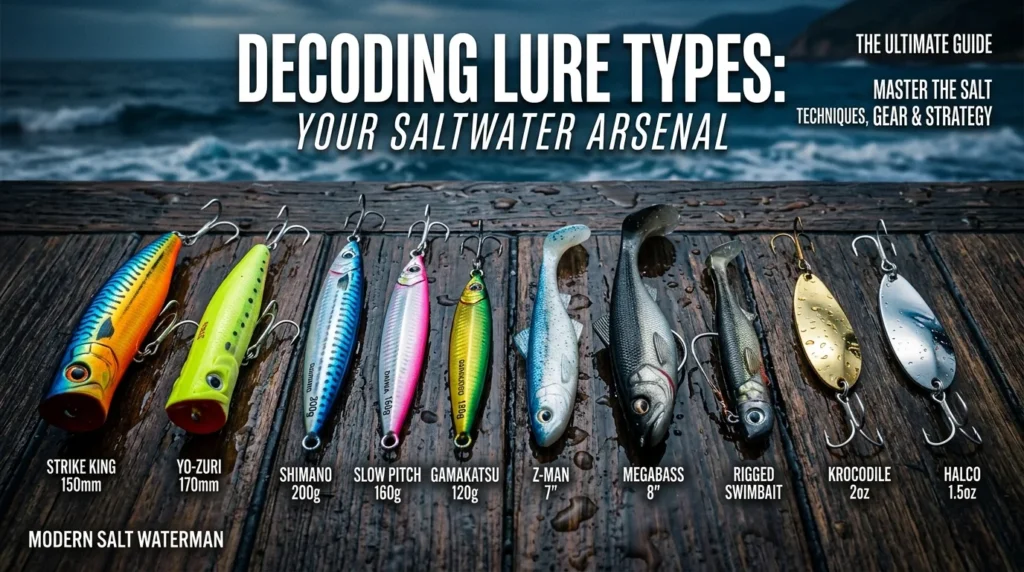
The world of saltwater fishing lures is vast and sometimes overwhelming. However, by breaking them down into main categories, you can build a versatile tackle box ready for almost anything the ocean throws your way. Each type has its strengths, its ideal presentation, and its preferred targets. Let’s explore the essentials.
Hard Baits (Plugs & Stickbaits)
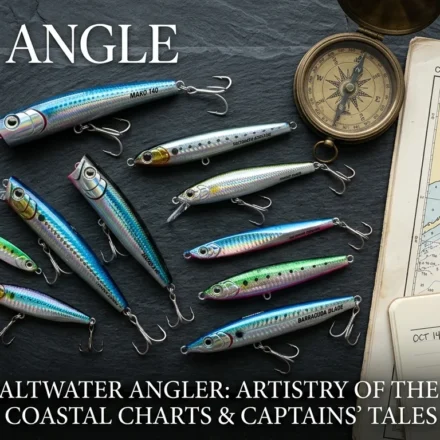
These are the classics, often made of wood or hard plastic, designed to imitate baitfish. They typically have an internal weighting system, treble hooks, and sometimes a lip that causes them to dive. You’ll find them in a dizzying array of sizes, shapes, and colors. Hard baits are incredibly versatile, used for casting, retrieving, and especially effective for trolling. Many offshore anglers wouldn’t dream of leaving the dock without a good selection of these.
- Poppers: Characterized by a cupped or flattened face, they “pop” or “chug” water when retrieved, creating a disturbance that mimics a struggling baitfish on the surface. Great for attracting aggressive predators from a distance.
- Stickbaits: Long, slender, and often lipless, these are designed to be worked with a “walk-the-dog” retrieve, creating a side-to-side sashay that’s incredibly enticing. Some are sinking, others floating.
- Diving Plugs: These have a plastic or metal lip that causes them to dive to specific depths when retrieved or trolled. Different lip sizes and angles dictate how deep they run. They’re fantastic for targeting fish holding at various water columns.
- Lipless Crankbaits: These are compact, often rattling, and sink quickly. They’re great for covering water and can be retrieved at various depths by adjusting your retrieve speed.
For offshore species like tuna, wahoo, and king mackerel, large diving plugs and trolled stickbaits are often the ticket. Nearshore species like Spanish mackerel and bluefish will readily hit smaller casting plugs. The key is to match the size and swimming action to the baitfish present and the aggression level of your target.
Soft Plastics: Versatility on a Hook
Ah, soft plastics! If there’s one lure type I truly adore for its sheer adaptability and effectiveness, it’s these. Made from flexible PVC or similar compounds, they come in every imaginable shape, size, and color, and can be rigged in countless ways. Their soft, lifelike texture and natural movement in the water make them irresistible to a wide range of species.
You can rig them on a simple jig head, Texas-rig them weedless for fishing heavy cover, or even use them under a popping cork. Their versatility is unmatched, making them a cornerstone for inshore and nearshore anglers. Think of them as the chameleon of your tackle box, able to adapt to almost any scenario. My personal favorite is a paddle tail on a jig head for prospecting new areas; that tail action is just too good.
Common types include paddle tails (for strong vibration), jerk shads (for erratic, darting action), grubs, and shrimp imitations. They excel for species like snook, redfish, speckled trout, flounder, and even smaller snapper. The subtle presentation and ability to mimic slow-moving prey or bottom dwellers make them incredibly effective, especially in clear or pressured waters.
Jigs: The Bottom & Mid-Water Maestros
Jigs are essentially a weighted head with a hook, often adorned with a skirt of hair, feathers, or soft plastic. They are designed to be fished vertically or cast and retrieved with an up-and-down, bouncing motion, imitating an injured baitfish or a crustacean. The weight allows them to sink quickly, making them ideal for targeting fish at specific depths, from shallow structures to the deep abyss.
There are many specialized jigs: bucktail jigs are classic, incredibly effective for imitating shrimp or baitfish, especially around structure. Lead-head jigs, often paired with soft plastics, are your workhorses for probing different depths. For offshore action, slow-pitch jigs and flutter jigs have become incredibly popular. These are designed to fall with an erratic, fluttering action that mimics a wounded baitfish, often triggering strikes from reluctant predators.
Jigs are fantastic for targeting bottom dwellers like grouper and snapper, but also pelagic species like amberjack and tuna when they’re holding deep. Vertical jigging requires a specific technique, but once mastered, it can be deadly. For me, a well-placed bucktail jig on a lively retrieve is hard to beat for striped bass or bluefish, especially around current.
Metal Lures: Flash & Fury
Sometimes you just need to get your lure out there, and quickly. That’s where metal lures shine. These are typically solid pieces of metal, designed for long-distance casting and high-speed retrieves. Their inherent weight allows them to be cast a country mile, and their flashing, darting action in the water is often irresistible to fast-moving, aggressive predators.
The most common types are spoons, which wobble and flash like an injured baitfish, and casting jigs, which are aerodynamic for distance and sink quickly, often used with a rapid, erratic retrieve. They are excellent choices when fish are busting bait on the surface at a distance or when you need to cover a lot of water quickly.
Species like Spanish mackerel, bluefish, bonito, and even smaller tuna absolutely smash metal lures. Their speed and flash mimic the frantic escape of schooling baitfish, often triggering an instant reaction strike. I’ve had days where nothing else worked, and a simple silver spoon saved the trip.
Surface Lures (Topwaters): Explosive Action!
If you’ve never experienced a topwater strike, you’re missing out on one of the most exhilarating moments in fishing. Topwater lures are designed to stay on the surface, creating commotion and mimicking struggling baitfish. The visual aspect of a fish exploding on your lure is absolutely addictive. They are fantastic during low light conditions or when fish are actively feeding on the surface.
We’ve already touched on poppers, but other popular topwater styles include walk-the-dog baits (like stickbaits), which sashay back and forth, and prop baits, which have small propellers that churn water. Each creates a different surface disturbance, appealing to various levels of fish aggression.
These are prime for targeting predatory species such as tarpon, snook, redfish, striped bass, and bluefish. The key to successful topwater fishing is patience and a varied retrieve. Sometimes a slow, methodical walk is best; other times, erratic jerks trigger the strike. Watching a tarpon blow up on a topwater is a sight you’ll never forget.
Trolling Lures: Covering Water
When you’re out in the big blue, covering vast expanses of water in search of pelagic giants, trolling lures become your best friends. These are designed to be pulled behind a boat at various speeds, creating a spread that mimics a school of baitfish or larger prey. They are essential for targeting migratory species over large areas.
This category includes a wide variety, from large skirted lures (often with octopus skirts or soft plastic heads) that create a smoke trail and flash, to specialized diving plugs that can run hundreds of feet deep. The choice depends heavily on your target species, the depth you’re fishing, and your trolling speed.
For big game like marlin, sailfish, dorado (mahi-mahi), and tuna, a well-arranged trolling spread is crucial. Skirted lures in various colors and sizes, often rigged with natural bait, are mainstays. The action of these lures at speed is what draws the fish in, making them think they’ve found an easy target in the open ocean.
Matching Lures to Species & Conditions: The Art of the Angler
Understanding the different types of lures is just the first step. The real magic happens when you learn to match them to your target species-specific lures and the prevailing fishing conditions. This is where experience, observation, and a bit of intuition come into play. It’s not about having the most expensive lure, but the most appropriate one.
Species Focus:
- Inshore Predators (Redfish, Snook, Speckled Trout): These fish are often found around structure like mangroves, oyster beds, and grass flats. Soft plastics (paddle tails, jerk shads) on light jig heads are phenomenal. Shallow diving plugs and walk-the-dog topwaters are also deadly, especially during low light or when fish are actively ambushing bait.
- Nearshore Migrators (Kingfish, Spanish Mackerel, Bluefish, Bonito): These fast-moving predators often feed on schooling baitfish. Metal spoons and casting jigs are excellent for reaching them and imitating their prey’s erratic movements. Medium-sized diving plugs, especially when trolled, also work wonders.
- Offshore Giants (Tuna, Marlin, Wahoo, Mahi-Mahi, Grouper, Snapper): This is where the big guns come out. Large skirted trolling lures and big diving plugs are essential for pelagic species. For bottom dwellers like grouper and snapper, heavy vertical jigs and large soft plastics rigged on weighted heads are key to getting down to their depth.
Conditions Focus:
This is where it gets really interesting. The water clarity, depth, current, time of day, and even the presence of baitfish should all influence your lure selection. Ignoring these factors is like trying to navigate without a chart – you might get lucky, but you’re probably going to miss your mark.
- Water Clarity: In clear water, opt for natural colors (silvers, whites, greens) and subtle presentations. Fish have better visibility and can be spooked by overly bright or loud lures. In murky or stained water, brighter colors (chartreuse, pink, orange) and lures that create more vibration (rattling plugs, paddle tails) are more effective as they help fish find the lure by sound and sight contrast.
- Water Depth: Simple, right? For shallow water (flats, oyster bars), use topwaters, weedless soft plastics, or very shallow diving plugs. For deep water (reefs, wrecks, offshore), heavy jigs (vertical, slow pitch) or deep-diving trolling plugs are necessary to reach the strike zone effectively.
- Current & Wind: Strong currents require heavier lures to get down and stay in the strike zone. If you’re casting into a strong wind, choose aerodynamic metal lures or compact jigs that will carry better. Light soft plastics will get blown around and might not reach the fish.
- Time of Day: Low light conditions (dawn, dusk, overcast days) are prime for topwater action, as fish are often actively feeding on the surface. During bright midday sun, fish may retreat to deeper, cooler water or tight cover, requiring lures that can get down to them.
- Baitfish Presence (“Match the Hatch”): This is critical. If you see schools of small pilchards, try to match their size and color with a small silver spoon or a clear soft plastic. If larger mullet are present, a bigger topwater or diving plug might be the ticket. Observation is key here.
Here’s a quick comparison table to help visualize how these factors come together:
| Lure Type | Primary Target Species | Ideal Conditions | Key Action/Benefit |
|---|---|---|---|
| Hard Baits (Plugs) | Tuna, Wahoo, Snook, Kingfish | Trolling offshore, casting nearshore structure, clear to stained water | Mimics baitfish, dives to depth, covers water |
| Soft Plastics | Redfish, Snook, Trout, Flounder, Snapper | Inshore flats, around mangroves, clear to murky water, various depths | Versatile, natural movement, weedless options, subtle presentation |
| Jigs | Grouper, Snapper, Amberjack, Striped Bass | Deep water, reefs, wrecks, strong currents, vertical presentations | Gets to depth quickly, mimics injured prey, strong vibration |
| Metal Lures | Spanish Mackerel, Bluefish, Bonito, Albacore | Aggressive feeders, busting bait, long-distance casting, moderate depths | Long castability, high flash, fast retrieve, erratic action |
| Topwater Lures | Tarpon, Snook, Redfish, Striped Bass | Low light, calm water, aggressive surface feeding, shallow areas | Explosive strikes, high visibility, draws fish from afar |
| Trolling Lures | Marlin, Sailfish, Mahi-Mahi, Tuna | Offshore open water, covering vast areas, searching for pelagics | Creates a spread, mimics schooling bait, covers multiple depths |
What to Watch Out For: Common Lure Pitfalls
Even with the right knowledge, there are a few snags that can trip up even experienced anglers. One of the biggest things to watch out for is poor quality components. I’ve seen countless cheap hooks straighten on a good fish, or split rings fail. Always check your hooks and hardware, especially on less expensive lures. Replacing stock hooks with high-quality, corrosion-resistant ones is often a smart investment, especially in saltwater.
Another pitfall is using a lure that’s too big or too small for the local bait. If the fish are keying in on tiny glass minnows, a 6-inch plug is probably going to be ignored. Conversely, if there are large mullet around, a tiny grub might not get noticed. Pay attention to the size of the baitfish you see around you. Also, be wary of lures that don’t run true. If a diving plug constantly pulls to one side, it’s not going to look natural to a fish and will likely hinder your retrieve or troll. A quick adjustment of the line tie or a swap to a different lure can save you a lot of frustration.
Common Mistakes Saltwater Anglers Make
We all make mistakes, and fishing is a constant learning curve. But there are a few common missteps when it comes to lures that I see time and again:
- Not Checking Your Leader and Knots: You’ve picked the perfect lure, but if your leader is frayed or your knot is weak, that trophy fish is gone. Always inspect your leader for nicks and re-tie after every few fish or any significant snag.
- Ignoring Local Bait: As mentioned, matching the hatch is crucial. Don’t just throw your favorite color if it doesn’t resemble anything in the local ecosystem. Spend a few minutes observing what the fish are actually feeding on.
- Sticking to One Lure Type: It’s easy to get comfortable with one lure that’s worked in the past. But what if conditions change? Or the fish are in a different mood? Be willing to experiment with different sizes, colors, and types of lures. The fish will tell you what they want, but you have to offer them options.
- Not Varying Your Retrieve: A steady, robotic retrieve can often be ignored. Try pausing, twitching, speeding up, or slowing down. Erratic movements often trigger reaction strikes, especially with soft plastics and topwaters.
- Forgetting to Maintain Lures: Saltwater is brutal on tackle. Rinse your lures with fresh water after every trip, especially the hooks and split rings. Store them properly to prevent corrosion. A rusty hook is a dull hook, and a dull hook won’t stick.
Frequently Asked Questions
What are the best all-around saltwater lures?
For sheer versatility, soft plastic paddle tails on a jig head are tough to beat for inshore and nearshore. For general offshore, a good selection of skirted trolling lures in natural colors and diving plugs will serve you well. Bucktail jigs are also incredibly effective in many scenarios.
How do I choose the right lure color?
Generally, match the predominant baitfish colors in clear water (natural greens, blues, silvers, whites). In murky or low-light conditions, opt for brighter, more contrasting colors like chartreuse, pink, or orange. Sometimes, “firetiger” or “hot pink” can trigger an aggressive strike when nothing else works.
Should I use live bait or artificial lures?
Both have their place! Live bait is often irresistible and can be highly effective, but artificial lures allow you to cover more ground, target specific depths with precision, and avoid the hassle of keeping bait alive. Many experienced anglers use a combination, starting with artificials and switching to live bait if the bite is tough.
Ultimately, choosing the right saltwater fishing lures is a journey of continuous learning and experimentation. Don’t be afraid to try new things, observe your environment, and pay attention to what the fish are telling you. The more you understand the nuances of each lure and how it interacts with the marine world, the more successful – and enjoyable – your days on the water will be. Now get out there, experiment, and make some memories on the beautiful blue!