Optimizing Power Boat Performance: Your 2026 Guide to Engine Maintenance & Troubleshooting
There’s nothing quite like the thrill of a power boat slicing through the water, the engine humming perfectly, taking you to your favorite fishing spot or a secluded cove. But that joy can quickly turn to frustration if your engine decides to act up. Keeping your power boat’s engine in top shape isn’t just about prolonging its life; it’s about ensuring your safety, reliability, and pure enjoyment on the water. This comprehensive guide will walk you through essential maintenance practices and equip you with the knowledge to troubleshoot common issues, keeping your marine engine performing at its peak.
Table Of Content
- The Heart of Your Vessel: Why Routine Maintenance Matters Most
- Pre-Cruise Checks: Your Daily Ritual
- Scheduled Maintenance: The Deep Dive
- Post-Cruise Care: Tucking Her In
- When Things Go South: Practical Troubleshooting on the Water
- Engine Won’t Start: The Dreaded Silence
- Overheating: Steam and Stress
- Loss of Power: The Lagging Feeling
- Vibrations or Unusual Noises: Listen to Your Boat
- What to Watch Out For & Common Mistakes to Avoid
- Early Warning Signs You Shouldn’t Ignore
- Common Maintenance Blunders
- Frequently Asked Questions
- How often should I change my boat’s engine oil?
- What are the signs of a bad impeller?
- Can I use automotive parts for my marine engine?
- Why is fuel quality so important for marine engines?
Honestly, a well-maintained engine is a happy engine, and a happy engine means happy boating. Let’s dive in and make sure your vessel is ready for every adventure.
The Heart of Your Vessel: Why Routine Maintenance Matters Most
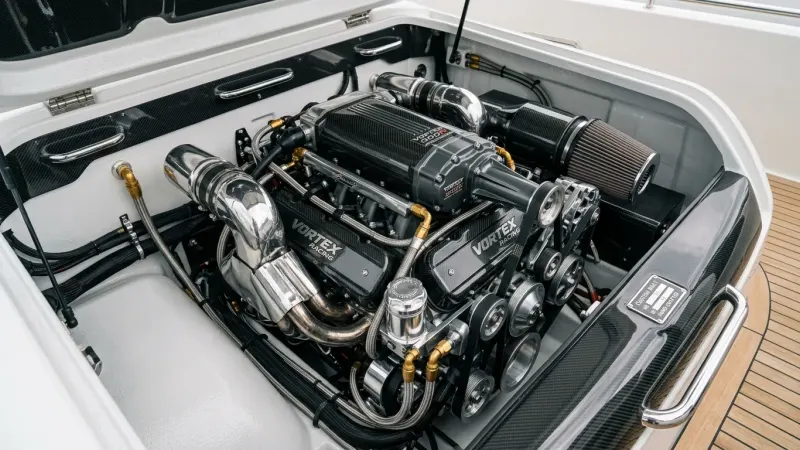
Think of your boat’s engine as its heart. Just like your own heart, it needs regular check-ups and good care to function optimally. Neglecting routine maintenance can lead to unexpected breakdowns, costly repairs, and, in some cases, dangerous situations far from shore. Proactive care ensures not only longevity but also better fuel efficiency and a smoother, more powerful ride. Based on my experience, preventative maintenance is always cheaper and less stressful than emergency repairs.
Pre-Cruise Checks: Your Daily Ritual
Before you even think about pushing off from the dock, a quick but thorough pre-cruise check can save you a world of trouble. This isn’t just a suggestion; it’s a golden rule for any seasoned boater.
- Check Fluid Levels: This includes engine oil, transmission fluid, power steering fluid (if applicable), and coolant. Make sure they are all at the manufacturer’s recommended levels. A dipstick is your best friend here!
- Inspect Belts and Hoses: Look for any signs of cracking, fraying, or looseness in belts. Squeeze hoses to check for softness or bulges, which could indicate wear.
- Battery Status: Ensure battery terminals are clean and tight. Check battery voltage if you have a monitor. Nobody wants to be stranded with a dead battery.
- Fuel System Check: Visually inspect fuel lines for leaks. Make sure your fuel tank is adequately filled for your planned trip.
- Bilge Pump Functionality: Give your bilge pump a quick test to ensure it’s operating correctly. Water in the bilge is inevitable, but an operating pump keeps it in check.
- Kill Switch: Always ensure your engine’s kill switch lanyard is accessible and functional. It’s a critical safety device.
Scheduled Maintenance: The Deep Dive
While daily checks are vital, regular scheduled maintenance is where the real magic happens for optimizing engine performance. These tasks go beyond simple visual inspections and often require a bit more time and effort, but they pay dividends in reliability.
Here’s a general overview of common scheduled tasks. Always refer to your engine’s owner’s manual for specific intervals and procedures, as they can vary greatly between manufacturers and engine types.
| Maintenance Task | Typical Interval | Why It’s Important |
|---|---|---|
| Engine Oil & Filter Change | Every 50-100 hours or annually | Lubrication, removes contaminants, prevents wear. |
| Fuel Filter Replacement | Every 100-200 hours or annually | Prevents fuel system clogs, ensures clean fuel delivery. |
| Spark Plug Replacement | Every 100-200 hours or annually | Ensures efficient combustion and reliable starting. |
| Water Separator Filter Check/Change | Every 50 hours or annually | Removes water from fuel, crucial for preventing engine damage. |
| Impeller Inspection/Replacement | Annually or every 100 hours | Critical for the cooling system, prevents overheating. |
| Zinc Anodes Replacement | Annually or as needed | Protects engine components from galvanic corrosion. |
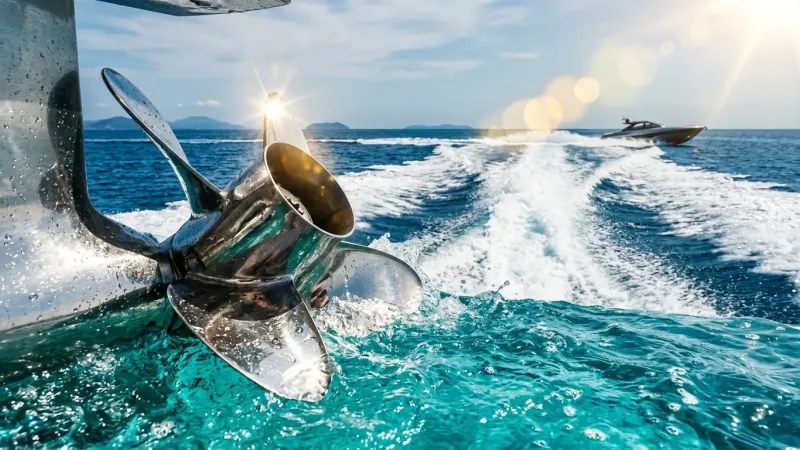
Remember to also check your propeller for damage and lubricate steering and throttle linkages annually. Clean and tighten all electrical connections too – corrosion is the enemy of marine electronics.
Post-Cruise Care: Tucking Her In
Your day on the water isn’t truly over until you’ve given your engine a little post-cruise love. This is particularly important for saltwater environments.
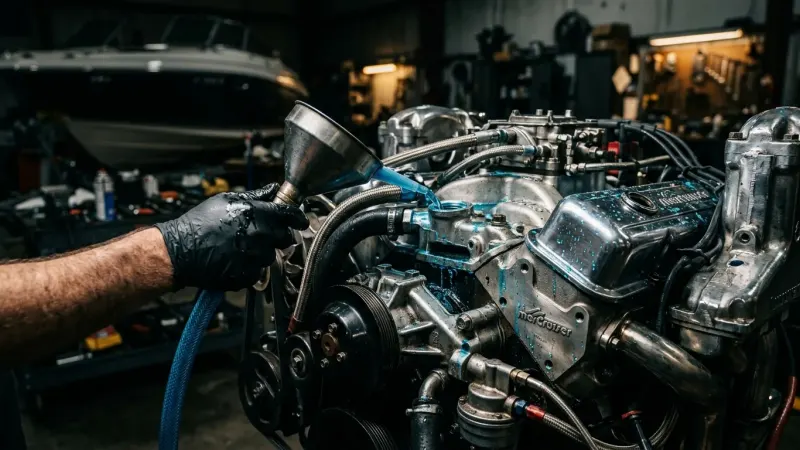
- Flush the Engine: If you’ve been in saltwater, flushing your engine with fresh water is crucial to prevent salt buildup and corrosion. Follow your engine’s manual for proper flushing procedures.
- Wash Down: Rinse the exterior of your engine (if accessible) and the engine compartment with fresh water to remove salt spray.
- Check for Leaks: Take a moment to look for any new drips or leaks that might have appeared during your trip.
- Stabilize Fuel: If the boat will be sitting for more than a few weeks, add a fuel stabilizer to prevent fuel degradation.
When Things Go South: Practical Troubleshooting on the Water
Even with meticulous maintenance, sometimes things go wrong. Knowing how to diagnose common issues can be a lifesaver, especially when you’re miles from the nearest dock. Don’t panic; approach the problem methodically.
Engine Won’t Start: The Dreaded Silence
This is arguably the most common and frustrating issue. But what would you do in this situation? Here’s a troubleshooting checklist:
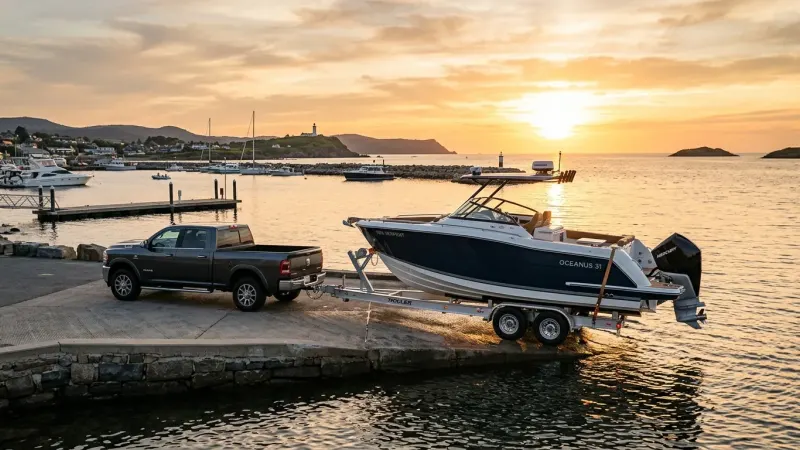
- Kill Switch: Seriously, check it! Many a boater has felt foolish after realizing the kill switch lanyard wasn’t engaged. For example, imagine this situation: You’re at the ramp, eager to launch, turn the key, and… nothing. After twenty minutes of frantic checks, you notice the lanyard is dangling. Happens to the best of us!
- Battery: Is the battery switch on? Are the terminals clean and tight? Do you hear a click from the starter solenoid? Try turning on other electrical systems (lights, radio). If they’re weak or dead, it’s likely your battery.
- Starter Motor: If you hear a click but no crank, it could be a faulty starter or solenoid.
- Fuel: Do you have enough fuel? Is the fuel valve open? Try priming the fuel bulb (if equipped) – does it get firm? Air in the fuel lines or a clogged fuel filter can prevent starting.
Overheating: Steam and Stress
An overheating engine is a serious warning sign and requires immediate attention. Steam, a hot engine compartment, or a dashboard warning light indicate trouble.
- Check Water Intake: Is the raw water intake (seacock) open? Is something blocking the strainer or the intake grate on the hull?
- Impeller: A worn or damaged raw water pump impeller is a prime suspect. No water flow means no cooling.
- Belt: Is the serpentine belt driving the raw water pump intact and properly tensioned?
- Coolant Level: For closed cooling systems, check the coolant reservoir.
If your engine overheats, shut it down immediately to prevent severe damage. Let it cool before investigating further.
Loss of Power: The Lagging Feeling
When your boat feels sluggish or can’t reach its usual RPMs, it’s a clear sign something is amiss.
- Fuel System: A clogged fuel filter, contaminated fuel, or a failing fuel pump can starve the engine. Check the water separator for water accumulation.
- Propeller: A bent or damaged prop can cause significant power loss and vibrations. Even a fishing line wrapped around it can reduce efficiency.
- Air Intake: Ensure air filters aren’t clogged and the engine is getting adequate airflow.
- Spark Plugs: Fouled or worn spark plugs can lead to misfires and reduced power.
Vibrations or Unusual Noises: Listen to Your Boat
Your boat talks to you through its sounds and sensations. Learn to listen. New vibrations or strange noises are often early indicators of a problem.
- Propeller/Shaft: Vibrations are often prop-related – bent blades, out of balance, or something caught on it. A bent prop shaft is also a possibility.
- Engine Mounts: Worn or loose engine mounts can cause excessive vibration.
- Bearings: Squealing, grinding, or clunking noises can indicate issues with bearings in the alternator, water pump, or other rotating components.
- Exhaust Leak: A loud, popping sound could be an exhaust leak.
What to Watch Out For & Common Mistakes to Avoid
Being observant can help you catch problems before they become major headaches. And let’s be fair, we all make mistakes, but some are more common (and costly) than others.
Early Warning Signs You Shouldn’t Ignore
Your dashboard gauges are your first line of defense, but also pay attention to your senses:
- Dashboard Warnings: Don’t ignore check engine lights, low oil pressure, or high temperature warnings.
- Unusual Smells: The smell of burning rubber (belts), hot oil, or exhaust fumes should never be ignored.
- Drips or Leaks: Any new fluid under the engine should be investigated immediately.
- Changes in Sound: A new knocking, squealing, or grinding noise needs your attention.
- Excessive Smoke: Blue, black, or white smoke from the exhaust indicates different types of engine issues.
Common Maintenance Blunders
Based on my experience as a yacht broker and boating enthusiast, here are a few common pitfalls that boat owners often encounter:
- Ignoring the Owner’s Manual: This is your engine’s bible! Manufacturer recommendations are there for a reason. Adhering to them is crucial for warranty and longevity.
- Neglecting Fuel Quality and Filtration: Marine engines are particularly sensitive to fuel quality. Using old, contaminated, or improper fuel, or neglecting your fuel filters, is a recipe for disaster. Fuel system issues are, in my opinion, the number one cause of breakdowns.
- Using the Wrong Parts or Fluids: Always use marine-grade parts and fluids specified by the manufacturer. Automotive parts often aren’t designed for the harsh marine environment.
- Procrastination: “I’ll do it next week” often turns into “I wish I had done it last month.” Regular, timely maintenance prevents small issues from escalating.
- DIY Beyond Your Skill Level: While basic maintenance is encouraged, know your limits. Complex repairs or diagnostics are best left to certified marine mechanics. Trying to save a few bucks can lead to far greater expenses. For complex electrical issues, for example, check our guide to marine electrical systems before attempting a fix yourself.
Frequently Asked Questions
How often should I change my boat’s engine oil?
Most power boat engines require an oil and filter change every 50-100 hours of operation or at least once a year, whichever comes first. Always check your specific engine’s owner’s manual for the precise recommended interval.
What are the signs of a bad impeller?
Signs of a failing raw water pump impeller include the engine overheating, a weak or absent stream of water from the exhaust tell-tale, or a higher-than-normal engine temperature gauge reading. It’s a critical component for cooling.
Can I use automotive parts for my marine engine?
It’s strongly advised against using automotive parts for marine engines, especially for critical components. Marine parts are specifically designed to withstand the corrosive saltwater environment and often have different safety standards, such as ignition protection.
Why is fuel quality so important for marine engines?
Marine engines are often exposed to more moisture and temperature fluctuations than automotive engines, making fuel more susceptible to contamination and degradation. High-quality, stabilized fuel prevents clogs, corrosion, and ensures efficient combustion, protecting your engine’s delicate components.
There you have it, fellow boaters! Optimizing your power boat’s performance isn’t a dark art; it’s a commitment to understanding and caring for your engine. By following these maintenance guidelines and knowing how to approach common troubleshooting scenarios, you’ll not only extend the life of your vessel but also drastically improve your time on the water. Keep those engines purring, stay safe, and enjoy every moment that Sail & Power & Boats & Motor Yachts allows you to experience!