

Your First Sailboat: A Beginner’s Guide to Choosing, Owning, and Enjoying Your New Vessel (2026)

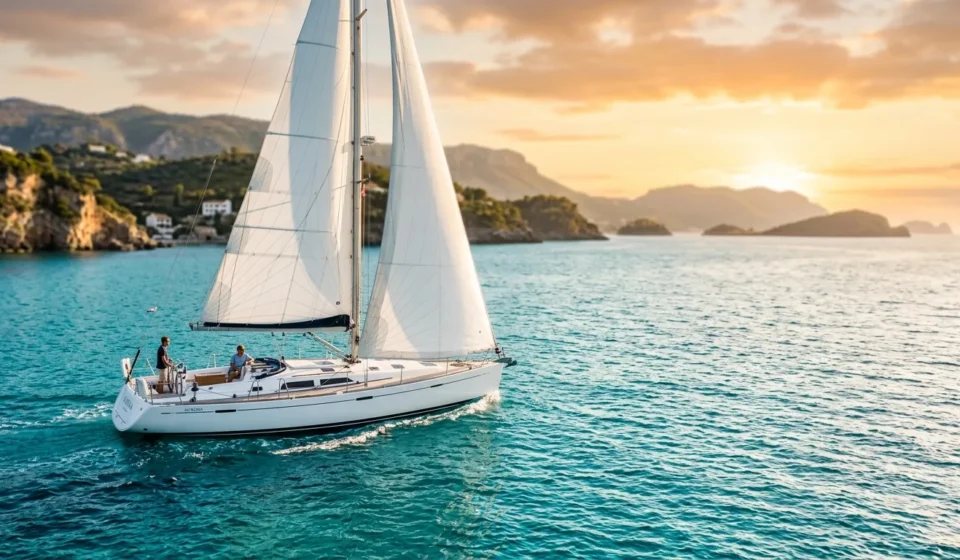
Welcome aboard, future sailor! Deciding to buy your first sailboat is an exciting journey, one that promises freedom, adventure, and a deep connection with the water. This comprehensive guide will walk you through the essential steps of choosing the right vessel for your dreams, understanding the realities of ownership, and ultimately, enjoying every moment out on the waves. From navigating different boat types to understanding maintenance, we’ll cover what you need to know to make your first sailboat experience a success.
Table Of Content
- 1. Setting Sail: What Kind of Sailor Are You?
- Define Your Sailing Dreams
- Budgeting for Your First Sailboat
- 2. Choosing Your First Vessel: Size, Type, and Condition
- Size Matters: Finding Your Sweet Spot
- Monohull vs. Catamaran: The Great Debate for Beginners
- New or Used? The Smart Choice for First-Timers
- 3. The Realities of Ownership: Maintenance, Mooring, and More
- Essential Maintenance You Can’t Ignore
- Finding Your Home Port: Dockage and Storage
- Insurance and Safety Gear: Non-Negotiables
- 4. Navigating the Waters: Learning, Enjoying, and Growing
- Getting Your Education: Courses and Mentors
- Your First Voyages: Building Confidence
- Joining the Community: Clubs and Fellow Sailors
- What to Watch Out For When Buying Your First Sailboat
- Common Mistakes First-Time Sailboat Owners Make
- Frequently Asked Questions
- What’s the best size for a first sailboat?
- Should I buy a new or used sailboat?
- What are the hidden costs of sailboat ownership?
- Do I need sailing lessons before buying?
For decades, I’ve had the privilege of helping countless individuals find their perfect boat, and honestly, there’s nothing quite like the joy of a first-time owner taking the helm. It’s a significant step, and like any big decision, it comes with questions. What kind of sailboat is right for you? What are the hidden costs? How do you even begin to learn the ropes? Don’t worry, we’re going to break it all down, friend to friend.
1. Setting Sail: What Kind of Sailor Are You?
Before you even look at a single boat, the most critical step is to look inward. What are your sailing dreams? Are you envisioning serene day sails around a local lake, adventurous coastal cruising, or perhaps joining a local race series? Your aspirations will heavily influence the type, size, and features of the sailboat that’s right for you.
Define Your Sailing Dreams
- Day Sailing/Coastal Cruising: Many beginners start here. You’ll want a boat that’s easy to handle, responsive, and comfortable for a few hours or a weekend trip. Think trailerable boats or smaller keelboats (20-30 feet).
- Extended Cruising: If you dream of longer voyages, even living aboard, you’ll need a more robust, self-sufficient vessel with ample storage, comfortable accommodations, and offshore capabilities. These tend to be larger (30+ feet).
- Racing: For the competitive spirit, performance and speed are key. Racing boats often have specialized rigging, lighter construction, and may sacrifice some creature comforts for speed. But what if you’re not sure yet? That’s okay! Most people evolve their sailing style over time.
Budgeting for Your First Sailboat
Let’s talk brass tacks: money. The purchase price is just the beginning. You need to factor in ongoing costs like insurance, dockage, maintenance, and gear. Based on my experience, many first-time buyers underestimate these recurring expenses. It’s vital to have a realistic budget for both the initial investment and the annual upkeep.
| Category | Typical Range (Entry-Level Sailboat) | Notes |
|---|---|---|
| Purchase Price (Used) | $5,000 – $30,000+ | Depends heavily on size, age, condition, and type. |
| Annual Dockage/Mooring | $1,000 – $5,000+ | Varies by location, boat size, and type of berth. |
| Annual Insurance | $300 – $1,500+ | Based on boat value, location, and your experience. |
| Annual Maintenance | $500 – $2,000+ | Bottom paint, engine service, sail repair, cleaning. Can be higher for older boats. |
| Safety Gear/Upgrades | $500 – $2,000 (initial) | Life jackets, flares, first aid, charts, electronics. |
Always add a buffer to your budget for unexpected repairs or upgrades. A good rule of thumb is to set aside 10-15% of the boat’s purchase price annually for maintenance and repairs, especially for older vessels.
2. Choosing Your First Vessel: Size, Type, and Condition
Once you have a clearer idea of your sailing goals and budget, it’s time to start looking at actual boats. This is where it gets really exciting! But don’t let enthusiasm cloud your judgment. A well-informed decision now will save you headaches later.
Size Matters: Finding Your Sweet Spot
For a beginner, I always recommend starting smaller than you might initially think. A boat between 20 and 30 feet is often ideal. Smaller boats are generally less expensive to buy, maintain, dock, and insure. More importantly, they are much easier to handle, teach you fundamental sailing skills quicker, and forgive minor mistakes more readily. Imagine this situation: you’re docking for the first time in a stiff breeze. Would you rather be wrestling a 40-foot behemoth or a nimble 25-footer? Exactly.
Monohull vs. Catamaran: The Great Debate for Beginners
- Monohulls: These are the traditional single-hulled sailboats. They heel (tilt) in the wind, which is part of the sailing experience. They are generally more affordable, offer better upwind performance, and are easier to find dockage for. Most first-time buyers opt for a monohull.
- Catamarans: With two hulls, cats offer incredible stability (they don’t heel much), more deck space, and shallow draft. However, they are significantly more expensive to buy and maintain, require larger dockage, and can be more complex to maneuver in tight marinas. For a first boat, a monohull is almost always the more practical and cost-effective choice.
New or Used? The Smart Choice for First-Timers
Hands down, for your first sailboat, buy used. New boats depreciate rapidly, and as a beginner, you’re going to learn a lot through trial and error – which can mean nicks, dings, and minor bumps. A used boat allows you to get on the water for a fraction of the cost, learn what you truly like and dislike in a boat, and then upgrade later if you wish, without taking a huge financial hit. There are so many fantastic, well-maintained used boats on the market that are perfect for beginners.
3. The Realities of Ownership: Maintenance, Mooring, and More
So far we’ve covered the exciting part of choosing. Now, let’s get to the really critical point: owning a sailboat is an ongoing commitment, much like owning a home, but with unique marine challenges. Being prepared for this reality will save you stress and keep you enjoying your vessel.
Essential Maintenance You Can’t Ignore
Regular maintenance is the backbone of safe and enjoyable sailing. This includes everything from routine engine checks, cleaning the hull to prevent marine growth, inspecting sails and rigging for wear and tear, and ensuring all safety equipment is in working order. I can’t stress this enough: a well-maintained boat is a safe boat. Don’t shy away from learning basic tasks; there are tons of resources, including our own Sailboat Maintenance Checklist.
Finding Your Home Port: Dockage and Storage
Where will your boat live? This is a crucial consideration. You’ll need to research local marinas for slip availability and pricing, or consider a mooring buoy. If you opt for a trailerable boat, you’ll need suitable storage at home or a facility. Proximity to where you live is a huge factor; the easier it is to get to your boat, the more you’ll use it.
Insurance and Safety Gear: Non-Negotiables
Just like your car, your sailboat needs insurance. This protects your investment and covers liability in case of an accident. Beyond insurance, a full complement of safety gear is paramount: life jackets for everyone on board, flares, a first-aid kit, fire extinguishers, a VHF radio, and proper navigation tools. Never skimp on safety. Seriously, this is one area where “good enough” isn’t good enough.
4. Navigating the Waters: Learning, Enjoying, and Growing
You’ve chosen your boat, you understand the responsibilities. Now for the best part: learning to sail and enjoying your new passion! This isn’t just about boat ownership; it’s about becoming a sailor.
Getting Your Education: Courses and Mentors
Even if you’ve sailed before, formal training is invaluable. Look for ASA (American Sailing Association) or US Sailing certified courses. These will teach you everything from basic boat handling and navigation to safety procedures. Beyond formal courses, finding an experienced mentor – perhaps a friend or a member of a local sailing club – can accelerate your learning curve significantly. I believe that hands-on experience with guidance is the fastest way to build confidence.
Your First Voyages: Building Confidence
Start small. Take short trips in calm weather. Practice docking, tacking, jibing, and reefing in familiar waters. Gradually extend your range as your skills and confidence grow. Don’t be afraid to make mistakes; every sailor, no matter how experienced, has had their share of learning moments. Patience and practice are your best friends here. You can also find tips on handling your sailboat in various conditions on our site.
Joining the Community: Clubs and Fellow Sailors
Sailing is a fantastic community. Join a local yacht club or sailing association. This is a great way to meet other sailors, get advice, participate in club races or cruises, and find crewing opportunities on other boats. The camaraderie among sailors is truly special, and you’ll find a wealth of knowledge and friendship.
What to Watch Out For When Buying Your First Sailboat
Buying a used sailboat can be a fantastic deal, but it also comes with potential pitfalls. Here’s what to keep a keen eye on:
- The “Fixer-Upper” Trap: While a cheap boat needing work might seem appealing, repair costs can quickly spiral out of control. Unless you have extensive DIY skills and time, avoid major projects for your first boat.
- Lack of a Survey: Never buy a used sailboat without a professional marine survey. A surveyor will identify structural issues, engine problems, and other hidden defects that could cost you thousands.</li&
- Outdated Electronics/Rigging: Upgrading old electronics or replacing worn-out standing rigging can be very expensive. Factor these costs into your budget if they’re needed.
- Engine Condition: The auxiliary engine is critical. Ensure it starts easily, runs smoothly, and has been regularly serviced. Engine repairs are costly.
- Soft Spots: Check the deck and hull for soft spots, which indicate water intrusion and rot in the core material. This is a major repair.
Common Mistakes First-Time Sailboat Owners Make
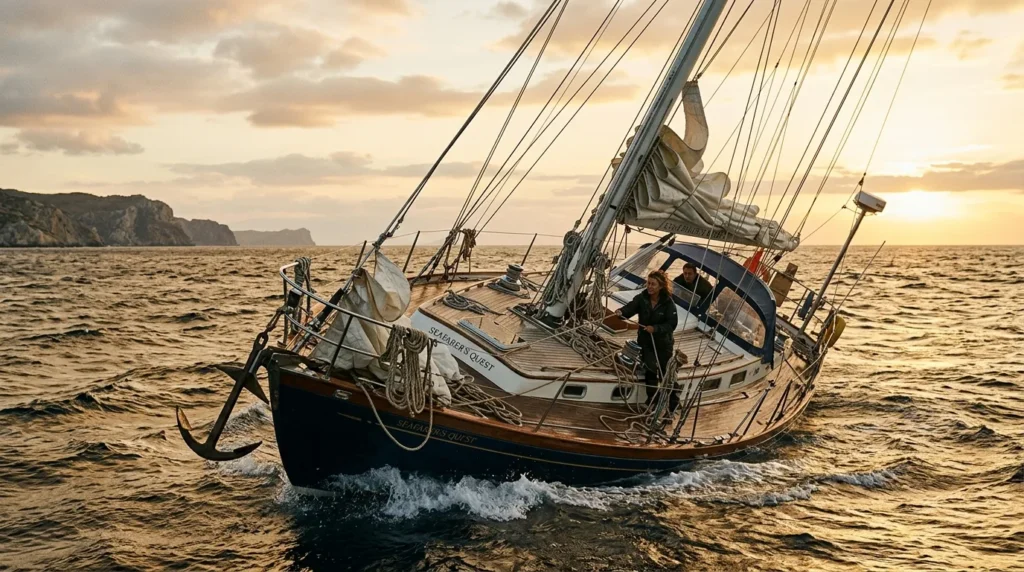
Based on my decades in this industry, I’ve seen these blunders more times than I can count. Learn from others’ missteps!
- Buying Too Big, Too Soon: As mentioned, bigger boats mean bigger costs and a steeper learning curve. Start small, gain experience, then move up.
- Neglecting Maintenance: Skipping routine checks or delaying repairs always leads to bigger, more expensive problems down the line. Preventative care is key.
- Not Taking Lessons: Thinking you can just “figure it out” can be dangerous and frustrating. Invest in professional instruction.
- Ignoring the Weather: Always check the forecast and understand how different conditions affect your boat and your abilities. Respect the sea.
- Isolating Themselves: Not joining a club or seeking advice from experienced sailors. The sailing community is a fantastic resource – use it!
Frequently Asked Questions
What’s the best size for a first sailboat?
For beginners, a sailboat between 20 and 30 feet is generally recommended. These boats are easier to handle, less expensive to maintain, and provide an excellent platform for learning fundamental sailing skills without being overwhelming.
Should I buy a new or used sailboat?
For your first sailboat, buying used is almost always the smarter choice. New boats depreciate quickly, and a used vessel allows you to gain experience and figure out your preferences without a significant initial investment. You can find many well-maintained used boats perfect for beginners.
What are the hidden costs of sailboat ownership?
Beyond the purchase price, expect ongoing costs for dockage or mooring, insurance, annual maintenance (bottom paint, engine service), necessary safety gear, and potential repairs or upgrades. Budgeting 10-15% of the boat’s value annually for these expenses is a good practice.
Do I need sailing lessons before buying?
While not strictly required before purchase, formal sailing lessons are highly recommended for safety and confidence. They provide essential skills like boat handling, navigation, and emergency procedures. Many new owners take lessons concurrently with their boat search or just after buying.
Embarking on your first sailboat ownership journey is an incredibly rewarding experience. It takes preparation, a realistic understanding of the commitment, and a willingness to learn, but the payoff in terms of freedom, adventure, and personal growth is immeasurable. Remember, the goal isn’t just to own a boat, but to enjoy it, to explore, and to become a confident sailor. Take your time, do your homework, and when the moment is right, cast off those lines and let the wind fill your sails. Fair winds and following seas, my friend!