


The Unspoken Truth of Boat Ownership: Beyond the Purchase Price
So, you’ve dreamed of owning a boat, pictured yourself cruising crystal-clear waters, or perhaps battling a trophy fish on the open sea. It’s a fantastic dream, one I’ve shared and helped countless others realize over my decades in the marine industry. There’s an undeniable allure to boat ownership, a freedom and connection to the water that few other pursuits can offer. However, the initial purchase price, while significant, is often just the admission ticket to a much larger financial commitment: ongoing maintenance.
Table Of Content
- The Unspoken Truth of Boat Ownership: Beyond the Purchase Price
- Beyond the Sticker Price: What Drives Your Annual Boat Expenses?
- Boat Type and Usage: Sail vs. Power, Fresh vs. Salt
- Age and Condition: The Older She Gets, The More She Needs
- Location and Storage: Marina Life vs. Backyard Bliss
- DIY vs. Professional Service: Balancing Savings and Expertise
- Deconstructing the Costs: Major Maintenance Categories
- Hull and Exterior Care: Keeping Her Looking Good and Performing Well
- Engine and Propulsion Systems: The Heartbeat of Your Boat
- Electrical and Plumbing Systems: Comfort and Safety Afloat
- Rigging and Sails (for Sailboats): The Wind’s Embrace
- Interior and Canvas/Upholstery: Protecting Your Investment and Comfort
- Safety Gear and Regulatory: Non-Negotiables for Peace of Mind
- Real-World Annual Costs by Boat Size
- Under 25 Feet: The Trailerables and Day Sailors
- 25-40 Feet: Weekend Cruisers and Mid-Sized Sailboats
- 40-60 Feet: Larger Cruisers and Small Yachts
- Over 60 Feet: The Yachting World
- Smart Strategies for Managing and Mitigating Maintenance Costs
- Preventative Maintenance is Paramount: A Stitch in Time
Many first-time boat owners, and even some seasoned ones, underestimate the true cost of keeping a vessel shipshape. They fall in love with the sleek lines or the powerful engine, overlooking the endless list of tasks that lie beneath the surface – tasks that keep the dream from turning into a nightmare of breakdowns and unexpected bills. Neglecting maintenance isn’t just a financial gamble; it’s a safety hazard and a surefire way to diminish your enjoyment and the boat’s resale value.
This isn’t to discourage you, but rather to arm you with the practical knowledge you need to be a responsible and happy boat owner. In this comprehensive guide, we’ll pull back the curtain on real annual boat maintenance costs, breaking them down by boat size and detailing the various factors that influence these expenses. My goal is to equip you with the insights to budget effectively, understand what goes into keeping a boat seaworthy, and ultimately, maximize your time on the water.
Beyond the Sticker Price: What Drives Your Annual Boat Expenses?
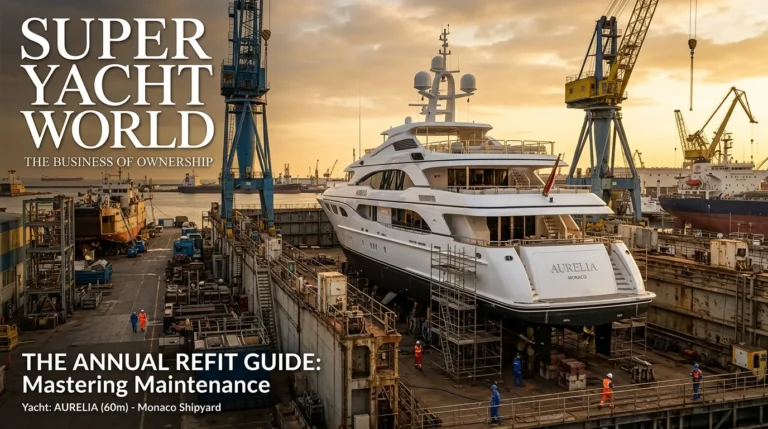
Understanding boat maintenance costs isn’t a simple equation; it’s influenced by a myriad of factors unique to each vessel and owner. These variables often dictate whether your annual upkeep bill will be a pleasant surprise or a wallet-wrenching shock. Let’s explore the key elements that contribute to your boat’s yearly financial demands.
Boat Type and Usage: Sail vs. Power, Fresh vs. Salt
The fundamental design of your boat significantly impacts maintenance. Sailboats, for instance, have complex rigging, sails, and often smaller auxiliary engines. Their maintenance focuses on sail repair, standing and running rigging inspection and replacement, and winch servicing, alongside routine engine care. Powerboats, on the other hand, typically feature larger, more powerful engines (sometimes multiple engines), intricate propulsion systems, and often more extensive electrical and plumbing systems for amenities. Their costs often lean heavily towards engine servicing, fuel system maintenance, and sophisticated electronics.
Where you boat also plays a critical role. Boats kept in saltwater environments face a constant battle against corrosion, marine growth, and electrolysis. This necessitates more frequent bottom painting with robust anti-fouling, diligent zinc anode replacement, and thorough freshwater washdowns after every use. Freshwater boating is generally less corrosive, potentially extending the life of certain components and reducing the frequency of specific tasks like bottom paint, but it still requires attention to engine cooling, winterization, and general upkeep.
Furthermore, how often you use your boat directly correlates to wear and tear. A boat that sees weekly use for fishing or cruising will naturally require more frequent fluid changes, filter replacements, and general inspections than one that sits idle for months. High-performance boats pushed to their limits will demand more rigorous engine and drive system maintenance compared to a leisurely cruiser. It’s a simple truth: the more you use it, the more you’ll need to maintain it.
Age and Condition: The Older She Gets, The More She Needs
The age of your boat is arguably one of the most significant cost drivers. A brand-new boat typically comes with warranties that cover major component failures, though routine maintenance is still essential and owners are responsible for those costs. Expect annual engine services, basic hull cleaning, and general checks. As a boat ages, however, components naturally wear out, requiring more frequent replacements of items like batteries, pumps, hoses, and electronics.
Older boats, particularly those over 15-20 years old, often require more extensive repairs or even full-scale refits. This can include replacing entire systems (electrical, plumbing, propulsion), addressing structural issues like dry rot or osmosis, or upgrading outdated navigation equipment. While a well-maintained older boat can be a fantastic value, one that has been neglected can quickly become a money pit. A thorough pre-purchase survey is absolutely vital for any used boat to identify potential lurking issues.
Location and Storage: Marina Life vs. Backyard Bliss
Where you store your boat and the climate it endures also impact costs. Marina slip fees, while not strictly maintenance, are a significant annual ownership expense, often ranging from $50 to $200+ per foot per year depending on location and amenities. If you keep your boat on a trailer, you save on slip fees but incur trailer maintenance costs, tire replacement, and potential storage fees if you don’t have space at home.
Climate is another factor. Boats in regions with harsh winters require comprehensive winterization services to prevent freezing damage to engines, plumbing, and other systems, often followed by de-winterization in the spring. This can add several hundred to a few thousand dollars annually. Boats in year-round warm climates avoid winterization but might require more frequent bottom cleaning due to faster marine growth. The availability and cost of skilled marine labor also vary significantly by geographic region, impacting repair bills.
DIY vs. Professional Service: Balancing Savings and Expertise
Performing some maintenance tasks yourself can certainly save money, particularly for smaller boats or routine tasks like waxing, oil changes, or simple filter replacements. There’s a satisfaction in understanding your boat’s systems and getting your hands dirty. However, knowing your limits is crucial. Complex engine diagnostics, fiberglass repairs, electrical troubleshooting, or intricate rigging work are often best left to certified marine professionals. Attempting a job beyond your skill set can lead to more costly damage and potential safety issues down the line.
I always advise owners to learn basic preventative maintenance and troubleshooting. Read your manuals, attend workshops, and ask questions. But for anything critical or complex, especially involving engines, transmissions, or structural integrity, don’t hesitate to call in the experts. Their specialized tools, experience, and certifications are an investment in your boat’s longevity and your peace of mind.
Deconstructing the Costs: Major Maintenance Categories
To truly grasp annual boat maintenance costs, we need to break them down into their core components. While specific numbers vary wildly, understanding these categories will help you anticipate where your money will likely go. Think of these as the essential pillars of your boat’s well-being.
Hull and Exterior Care: Keeping Her Looking Good and Performing Well
The hull is your boat’s foundation, and its care is paramount. For boats kept in the water, anti-fouling bottom paint is non-negotiable, preventing barnacles and other marine growth that can slow you down and damage the hull. This typically needs to be done annually or biennially, costing anywhere from $10 to $100+ per foot depending on the paint type and labor. To apply bottom paint, the boat must be hauled out, incurring yard fees for the lift and blocking, which can range from $10 to $20 per foot for a standard lift, plus daily storage charges.
Beyond the bottom, the topsides require regular cleaning, waxing, and polishing to protect the gelcoat from UV damage and keep it looking pristine. Professional detailing can run $5 to $20 per foot, but many owners opt to do this themselves. Don’t forget those vital zinc anodes, especially in saltwater; they sacrificially corrode to protect your metals and typically need replacing every 6-12 months, costing $50-$300 depending on the number and size. Occasional gelcoat repairs for minor dings or fiberglass work for more significant damage are also part of long-term hull care.
Engine and Propulsion Systems: The Heartbeat of Your Boat
For powerboats, and auxiliary engines on sailboats, the engine is the largest single maintenance cost center. Routine annual engine service is critical: oil and filter changes, fuel filter replacement, impeller inspection/replacement, and spark plug changes (for outboards). This usually costs between $300 and $1,000 per engine for smaller units, escalating significantly for larger, more complex diesels or multiple installations. Overlooking these basic services drastically shortens engine lifespan and increases the risk of costly breakdowns.
Beyond annual service, propulsion systems like outdrives, shafts, and propellers require attention. Sterndrives need gear oil changes and bellows inspection/replacement. Shafts and props need to be checked for alignment and damage. Cooling systems, heat exchangers, and exhaust components also demand periodic inspection and cleaning. And then there are the unpredictable, major repairs: a failed alternator, a seized starter, a clogged injector, or a transmission issue – these can easily run into thousands of dollars, making a strong case for preventative care.
Electrical and Plumbing Systems: Comfort and Safety Afloat
Modern boats are increasingly complex with electrical and plumbing systems that rival a small home. Batteries, the lifeblood of your electrical system, typically last 3-5 years and can cost $100-$500+ each to replace. Other electrical components like bilge pumps, navigation lights, wiring connections, and shore power systems need regular checks for corrosion or wear. Faulty electrical systems are not only inconvenient but also a significant fire hazard.
Plumbing systems encompass freshwater pumps, hoses, water heaters, and critically, the head (toilet) system and holding tank. Head systems, especially, are notorious for clogs, leaks, and odors if not properly maintained, often requiring specialized chemicals and occasional component replacement. Seacocks, which allow water in and out of the boat, must be regularly exercised and inspected for proper function. Any issues here can lead to anything from a mild annoyance to a serious sinking risk.
Rigging and Sails (for Sailboats): The Wind’s Embrace
Sailboats have their own set of unique maintenance demands. The standing rigging (the wires that support the mast) needs professional inspection every few years and typically requires full replacement every 10-15 years, a major expense that can range from a few thousand to tens of thousands of dollars depending on boat size and material. Running rigging (halyards, sheets) should be inspected annually for chafe and UV damage, with individual lines replaced as needed, often every 5-10 years.
Sails themselves need regular inspection for tears, chafe, and UV degradation. Minor repairs can extend their life, but eventually, sails will stretch out or become too degraded to perform efficiently, requiring costly replacement. Winches, crucial for sail handling, also need annual cleaning, greasing, and inspection to ensure smooth operation and prevent costly failures.
Interior and Canvas/Upholstery: Protecting Your Investment and Comfort
While often overlooked, the interior and exterior soft goods are important for comfort, aesthetics, and resale value. Canvas covers (biminis, dodgers, sail covers) protect the boat from the elements but are constantly exposed to sun and weather, requiring repair or replacement every 5-10 years. Upholstery, both interior and exterior, can suffer from UV damage, mildew, and general wear, occasionally needing cleaning or re-upholstering.
Inside, mildew prevention is a constant battle in damp marine environments. Regular cleaning, proper ventilation, and dehumidifiers are essential to protect woodwork, fabrics, and electronics. Neglected interiors can quickly detract from your boating experience and significantly impact the boat’s market value.
Safety Gear and Regulatory: Non-Negotiables for Peace of Mind
Finally, don’t forget the mandatory safety equipment and regulatory fees. Flares have expiration dates and must be replaced every few years. Fire extinguishers need to be checked and recharged or replaced periodically. Life rafts, especially for offshore cruising, require professional servicing every 2-3 years, a cost that can easily run into hundreds of dollars. These items are not just regulations; they are critical for your safety and the safety of your crew.
Annual boat registration or licensing fees are also a given, varying by state or country but typically a few hundred dollars. And while not maintenance, your boat insurance premiums are a vital annual ownership expense, protecting your investment and liability, and should always be factored into your budget.
Real-World Annual Costs by Boat Size
Now that we’ve explored the various cost categories, let’s get down to some real-world figures. It’s important to remember that these are averages and can fluctuate wildly based on the factors we’ve discussed. However, they provide a solid framework for budgeting and understanding what to expect at different size ranges.
Under 25 Feet: The Trailerables and Day Sailors
This category includes small center consoles, bowriders, pontoon boats, dinghies, small catboats, and smaller sport fishing boats. Many of these are trailerable, saving on slip fees, and often feature simpler outboard engines that are easier to service.
- Typical Cost Range: $500 – $2,500 annually.
- Breakdown:
- Engine Service (Outboard): $300 – $800 (annual oil change, fuel filters, spark plugs, impeller).
- Winterization/De-winterization: $200 – $500 (if in cold climate).
- Hull Cleaning/Waxing: $100 – $300 (often DIY).
- Trailer Maintenance: $100 – $300 (bearings, tires, lights).
- Miscellaneous Repairs/Supplies: $100 – $600 (fenders, lines, safety gear updates).
Example: A 20-foot runabout with an outboard might cost around $1,200 for its annual engine service, winterization, and a few small repairs or safety gear updates. Many owners of these smaller boats do a lot of the work themselves, keeping costs lower.
25-40 Feet: Weekend Cruisers and Mid-Sized Sailboats
This is where boats typically start to live in the water, meaning bottom paint and haul-out fees become regular expenses. They often have inboard engines, more complex electrical systems, and a wider array of amenities.
- Typical Cost Range: $2,500 – $10,000 annually.
- Breakdown:
- Bottom Paint: $800 – $3,000 (depending on boat size and paint type, often biennially).
- Haul-out and Yard Fees: $500 – $1,500 (for bottom work and inspection).
- Engine Service (Inboard Diesel/Gas): $600 – $2,000 (oil, filters, impeller, fuel system check).
- Zincs: $100 – $300.
- Hull Cleaning/Waxing (Professional): $300 – $1,000.
- Systems Maintenance (plumbing, electrical checks): $500 – $2,000 (including battery replacement every few years).
- Sailboat Specifics: Running rigging replacement, sail repair, winch service: $500 – $2,000 annually.
- Miscellaneous/Unexpected: $500 – $2,000.
Example: A 35-foot sailboat might incur $1,500 for bottom paint, $800 for haul-out, $1,000 for engine service, $500 for rigging inspection and minor repairs, plus another $1,500 for system checks and unexpected items, totaling around $5,300 for a well-maintained year. Neglect could easily double this.
40-60 Feet: Larger Cruisers and Small Yachts
At this size, boats typically feature multiple engines, generators, air conditioning, and a host of sophisticated electronics. Professional maintenance becomes almost a necessity due to the complexity and sheer scale of the vessel.
- Typical Cost Range: $10,000 – $30,000+ annually.
- Breakdown:
- Bottom Paint: $2,000 – $5,000+.
- Haul-out and Yard Fees: $1,000 – $3,000+.
- Multiple Engine Services: $2,000 – $6,000 (for twin diesels, plus generator).
- Systems Maintenance (AC, watermakers, advanced electronics): $2,000 – $8,000+.
- Professional Cleaning/Detailing: $1,000 – $4,000 (often monthly or quarterly).
- Zincs/Corrosion Control: $200 – $500.
- Sailboat Specifics: Rigging inspection, sail repair/replacement, winch service: $1,000 – $5,000.
- Unexpected/Major Repairs: $2,000 – $10,000+.
Example: A 50-foot motor yacht could easily see $3,000 for bottom paint, $1,500 for haul-out, $4,000 for dual engine and generator service, $2,000 for system checks and maintenance, and $3,000 for detailing, plus a contingency for unexpected issues, bringing the total to well over $15,000 annually. This is where costs truly begin to escalate.
Over 60 Feet: The Yachting World
Once you cross the 60-foot threshold, especially into the realm of superyachts, maintenance costs take a dramatic leap. These vessels are often managed by professional captains and crew, and their systems are incredibly complex and expensive to maintain.
- Typical Cost Range: $50,000 to hundreds of thousands or even millions annually.
- Breakdown:
- Full-time Crew Salaries: (Captain, engineer, stewardess) can be the largest single expense.
- Extensive Engine & Generator Service: Often multiple units, specialized technicians.
- Massive Haul-outs & Bottom Work: Requires large shipyards and specialized equipment.
- Complex System Maintenance: Stabilizers, thrusters, advanced navigation, entertainment, watermakers, waste treatment.
- Tender & Toy Maintenance: Jet skis, tenders, diving gear.
- Refits & Upgrades: Often planned on a multi-year cycle for interior, exterior, and systems.
- Fuel Costs: For large engines, this is a significant operational cost, distinct from maintenance but often grouped.
Personal Insight: “Owning a boat of this size is less about a hobby and more about managing a floating luxury property. The costs scale exponentially, not linearly, due to the specialized nature of the equipment, the need for professional oversight, and the sheer volume of systems that need attention. It’s an investment in a lifestyle, and the maintenance budget reflects that entirely.”
Smart Strategies for Managing and Mitigating Maintenance Costs
While maintenance is an unavoidable part of boat ownership, there are definitely smart ways to manage and even mitigate these expenses. A proactive approach is always more cost-effective than a reactive one, and a knowledgeable owner is a happy owner.
Preventative Maintenance is Paramount: A Stitch in Time
This is perhaps the most crucial piece of advice I can offer: religiously follow a preventative maintenance schedule. Regular inspections of your boat’s systems – from checking fluid levels and belts to scrutinizing hull fittings and electrical connections – can catch small issues before they snowball into catastrophic and expensive failures. Adhere strictly to the service schedules outlined in your engine and equipment manuals. An annual engine service, for example, is far cheaper than replacing a seized engine due to neglected oil changes.
Cleanliness also plays a massive role. Regular washing and waxing protect your boat’s surfaces and prevent corrosion and mildew from taking hold. If you live in a