


Why a Marine Survey is the Cornerstone of Your Yacht Purchase
Buying a yacht, whether it’s a sleek motor cruiser or a graceful sailboat, is a significant investment – often one of the largest purchases you’ll make outside of real estate. Unlike a car, a yacht operates in a far more demanding environment, constantly battling saltwater, sun, and the sheer forces of nature. This is precisely why a thorough, professional marine survey isn’t just a recommendation; it’s an absolute necessity. Think of it as your ultimate due diligence, safeguarding your hard-earned money and, more importantly, your future safety on the water.
Table Of Content
- Why a Marine Survey is the Cornerstone of Your Yacht Purchase
- The Hull and Structure: The Yacht’s Indispensable Foundation
- Mechanical, Electrical, and Plumbing Systems: The Heartbeat and Veins
- Rigging, Sails, Safety Gear, and Beyond: Comprehensive Yacht Assessment
- Leveraging the Survey Report: Your Blueprint for a Smart Purchase
As someone who has navigated the waters of yacht sales and ownership for decades, I’ve seen countless scenarios where a pre-purchase survey either saved a buyer from a financial nightmare or empowered them with the leverage to negotiate a fair deal. I recall one instance where a client was poised to buy a beautiful 45-foot sailboat that looked pristine on the surface. The survey, however, revealed significant osmotic blistering below the waterline and a failing engine mount that would have cost tens of thousands to rectify. Without that survey, my client would have inherited a very expensive problem, illustrating perfectly that a survey is an investment, not an expense. It typically costs a fraction of the yacht’s value, often between $15-$30 per foot, but can save you exponentially more.
But what exactly does a marine surveyor look for? And how do they provide such a comprehensive assessment? A skilled marine surveyor acts as an independent, unbiased expert, meticulously examining every accessible part of the vessel. They bring a wealth of knowledge regarding construction methods, marine systems, and safety standards, ensuring that you have a complete picture of the yacht’s true condition. This isn’t just about identifying major flaws; it’s about understanding the vessel’s overall health, its maintenance history (or lack thereof), and its suitability for your intended use.
The Hull and Structure: The Yacht’s Indispensable Foundation
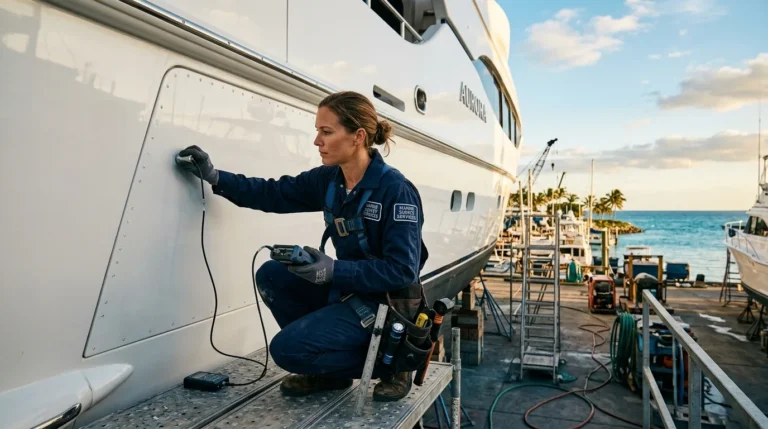
The hull is the very skin of your yacht, the barrier between you and the vast expanse of water. A surveyor’s examination of the hull and structural components is perhaps the most critical part of the entire survey. This isn’t just a quick glance; it involves a meticulous, often intrusive, inspection to uncover hidden issues that could compromise the vessel’s integrity and safety. What would seem like a minor cosmetic blemish to an untrained eye could, in reality, be a symptom of a much deeper structural problem.
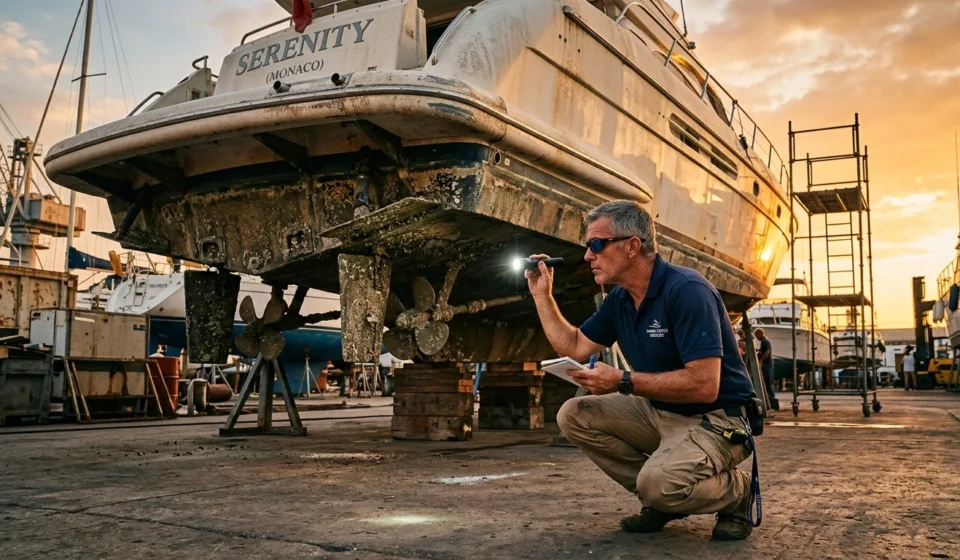
During the haul-out, which is usually required for a pre-purchase survey, the surveyor will begin by scrutinizing the exterior hull. For fiberglass boats, they’ll look for signs of osmotic blistering, gelcoat crazing, and previous repairs that might not have been properly executed. Using a moisture meter, they can detect elevated moisture levels in the laminate, indicating potential delamination or water intrusion. For steel or aluminum hulls, corrosion, pitting, and weld integrity are paramount concerns. Wooden boats require a keen eye for rot, worm damage, and the condition of seams and fastenings. I’ve personally seen beautiful classic wooden yachts that looked sound on the surface, only for the surveyor’s mallet to reveal significant areas of dry rot hidden behind fresh paint.
Below the waterline, the surveyor focuses on crucial components like the keel and rudder. They check for signs of impact damage, proper attachment, and any play in the rudder stock or bearings. The propeller, shaft, and cutlass bearing are also thoroughly inspected for bending, pitting, or excessive wear. Thru-hull fittings and seacocks, which are vital for preventing catastrophic flooding, are checked for corrosion, proper operation, and secure installation. Moving to the deck and superstructure, the surveyor will identify areas of deck delamination, particularly around deck hardware like cleats, stanchions, and winches, where water intrusion is common. They also assess the condition of windows, portlights, and hatches for leaks and structural integrity.
Inside the yacht, the structural inspection continues. The surveyor examines bulkheads, stringers, and frames for signs of stress cracks, water damage, or deformation. The bilge areas are checked for cleanliness and any indications of chronic water ingress, which can point to leaks from various systems or the hull itself. They’ll also assess the condition and secure installation of fuel, water, and holding tanks, looking for leaks, corrosion, or inadequate venting. A clean, dry bilge is often a good indicator of a well-maintained vessel, but a surveyor will dig deeper to ensure that cleanliness isn’t just a recent cover-up.
Mechanical, Electrical, and Plumbing Systems: The Heartbeat and Veins
Beyond the structural integrity, a yacht’s operational reliability hinges on its mechanical, electrical, and plumbing systems. These are the arteries and nerves of the vessel, and their proper functioning is critical not just for enjoyment, but for safety at sea. A surveyor won’t just confirm they turn on; they’ll delve into their condition, installation, and compliance with safety standards.
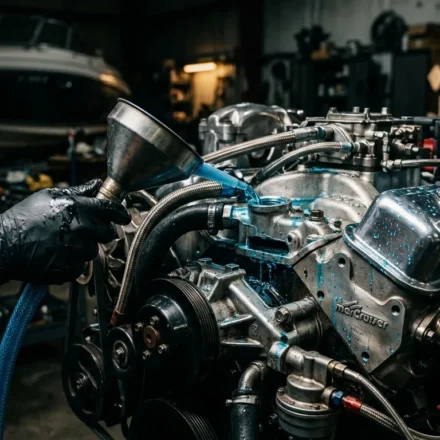
The engine room is often the first stop for a thorough mechanical inspection. The surveyor will visually inspect the main engine(s) and generator(s) for leaks, excessive corrosion, proper fluid levels, and the condition of belts, hoses, and wiring. They’ll scrutinize the exhaust system, heat exchangers, and cooling systems. A crucial part of this is verifying engine hours – often a point of contention – and comparing them against the vessel’s overall condition and maintenance logs. A sea trial is indispensable; during this phase, the surveyor observes engine performance under load, monitoring RPMs, temperatures, oil pressure, and exhaust emissions. They’ll listen for unusual noises, assess shifting mechanisms, and check for excessive vibration. For sailboats, the propeller shaft alignment and transmission are also key areas of focus. I remember a survey where a seemingly minor oil leak on a diesel engine was traced back to a cracked engine block, a repair that would have dwarfed the initial cost of the survey.
Electrical systems are notoriously complex on modern yachts and demand meticulous attention. The surveyor will check the overall wiring integrity, looking for chafing, corrosion, and proper securing. They verify that all circuits are correctly fused or protected by breakers and that the battery banks – often comprising multiple batteries for different systems – are in good condition, properly secured, and correctly wired. Charging systems, including alternators, battery chargers, and inverters, are tested for functionality. Navigation electronics, communication equipment (VHF, SSB), radar, and auto-pilot systems are powered up and checked for basic operation. The shore power system, including the inlet, cords, and galvanic isolator, is also carefully examined for safety and compliance with ABYC (American Boat & Yacht Council) standards.
Plumbing systems, while seemingly straightforward, are vital for comfort and hygiene. The freshwater system, encompassing pumps, lines, water heater, and fixtures, is checked for leaks, proper pressure, and sanitation. The wastewater system, including heads (toilets), holding tanks, and macerator pumps, is inspected for leaks, odor control, and proper operation. Crucially, all bilge pumps – both manual and automatic – are tested to ensure they function correctly and that their float switches are responsive. It’s not uncommon to find hoses with failing clamps or corroded seacocks that are just waiting for the opportune moment to fail, leading to potential flooding. A comprehensive check here can save you from a very messy and expensive situation down the line.
Rigging, Sails, Safety Gear, and Beyond: Comprehensive Yacht Assessment
While the hull and machinery form the core, a yacht is a complex ecosystem of specialized components. For sailboats, the rigging and sails are what harness the wind, and their condition is paramount for performance and safety. For all yachts, steering, safety equipment, and even the interior comforts contribute to the overall value and enjoyment of the vessel. A surveyor’s checklist extends to these critical areas, ensuring no stone is left unturned.
On a sailboat, the mast and boom are meticulously examined for straightness, cracks, and corrosion, especially around fittings. The standing rigging – the wires that support the mast (shrouds, stays) – is carefully inspected for broken strands, corrosion, and the integrity of swages or mechanical terminals. Turnbuckles are checked for freedom of movement and proper lubrication. Running rigging (halyards, sheets) is assessed for wear, chafing, and general condition. The sails themselves are not overlooked; the surveyor will look for tears, chafing, UV degradation, mildew, and the overall condition of stitching and hardware. Winches and other deck hardware are tested for smooth operation and proper mounting. A failure in any of these components at sea can be dangerous, so a thorough inspection here is non-negotiable.
The steering system, whether hydraulic or cable-driven, is critical for controlling the vessel. The surveyor will check for excessive play, leaks in hydraulic lines, or frayed cables. The autopilot system, if installed, is also tested for basic functionality. Furthermore, safety equipment is a major focus. This includes verifying the presence and condition of a life raft (and its inspection date), EPIRB (Emergency Position Indicating Radio Beacon), flares, life jackets, and fire extinguishers. The ground tackle – the anchor, chain or rode, and windlass – is inspected for corrosion, wear, and proper operation. Having reliable anchoring gear is essential for securing your vessel in various conditions.
Finally, while less about structural integrity, the surveyor also considers the overall condition of the yacht’s interior. They’ll note any persistent odors (mildew, fuel, exhaust), which can indicate underlying issues. The condition of upholstery, joinery, appliances, and overall cleanliness contributes significantly to the yacht’s perceived value and your eventual enjoyment. While cosmetic issues might not be deal-breakers, they can influence the negotiation process and give you a clearer picture of how well the yacht has been cared for over its lifetime. A well-maintained interior often reflects a well-maintained yacht overall.
Leveraging the Survey Report: Your Blueprint for a Smart Purchase
Once the marine surveyor completes their exhaustive inspection, you’ll receive a detailed written report. This document is far more than just a list of deficiencies; it’s your most powerful tool in the yacht buying process. It transforms subjective opinions into objective, actionable data, empowering you to make informed decisions and negotiate effectively. Without this report, you’re essentially buying blind, relying solely on the seller’s assurances and your own limited inspection skills.
Understanding the surveyor’s report is crucial. It will typically categorize findings into critical safety issues, deferred maintenance, and cosmetic deficiencies. Critical issues, such as structural compromises, major engine problems, or non-functional safety equipment, often warrant renegotiation of the price or require the seller to address them before closing. Deferred maintenance items, like worn-out hoses or aging batteries, might not be immediate safety hazards but represent future expenses you’ll incur. Cosmetic issues, while less urgent, can still contribute to the overall impression and negotiation strategy. For example, a surveyor once found significant corrosion in the fuel tanks of a vessel, a non-negotiable safety hazard. My client used this discovery to get a $20,000 price reduction, far exceeding the initial cost of the survey.
Based on the report, you have several options. You can use the findings to negotiate a lower purchase price that reflects the cost of necessary repairs, or you can request that the seller makes specific repairs before closing. In some cases, if the issues are too extensive or costly, you might decide to walk away from the deal altogether, saving yourself from a potential money pit. It’s also common to have follow-up inspections by specialized technicians, such as an engine mechanic for a detailed engine survey, or a rig expert for a comprehensive rigging inspection on a sailboat, especially if the surveyor flags specific concerns.
Before the final closing, it’s always wise to conduct a pre-closing walkthrough to ensure that any agreed-upon repairs have been completed to your satisfaction. Furthermore, keep in mind that most marine insurance companies will require a recent, satisfactory marine survey before they will issue a policy, particularly for older or higher-value vessels. Therefore, your investment in a professional marine survey not only protects your wallet and your safety but also facilitates the crucial step of securing adequate insurance coverage. Ultimately, the marine surveyor’s complete checklist is your roadmap to a confident and enjoyable yacht ownership experience.