


The Heart of Your Vessel: Understanding the Fundamentals
As anyone who’s spent significant time on the water will tell you, the engine is truly the heart of your boat. It’s what powers your adventures, gets you to your favorite fishing grounds, or carries you across vast expanses of ocean. Choosing the right propulsion system is one of the most critical decisions you’ll make when acquiring a vessel, impacting everything from your initial investment to your long-term enjoyment and the size of your maintenance bills. For many boaters, this choice often boils down to a fundamental question: marine diesel or outboard gasoline?
Table Of Content
- The Heart of Your Vessel: Understanding the Fundamentals
- Unpacking Reliability: Durability, Lifespan, and Maintenance
- Marine Diesel Engines: Built for the Long Haul
- Outboard Engines: Convenience Meets Performance
- The Bottom Line: A Comprehensive Cost Analysis
- Initial Purchase Price: Upfront Investment
- Fuel Efficiency and Running Costs: Miles Per Gallon (or Litre)
- Maintenance & Repair Expenses: The Ongoing Ledger
- Resale Value and Depreciation: What’s It Worth Later?
- Beyond the Numbers: Practical Considerations and Best Scenarios
- Vessel Type and Usage: Matching Power to Purpose
- Noise, Vibration, and Space: Comfort on the Water
- Safety and Redundancy: Mitigating Risks
- Making Your Choice: An Expert’s Perspective
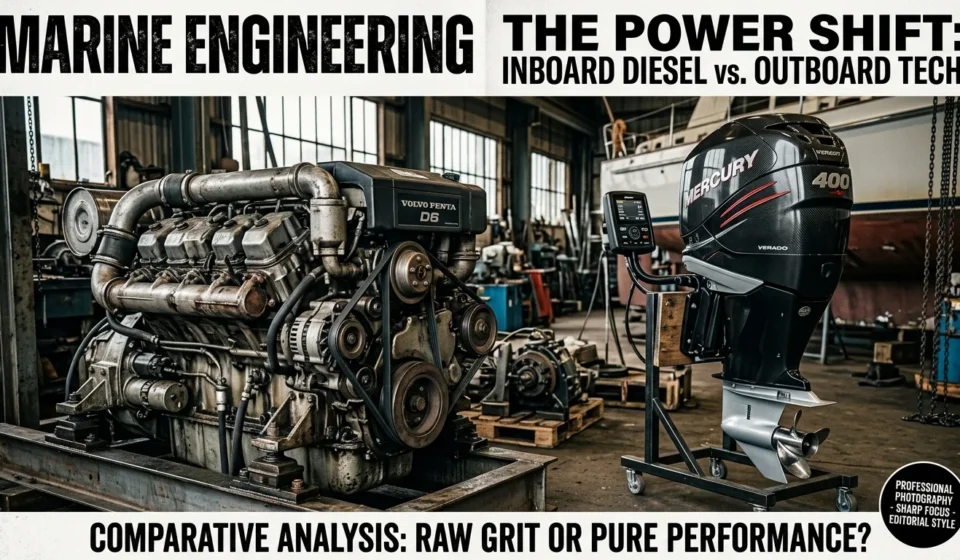
Each type of engine brings its own distinct advantages and disadvantages to the table, shaped by decades of engineering evolution and practical application. Marine diesel engines, typically found inboard, are renowned for their robust construction, impressive torque, and exceptional fuel efficiency, making them a staple for larger displacement vessels and long-distance cruising. Outboard engines, on the other hand, are celebrated for their convenience, power-to-weight ratio, and ease of maintenance, dominating the market for smaller to mid-sized recreational boats. Understanding the core characteristics of each is the first step in making an informed decision that aligns with your boating lifestyle and budget.
My goal here is to cut through the marketing jargon and give you a real-world, expert perspective on marine diesel versus outboard engines, focusing on the two most critical long-term factors: reliability and cost. We’ll dive deep into their operational nuances, maintenance demands, and what you can truly expect over years of ownership. So, whether you’re dreaming of a transoceanic passage or just a weekend run to the sandbar, let’s explore which engine will serve your ambitions best.
Unpacking Reliability: Durability, Lifespan, and Maintenance
When you’re out on the water, far from shore, reliability isn’t just a convenience; it’s a matter of safety and peace of mind. Both marine diesels and outboards have come a long way in terms of dependability, but their fundamental designs still dictate different expectations for longevity and required upkeep. Let’s break down what reliability truly means for each.
Marine Diesel Engines: Built for the Long Haul
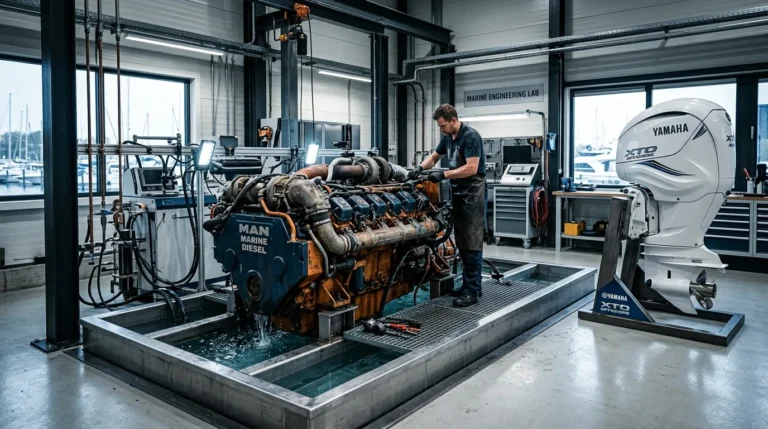
Marine diesel engines are often considered the workhorses of the marine world, engineered for continuous operation and heavy loads. Their robust construction, typically featuring heavier blocks, stronger internal components, and lower operating RPMs, contributes significantly to their impressive longevity. It’s not uncommon to see well-maintained commercial diesels clocking over 20,000 hours, and recreational marine diesels regularly surpass 5,000 to 10,000 hours before needing a major overhaul. This is largely due to the inherent durability of diesel combustion, which operates at lower peak pressures and temperatures compared to gasoline engines, reducing wear and tear on critical components.
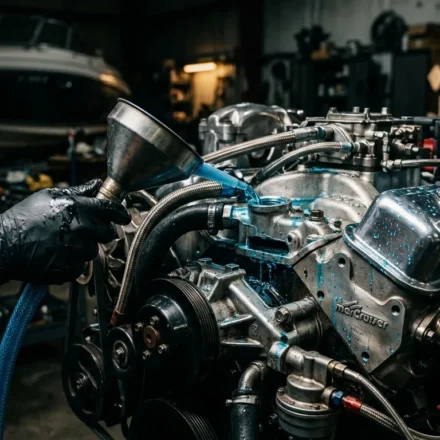
However, this longevity comes with a caveat: diligent maintenance. While diesel engines might have longer service intervals for some items, ignoring routine tasks like fuel filter changes, oil and transmission fluid checks, and cooling system maintenance can quickly lead to costly failures. Think of a clogged fuel filter starving the injectors, or a neglected heat exchanger causing overheating—these are situations I’ve seen sideline many a vessel. Access can also be a challenge, as these engines are typically tucked away deep within the hull, making some maintenance tasks physically demanding or requiring specialized tools and expertise. Despite this, their sheer resilience to harsh marine environments, including continuous saltwater exposure (indirectly, via the cooling system), makes them a top choice for serious cruisers and commercial operators.
Outboard Engines: Convenience Meets Performance
Outboard engines, especially modern four-stroke models, have seen monumental leaps in reliability over the past couple of decades. Gone are the days of temperamental two-strokes; today’s outboards are sophisticated power plants. With proper care, many recreational outboards can now reliably deliver 1,500 to 3,000 hours, and some high-end commercial models are pushing past 5,000 hours. Their lighter construction, higher operating RPMs, and often more complex electronic systems mean they operate differently, but not necessarily less reliably, than their diesel counterparts.
One of the biggest advantages of outboards is their ease of access for maintenance. Everything is right there, exposed on the transom, which makes routine tasks like oil changes, spark plug replacements, and fuel filter swaps much simpler, often allowing for DIY maintenance. This accessibility can translate to more consistent upkeep. However, outboards are more directly exposed to the elements. Saltwater corrosion, particularly on the lower unit and mounting brackets, is a constant threat and requires vigilant freshwater flushing after every saltwater use. While internal components are generally well-sealed, the high-revving nature of gasoline engines means regular servicing is crucial to prevent premature wear. I always tell my clients that consistent, even if minor, attention to an outboard will pay dividends in its lifespan.
The Bottom Line: A Comprehensive Cost Analysis
Beyond reliability, the financial implications of owning a marine engine are paramount. From the initial purchase to fuel, maintenance, and potential resale, the costs associated with marine diesel and outboard engines diverge significantly. Let’s break down the ledger for each.
Initial Purchase Price: Upfront Investment
This is often where the most immediate difference is felt. Marine diesel engines typically carry a substantially higher upfront cost than equivalent horsepower outboard gasoline engines. For instance, a new 300 HP marine diesel engine could easily run you anywhere from $30,000 to $60,000 or more, depending on the manufacturer and specific model, not including installation. A single 300 HP outboard, while still a significant investment, might range from $25,000 to $35,000. When considering multi-engine installations, the cost disparity can become even more pronounced. For a large yacht requiring twin diesels, the propulsion system alone can easily climb into the six figures. This higher initial outlay for diesels is a direct reflection of their robust construction, specialized components, and complex ancillary systems.
Fuel Efficiency and Running Costs: Miles Per Gallon (or Litre)
Here’s where diesel engines truly shine and often begin to offset their higher initial price over the long term. Diesel fuel is inherently more energy-dense than gasoline, meaning you get more power per gallon. Marine diesel engines, especially modern common-rail systems, are remarkably fuel-efficient, often consuming 30-40% less fuel than a comparable gasoline outboard to achieve the same work or distance. For example, a 40-foot trawler with a single diesel might burn 3-5 gallons per hour at hull speed, while a similar-sized planning hull with twin outboards might burn 20-30+ GPH at cruising speed. This difference in consumption, coupled with diesel fuel often being slightly cheaper per gallon in many regions (though this fluctuates), translates into significantly lower running costs for long-distance cruisers or commercial operators. Over thousands of hours, these savings can be substantial, often amounting to tens of thousands of dollars.
Maintenance & Repair Expenses: The Ongoing Ledger
Maintenance costs are a mixed bag. For diesels, routine maintenance intervals can sometimes be longer, but when parts are needed, they are often more expensive and may require specialized diesel mechanics whose labor rates are typically higher. Think about replacing high-pressure fuel injectors or a turbocharger – these are not inexpensive components. A major overhaul on a diesel engine could cost anywhere from $10,000 to $30,000+, depending on the engine size and extent of work. However, these major overhauls are infrequent due to their robust design.
Outboards, conversely, tend to have more frequent, but generally less expensive, routine maintenance tasks. Parts like spark plugs, fuel filters, and impellers are relatively affordable and often easier for a competent DIYer to replace. However, the higher operating RPMs and direct exposure to the elements can sometimes lead to more frequent minor issues or component failures related to corrosion or electrical systems. A full powerhead replacement on a modern outboard, while rare, can still run upwards of $15,000-$20,000, sometimes making it more economical to replace the entire engine. When you factor in annual winterization/de-winterization for outboards in colder climates, these routine expenses can add up. My rule of thumb: budget 5-10% of the engine’s value annually for maintenance, regardless of type, but prepare for larger, less frequent diesel bills versus smaller, more frequent outboard bills.
Resale Value and Depreciation: What’s It Worth Later?
The impact on resale value is another critical financial consideration. Well-maintained diesel engines, particularly in larger, displacement-hull vessels, tend to hold their value exceptionally well. Buyers of these types of boats often prioritize the longevity and efficiency that diesels provide, making them a desirable feature. A boat with a robust, recently serviced diesel engine can often command a premium in the used market.
Outboards, while popular, can depreciate somewhat faster, especially as new, more technologically advanced models are released. However, a boat equipped with a well-maintained, relatively new outboard package (especially twins) can still be a very attractive proposition for buyers looking for ease of use and modern performance. The key here, as always, is meticulous maintenance records and a clean appearance. An old, neglected outboard can significantly detract from a boat’s value, whereas a well-loved diesel often adds confidence for potential buyers.
Beyond the Numbers: Practical Considerations and Best Scenarios
While reliability and cost are paramount, the choice between marine diesel and outboard also hinges on a host of practical considerations directly related to your vessel type, intended use, and even personal preferences. It’s not just about the engine; it’s about the entire boating experience.
Vessel Type and Usage: Matching Power to Purpose
This is arguably the most important factor. For long-distance cruising, commercial fishing, or heavy displacement vessels (like trawlers, larger sailboats with auxiliary power, or expedition yachts), marine diesels are almost universally the propulsion of choice. Their superior torque at lower RPMs efficiently moves heavy hulls through water, and their fuel economy makes extended voyages practical. I’ve personally seen countless clients who initially considered gasoline inboards for larger boats eventually transition to diesel, simply because the range and efficiency benefits are undeniable for serious cruising.
Outboards, by contrast, excel in recreational fishing boats, runabouts, pontoon boats, and smaller to mid-sized center consoles or bowriders. Their excellent power-to-weight ratio allows for exhilarating speeds and nimble handling, perfect for watersports, day cruising, or getting to the fishing grounds quickly. The ability to tilt the engine completely out of the water is a huge advantage for shallow water operation, trailering, and preventing corrosion. For a 20-35 foot center console, twin or even triple outboards are the go-to, providing redundancy and impressive performance. My own 28-foot fishing boat runs twin outboards, and the sheer versatility it offers for different types of fishing and family outings is hard to beat.
Noise, Vibration, and Space: Comfort on the Water
Internal marine diesels, by their nature, transmit more noise and vibration through the hull, especially older models. While modern sound insulation and engine mounts have made significant strides, you’ll still typically experience more engine noise and vibration than with an outboard. This can be a factor for those prioritizing a quiet, serene cruising experience. The engine also occupies valuable internal space, often in the stern or amidships, dictating cabin layouts and storage.
Outboard engines, being external, significantly reduce noise and vibration transmitted into the boat’s interior, leading to a quieter ride. This also frees up a tremendous amount of internal space, which can be utilized for larger cabins, more storage, or expansive cockpits – a huge benefit for smaller boats where every inch counts. This external mounting also makes them easy to access, as discussed earlier, and keeps fuel fumes and potential leaks outside the boat, enhancing safety.
Safety and Redundancy: Mitigating Risks
Safety is always paramount. Diesel fuel is significantly less volatile than gasoline, meaning the risk of explosion from fumes or fire from leaks is considerably lower. This is a major factor for long-distance cruisers or those who operate in remote areas. A well-maintained diesel system is generally considered safer in terms of fire risk compared to a gasoline system, which requires meticulous ventilation and fuel system integrity.
However, outboards offer a different kind of safety: redundancy. Many recreational boats opt for twin outboards. If one engine fails, you can still get home on the other. This redundancy is a powerful safety net, especially when venturing offshore. While a single diesel might be incredibly reliable, if it fails, you’re truly dead in the water without an auxiliary “get home” engine. It’s a trade-off between the inherent safety of the fuel type and the operational safety of having multiple power sources.
Making Your Choice: An Expert’s Perspective
So, after dissecting the myriad factors, which engine reigns supreme for long-term reliability and cost? The truth, as it often is in the nuanced world of boating, is that there’s no single “best” answer. The optimal choice is entirely dependent on your specific needs, your boating ambitions, and your budget.
If your vision involves serious cruising, long passages, or operating a heavier vessel where fuel efficiency, immense torque, and extreme longevity are non-negotiable, a marine diesel engine is likely your champion. Yes, the initial investment is higher, and maintenance can be more specialized and costly when needed, but the operational economy and sheer durability over thousands of hours often make it the more financially prudent and reliable choice in the long run. My advice: invest in a good diesel, maintain it rigorously, and it will serve you faithfully for decades, sometimes outliving the boat itself.
Conversely, if your boating style leans towards day trips, weekend fishing, watersports, or operating a smaller to mid-sized planning hull, modern outboard engines offer an unbeatable combination of performance, convenience, and manageable maintenance. Their lower initial cost, ease of service, and the flexibility they offer in terms of space and speed are incredibly appealing. While their fuel efficiency might not match diesel and their lifespan might be shorter in hours, their overall cost of ownership can be lower for their typical usage patterns. If you go this route, commit to vigilant freshwater flushing and regular servicing, especially if you boat in saltwater, and your outboards will reward you with many years of trouble-free fun.
Ultimately, whether you choose the steadfast endurance of a marine diesel or the nimble power of an outboard, the key to long-term reliability and cost-effectiveness lies in one universal principle: meticulous maintenance. Know your engine, understand its needs, and never skimp on servicing. A well-cared-for engine, regardless of its type, is always the most reliable and cost-efficient engine in the long run. Happy boating!