


Why Yacht Insurance Isn’t Just a Luxury, It’s a Necessity
As a seasoned veteran of the marine industry, I’ve seen countless vessels, from modest sailboats to magnificent superyachts, grace the waters. Each one represents not just an investment, but a dream, a passion, and a significant commitment. Yet, one aspect often overlooked or misunderstood by even experienced owners is yacht insurance. Many view it as just another expense, a necessary evil, but I’m here to tell you it’s far more than that – it’s a critical safeguard for your prized possession and your financial well-being.
Table Of Content
- Why Yacht Insurance Isn’t Just a Luxury, It’s a Necessity
- Demystifying Yacht Insurance Coverage: What You Need to Know
- Key Coverage Components Explained
- Understanding the Costs: What Drives Your Yacht Insurance Premiums?
- Key Factors Influencing Your Premium
- Navigating the Pitfalls: Common Mistakes to Avoid When Insuring Your Yacht
- Critical Errors That Can Sink Your Coverage
- Choosing the Right Policy and Insurer: Expert Tips for a Smooth Voyage
- Actionable Steps for Smart Insurance Decisions
Imagine the unthinkable: a sudden storm, an unforeseen collision, or even an accidental fire. Without proper insurance, the financial repercussions could be devastating, potentially wiping out years of savings or even leading to bankruptcy. The sheer cost of salvage operations, repairs, or replacing a damaged vessel can run into hundreds of thousands, if not millions, of dollars. This isn’t just about covering your boat; it’s about protecting yourself from liabilities that could arise from an incident involving your yacht, whether it’s damage to other property or injuries to third parties.
I recall a client who, despite my advice, opted for minimal liability-only coverage on his beautiful 50-foot motor yacht to save a few dollars. Less than a year later, a fire originating from an electrical fault completely engulfed his vessel while docked, causing significant damage to the marina and a neighboring boat. The liability portion of his policy helped with the marina and other boat, but his own yacht was a total loss, uninsured for hull damage. He learned a very hard, and expensive, lesson about the true value of comprehensive coverage. Don’t let yourself be caught in such a predicament; investing in the right yacht insurance is investing in peace of mind.
Demystifying Yacht Insurance Coverage: What You Need to Know
Understanding the intricacies of yacht insurance policies can feel like navigating a complex chart in rough seas. There’s a vast ocean of terms and conditions, and knowing what each covers is paramount to ensuring you have adequate protection. Most policies fall into two broad categories: “All-Risk” and “Named Perils.” While “All-Risk” policies generally cover everything except specifically excluded events, “Named Perils” policies only cover what’s explicitly listed. For a valuable asset like a yacht, an “All-Risk” policy, while more expensive, is almost always the smarter choice.
Key Coverage Components Explained
- Hull & Machinery (H&M) Coverage: This is the backbone of any yacht insurance policy. It covers physical damage to the yacht itself, including its hull, machinery (engines, generators), equipment, and fittings. This protection extends to perils like collision, grounding, fire, theft, sinking, heavy weather, and even lightning strikes. The agreed value or actual cash value of your vessel will determine the payout in the event of a total loss.
- Protection & Indemnity (P&I) Coverage: Often considered the marine equivalent of third-party liability insurance, P&I is absolutely critical. It protects you against liabilities for bodily injury or death to crew, passengers, or third parties, as well as damage to other vessels, docks, or property. This coverage can also include pollution liabilities, which can be incredibly costly in the event of a fuel spill.
- Salvage & Wreck Removal: If your yacht sinks or is significantly damaged, you might be legally obligated to pay for its salvage and removal. These costs can be astronomical, especially if your vessel is in a tricky location or poses an environmental hazard. Good yacht insurance typically includes coverage for these expenses, preventing a financial disaster on top of a physical one.
- Personal Effects: Many policies offer coverage for your personal belongings on board, such as clothing, electronics, and other valuables. It’s crucial to understand the limits of this coverage and whether specific high-value items need to be itemized separately.
- Medical Payments: This coverage helps pay for medical expenses if someone is injured on your yacht, regardless of fault. It’s a valuable addition for quick resolution of minor incidents.
- Tender & Dinghy Coverage: Often, your policy will extend coverage to your tenders and dinghies, but it’s essential to confirm this and understand any limitations, especially if they are high-value vessels themselves.
Beyond these core elements, policies can also include coverage for towing and assistance, hurricane haul-out expenses, uninsurable perils (like war or terrorism, though less common for recreational yachts), and even chartering liability if you plan to charter your vessel. Always review the policy’s exclusions carefully; these are the specific situations or damages that your policy will NOT cover. Common exclusions might include wear and tear, gradual deterioration, marine life damage (like barnacles), or damage resulting from illegal activities or operating outside your specified navigation limits.
Understanding the Costs: What Drives Your Yacht Insurance Premiums?
The cost of yacht insurance isn’t a one-size-fits-all figure; it’s a highly individualized calculation influenced by a multitude of factors, much like the currents and winds affecting your voyage. Generally speaking, yacht insurance premiums typically range from 0.5% to 2% of the vessel’s insured value per year, but this is a broad estimate. Understanding these variables can help you anticipate costs and potentially find ways to reduce your premium without compromising essential coverage.
Key Factors Influencing Your Premium
- Vessel Type, Size, Age, and Value: Larger, more complex, and higher-value yachts inherently come with higher premiums due to the increased cost of repairs or replacement. Older vessels might also command higher rates unless they have been meticulously maintained and recently surveyed. Certain types of vessels, like high-performance powerboats, may also be deemed higher risk.
- Cruising Grounds and Navigation Limits: Where you plan to sail your yacht is a major factor. Navigating in high-risk areas prone to hurricanes (e.g., certain parts of the Caribbean during storm season) or piracy will significantly increase your premium. Conversely, restricting your cruising to calmer, more predictable waters can lead to lower rates. Insurers will define your “navigation limits,” and sailing outside these without prior agreement can void your policy.
- Owner’s Experience and Claims History: Your experience level as a boater plays a significant role. If you have extensive experience operating vessels of similar size and type, especially with formal training or certifications (like a captain’s license), you’ll generally be viewed as a lower risk. A history of claims, particularly preventable ones, will almost certainly drive up your rates.
- Safety Equipment and Vessel Condition: A well-maintained vessel equipped with modern safety features – such as updated navigation electronics, fire suppression systems, EPIRBs, life rafts, and robust bilge pump systems – can often qualify for discounts. Insurers appreciate owners who proactively mitigate risks.
- Deductible Amount: This is the amount you pay out-of-pocket before your insurance coverage kicks in for a claim. Choosing a higher deductible will lower your premium, but it also means you’ll bear more of the initial cost in an incident. It’s a balance between managing upfront costs and potential outlays during a claim.
- Lay-Up Period: If you keep your yacht out of the water or in a secure marina for a portion of the year (e.g., during the off-season or hurricane season), some insurers offer discounts for this “lay-up” period, recognizing the reduced risk.
For example, a new 40-foot sailboat kept in a protected marina in New England, owned by an experienced sailor with a clean claims history, might see annual premiums around 0.8% of its value. Contrast that with a 60-foot older motor yacht cruising the hurricane-prone waters of the Southern Caribbean during storm season, owned by a less experienced skipper with a few past claims – its premium could easily exceed 1.5% or even 2% of its insured value. It’s a complex equation, which is why working with a specialist marine insurance broker is invaluable.
Navigating the Pitfalls: Common Mistakes to Avoid When Insuring Your Yacht
Even with the best intentions, yacht owners can inadvertently make errors that compromise their insurance coverage or lead to significant financial headaches down the line. Avoiding these common mistakes is as important as choosing the right policy in the first place. Consider these not just as warnings, but as actionable advice from someone who’s witnessed the consequences firsthand.
Critical Errors That Can Sink Your Coverage
- Underinsuring Your Vessel: This is arguably the most common and costly mistake. Owners sometimes undervalue their yacht to save on premiums, only to discover after a total loss that their payout is insufficient to replace the vessel. Always ensure your “agreed value” accurately reflects the current market value of your yacht, including any major upgrades or refits. Regular surveys are essential to support this valuation.
- Misrepresenting Information: Whether intentional or not, providing inaccurate details to your insurer – about your experience, cruising grounds, vessel condition, or safety equipment – can lead to a denied claim. Insurers have the right to void a policy if they discover material misrepresentation. Always be truthful and thorough in your application.
- Not Understanding Policy Limits and Exclusions: Simply signing on the dotted line without reading the fine print is a recipe for disaster. You need to know your navigation limits, the specific perils covered (and excluded), the deductibles, and any conditions related to your policy. For instance, some policies require specific storm preparedness actions if a hurricane warning is issued.
- Failing to Notify Your Insurer of Changes: Have you installed a new engine, changed your home port, or decided to embark on an extended voyage outside your usual cruising grounds? These changes can affect your risk profile. Failing to inform your insurer can lead to a claim denial. It’s always better to over-communicate than to face an unpleasant surprise later.
- Neglecting Maintenance and Safety Checks: Insurance policies often imply a duty of care from the owner. If a claim arises from a preventable issue due to deferred maintenance or a known safety deficiency, your insurer may deny the claim. Regular maintenance, adherence to manufacturer guidelines, and annual surveys are not just good practice; they’re often prerequisites for valid coverage.
- Not Shopping Around or Using a Specialist Broker: Sticking with the first quote you get or relying on a general insurance agent who doesn’t specialize in marine risks can cost you. Marine insurance is a niche field, and specialist brokers have access to multiple carriers and possess the expertise to tailor a policy that genuinely fits your needs and budget. They can also advocate for you during the claims process.
- Ignoring Survey Recommendations: If your insurer requires a survey (especially for older vessels) and it identifies deficiencies, you typically have a timeframe to address them. Failing to complete these recommended repairs can invalidate your coverage related to those specific issues.
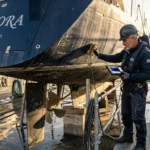
One time, a client had a grounding incident, and when the surveyor inspected the vessel, they found clear evidence of deferred maintenance on the rudder stock. While the grounding itself would have been covered, the subsequent damage was exacerbated by the weakened rudder. The insurer invoked an exclusion related to wear and tear and inadequate maintenance, leaving the owner with a hefty bill for repairs that could have been avoided with proper upkeep. The takeaway is clear: be proactive, be honest, and be informed.
Choosing the Right Policy and Insurer: Expert Tips for a Smooth Voyage
Selecting the right yacht insurance isn’t just about finding the cheapest premium; it’s about securing comprehensive protection that aligns with your specific vessel, cruising lifestyle, and risk tolerance. As someone who has helped countless owners navigate these waters, I can tell you that a little due diligence upfront can save you a world of trouble and expense down the line.
Actionable Steps for Smart Insurance Decisions
- Work with a Reputable Marine Insurance Broker: This is my single most important piece of advice. A specialist broker understands the nuances of marine insurance, has relationships with various underwriters, and can custom-tailor a policy to your exact needs. They act as your advocate, explaining complex terms, comparing quotes, and guiding you through the application and claims process. Avoid general insurance agents who might treat your yacht like an automobile; it’s a completely different risk profile.
- Compare Multiple Quotes and Understand the Nuances: Don’t just look at the bottom line. Get quotes from several reputable marine insurance providers. Carefully compare the coverage limits, deductibles, exclusions, navigation limits, and any special conditions across different policies. A slightly higher premium for broader coverage or fewer exclusions is often a worthwhile investment.
- Insist on an “Agreed Value” Policy: For most yachts, an “agreed value” policy is preferable. This means you and the insurer agree on the value of your yacht at the start of the policy term. In the event of a total loss, you receive that agreed-upon amount, avoiding depreciation disputes. “Actual cash value” policies, while cheaper, pay out the depreciated value, which can leave you significantly undercompensated.
- Review Your Policy Annually and After Major Changes: Your yacht’s value, your cruising plans, and even the market for marine insurance can change. Take the time each year to review your policy with your broker. Have you added new equipment? Changed your primary cruising area? Had a major refit? These warrant a policy review to ensure your coverage remains accurate and adequate.
- Understand the Claims Process: Before you ever need to file a claim, familiarize yourself with the process. Know who to contact, what information you’ll need to provide, and the steps involved. A good broker will walk you through this. Having photographs of your vessel, its equipment, and any relevant documents readily accessible can expedite the process.
- Prioritize Safety and Maintenance: As discussed, insurers favor responsible owners. By maintaining your yacht to a high standard, investing in modern safety equipment, and taking approved boating courses, you not only reduce your risk of incident but also demonstrate to insurers that you are a careful operator, potentially leading to better rates.
Ultimately, yacht ownership is about freedom, adventure, and joy. Don’t let the shadow of potential financial catastrophe dim that experience. By carefully considering your insurance options, understanding the coverage, costs, and common mistakes, and partnering with knowledgeable professionals, you can ensure your time on the water is truly worry-free. Your vessel is more than just a boat; it’s a part of your life, and it deserves the best protection you can provide.