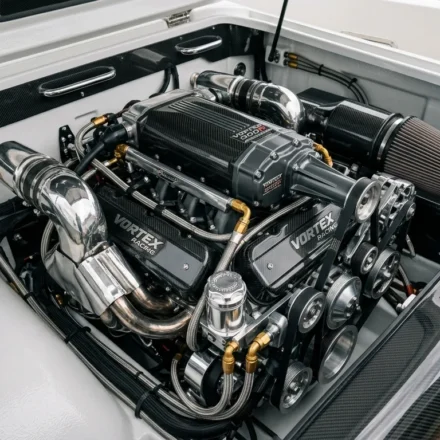


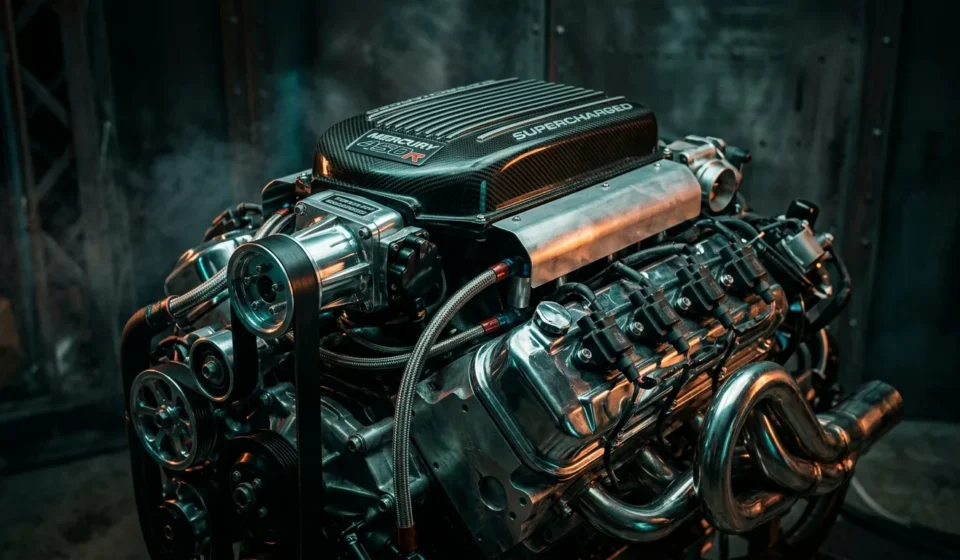

Every boater knows that a reliable engine is the heart of a great day on the water. To ensure your power boat engine performs optimally, offers peak efficiency, and enjoys a long, healthy life, regular maintenance and smart troubleshooting are absolutely non-negotiable. This guide will walk you through the practical steps to keep your marine engine purring like a kitten and help you tackle common issues head-on.
Table Of Content
- Why Engine Performance Matters (Beyond Just Speed)
- The Foundation: Routine Maintenance Steps
- The Daily Checks (Pre-Start)
- The Weekly/Monthly Must-Dos
- Annual Servicing: Don’t Skip It!
- Common Engine Troubles & How to Tackle Them
- Understanding the Symptoms
- Basic Troubleshooting Checklist
- What to Watch Out For & Common Mistakes</h2< Knowing what to do is important, but knowing what not to do, or what signs to pay extra attention to, can be just as critical for your power boat engine maintenance. Early Warning Signs You Shouldn’t Ignore Unusual Noises: Any new clunking, grinding, squealing, or knocking should immediately grab your attention. Vibrations: Excessive or new vibrations can indicate propeller damage, alignment issues, or internal engine problems. Fluid Leaks: Don’t dismiss even small drips. Identify the fluid and its source quickly. Warning Lights/Gauges: Always monitor your engine’s gauges (temperature, oil pressure, voltage) and never ignore a warning light. Odor: The smell of burning oil, rubber, or fuel is a definite red flag. Pitfalls to Avoid with Your Marine Engine Care Based on my experience, boat owners sometimes make these common mistakes that can lead to significant problems: Neglecting Fuel Quality: Stale fuel, water in the fuel, or contaminated fuel is a huge culprit for engine issues. Always use fresh fuel and consider fuel stabilizers, especially for storage. Over-DIYing Complex Repairs: While basic maintenance is encouraged, know your limits. Attempting complex engine repairs without proper knowledge or tools can cause more harm than good and void warranties. Ignoring Manufacturer’s Recommendations: Your engine’s manual is your bible. It contains specific service intervals and recommended products. Stick to them. Skipping Winterization/De-winterization: In colder climates, improper winterization can lead to catastrophic damage from freezing. Similarly, a poor de-winterization can cause issues when you launch. Frequently Asked Questions
- How often should I change my boat’s engine oil?
- What causes a boat engine to overheat?
- Can old fuel damage my engine?
- Is it okay to use automotive oil in my boat engine?
Why Engine Performance Matters (Beyond Just Speed)
When we talk about optimizing your engine’s performance, it’s not just about hitting top speeds or winning races. It’s fundamentally about safety, reliability, and peace of mind. A well-maintained engine is far less likely to leave you stranded miles from shore, making your boating adventures much safer and more enjoyable. Think of it as investing in worry-free cruising.
Beyond safety, proper engine care directly impacts your wallet. An engine running at its peak efficiency will consume less fuel, saving you money at the pump. It also prolongs the lifespan of costly components, deferring expensive repairs or even a full engine replacement. And honestly, isn’t that peace of mind worth a little regular attention? From my experience, neglecting routine service almost always leads to bigger, more expensive problems down the line.
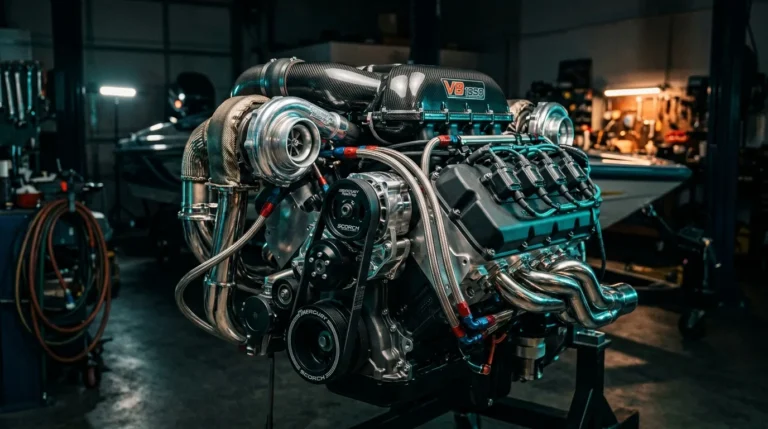
The Foundation: Routine Maintenance Steps
Regular maintenance isn’t a chore; it’s a ritual that builds a strong relationship between you and your boat. It’s about understanding your engine’s needs and addressing them proactively. Let’s break down the essential checks.
The Daily Checks (Pre-Start)
Before you even think about pushing that throttle, a quick visual inspection can save you a world of trouble. This is your chance to spot potential issues before they become real problems.
- Check Fluid Levels: Engine oil, coolant, power steering fluid, and transmission fluid should all be at their recommended levels. Look for any leaks or unusual discoloration.
- Inspect Belts & Hoses: Ensure belts are snug and free of cracks, fraying, or excessive wear. Check hoses for bulges, cracks, or soft spots, and confirm all clamps are secure.
- Battery Terminals: Make sure they’re clean, tight, and corrosion-free. A loose connection can ruin your day before it even starts.
- Fuel System Visual: Look for any signs of fuel leaks around the lines, filters, and tank. Maintaining a clean fuel system is paramount.
The Weekly/Monthly Must-Dos
These tasks go a bit deeper than your daily checks and are vital for preventing wear and tear that builds up over time. If you’re a frequent boater, consider these weekly; for occasional use, monthly might suffice.
- Flush Engine (Saltwater Use): Always flush your engine with fresh water after use in saltwater to prevent corrosion buildup in the cooling system.
- Inspect Propeller: Check for dings, bends, or fishing line wrapped around the shaft. A damaged prop can vibrate and cause serious damage to your drivetrain.
- Check Anodes/Zinc: Sacrificial anodes protect your engine from galvanic corrosion. Inspect their condition and replace them when they’re about 50% depleted. This is a big one for longevity!
- Clean & Inspect Strainers: Raw water strainers can get clogged with seaweed or debris, restricting cooling water flow. Keep them clean.
Annual Servicing: Don’t Skip It!
This is your engine’s annual physical, and it’s where the deeper maintenance happens. Even if you’re handy, some of these tasks might be best left to a certified marine mechanic, especially for complex systems. This ensures everything is inspected thoroughly and correctly.
| Service Item | Description & Importance | Frequency (or Hours) |
|---|---|---|
| Oil & Filter Change | Removes contaminants, maintains lubrication. Crucial for engine health.</td& | Annually or every 100 hours |
| Fuel Filter Replacement | Prevents fuel system contamination, ensures clean fuel delivery. | Annually or every 100-200 hours |
| Spark Plugs (Gas Engines) | Ensures efficient combustion, prevents misfires and poor fuel economy. | Annually or every 100-200 hours |
| Impeller Replacement | Ensures proper raw water cooling. A failed impeller leads to overheating. | Annually or every 100 hours |
| Gear Lube Change (Outboards/Stern Drives) | Lubricates and cools lower unit gears. Prevents expensive damage. | Annually or every 100 hours |
| Coolant Check/Flush | Maintains cooling system efficiency, prevents corrosion. | Every 2-5 years or per manufacturer spec |
Common Engine Troubles & How to Tackle Them
Even with the best maintenance, things can sometimes go wrong. The key is to recognize the symptoms and know how to perform some basic troubleshooting. This can often get you out of a sticky situation or at least help you describe the problem accurately to a mechanic. But what would you do in this situation?
Understanding the Symptoms
Your engine communicates its distress through various signs. Learning to interpret these can be a lifesaver. For example, imagine this situation: you’re cruising along on a beautiful afternoon, and suddenly your engine sputters, then dies. Panic sets in, but if you know what to check, you can quickly diagnose and potentially fix the issue.
Basic Troubleshooting Checklist
Here’s a quick reference for some of the most common issues you might encounter:
| Problem | Possible Cause(s) | Quick Fix/Check |
|---|---|---|
| Engine Won’t Start | Dead battery, bad starter, fuel issues (no fuel, clogged filter), ignition problem, kill switch engaged. | Check battery connections & charge, ensure kill switch is off, check fuel level & primer bulb. |
| Overheating | Clogged raw water intake, bad impeller, low coolant, blocked heat exchanger, thermostat failure. | Check raw water intake for blockages, ensure cooling water stream is strong from exhaust. Read our guide on marine cooling systems. |
| Loss of Power / Sputtering | Clogged fuel filter, stale fuel, fouled spark plugs, fuel line air leak, fuel pump issue. | Check fuel filter, ensure fresh fuel, inspect spark plugs (if accessible). |
| Excessive Smoke |
|
Check oil level, air filter, fuel system, and coolant level. Consult a mechanic for white smoke. |
What to Watch Out For & Common Mistakes</h2<
Knowing what to do is important, but knowing what not to do, or what signs to pay extra attention to, can be just as critical for your power boat engine maintenance.
Early Warning Signs You Shouldn’t Ignore
- Unusual Noises: Any new clunking, grinding, squealing, or knocking should immediately grab your attention.
- Vibrations: Excessive or new vibrations can indicate propeller damage, alignment issues, or internal engine problems.
- Fluid Leaks: Don’t dismiss even small drips. Identify the fluid and its source quickly.
- Warning Lights/Gauges: Always monitor your engine’s gauges (temperature, oil pressure, voltage) and never ignore a warning light.
- Odor: The smell of burning oil, rubber, or fuel is a definite red flag.
Pitfalls to Avoid with Your Marine Engine Care
Based on my experience, boat owners sometimes make these common mistakes that can lead to significant problems:
- Neglecting Fuel Quality: Stale fuel, water in the fuel, or contaminated fuel is a huge culprit for engine issues. Always use fresh fuel and consider fuel stabilizers, especially for storage.
- Over-DIYing Complex Repairs: While basic maintenance is encouraged, know your limits. Attempting complex engine repairs without proper knowledge or tools can cause more harm than good and void warranties.
- Ignoring Manufacturer’s Recommendations: Your engine’s manual is your bible. It contains specific service intervals and recommended products. Stick to them.
- Skipping Winterization/De-winterization: In colder climates, improper winterization can lead to catastrophic damage from freezing. Similarly, a poor de-winterization can cause issues when you launch.
Frequently Asked Questions
How often should I change my boat’s engine oil?
Most marine engine manufacturers recommend changing the oil and filter annually, or every 100 hours of operation, whichever comes first. Even if you don’t use your boat much, moisture and contaminants can build up over time, so the annual change is crucial.
What causes a boat engine to overheat?
Overheating is commonly caused by a lack of cooling water. This can be due to a clogged raw water intake, a worn-out impeller in the water pump, low coolant levels in closed-loop systems, or a blocked heat exchanger. Always check for a strong stream of water exiting the exhaust.
Can old fuel damage my engine?
Absolutely. Old or stale fuel can lead to poor engine performance, sputtering, and even significant damage to fuel system components. Ethanol in fuel is especially problematic as it can attract water and break down over time. Always use fresh fuel and consider a good fuel stabilizer, particularly for storage periods.
Is it okay to use automotive oil in my boat engine?
No, it’s generally not recommended. Marine engines operate under different conditions (higher loads, consistent RPMs, corrosive environments) than automotive engines. Marine oils are specifically formulated with additives to handle these stresses, offer better corrosion protection, and often have different viscosity requirements. Always use marine-specific oils as recommended by your engine manufacturer.
Taking the time to understand and maintain your power boat engine isn’t just about avoiding breakdowns; it’s about maximizing your enjoyment on the water. A well-cared-for engine is a reliable companion, ready to take you on countless adventures. Embrace these practices, and you’ll not only extend the life of your engine but also enhance every single moment you spend cruising. Happy boating!