

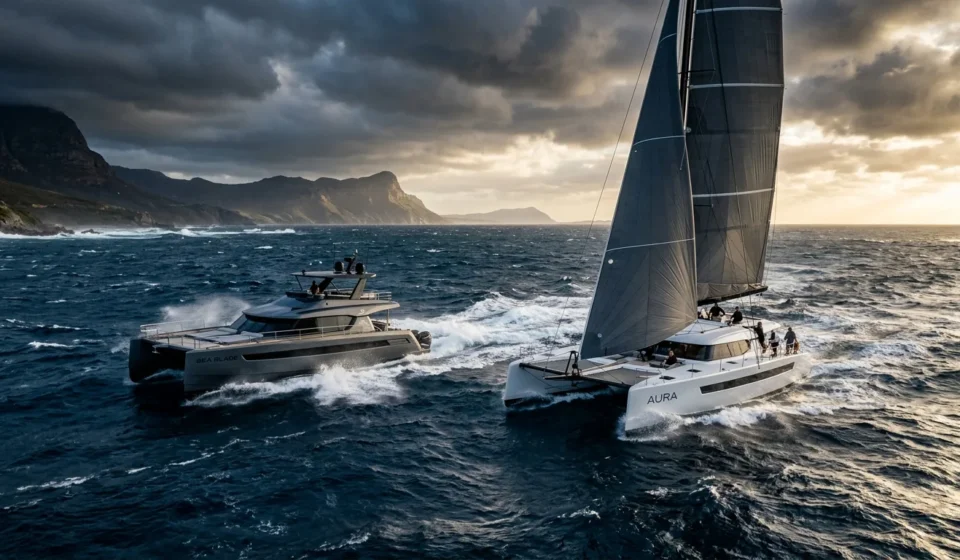

Choosing Your Perfect Multihull: Power vs. Sail
Ah, the allure of the open water! For many of us, the dream of cruising involves finding that perfect vessel that feels like a floating home, ready to explore distant shores or simply enjoy a quiet weekend getaway. Catamarans, with their inherent stability and spaciousness, have captured the hearts of countless cruising enthusiasts. But here’s the million-dollar question: when you picture yourself anchored in a secluded cove, are you arriving under sail, or powering in with twin engines humming?
Table Of Content
- Choosing Your Perfect Multihull: Power vs. Sail
- The Heart of the Matter: Propulsion and Performance
- Sailing Catamarans: The Dance with the Wind
- Power Catamarans: Speed, Stability, and Simplicity
- Life Onboard: Comfort, Space, and Layout
- The Practical Side: Costs, Maintenance, and Management
- Your Cruising Style: Matching the Boat to Your Dreams
- Charting Your Course Forward
This isn’t just a technical decision; it’s about lifestyle, priorities, and the very essence of your cruising dream. As someone who’s spent decades helping fellow mariners navigate these waters, I can tell you there’s no single “best” answer. It’s about what’s best for you. Let’s dive deep into the fascinating world of power catamarans and sailing catamarans, comparing them head-to-head to help you chart your course.
The Heart of the Matter: Propulsion and Performance
At its core, the most significant difference lies in how these magnificent vessels move through the water. This fundamental choice influences everything from your cruising speed to your fuel budget and even the soundtrack of your journey.
Sailing Catamarans: The Dance with the Wind
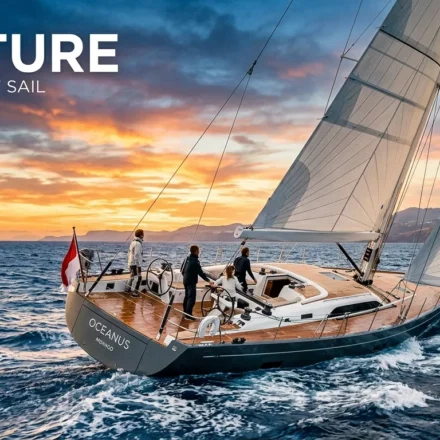
A sailing catamaran, by definition, harnesses the power of the wind. With its tall mast, intricate rigging, and expansive sail plan, it offers an incredibly romantic and efficient way to travel. Imagine this situation: you’re on a multi-day passage, sails trimmed perfectly, the only sounds being the gentle rush of water against the hulls and the occasional creak of the mast. It’s an experience of pure connection with nature, immensely rewarding for those who love to sail.
Sailing cats are generally more fuel-efficient over long distances, especially with favorable winds. While they do have auxiliary engines for motoring in and out of harbors or when the wind dies, their primary mode of propulsion is free. This translates to lower fuel costs and a reduced carbon footprint, which is a big plus for environmentally conscious cruisers. However, sailing requires a certain skill set – understanding wind angles, sail trim, and navigating without constant engine power. You’ll often find yourself moving slower than a power cat, but isn’t that part of the charm?
Power Catamarans: Speed, Stability, and Simplicity
On the flip side, power catamarans are all about engine power. These vessels are designed with efficient hull forms to be driven by twin engines, offering impressive speeds and range. If your cruising dreams involve covering significant distances quickly, island hopping across an archipelago, or simply getting to your destination without worrying about the wind, a power cat might be your ideal companion.
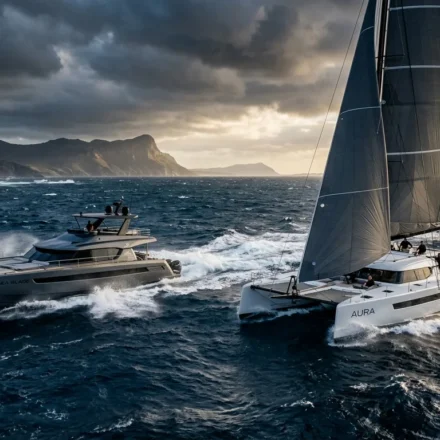
Power cats offer a different kind of stability compared to their sailing cousins. While both benefit from the inherent stability of two hulls, power cats tend to have less roll in choppy conditions, making for a smoother ride, especially for those prone to seasickness. They often feature larger engines, more robust fuel tanks, and require less specialized knowledge of sail handling. You simply turn the key and go. However, this convenience comes at a cost: significantly higher fuel consumption, especially when pushing them hard, and the constant hum of engines, which some find less appealing than the quiet of a sailboat.
Life Onboard: Comfort, Space, and Layout
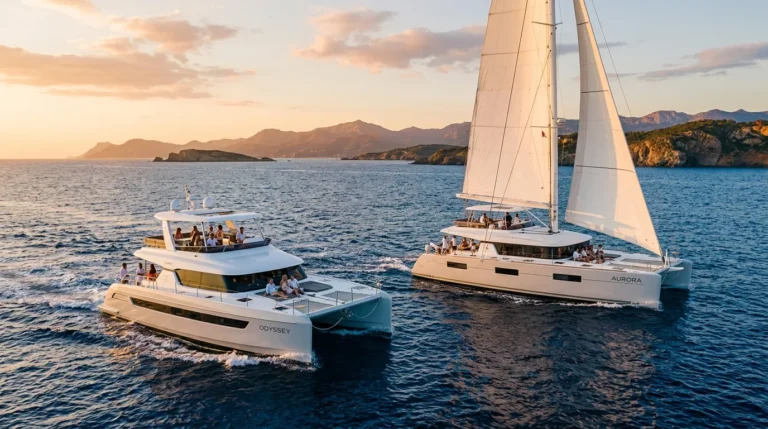
One of the biggest draws of any catamaran, regardless of propulsion, is the sheer amount of space and comfort they offer compared to monohulls of similar length. The wide beam creates expansive living areas, both indoors and out. But how do power and sailing cats compare in optimizing this space for cruising?
Sailing catamarans typically feature a large, protected cockpit that flows into a spacious saloon, offering panoramic views. Cabins are usually located in the hulls, providing privacy and separation. While the mast and rigging can sometimes limit deck space, modern designs have become incredibly clever at integrating these elements. The trampolines forward are fantastic for lounging and enjoying the spray on a breezy day. Honestly, there’s nothing quite like it.
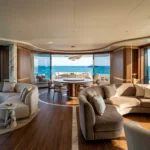
Power catamarans, unencumbered by a mast or rigging, often boast even more usable deck space. Many feature expansive flybridges that serve as a second helm station and a massive entertaining area, complete with lounges, wet bars, and often a grill. The saloons tend to be larger and more open, sometimes extending directly to a wide aft deck. With no keels, they often have a shallower draft, allowing access to more secluded anchorages. This extra space often translates into more storage, larger appliances, and generally more amenities that mimic a luxury apartment on the water.
The Practical Side: Costs, Maintenance, and Management
Boat ownership is a marathon, not a sprint, and understanding the ongoing costs is crucial for any cruising enthusiast. Both types of catamarans require investment, but their operational expenses differ significantly.
For a sailing catamaran, your biggest ongoing cost, beyond insurance and dockage, will likely be sail maintenance, rigging inspections, and occasional sail replacement. While you burn less fuel, you’ll be budgeting for canvas repairs, winch servicing, and potentially professional rig checks. Engine maintenance is still crucial, but typically for smaller, less frequently used engines. In my opinion, the initial learning curve for maintenance on a sailing cat can be steeper if you’re new to sailing, involving more specialized skills.
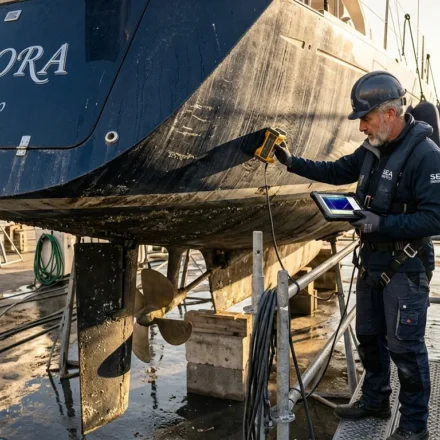
Power catamarans, conversely, will hit your wallet harder at the fuel dock. Those powerful engines need feeding, and depending on your cruising style, this can be substantial. Engine maintenance for two larger engines will also be a more significant factor than for smaller auxiliary engines. However, you’ll generally avoid the costs associated with rigging, sails, and related hardware. Haul-out costs for both can be higher than monohulls due to their wider beam, requiring specialized slings at boatyards. To be fair, both require diligence and a budget for upkeep – it’s just where that budget gets allocated that changes.
Your Cruising Style: Matching the Boat to Your Dreams
So far we’ve covered the technical and practical aspects. Now let’s get to the really critical point: which boat truly aligns with your personal cruising vision? This is where self-reflection becomes your most valuable navigation tool.
Consider a sailing catamaran if:
- You love the process of sailing, feeling the wind, and trimming sails.
- You prioritize fuel efficiency and a quieter, more “natural” cruising experience.
- Your cruising plans involve longer passages where wind power can be consistently utilized.
- You appreciate the challenge and reward of mastering sailing skills.
- Your pace is relaxed, and you’re not always in a hurry to get somewhere.
Now, think about a power catamaran if:
- Speed and covering ground efficiently are high on your list.
- You prefer the ease of operation and less technical knowledge required for propulsion.
- Comfort and stability, especially in rougher seas, are paramount for your crew.
- Your cruising involves exploring many different anchorages or specific destinations quickly.
- You value maximum living space, large flybridges, and the amenities of a motor yacht.
- You want to avoid the complexities and maintenance associated with sails and rigging.
But what kind of adventure are you truly dreaming of? Are you yearning for the serene silence of a moonlit passage under sail, or the exhilaration of quickly reaching a distant island, cocktail in hand on a spacious flybridge? This personal preference is often the strongest determinant.
Charting Your Course Forward
Ultimately, the choice between a power catamaran and a sailing catamaran for your cruising adventures boils down to your personal priorities, your comfort level with sailing, and your budget for both acquisition and ongoing operational costs. Both offer unique advantages in terms of space, stability, and the ability to explore the world’s waterways.
I encourage you to spend time on both types of vessels, if possible. Charter one, or better yet, join friends who own them. Get a feel for the motion, the sounds, and the practicalities of living aboard each. Your ideal multihull is out there, waiting to carry you on countless unforgettable journeys. What kind of wake will you leave?