

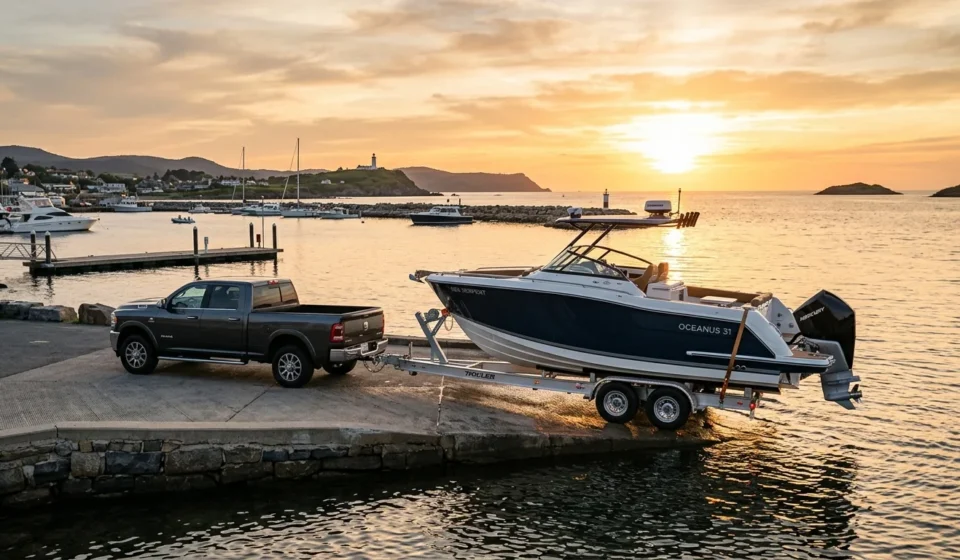

You’ve got the powerboat, the engine hums with promise, and the call of the open water is almost irresistible. But before you can feel the spray on your face or the wind in your hair, there’s a crucial step: getting your prized possession to the launch ramp safely. This isn’t just about hitching up and hitting the road; choosing the right power boat trailer is an investment in your boat’s longevity, your peace of mind, and the safety of everyone on the road.
Table Of Content
- Understanding Your Boat’s Needs: The Foundation of Trailer Choice
- Weight: The Absolute Priority
- Length and Hull Type: Cradling Your Craft Correctly
- Trailer Types and Features: What’s Under the Hood (or Boat!)
- Material Matters: Galvanized Steel vs. Aluminum
- Axles and Brakes: The Stopping Power You Need
- Suspension and Rollers/Bunks: A Smooth Ride for Your Hull
- Your Tow Vehicle’s Capacity: A Non-Negotiable Match
- Lights, Registration, and Insurance: The Paperwork Side of Things
- Maintenance & Pre-Trip Checks: Keeping Your Investment Rolling
- Regular Inspections: What to Look For
- Pre-Trip Rituals: Before You Hit the Road
Too often, I see boat owners make common mistakes here – either underestimating their boat’s weight or overlooking critical trailer features. And believe me, a breakdown on the highway or damage to your hull because of an inadequate trailer is the last thing you want. So, let’s dive into everything you need to know to make an informed decision, ensuring your powerboat travels as securely on land as it performs on water.
Understanding Your Boat’s Needs: The Foundation of Trailer Choice
Before you even look at a single trailer, you need to get intimately familiar with your boat’s specifications. This isn’t just about guessing; it’s about precise measurements and accurate weights. Getting this wrong is, in my opinion, the biggest pitfall for new and even experienced boat owners alike. Don’t skip this step.
Weight: The Absolute Priority
This is non-negotiable. Every trailer has a Gross Vehicle Weight Rating (GVWR), which is the maximum total weight it can safely carry, including the trailer itself. You need to know your boat’s total wet weight. This means the boat’s dry weight, plus the engine(s), full fuel tanks, full fresh water tanks (if applicable), all your gear (anchors, lines, safety equipment, coolers), and even a fully charged battery. Add it all up. Honestly, this is where many folks make a mistake, only considering the boat’s dry weight. Always err on the side of caution and give yourself a buffer.
For example, imagine this situation: You’ve got a sleek 22-foot center console with a dry weight of 3,500 lbs. You add a 600 lb outboard, 60 gallons of fuel (360 lbs), 20 gallons of water (160 lbs), and another 300 lbs for gear. Suddenly, your total boat weight is around 4,920 lbs! If you bought a trailer rated for only 4,000 lbs, you’re in serious trouble. Overloading a trailer not only wears it out faster but creates a dangerous situation on the road, risking tire blowouts, brake failure, and structural damage to the trailer.
Length and Hull Type: Cradling Your Craft Correctly
Next up is length. Your trailer needs to accommodate your boat’s overall length, from bow to stern, including any extended swim platforms or bow pulpits. A trailer that’s too short won’t support the hull properly, concentrating stress points and potentially causing structural damage. Conversely, one that’s too long can make maneuvering cumbersome.
Beyond length, consider your hull type. Is it a deep-V, a modified-V, or a flat-bottom Jon boat? The trailer’s bunk or roller system needs to match your hull’s contours perfectly to provide even support and prevent warping or damage during transport. Proper hull support is key, especially over long distances or bumpy roads.
Trailer Types and Features: What’s Under the Hood (or Boat!)
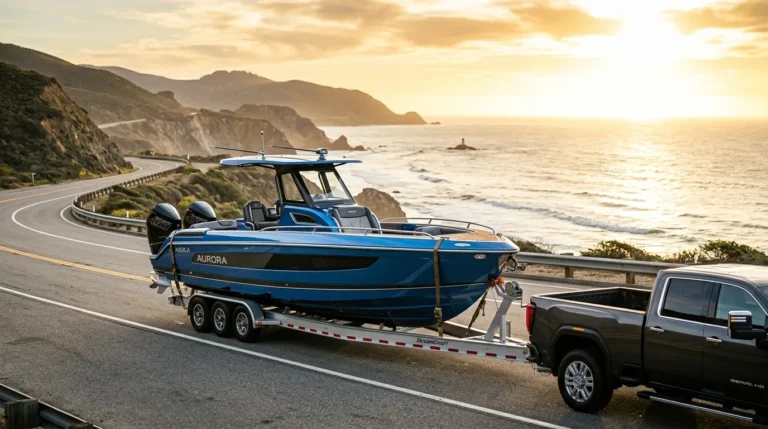
So far, we’ve covered the critical measurements of your boat. Now let’s get to the really critical point: the trailer itself. There’s a surprising amount of engineering that goes into these rolling platforms, and understanding the different options will help you choose wisely.
Material Matters: Galvanized Steel vs. Aluminum
Trailer frames are typically made from either galvanized steel or aluminum. Galvanized steel trailers are robust and generally more affordable. The galvanization process provides a protective zinc coating that resists corrosion, making them suitable for freshwater use and occasional saltwater dips. However, if you primarily boat in saltwater, even galvanized steel will eventually show signs of rust, especially in welds and unsealed areas.
Aluminum trailers are lighter, naturally corrosion-resistant, and ideal for saltwater environments. Their lighter weight can also contribute to better fuel economy for your tow vehicle. They generally come with a higher price tag upfront, but in my opinion, for saltwater use, the longevity and reduced maintenance often make them a worthwhile investment over time. It all depends on where you plan to do most of your boating.
Axles and Brakes: The Stopping Power You Need
The number of axles on your trailer directly relates to its weight capacity and stability. Smaller, lighter boats might only need a single-axle trailer. However, as boat weight increases, you’ll need a tandem (two-axle) or even triple-axle trailer. More axles mean the weight is distributed over more tires, increasing capacity and providing greater stability on the road, reducing sway. If one tire blows, you still have others to get you to safety.
Brakes are absolutely essential, especially for heavier boats. Most states require brakes on trailers exceeding a certain weight (often 1,500 lbs, but check your local regulations). You’ll typically find surge brakes (hydraulic, activated by the trailer pushing against the tow vehicle) or electric over hydraulic brakes. Always ensure your trailer has adequate, properly functioning brakes on enough axles to safely stop your combined load. But what would you do if your brakes failed on a steep incline or in heavy traffic? It’s a terrifying thought, emphasizing why proper brake maintenance and selection are so critical.
Suspension and Rollers/Bunks: A Smooth Ride for Your Hull
Trailer suspension systems, like leaf springs or torsion axles, impact how smoothly your boat rides. Torsion axles often provide an independent suspension for each wheel, leading to a smoother ride, less bounce, and better control, which can be gentler on your boat and trailer components. Leaf springs are more traditional, robust, and generally easier to maintain.
When it comes to supporting your hull, you’ll choose between bunk trailers and roller trailers. Bunk trailers feature carpeted wooden beams that cradle the hull, providing excellent, even support. They’re great for long-term storage and typically more affordable. Roller trailers, with their series of adjustable rollers, make launching and retrieving easier, especially on shallow ramps. However, they can concentrate pressure points if not adjusted perfectly, and I’ve seen them cause hull damage if not used carefully. For most powerboats, a well-fitted bunk trailer offers superior hull support.
&h2>Towing Vehicle & Legalities: Don’t Forget the Whole Package
You can have the perfect trailer, but if your tow vehicle isn’t up to snuff, you’re still in for trouble. Hauling a boat isn’t just about pulling; it’s about controlling and stopping a significant amount of weight. And let’s not forget the crucial paperwork and legal requirements that keep you on the right side of the law.
Your Tow Vehicle’s Capacity: A Non-Negotiable Match
Just like your trailer has a GVWR, your tow vehicle has a maximum towing capacity specified by the manufacturer. This number is paramount. You need to ensure your vehicle can safely tow the combined weight of your boat AND trailer. Don’t eyeball it. Check your vehicle’s manual. Know your limits. Overloading your tow vehicle strains its engine, transmission, brakes, and suspension, leading to premature wear and dangerous handling.
Also consider tongue weight – the downward force the trailer’s tongue exerts on the hitch of your tow vehicle. This should typically be 10-15% of the total loaded trailer weight. Too little tongue weight can lead to dangerous trailer sway, while too much can overload your vehicle’s rear suspension. A reputable trailer dealer can help you ensure proper weight distribution.
Lights, Registration, and Insurance: The Paperwork Side of Things
Beyond the hardware, there’s the legal side. Your trailer must have functioning tail lights, brake lights, turn signals, and side marker lights. These are not optional; they are safety necessities. Always double-check your wiring connections before every trip. Ensure your trailer is properly registered with your state’s Department of Motor Vehicles (DMV) and that you have the correct license plate displayed. It’s also wise to check with your insurance provider to confirm that your boat and trailer are covered both on the water and while in transit. I believe this is often overlooked, but a quick stop by the DMV or a call to your agent can save you a world of trouble and fines.
Maintenance & Pre-Trip Checks: Keeping Your Investment Rolling
Even the best trailer money can buy needs regular care. A trailer is an investment, and like your boat, it needs attention to stay safe and reliable. Neglecting maintenance isn’t just risky; it’s asking for a roadside breakdown, which is never fun.
Regular Inspections: What to Look For
Make a habit of performing regular inspections. Check your tires for proper inflation, tread wear, and cracks – including the spare! Inspect wheel bearings for play or noise; repacking them annually is a good practice. Test all lights and wiring connections. Look for any signs of corrosion on the frame, especially after saltwater exposure, and rinse your trailer thoroughly with fresh water after every saltwater outing. Examine the bunks or rollers for wear, tears, or damage, ensuring they still provide adequate support.
Don’t forget the hitch and safety chains. Ensure the hitch ball is the correct size and the coupler locks securely. Safety chains should always be crossed under the tongue and attached to your tow vehicle. Based on my experience, a little regular vigilance goes a long, long way in preventing major issues.
Pre-Trip Rituals: Before You Hit the Road
Before every trip, no matter how short, perform a quick but thorough pre-trip check. This ritual should include: checking tire pressure on all trailer tires (and your tow vehicle), ensuring lug nuts are tight, testing all lights (brake, tail, turn signals), verifying the boat is securely tied down with appropriate transom and bow straps, and confirming the drain plug is out (unless you’re launching immediately). Make sure your engine is trimmed up and secured, and any loose items in the boat are stowed away or secured.
It sounds like a lot, but these checks quickly become second nature. They’re quick, simple steps that can prevent costly repairs, dangerous situations, and unnecessary delays. Remember, a safe journey on land means more time enjoying the water!
Choosing the right power boat trailer is as crucial as selecting the boat itself. It’s not just an accessory; it’s an integral part of your boating lifestyle, safeguarding your investment and ensuring every journey, from driveway to dock, is safe and smooth. Take the time to do your research, consult with reputable dealers, and never compromise on safety. A well-chosen trailer isn’t just a piece of equipment; it’s an extension of your boating joy and a guardian of your investment. Happy hauling, and we’ll see you on the water!