Unlock Your Boat’s Best: The Power Trim & Tilt Guide
Ever felt like your boat just isn’t performing its best? Maybe it’s struggling to get on plane, burning through fuel faster than you’d like, or riding uncomfortably in a chop. Chances are, you’re not alone. Many boaters, even seasoned ones, often overlook one of the most powerful tools in their arsenal for optimizing their vessel’s performance: power trim and tilt.
Table Of Content
- What Exactly Are Power Trim & Tilt?
- The Critical Connection: Trim, Performance, and Fuel Efficiency
- Optimizing Your Boat’s Running Angle
- Mastering the Art of Trim: Practical Scenarios
- Getting on Plane
- Cruising Speed Optimization
- Handling Rough Water
- Dealing with “Prop Walk”
- Beyond Performance: Understanding Tilt’s Role
- Shallow Water and Obstacles
- Trailering, Storage, and Maintenance
- Troubleshooting & Maintaining Your Trim & Tilt System
- Final Thoughts on Mastering Your Trim
Think of it as the finely tuned suspension system for your boat, allowing you to adapt to changing water conditions, loads, and desired speeds. Getting it right isn’t just about going faster; it’s about smoother rides, safer handling, and putting more cash back in your pocket by improving your boat’s fuel efficiency. In my opinion, understanding and utilizing trim and tilt effectively is a hallmark of a truly skilled boat operator.
What Exactly Are Power Trim & Tilt?
Let’s start with the basics, because sometimes the terminology can be a bit confusing. Both trim and tilt involve adjusting the angle of your outboard or stern drive engine relative to the transom of your boat. However, they serve distinct purposes and operate within different ranges.
Power Trim refers to the smaller, finer adjustments you make while underway, typically within a range of about -4 to +6 degrees from the transom. Its primary function is to optimize the boat’s running attitude – how the bow rides on the water. A good trim setting is crucial for everything from getting on plane efficiently to maintaining optimal speed and stability.
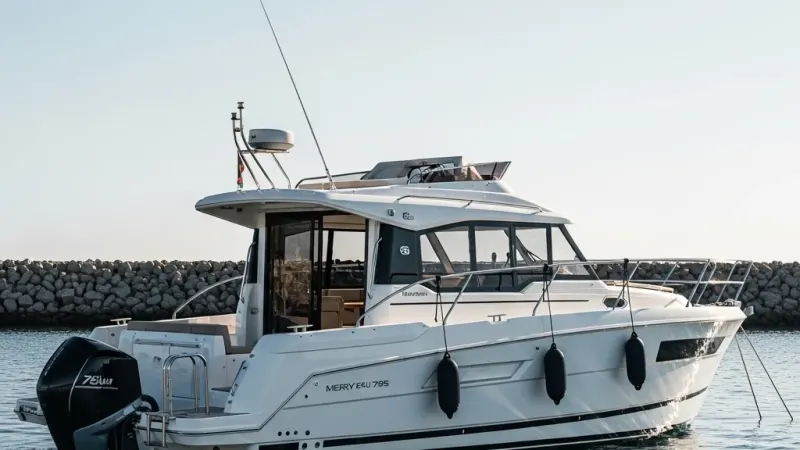
Power Tilt, on the other hand, is designed for larger adjustments, allowing you to lift the engine clear out of the water. You primarily use tilt when you’re not running, such as for trailering, shallow water operation (at very slow speeds), beaching, or simply to keep your prop out of the water when docked or moored to prevent marine growth and corrosion. It’s a much broader movement than trim and typically shouldn’t be used for performance adjustments while at speed.
The Critical Connection: Trim, Performance, and Fuel Efficiency
Now that we know what they are, let’s dive into why trim is so vital. The angle of your engine dictates how much of your boat’s hull is in the water, which directly impacts drag. More drag equals slower speeds and, you guessed it, more fuel consumed.
Optimizing Your Boat’s Running Angle
When you apply positive trim (lifting the bow), you reduce the wetted surface of the hull, which can significantly reduce drag. This is especially important for getting on plane and achieving your most efficient cruising speed. Too much positive trim, however, can cause the bow to ride too high, making the boat unstable and difficult to steer, sometimes leading to “porpoising” – an uncomfortable up-and-down bouncing motion.
Conversely, negative trim (tucking the bow down) increases the wetted surface. This can be useful for getting a heavy boat on plane quicker, helping to push the bow down in rough head seas for a softer ride, or to counteract excessive bow rise when accelerating. The downside of too much negative trim is increased drag, which means lower top speeds and poorer fuel economy. Based on my experience, finding that sweet spot is key to enjoying your time on the water.
Mastering the Art of Trim: Practical Scenarios
Understanding the theory is one thing, but applying it on the water is where the magic happens. Let’s talk about some real-world scenarios you’ll encounter.
Getting on Plane
When you start from a standstill, your boat will naturally want to squat at the stern and lift its bow, obstructing your forward view. To overcome this, you generally want to start with your engine trimmed all the way down (negative trim). This tucks the bow down, allowing the hull to more easily transition onto plane. Once you’re on plane and your bow drops, begin to slowly trim up.
Cruising Speed Optimization
Once you’re cruising, this is where you fine-tune your trim for optimal performance and fuel efficiency. Gradually trim up until the steering becomes light, and you start to feel the boat wanting to porpoise or the propeller begin to ventilate (lose its bite). Then, trim down just a hair until the steering feels solid again and the ride is smooth. This is your sweet spot for that particular speed and water condition. For example, imagine this situation: you’re cruising along on a calm lake, and you notice your RPMs are steady, but your speed feels a little sluggish, and you’re getting a lot of spray from the bow. Slowly trimming up, you feel the boat lift, the spray moves further back, and your speed might even increase a knot or two without touching the throttle. That’s the power of trim!
Handling Rough Water
Rough water demands a different approach. In a head sea (waves coming from the bow), you’ll want to trim down slightly to keep the bow digging in, cutting through the waves more effectively and providing a softer ride. This prevents the bow from catching air and slamming down. But what would you do if you have waves coming from the stern (following sea)? Here, you might want to trim up a bit more to lift the bow and prevent it from “stuffing” into the back of the wave ahead, which can be dangerous.
Dealing with “Prop Walk”
Have you ever noticed your boat wanting to pull to one side, especially at slower speeds or when docking? That’s often due to prop walk, the sideways thrust created by the propeller’s rotation. While trim won’t eliminate it, understanding how your boat behaves with different trim settings can help you compensate. Sometimes a slight trim adjustment can mitigate its effect, making low-speed maneuvering a bit easier.
Beyond Performance: Understanding Tilt’s Role
While trim is your go-to for performance adjustments while running, tilt has its own vital functions that contribute to the longevity and practicality of your vessel. Honestly, neglecting proper tilt usage can lead to costly repairs or inconvenient situations.
Shallow Water and Obstacles
When navigating very shallow areas or approaching a beach, you can use the tilt function to raise your engine slightly to prevent the propeller from hitting the bottom. This must be done at very slow, idle speeds. Attempting to run at speed with your engine significantly tilted can lead to ventilation, loss of control, and severe damage to your engine. Always proceed with extreme caution.
Trailering, Storage, and Maintenance
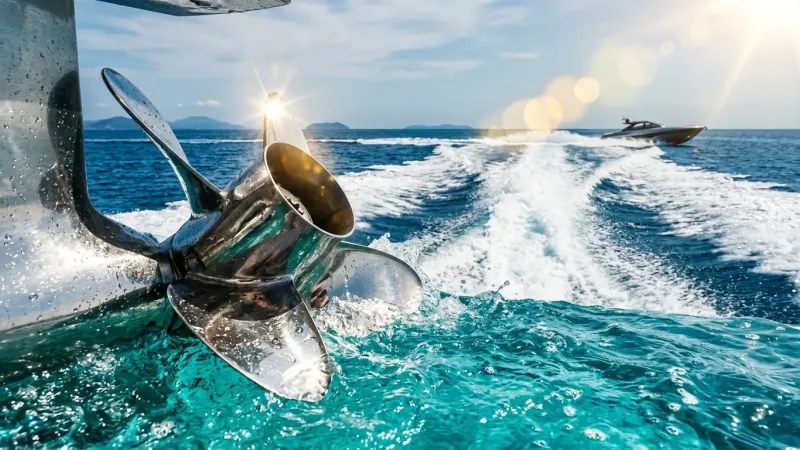
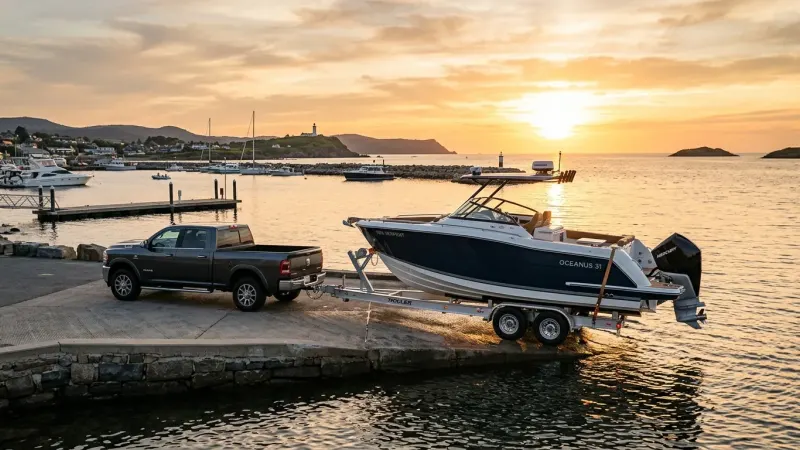
After a day on the water, tilting your engine completely up is essential for several reasons. For trailering, it provides crucial ground clearance. When docked or moored, it keeps your propeller and lower unit out of the water, preventing marine growth, barnacles, and corrosion. It also allows for easier inspection of your propeller and lower unit, which is part of routine maintenance. Remember, a clean prop is an efficient prop!
Troubleshooting & Maintaining Your Trim & Tilt System
Like any marine system, your power trim and tilt require a little attention to keep them functioning smoothly. If you notice sluggish operation, unusual noises, or complete failure, don’t ignore it. It could be a simple fix or indicate a larger problem.
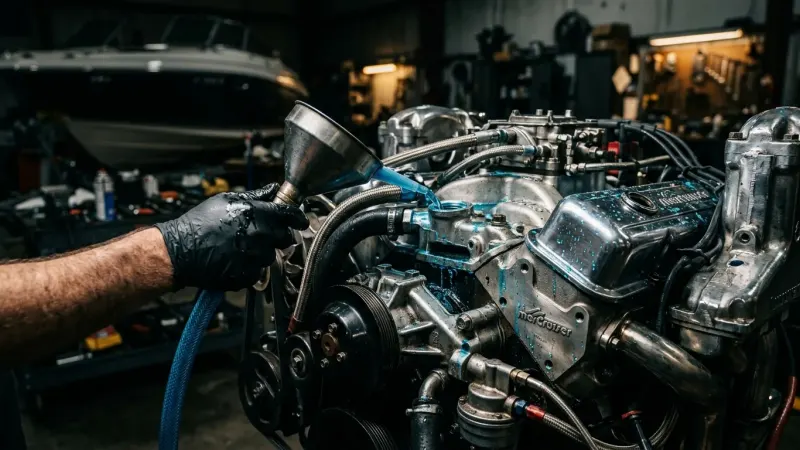
Common issues include low hydraulic fluid, corroded electrical connections, or a failing motor/pump. Regular inspection of the hydraulic fluid reservoir (if accessible), checking for leaks, and ensuring all electrical connections are clean and tight will go a long way. Use a marine-grade grease on pivot points to keep things moving freely. A little preventative care now can save you a big headache (and bill) later.
Final Thoughts on Mastering Your Trim
Mastering power trim and tilt isn’t just a technical skill; it’s an art that enhances your entire boating experience. It’s about becoming more attuned to your vessel and the water it rides on. By experimenting with these controls, you’ll discover how your boat responds, leading to smoother rides, better handling, and ultimately, more enjoyable and economical days on the water. So, next time you’re out there, play with your trim button – you might be surprised at the difference it makes!