Navigate Greener: Your Essential Guide to Sustainable Boating
Charting a Course for a Healthier Ocean: Why Sustainable Boating Matters
There’s nothing quite like the feeling of being out on the water, is there? The sun on your face, the wind in your hair, the endless horizon beckoning. For those of us who live and breathe boats, whether power or sail, that connection to the marine environment is deeply ingrained. But with that incredible privilege comes a vital responsibility: protecting the very waters we cherish. Honestly, in my decades on the water, I’ve seen the good, the bad, and the ugly when it comes to how we interact with our oceans and waterways. The good news? Making a positive impact isn’t as hard as you might think.
Table Of Content
- Charting a Course for a Healthier Ocean: Why Sustainable Boating Matters
- Smart Choices Onboard: Waste, Water, and Energy Management
- Waste Reduction and Disposal
- Water and Energy Efficiency
- Responsible Engine Operation and Fuel Management
- Preventing Fuel and Oil Spills
- Minimizing Emissions and Noise
- Eco-Friendly Maintenance and Cleaning Practices
- Choosing Green Cleaning Products
- Responsible Haul-Outs and Repairs
- Protecting Marine Life and Habitats
- Mindful anchoring and Navigation
- Respecting Wildlife and Ecosystems
- Making Waves for a Greener Future
Sustainable boating isn’t about sacrificing your enjoyment; it’s about making conscious choices that ensure future generations can experience the same magic. It’s about understanding that every action, no matter how small, ripples through the ecosystem. From a simple day trip on a small powerboat to extended voyages on a grand motor yacht, our habits on board directly affect marine life, water quality, and the health of coastal communities. So, how can we all become better stewards of the sea? Let’s dive in.
Smart Choices Onboard: Waste, Water, and Energy Management
One of the most immediate ways we can reduce our environmental footprint is by managing what we bring onboard and how we deal with what we leave behind. Think of your boat as a self-contained unit, and everything you generate needs careful handling. The goal is simple: leave no trace. This starts with reducing waste before it even gets on the boat.
Waste Reduction and Disposal
Before you even leave the dock, consider minimizing packaging. Buy in bulk, use reusable containers for food and drinks, and avoid single-use plastics. Once onboard, separate your trash. Plastics, glass, aluminum, and paper should be collected separately for recycling back on shore. Food scraps can often be composted if you have the facilities, or safely disposed of on land. Never, and I mean never, toss anything overboard. For example, imagine sailing through a pristine coral reef, and you spot a plastic bag drifting aimlessly, threatening to entangle marine life. That sight, based on my experience, is a stark reminder of our responsibility.
- Pack Smart: Choose items with minimal packaging.
- Recycle Religiously: Separate recyclables and dispose of them properly at shore facilities.
- Secure Trash: Ensure all trash bins are covered and secure to prevent accidental loss overboard.
- Human Waste: Use pump-out stations regularly for holding tanks. Never discharge untreated sewage, especially in no-discharge zones.
Water and Energy Efficiency
Freshwater is a precious commodity, even on a boat. Be mindful of your consumption. Simple habits like shorter showers, turning off the tap while washing dishes, and using high-efficiency appliances (if you have them) can make a big difference. When it comes to energy, consider alternatives. Solar panels and wind generators are becoming increasingly efficient and affordable, allowing you to reduce your reliance on your engine’s alternator or a noisy generator. Even switching to LED lighting dramatically cuts down on power consumption.
Think about it: less generator run-time means less noise pollution for you and your neighbors, and less exhaust in the air. In my opinion, it’s a win-win. Many modern yachts, whether sail or power, are now designed with these sustainable features in mind, and retrofitting older vessels is often quite feasible. It’s an investment that pays off, not just financially, but environmentally.
Responsible Engine Operation and Fuel Management
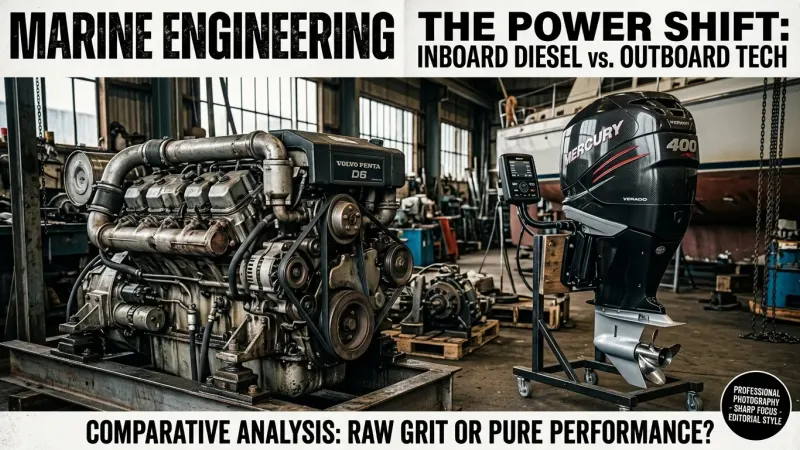
Engines are central to most boating experiences, especially for motor yachts, but they are also a significant source of potential pollution. Proper operation and maintenance are key to minimizing their environmental impact. It’s not just about compliance; it’s about being a conscientious boater.
Preventing Fuel and Oil Spills
This is a big one. Fuel and oil spills, even small ones, can have devastating effects on marine ecosystems. Always be present and vigilant when fueling. Don’t top off your tank to the very brim; leave some room for expansion. Use absorbent pads in your bilge and under fuel lines to catch any drips. If you do have a spill, however minor, clean it up immediately with appropriate absorbent materials and dispose of them properly. Never use detergents or dispersants on a spill, as these can actually make the problem worse by breaking down the oil into smaller, more toxic particles that are harder to clean up.
Regular engine maintenance is also crucial. Keep your engine tuned, check for leaks regularly, and ensure all hoses and connections are in good condition. A well-maintained engine runs more efficiently, meaning less fuel burned and fewer emissions. What would you do if you saw a sheen around your own boat? Having a spill kit on board is not just good practice; it’s essential for rapid response.
Minimizing Emissions and Noise
Beyond spills, think about your engine’s emissions. Operate at efficient cruising speeds, which often means finding that sweet spot where your engine isn’t working too hard but you’re still making good progress. Avoid excessive idling. For larger motor yachts, consider the latest engine technologies designed for lower emissions. For everyone, consider the environmental benefits of sailing whenever possible – it’s the ultimate zero-emission propulsion! Even a few hours of sailing can significantly reduce your fuel consumption and carbon footprint.
Noise pollution from engines, generators, and even loud music can disturb marine wildlife and impact the tranquility of anchorages. Be mindful of your sound footprint, especially in sensitive areas or late at night. Respect for other boaters and marine inhabitants goes a long way.
Eco-Friendly Maintenance and Cleaning Practices
The products we use to keep our boats sparkling clean and seaworthy often contain chemicals that are harmful to marine life. Making greener choices in this area is perhaps one of the easiest shifts we can all make.
Choosing Green Cleaning Products
Many traditional boat cleaning products contain phosphates, chlorine, ammonia, and other harsh chemicals that can pollute waterways and harm aquatic organisms. The good news is there’s a growing market for biodegradable, non-toxic, and eco-friendly alternatives. Look for products specifically labeled as “marine safe” or “environmentally friendly.” Better yet, sometimes simple solutions like vinegar, baking soda, and mild soaps are all you need for many cleaning tasks. When washing your boat, especially in the water, use minimal amounts of even these gentler products.
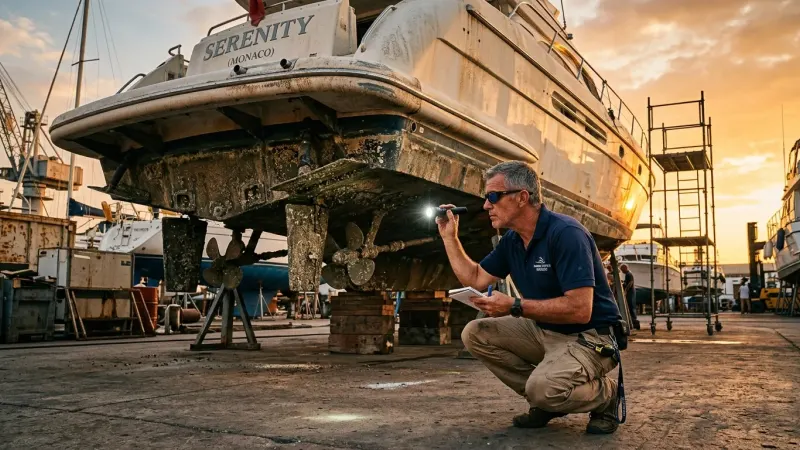
When it comes to bottom paint, consider alternatives to traditional anti-fouling paints that leach copper and other biocides into the water. Newer silicone-based coatings or regular hull cleaning by divers can reduce the need for harsh chemicals. If you must use traditional paints, ensure they are applied and removed responsibly, ideally in boatyards with proper containment systems to prevent runoff.
Responsible Haul-Outs and Repairs
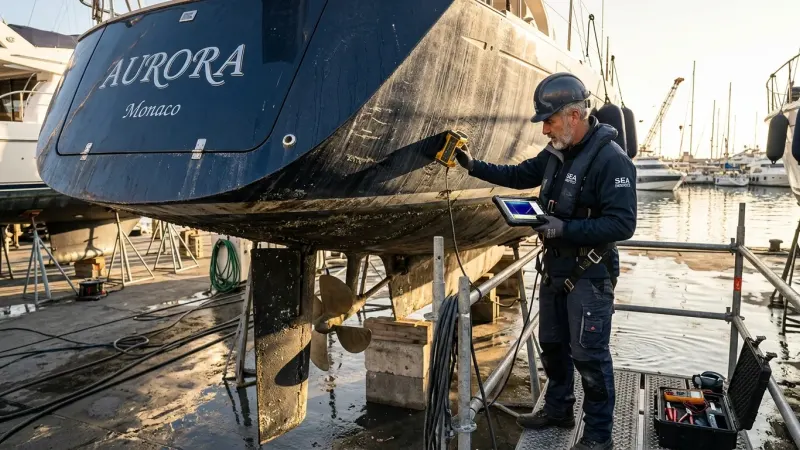
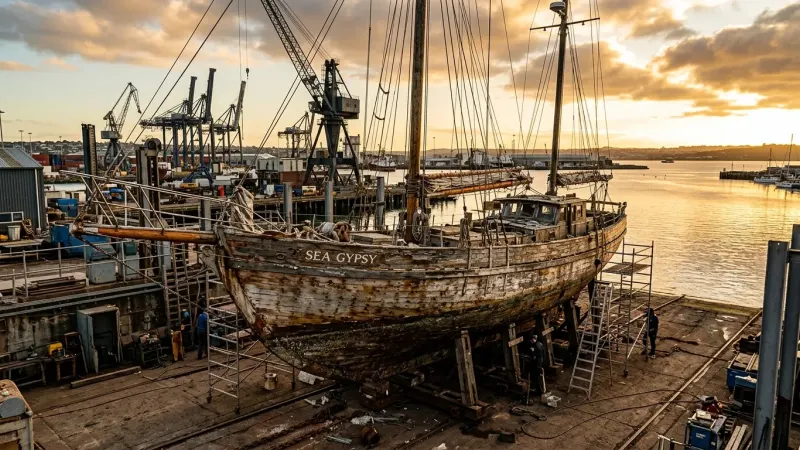
When your boat needs a haul-out for major maintenance or repairs, choose boatyards that demonstrate strong environmental practices. Look for facilities that have proper wastewater treatment, hazardous waste disposal programs, and containment systems for sanding and painting debris. Supporting these businesses reinforces the demand for environmentally responsible operations across the industry.
I believe it’s our collective responsibility to ask questions and choose wisely. A good boatyard will be proud to tell you about their environmental initiatives. This also applies to things like oil changes; ensure used oil and filters are taken to appropriate recycling facilities, not just thrown in the general trash.
Protecting Marine Life and Habitats
So far we’ve covered onboard practices and maintenance. Now let’s get to the really critical point: our direct interaction with the marine environment and its inhabitants. Our presence can disturb wildlife and damage fragile ecosystems if we’re not careful.
Mindful Anchoring and Navigation
Where and how you drop your anchor can have a huge impact. Anchor chains dragging across the seafloor can destroy sensitive habitats like coral reefs, seagrass beds, and oyster beds, which are vital nurseries for countless marine species. Always use charts and your depth sounder to identify safe, sandy bottoms for anchoring. If possible, use moorings where available – they’re designed to protect the seabed. For those with larger motor yachts or sailboats, proper anchoring technique, ensuring your anchor is set securely on a suitable bottom, is paramount to avoiding dragging and potential damage.
When navigating, especially in shallow waters or areas known for marine life, proceed with caution. Observe speed limits, look out for marine mammals like manatees and dolphins, and avoid disturbing nesting birds or other wildlife. Give animals plenty of space; never chase or harass them.
Respecting Wildlife and Ecosystems
Our waterways are home to an incredible array of creatures. As boaters, we have a front-row seat to this natural spectacle. But we must be respectful observers. Don’t feed wildlife, as it can alter their natural behaviors and make them dependent on humans. Keep a safe distance, especially from mothers and their young. If you’re fishing, practice catch-and-release responsibly, use appropriate gear to minimize harm, and never leave fishing line or tackle in the water.
Remember, we are guests in their home. Every time you see a pod of dolphins playing or a majestic sea turtle gliding by, it’s a reminder of what we’re striving to protect. Being a responsible boater means enjoying these moments without impacting them negatively.
Making Waves for a Greener Future
Sustainable boating isn’t just a trend; it’s a necessity for anyone who loves the water. It’s about being proactive, making informed choices, and fostering a deep respect for our marine environment. Every tip we’ve discussed, from smart waste management to mindful anchoring, contributes to a healthier ocean for all. These aren’t just rules; they’re principles that guide us toward being better stewards of the incredible resources we’re so fortunate to enjoy.
We, as the boating community, have a powerful voice and an even more powerful impact. By embracing sustainable practices, sharing our knowledge with fellow boaters, and supporting eco-friendly initiatives, we can ensure that the magic of being on the water endures for generations to come. So, next time you cast off, remember that you’re not just sailing or cruising; you’re also playing a vital role in protecting the very essence of what makes boating so special. Let’s make sure our wakes are clean, and our impact is positive. Fair winds and following seas, responsibly, of course!