

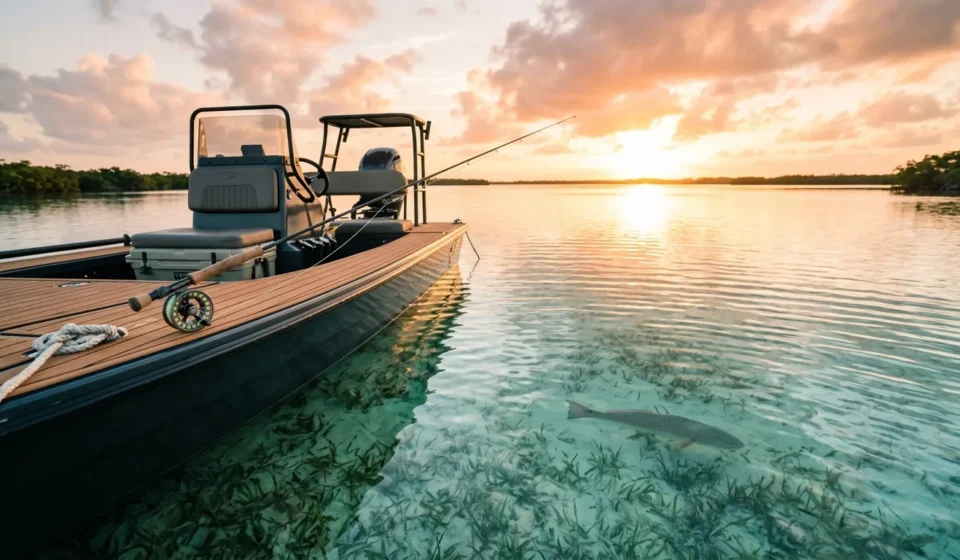

There’s nothing quite like the thrill of chasing the “Big Three” of inshore saltwater fishing: Redfish, Snook, and Speckled Trout. Whether you’re poling quietly across a glassy flat at dawn or sight-fishing along a mangrove line, the pursuit of these iconic species offers an unparalleled blend of challenge, beauty, and pure angling joy. If you’ve been dreaming of feeling that powerful tug on your line, you’re in the right place. We’re about to dive deep into how you can consistently hook up with these incredible fish.
Table Of Content
- Understanding Your Quarry: The Big Three of Inshore Waters
- Redfish (Red Drum)
- Snook (Centropomus undecimalis)
- Speckled Trout (Spotted Seatrout)
- Essential Gear & Tackle for Inshore Success
- Rods & Reels
- Lines & Leaders
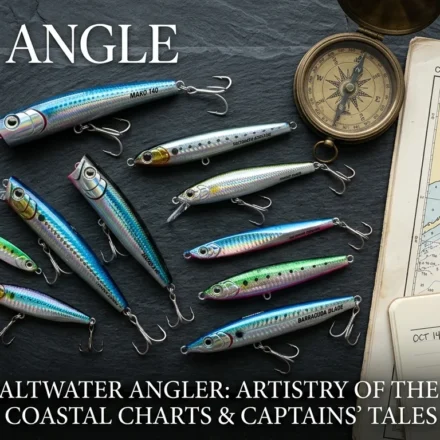
- Baits & Lures
- Mastering the Techniques: Where and How to Cast
- Reading the Water
- Casting & Presentation
- Conservation & Best Practices: Fishing for the Future
- Catch & Release
- Know Your Regulations
- Respect the Environment
Understanding Your Quarry: The Big Three of Inshore Waters
To truly master inshore fishing, you first need to understand the fish you’re targeting. Each of these species has its own personality, preferred habitat, and feeding patterns. Knowing these nuances is your first step toward a successful day on the water.
Redfish (Red Drum)
Redfish are the bulldozers of the flats – strong, tenacious, and known for their distinctive spot near the tail. You’ll typically find them cruising shallow grass flats, rooting around oyster bars, or tucked into mangrove creeks. They feed primarily on crabs, shrimp, and small baitfish. What makes them so exciting? Their willingness to eat a variety of baits and lures, and that powerful, head-shaking fight they put up.</p<
When targeting reds, look for “tailing” fish in shallow water, where their tails break the surface as they feed head-down. This is prime sight-fishing territory! They’re not particularly shy, but a delicate presentation is often key to avoid spooking them in clear water. A well-placed cast can make all the difference.
Snook (Centropomus undecimalis)
Snook are the undisputed kings of the inshore game for many anglers. Known for their explosive strikes, acrobatic jumps, and that distinctive black lateral line, they are a true challenge. Snook are ambush predators, preferring structure like mangrove roots, dock pilings, bridge fenders, and even submerged culverts where they can lie in wait for unsuspecting baitfish. They absolutely thrive in warm water and are extremely sensitive to cold snaps, often seeking deeper channels or spring-fed areas during winter.
Patience and precision are paramount when pursuing snook. You often need to cast right into their living room, tight to the structure, to entice a strike. Their powerful runs will test your tackle and your knot-tying skills, believe me! Always be ready for that unexpected explosive hit.
Speckled Trout (Spotted Seatrout)
Speckled Trout, or “Specs,” are a staple for inshore anglers due to their abundance and willingness to bite. They have a beautiful iridescent body adorned with small black spots and a distinctively soft mouth. Trout prefer to inhabit grassy flats, sandy potholes, and channel edges, often schooling up in good numbers. They primarily feed on shrimp and small baitfish, making them susceptible to a wide array of lures.
While their fight isn’t as robust as a redfish or snook, their delicate mouths require a gentle touch to avoid tearing the hook out. They are excellent table fare, but like all species, understanding local regulations is crucial for their long-term health. They often give a subtle “thump” on the line rather than a violent strike.
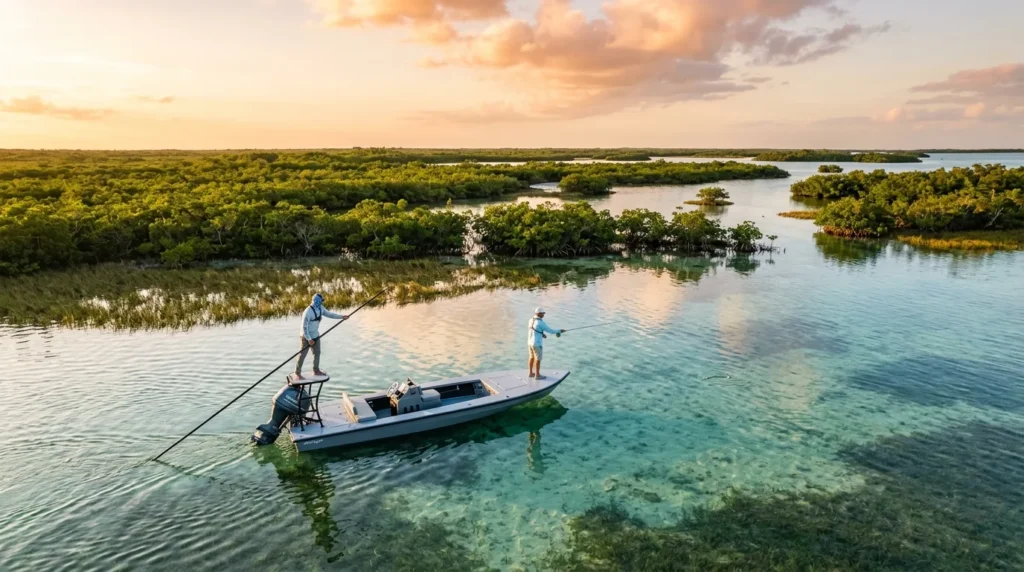
Essential Gear & Tackle for Inshore Success
Having the right tools for the job can dramatically increase your chances of success. You don’t need to break the bank, but investing in quality, appropriately matched gear will pay dividends.
Rods & Reels
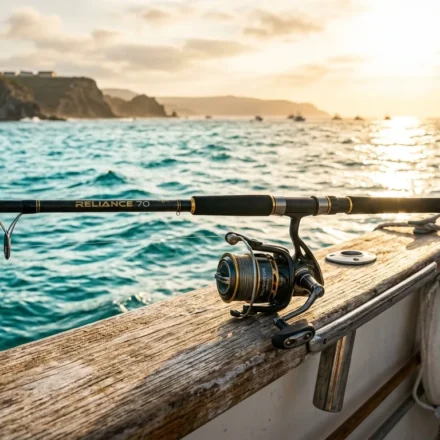
For general inshore fishing, a 7-foot to 7-foot, 6-inch medium-light to medium power spinning rod is incredibly versatile. Pair it with a 2500 to 3000 series reel. This setup provides enough backbone to handle larger reds and snook, while still offering the sensitivity needed for trout and lighter presentations. Some anglers prefer baitcasting setups for their accuracy, especially when targeting snook in tight quarters, but spinning gear is a fantastic starting point.</p<
Lines & Leaders
Braided line is almost universally preferred for its strength-to-diameter ratio, sensitivity, and casting distance. I recommend 10-15 lb test braid. You’ll want to tie on a fluorocarbon leader, typically 20-30 lb test. Fluorocarbon is nearly invisible underwater, abrasion-resistant (vital around structure for snook), and provides a bit of shock absorption. A good leader knot is non-negotiable here!
Baits & Lures
- Live Bait: Live shrimp are the universal currency of inshore fishing; everything eats them! Pinfish, mullet, and pilchards are also excellent, especially for larger snook and redfish.
- Artificial Lures:
- Soft Plastics: Paddle tails, jerk shads, and Gulp! shrimp on a jig head are deadly for all three species. Work them slowly along the bottom or jig them through the water column.
- Topwaters: Nothing beats the explosive strike of a snook or redfish on a “walk-the-dog” style topwater lure at dawn or dusk.
- Suspending/Diving Plugs: Great for imitating baitfish, especially for snook and trout holding in slightly deeper water or strong current.
- Spoons: Gold and silver spoons are fantastic for redfish, mimicking fleeing baitfish or crabs.
Mastering the Techniques: Where and How to Cast
Once you have your gear, it’s all about presentation and understanding the water. Fishing isn’t just about casting; it’s about anticipating where the fish will be and how they’ll react to your offering.
Reading the Water
This is perhaps the most critical skill. Look for structure: oyster bars, mangrove edges, docks, channel markers, and potholes in grass flats. These spots provide cover, ambush points, and food. Pay attention to current – fish often position themselves facing into it, waiting for food to drift by. Tides are also vital; rising tides push bait into the mangroves, while falling tides pull it out, often concentrating fish in predictable areas.
For example, imagine this situation: You’re approaching a shallow flat on a rising tide. The water is clear, and you spot a slight disturbance – a ripple that isn’t wind, or a tiny puff of mud. That’s your cue! A tailing redfish is likely rooting around. Instead of casting directly on top of it and spooking it, cast well ahead and to the side, allowing your lure to sink or settle, then gently retrieve it into the fish’s path. Patience in these moments is golden.
Casting & Presentation
Accuracy is key, especially for snook tucked deep in the mangroves. Practice casting underhand or sidearm to get your lure into tight spaces. For redfish on the flats, a soft landing of your bait or lure is crucial. For trout, a slow, steady retrieve with occasional twitches often works best with soft plastics. With topwaters, learn the “walk-the-dog” retrieve, a rhythmic twitching motion that makes the lure sashay back and forth.
What’s the best time to fish? Honestly, early morning and late evening are often prime times, especially for topwater action. But don’t discount overcast days or even night fishing around well-lit docks for snook. Based on my experience, sometimes the fish just decide to turn on, regardless of the sun’s position.
Conservation & Best Practices: Fishing for the Future
As passionate anglers, we have a responsibility to protect these incredible fisheries for future generations. Ethical angling isn’t just a suggestion; it’s a necessity.
Catch & Release
While catching a slot-sized fish for dinner is a great reward, many of us practice catch and release for most of our catches. If you plan to release a fish, handle it minimally and gently. Use wet hands to protect their slime coat, and if possible, keep the fish in the water while de-hooking. Pliers or a de-hooking tool are your friends here. For snook, especially, releasing them quickly and carefully is paramount to their survival.
Know Your Regulations
Every state and region has specific regulations regarding size limits, bag limits, and seasons for redfish, snook, and trout. These can change, so always check your local fish and wildlife commission website before you head out. Snook, in particular, often have closed seasons or slot limits that vary by area. Respecting these rules ensures sustainable fishing for everyone.
Respect the Environment
Always pack out what you pack in. Avoid disturbing sensitive habitats like seagrass beds with your boat. Be mindful of prop scars and anchor damage. We are guests in their underwater world, and it’s our duty to leave it as pristine as we found it.
Mastering inshore saltwater fishing for redfish, snook, and trout is a journey, not a destination. It’s about learning, adapting, and spending time in some of the most beautiful natural environments on Earth. Each trip offers new lessons, new challenges, and the chance to create lasting memories. So, gather your gear, study your tides, and get out there! The flats are calling, and those powerful strikes are waiting. Tight lines, my friends!