


The allure of the vast, open ocean speaks to a primal part of us, promising not just the thrill of the chase, but the profound satisfaction of an engineered triumph. For those who hear the call of truly monumental fish, offshore big game fishing isn’t merely a pastime; it’s a meticulously planned expedition, a symphony of advanced technology, expert seamanship, and unwavering resolve. Forget the quick trips near shore; we’re talking about venturing far beyond the visible horizon, into the true deep blue where the ocean’s apex predators roam. As someone who has spent decades navigating these waters, orchestrating countless voyages, and brokering the very vessels that make such dreams possible, I can tell you that the heart of this pursuit lies not just in the catch, but in the entire journey of preparation, execution, and respect for the magnificent arena we enter.
Table Of Content
Here at boatandsailboat.com, we understand that the true offshore angler is a navigator, a strategist, and an engineer as much as they are a fisherman. It’s about designing an adventure, from the keel up, that maximizes your chances of success while prioritizing safety and sustainability. This isn’t just about luck; it’s about a blend of extensive knowledge, rigorous preparation, and the deployment of sophisticated techniques. Let’s delve into the intricate world of planning and executing a world-class offshore big game fishing expedition, sharing the hard-earned wisdom that defines truly memorable deep-sea endeavors.
The Vessel of Victory: Selecting Your Offshore Platform
When you commit to an offshore big game fishing expedition, your boat ceases to be mere transportation; it becomes your primary tool, your mobile basecamp, and your lifeline. As a yacht broker, I’ve seen firsthand how the right vessel can transform a challenging trip into a successful conquest. Choosing your offshore platform is paramount, dictating your range, comfort, safety, and ultimately, your ability to effectively target and battle the ocean’s giants.
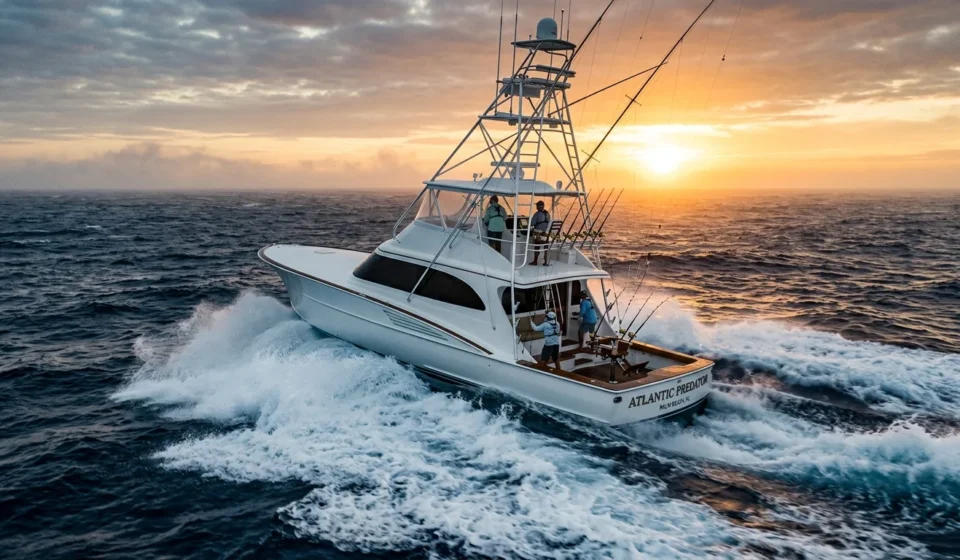
For serious big game pursuits, dedicated sportfishers and well-equipped center consoles are the champions of the fleet. A sportfisher, often ranging from 40 to 90 feet, offers unparalleled seaworthiness, long-range fuel capacity, and dedicated amenities. Their deep-V hulls are designed to cut through heavy seas, providing a stable platform for trolling and fighting fish. Key features include expansive cockpits designed for multiple anglers and crew, integrated fighting chairs (essential for battling granders), robust outriggers for spreading multiple lines, and often a tuna tower for elevated spotting of fish and bait schools. These vessels are engineered for the specific demands of offshore angling, providing ample storage for tackle, bait, and provisions necessary for multi-day excursions.
For those seeking a more agile, yet still formidable, option, larger center consoles (typically 30-50 feet) have evolved significantly. While lacking the enclosed cabin of a sportfisher, many now boast incredible range, powerful triple or quad outboard configurations, and robust fishing amenities like oversized livewells, redundant electronics, and even gyroscopic stabilizers for enhanced comfort in choppy conditions. They offer greater speed to reach distant fishing grounds quickly and excellent 360-degree fishability around the console. Regardless of type, focus on vessels with ample fuel capacity for extended runs (often 100+ miles offshore), redundant engine systems, advanced navigation suites, and robust construction capable of withstanding the unpredictable nature of the deep blue. Remember, your investment in a quality, well-maintained vessel is an investment in your adventure’s success and safety.
Mastering the Deep: Advanced Tactics & Technology for Success
Beyond the fundamental gear, consistently landing big game offshore hinges on a sophisticated understanding of marine dynamics, a mastery of advanced angling tactics, and the intelligent deployment of cutting-edge technology. The vastness of the ocean demands a strategic approach far beyond simply dropping a line.
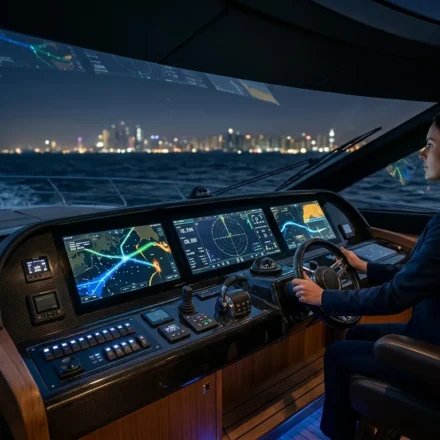
Modern marine electronics are your eyes and ears in the deep. High-definition CHIRP sonar, often paired with side-scanning and 3D imaging capabilities, allows captains to not only mark individual fish but also identify subtle bottom structures, bait concentrations, and even thermoclines that attract predators. Radar isn’t just for navigation; experienced captains use it to spot bird activity miles away, indicating bait schools and, subsequently, the presence of larger predatory fish. Satellite communication systems, integrated weather routing software, and high-precision GPS chartplotters are indispensable for safe navigation, real-time weather avoidance, and efficient transit to prime fishing grounds based on current conditions and historical data.
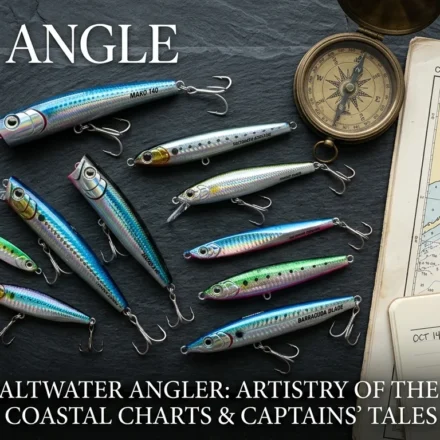
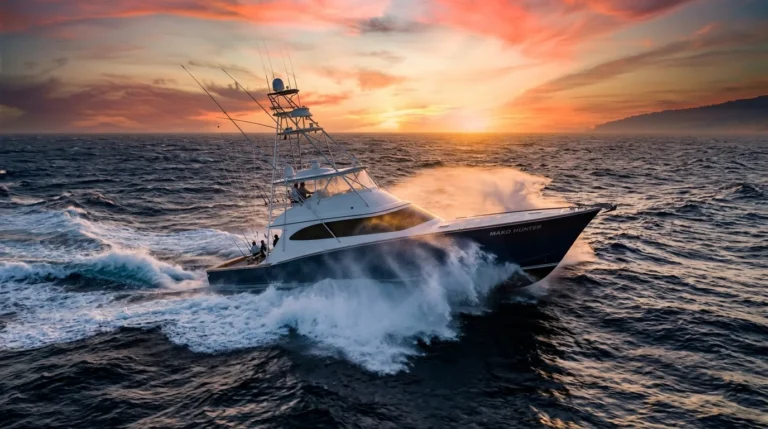
The art of presenting bait and lures is equally critical. Successful offshore teams deploy intricate trolling spreads, often involving 6-10 lines simultaneously. This might include a “shotgun” lure way back, long and short rigger baits, flat lines, and perhaps a dredge or teasers to create a “bait ball” illusion. Each lure or bait is carefully selected for its color, size, and swimming action to mimic local forage or attract specific species. Live bait techniques are also highly evolved, ranging from slow-trolling massive skipjack tuna for marlin to kite fishing arrays that suspend baits perfectly on the surface, enticing strikes from wary predators. During a fight, it’s a coordinated dance: the captain maneuvers the boat to maintain optimal angles, the angler works the fish in the fighting chair, and the mates manage the remaining lines and prepare for gaffing or release. This level of synchronization and technical expertise is what separates casual trips from true deep blue conquests.
Crew, Contingency, and Conservation: The Pillars of a Safe Expedition
No successful offshore big game expedition is a solo endeavor. The human element—the competence of your crew, the meticulousness of your contingency planning, and your commitment to conservation—forms the bedrock of a safe, productive, and ethical adventure. Out in the deep blue, far from immediate assistance, every detail matters.
A highly skilled crew is non-negotiable. This typically includes a seasoned captain with extensive knowledge of offshore navigation, weather patterns, and local fishing grounds, and at least one experienced mate. The mate’s role is multifaceted: setting spreads, rigging baits, assisting the angler during a fight, and crucially, managing boat traffic and safety protocols. Roles must be clearly defined, and communication precise, especially when a large fish is hooked. Regular safety drills, covering everything from man-overboard procedures to fire suppression, should be standard practice. For extended trips, consider crew rotations to maintain alertness and efficiency.
Contingency planning is your insurance policy against the unpredictable nature of the ocean. This begins with a comprehensive float plan submitted to a reliable contact on shore. Essential safety gear includes a properly serviced life raft, multiple EPIRBs (Emergency Position Indicating Radio Beacons) and PLBs (Personal Locator Beacons), extensive medical kits (including trauma supplies), redundant communication systems (VHF, satellite phone, SSB radio), and sufficient fresh water and emergency rations for prolonged unexpected delays. Beyond safety equipment, consider spares for critical engine components, propellors, and even advanced fishing tackle. A thorough pre-trip vessel inspection is paramount, ensuring all systems are operational and fuel tanks are topped off, accounting for significant reserves. Understanding fuel burn rates and maintaining conservative reserves is not just prudent; it’s vital for safe returns from distant grounds.
Finally, responsible angling and conservation are integral to the ethos of offshore big game fishing. The magnificent creatures we pursue are a finite resource, and their preservation ensures the longevity of this incredible sport. Adhere strictly to local and international regulations regarding catch limits, size restrictions, and protected species. Practice catch and release whenever possible, using circle hooks to minimize harm and employing proper release techniques to maximize survival rates. For harvested fish, ensure they are utilized respectfully and efficiently. Many major tournaments now feature significant catch-and-release divisions, reflecting a growing commitment to sustainability. As custodians of the ocean, it’s our duty to ensure that future generations can experience the same awe and challenge that draws us to the deep blue.
The Legacy of the Catch: From Battle to Bragging Rights
As the sun dips below the horizon, painting the sky with fiery hues, and your vessel turns back towards shore, the true reward of an offshore big game fishing expedition begins to crystallize. It’s rarely just about the scales on the deck or the measurements of a trophy fish, though those moments of triumph are undeniably exhilarating. The lasting legacy of a deep blue conquest resides in something far more profound: the shared experience, the lessons learned, and the indelible memories forged under the vast expanse of the ocean.
The camaraderie among crew and anglers, forged in the crucible of challenge and shared anticipation, becomes a bond unlike any other. The hours spent scanning the horizon, the precision required to execute a perfect bait spread, the adrenaline surge when a reel screams, and the sheer physical and mental endurance demanded during a prolonged battle—these are the elements that weave the tapestry of an unforgettable adventure. Each trip is a masterclass in patience, problem-solving, and resilience, skills that extend far beyond the fishing grounds. You gain a deeper appreciation for the intricate ecosystem of the ocean, the raw power of its inhabitants, and the humbling insignificance of our human endeavors against its might.
Whether you’re celebrating a successful release, proudly displaying a record catch, or simply recounting the tales of “the one that got away,” these stories become part of your personal maritime history. They are the true bragging rights, richer than any mere statistic. As you plan your next deep blue conquest with boatandsailboat.com, remember that the true essence of offshore big game fishing lies in the journey itself—the meticulous preparation, the strategic execution, the unwavering respect for the environment, and the unyielding spirit of adventure that calls us to the horizon, again and again. Prepare wisely, embark boldly, and create your own legend in the endless blue.