


The Grand Debate: Monohull or Catamaran for Your Cruising Dreams?
You’ve dreamt of casting off the lines, feeling the spray on your face, and waking up to new horizons every day. But before you hoist that anchor for good, there’s a fundamental question every aspiring cruiser faces: monohull or catamaran? This isn’t just about the number of hulls; it’s about your cruising style, your comfort priorities, your budget, and ultimately, the life you envision on the water. Having spent decades helping folks navigate these very waters at Sail & Power & Boats & Motor Yachts, I can tell you there’s no single “right” answer, only the right answer for you.
Table Of Content
- The Grand Debate: Monohull or Catamaran for Your Cruising Dreams?
- The Classic Charm of Monohulls: A Seaman’s Soul
- Feel, Performance, and the Art of Sailing
- Living Aboard: Cozy Comfort and Security
- Docking, Maintenance, and Costs
- The Modern Allure of Catamarans: Space, Stability, and Speed
- Space, Comfort, and a Stable Platform
- Performance, Handling, and Shallow Draft
- Docking, Maintenance, and Costs
- Beyond the Hulls: Practical Considerations for Your Cruising Style
- Budget: Purchase, Upkeep, and Dockage
- Cruising Grounds and Lifestyle
- Resale Value and Market Trends
- Making Your Choice: It’s All About You
This choice will define your experience, from how you move through the ocean to how you live aboard. Both offer incredible freedoms and unique challenges. So, let’s dive in and explore what each hull type brings to the table, helping you decide which vessel will be your ideal partner for unforgettable journeys.
The Classic Charm of Monohulls: A Seaman’s Soul
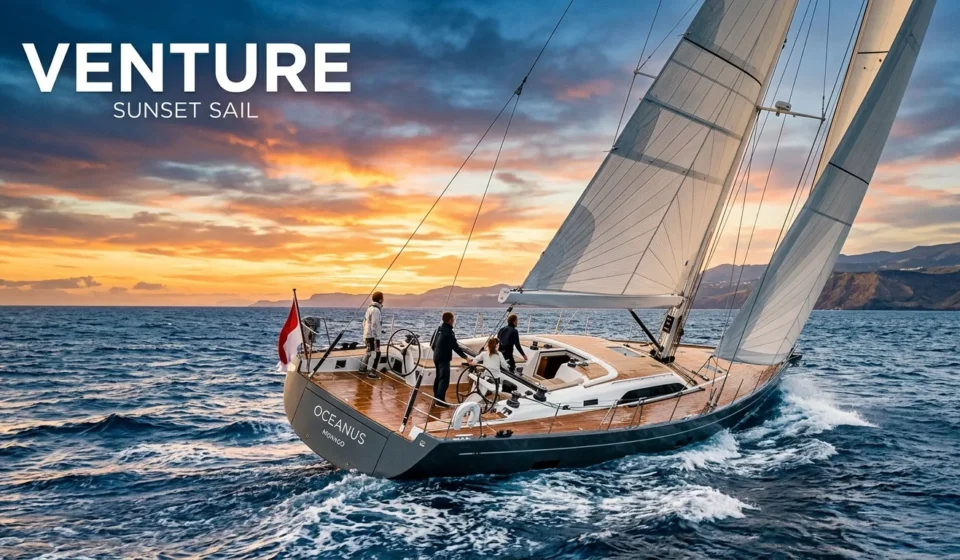
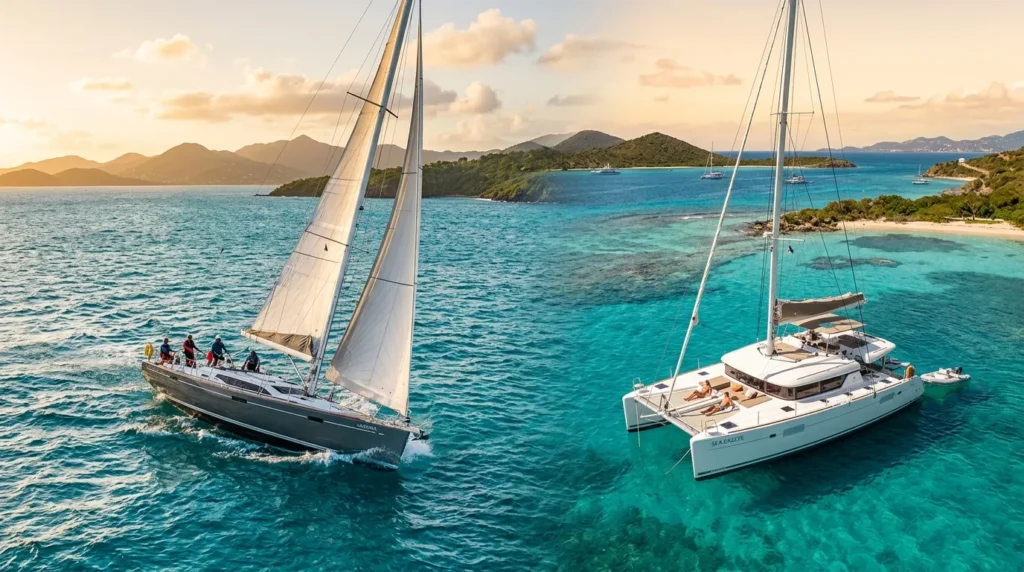
For many, the monohull is the quintessential boat. It’s the image that springs to mind when you hear the word “sailboat” – a graceful hull slicing through waves, often with a slight heel that connects you directly to the forces of wind and sea. There’s a certain romance and tradition here that’s hard to ignore.
Feel, Performance, and the Art of Sailing
Cruising on a monohull, particularly a sailboat, offers a deeply engaging experience. You feel the boat’s motion, the rhythmic rise and fall, and the satisfying heel as the wind fills the sails. This motion, while sometimes unsettling for newcomers, is what many seasoned sailors cherish. Monohulls generally excel at sailing closer to the wind (pointing higher) due to their deep keels, making upwind passages more efficient. They also tend to handle rough seas with a more comfortable, predictable motion, cutting through waves rather than slapping over them.
For example, imagine this situation: You’re offshore, a steady breeze on the beam, and your monohull is heeling gently, slicing through the waves with a purposeful hum. You’re part of the vessel, feeling every nuance of the wind and water. It’s a truly visceral connection to the elements that many find incredibly rewarding. Power monohulls, too, offer a proven sea-keeping ability, often having deeper V-hulls designed to punch through heavy seas with minimal fuss.
Living Aboard: Cozy Comfort and Security
Interior-wise, monohulls typically feature a deeper, narrower hull. This often translates to a cozy, secure feeling below deck, sometimes described as being “in” the boat rather than “on” it. While floor space might be less expansive than a catamaran, monohulls often provide abundant storage within their deep bilges and lockers, perfect for extended cruising. The galley and saloon areas can feel more intimate, and the motion at anchor, thanks to the deep keel, is generally more subdued, reducing roll.
However, the layout usually means stepping up and down, with cabins often tucked away forward and aft. Headroom can vary, but modern designs are very clever at maximizing usable space. For a couple or a small family who value traditional aesthetics and a feeling of solidity, a monohull offers a tried-and-true liveaboard experience.
Docking, Maintenance, and Costs
In terms of maneuvering, monohull sailboats typically have a single engine, which means they pivot around a central point, requiring a bit more skill in tight marinas, especially with wind or current. Their narrower beam, however, often means easier access to standard slips, which can be a significant cost saver. Haul-out costs are generally lower for monohulls as they fit on conventional travel lifts and jack stands.
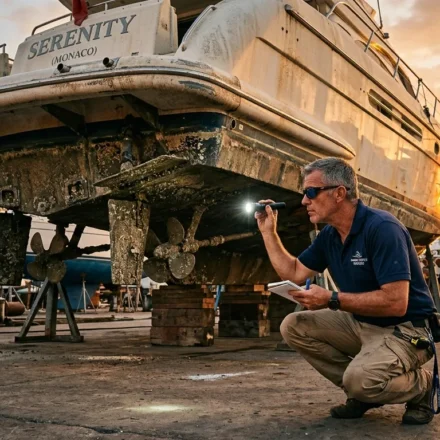
Maintenance on a monohull often involves a single engine, single rudder, and less overall surface area to clean and anti-foul compared to a catamaran of similar length. This can translate to reduced maintenance expenses over the long term, though deep keels can make prop and rudder access a bit trickier without hauling out.
The Modern Allure of Catamarans: Space, Stability, and Speed
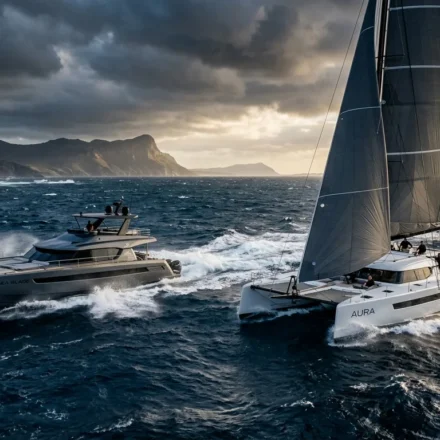
Catamarans have surged in popularity for cruisers over the last few decades, and for good reason. They offer a fundamentally different experience, prioritizing space, stability, and often, speed, especially on certain points of sail. If your vision of cruising involves sprawling out on deck and minimal heel, a catamaran might be calling your name.
Space, Comfort, and a Stable Platform
The most striking advantage of a catamaran is its sheer volume. With two hulls and a wide bridge deck connecting them, you get an incredible amount of living space – often comparable to a monohull 10-20 feet longer. This means multiple private cabins, often with en-suite heads, a massive saloon, and expansive cockpits and foredecks perfect for entertaining or simply relaxing.
But what if you value stability above all else? Catamarans offer a remarkably stable platform. They sail and motor with very little heel, making life aboard much more comfortable for those prone to seasickness, for cooking, or for simply walking around without bracing yourself. This stability also means less rolling at anchor, which can be a game-changer for a good night’s sleep. Power catamarans capitalize on this stability even further, offering incredibly smooth rides and vast interior volumes.
Performance, Handling, and Shallow Draft
While typically not able to point as high as a monohull, cruising catamarans can be exceptionally fast on a beam reach or broad reach. Their twin hulls and often lighter displacement allow them to cover serious mileage in a day. The twin engines are another huge advantage: they allow a catamaran to literally turn on its own axis, making docking in tight spots surprisingly easy once you get the hang of it. Honestly, it’s like driving a giant joystick!
Another significant benefit is their shallow draft. With typically shorter keels or daggerboards, catamarans can access secluded coves and anchorages that are off-limits to most monohulls. This opens up a world of exploration in places like the Bahamas or countless sandy coves, providing a unique freedom that many cruisers highly value.
Docking, Maintenance, and Costs
The wide beam of a catamaran, while great for space, can present challenges in marinas. Wider slips are often required, and these typically come with a higher price tag. Haul-out facilities must also be equipped to handle the width, sometimes necessitating specialized travel lifts or even an expensive dry dock. This is a common point of contention for potential buyers, so always factor it into your budget.
Maintenance involves two engines, two rudders, and double the anti-fouling surface area compared to a monohull of similar length. This generally means higher costs for routine servicing and bottom jobs. However, the accessibility to engine rooms, often located under the aft berths, can be excellent, making some DIY tasks simpler.
Beyond the Hulls: Practical Considerations for Your Cruising Style
So far we’ve covered the inherent characteristics of each. Now let’s get to the really critical point: how these differences align with your personal cruising style and priorities. This is where the rubber meets the road, or should I say, the keel meets the water!
Budget: Purchase, Upkeep, and Dockage
Generally speaking, a cruising catamaran will have a higher purchase price than a comparably sized monohull, new or used. This is due to the increased materials, two engines, and more complex systems. As we touched on, maintenance, haul-out, and marina slip fees also tend to be higher for catamarans. Insurance can also sometimes be a factor, with some insurers viewing catamarans differently than monohulls, especially for offshore passages. It’s crucial to get quotes for all these aspects before committing.
Cruising Grounds and Lifestyle
Where do you plan to cruise? If shallow anchorages and reef exploration are high on your list, a catamaran’s shallow draft is a huge advantage. For long offshore passages where consistent upwind performance is critical, a monohull might be preferred by some traditionalists. Are you planning to liveaboard full-time with a family? The sheer space of a catamaran can be a game-changer for domestic harmony. If it’s just you or a couple, and you love the feel of a traditional sailboat, a monohull could be your perfect fit. Consider your crew, their comfort levels, and how much “personal space” everyone needs.
Resale Value and Market Trends
The market for cruising catamarans has been incredibly strong for years, often holding their value well. However, good quality monohulls, especially reputable blue-water cruisers, also maintain a solid demand. Both types have active brokerage markets, but catamarans are currently experiencing a boom that shows no signs of slowing down. As a yacht broker, I’ve seen firsthand how quickly a well-maintained cat can find a new owner.
Making Your Choice: It’s All About You
So, Monohull vs. Catamaran? As you can see, there’s no clear winner, only the boat that best aligns with your personal vision for life on the water. Do you yearn for the traditional sailing experience, the feel of the boat heeling, and a cozy, secure interior? A monohull might be your soulmate. Or do you dream of expansive deck space, rock-solid stability, shallow draft adventures, and the ability to host friends with ease? Then a catamaran could be your perfect match.
Based on my experience, the best advice I can give you is this: spend time on both. Charter a monohull for a week, then a catamaran. Visit boat shows and explore the layouts. Talk to owners of both types. Weigh your budget, your planned cruising grounds, and most importantly, what truly makes your heart sing. The right choice isn’t just a boat; it’s a home, a lifestyle, and the vessel for countless future memories. Happy cruising, no matter which path you choose!