High-Performance Hulls: What Makes a Race Boat Go Fast?
Ever watched a sleek powerboat rip across the water, leaving a dazzling wake, or seen an America’s Cup catamaran literally fly above the waves? The sheer speed and agility of these vessels are captivating. But what truly makes a race boat go fast? While powerful engines, expansive sails, and skilled crews all play a crucial role, the secret weapon, the unsung hero, is often hidden beneath the waterline: the hull design.
Table Of Content
- The Fundamental Principles: The Battle Against Resistance
- Friction Drag: Smoothness is Key
- Form Drag: The Shape That Slices
- Wave-Making Drag: Outsmarting the Water
- Hull Designs Built for Speed: From Skimming to Flying
- Planing Hulls: Skimming the Surface
- Displacement Hulls: Long and Lean
- Catamarans & Trimarans: Stability and Speed
- Foiling Hulls: The Future is Flying
- Beyond the Hull: Other Critical Speed Factors
- The Ultimate Pursuit of Speed
As someone who’s spent decades around boats of all shapes and sizes, from classic cruisers to cutting-edge racers, I can tell you that the hull is where the magic of speed truly begins. It’s the boat’s interaction with the water, and how efficiently it moves through or over it, that dictates its ultimate pace. Today, we’re going to dive deep into the fascinating world of high-performance hulls and uncover the engineering marvels that push the boundaries of speed on the water.
The Fundamental Principles: The Battle Against Resistance
At its core, making a boat go fast is about one thing: minimizing resistance. Water is a much denser medium than air, and pushing a vessel through it requires significant energy. Naval architects and designers are constantly battling three primary types of drag to achieve those blistering speeds.
Friction Drag: Smoothness is Key
Imagine trying to slide your hand across a rough concrete surface versus a polished countertop. The difference in resistance is immediate, right? It’s the same principle with boats. Friction drag is caused by the water clinging to the boat’s wetted surface – the part of the hull that’s submerged. The larger the wetted surface area and the rougher that surface, the more friction drag the boat experiences. This is why race boats are obsessively faired, sanded, and painted with ultra-smooth, often specialized bottom paints. Every tiny imperfection creates turbulence, slowing the boat down.
Reducing wetted surface is also critical. This is a primary reason why many high-performance sailing yachts have deep, narrow keels and rudders, rather than broader, shallower ones. It’s a delicate balance; you need enough surface area for control, but not so much that it creates excessive drag. Based on my experience, even a small patch of marine growth can knock knots off a boat’s top speed – a testament to how crucial a clean, smooth bottom is!
Form Drag: The Shape That Slices
Next up is form drag, also known as pressure drag. This is all about the shape of the hull itself and how efficiently it pushes water aside. A blunt, boxy bow will create a huge pressure wave in front of it and a turbulent vacuum behind it, creating immense drag. Conversely, a sleek, finely-shaped bow with a gradual entry angle allows the water to part smoothly and flow cleanly along the hull without creating unnecessary turbulence or pressure differentials. Think of a knife slicing through butter compared to a brick. The knife (a well-designed hull) encounters far less resistance due to its refined form.
This is where the artistry of naval architecture truly shines. Designers sculpt hulls not just for aesthetics, but for hydrodynamic efficiency. Every curve and angle is meticulously calculated to guide water flow, minimizing the energy required to displace it. Honestly, it’s incredible to see the computational fluid dynamics (CFD) models they use these days to perfect these shapes.
Wave-Making Drag: Outsmarting the Water
This is arguably the most significant source of drag for many displacement vessels, especially as they approach their theoretical hull speed. Wave-making drag occurs because a boat moving through water creates a system of waves – a bow wave, stern wave, and a series of transverse waves. Generating these waves requires energy, and that energy comes directly from the boat’s propulsion system, slowing it down.
The amount of wave-making drag is heavily influenced by the boat’s length and speed. As a boat accelerates, its wave pattern changes. At a certain point, often called “hull speed,” the boat gets trapped between its bow and stern waves, requiring exponentially more power to go faster. This is why you see displacement yachts, even with massive engines, struggle to exceed a certain speed. Overcoming wave-making drag is a primary goal for any high-performance hull, and different designs tackle it in unique ways.
Hull Designs Built for Speed: From Skimming to Flying
So, with those fundamental principles in mind, let’s explore how different hull designs specifically address these drag forces to achieve incredible speeds. Each type has its sweet spot, its ideal scenario for going fast.
Planing Hulls: Skimming the Surface
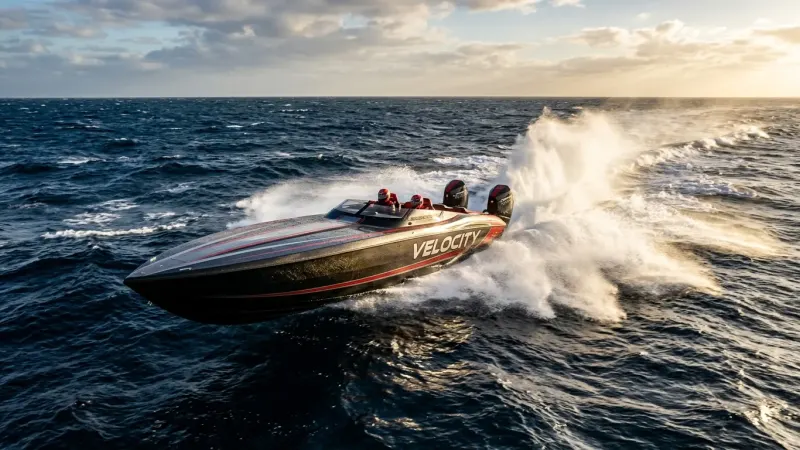
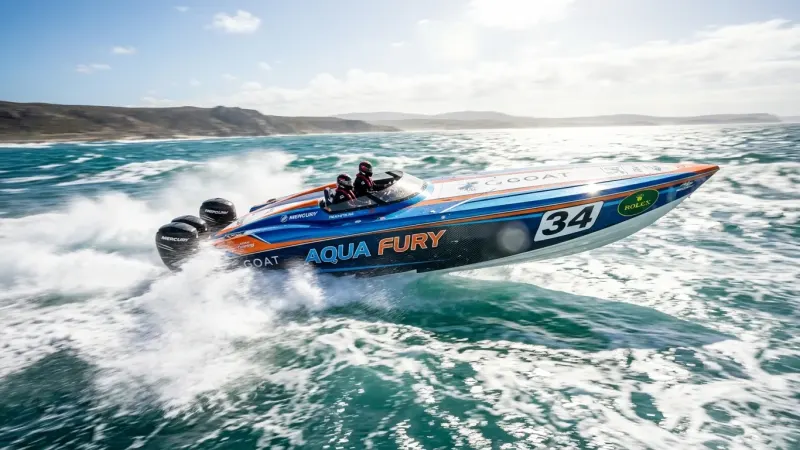
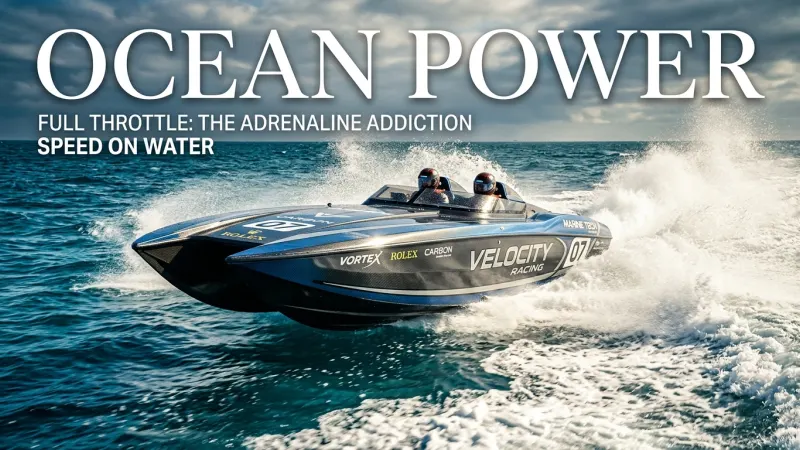
For motorboats, particularly those designed for high speeds, the planing hull is king. Instead of pushing through the water, a planing hull is designed to lift and ride on top of it, much like a skipping stone. As speed increases, hydrodynamic lift generated by the hull’s flat or V-shaped aft sections overcomes the boat’s weight, reducing the wetted surface area dramatically. This significantly cuts down on friction and wave-making drag.
Think of a speedboat with a powerful outboard. As it accelerates, the bow lifts, and it gets “up on plane,” reducing its wetted surface to just a small portion of the hull aft. This allows for very high speeds with relatively less power than a displacement hull attempting the same. However, planing hulls are generally less efficient at low speeds, often plowing through the water before they can lift.
Displacement Hulls: Long and Lean
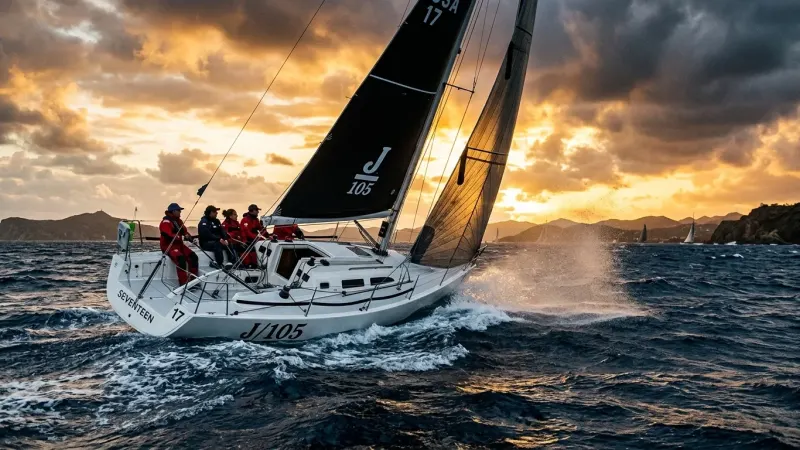
While planing hulls excel at high speeds, displacement hulls have their own advantages, particularly for efficiency over long distances or in certain sailing applications. High-performance displacement hulls, often seen in offshore racing sailboats or sleek motoryachts, are typically very long and narrow. This length-to-beam ratio is crucial for minimizing wave-making drag at their theoretical hull speed.
A long, slender hull can generate longer, less impactful waves, meaning it expends less energy creating them. These hulls are designed to cut through the water cleanly, with fine entries and exits, optimizing form drag. While they won’t “plane” in the same way a powerboat does, their efficiency at speed, especially in lighter conditions or for sustained passages, is remarkable. For example, imagine a single-hull offshore racer slicing through the ocean – its long waterline length is a key ingredient in its speed potential.
Catamarans & Trimarans: Stability and Speed
When you add another hull, things get really interesting. Multihulls – catamarans (two hulls) and trimarans (three hulls) – offer a completely different approach to speed. By spreading the boat’s displacement across multiple, much narrower hulls, they drastically reduce wave-making drag compared to a monohull of similar length and volume. Each individual hull is long and slender, optimizing its length-to-beam ratio for minimal resistance.
Furthermore, multihulls offer incredible initial stability. This means they can carry a much larger sail plan than a monohull of comparable length without heeling excessively. More sail area translates directly to more power, and combined with their low resistance, this is why multihulls are so blisteringly fast, especially off the wind. Based on my experience, watching a racing catamaran accelerate is an eye-opening experience for anyone used to monohulls!
Foiling Hulls: The Future is Flying
Now, if you want to talk about truly radical performance, you have to talk about foiling hulls. This is the cutting edge of marine speed, where boats literally lift out of the water, reducing wetted surface to an absolute minimum. Imagine underwater wings, or foils, that generate lift as the boat gains speed, eventually raising the entire hull clear of the water.
Once airborne, the only wetted surfaces are the small foils themselves and perhaps the rudder. This virtually eliminates friction drag from the main hull and dramatically reduces wave-making drag. The result? Mind-blowing speeds that seem to defy gravity. From America’s Cup yachts to high-performance windsurfers and even ferries, foiling technology is transforming what we thought was possible on the water. It’s truly a game-changer, though it does add complexity and requires calm water to operate optimally.
Beyond the Hull: Other Critical Speed Factors
While the hull is undoubtedly the foundation of a race boat’s speed, it’s far from the only factor. A truly fast boat is a symphony of engineering, where every component plays a role. Let me add something here: without considering these other elements, even the most perfect hull can’t reach its full potential.
- Materials and Construction: Lightweight yet incredibly strong materials like carbon fiber, Kevlar, and advanced composites are essential. Less weight means less displacement, which translates to less drag and higher speeds. The way these materials are laid up and cured also impacts structural rigidity and weight distribution.
- Power and Propulsion: For powerboats, the engine’s horsepower, propeller design, and transmission efficiency are paramount. For sailboats, the size, shape, and material of the sails, along with the efficiency of the rigging and mast, directly determine how much power can be harnessed from the wind.
- Appendages: Keels, rudders, daggerboards, and now foils – these underwater components are critical for control and lift. Their design must be optimized for minimal drag while providing maximum lift and steering authority. A poorly designed keel on a sailboat, for example, can create immense drag, negating the benefits of a fast hull.
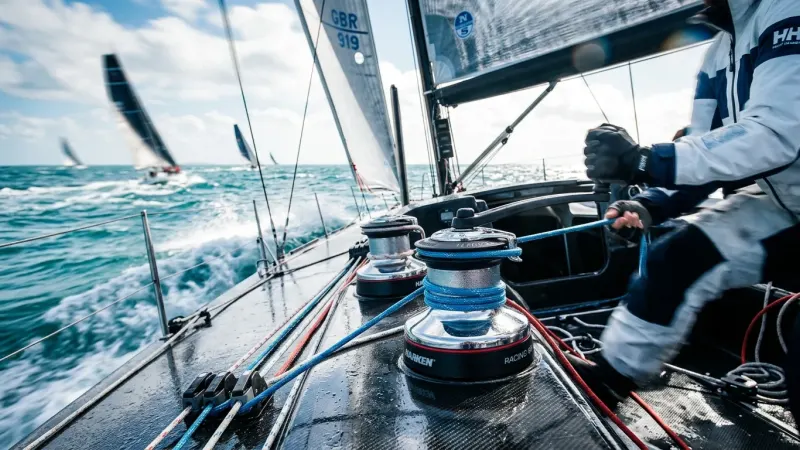
- Crew Skill and Tactics: Honestly, even with the most advanced boat, human skill remains irreplaceable. A top-tier racing crew can extract every ounce of performance, reading the wind and waves, making split-second tactical decisions, and fine-tuning every adjustment. They truly make the boat sing.
The Ultimate Pursuit of Speed
As you can see, what makes a race boat go fast is a complex interplay of brilliant design, cutting-edge materials, and meticulous execution. The hull, however, remains the cornerstone, the fundamental element that dictates how a vessel interacts with its watery environment. From the sleek lines of a displacement yacht to the gravity-defying flight of a foiler, each design is a testament to humanity’s relentless pursuit of speed and efficiency on the water.
Whether you’re admiring a record-breaking trimaran or simply appreciating the smooth ride of a well-designed cruiser, understanding these principles gives you a deeper appreciation for the incredible engineering beneath the waves. So, the next time you’re out on the water, take a moment to consider the hull beneath you. What story is its shape telling about its purpose and its speed potential? It’s a fascinating world, isn’t it?