


The Freshness Foundation: Immediate Post-Catch Care
There’s nothing quite like the thrill of reeling in a beautiful saltwater fish. The tug on the line, the splash, the sheer satisfaction of a successful catch. But the journey from the ocean to your dinner plate is just beginning, and how you handle that fish in its first few moments out of the water makes all the difference. Get it wrong, and you’re compromising flavor and texture; get it right, and you’re set for an incredible meal. Honestly, this initial care is more critical than many realize. It’s the secret sauce to truly delicious seafood.
Table Of Content
- The Freshness Foundation: Immediate Post-Catch Care
- The Critical First Step: Bleeding Your Catch
- Keeping it Cold: The Ice Slurry Secret
- Setting Up Your Workspace: Onboard & Ashore
- Essential Tools for the Job
- Hygiene is Paramount: Cleanliness Prevents Spoilage
- The Art of Processing: Gutting, Scaling, Filleting
- Gutting and Gilling: The Core Cleanse
- Scaling or Skinning: Your Preference, Your Fish
- Filleting Like a Pro: Maximizing Yield
- Beyond the Fillet: Storage and Sustainability
- Proper Storage for Peak Freshness
- Respecting the Resource: Minimizing Waste
- Conclusion: Your Delicious Catch Awaits
I’ve seen countless anglers, even experienced ones, skip these crucial first steps, only to wonder why their fish doesn’t taste as good as it should. The truth is, improper handling can lead to rapid deterioration of the flesh, a “fishy” taste, and a less enjoyable eating experience. We spend so much time and effort finding the fish, isn’t it worth a few extra minutes to ensure it’s prepared perfectly? I believe this foundational care sets the stage for everything that follows.
The Critical First Step: Bleeding Your Catch
The very first thing you should do after landing a fish, especially if it’s destined for the table, is to bleed it. This might sound a bit gruesome, but it’s essential. When a fish struggles, lactic acid builds up in its muscles, and the blood carries metabolic waste products. By bleeding the fish immediately, you remove this blood, which can impart a metallic or strong “fishy” flavor to the meat. It also helps to prevent spoilage and results in cleaner, whiter fillets.
The quickest and most effective way to bleed a fish is to make a quick, clean cut through the gills or sever the caudal artery (the artery near the tail fin). Let the fish bleed out in a bucket of seawater or over the side of the boat. You’ll see the water turn red for a minute or two. Once the blood flow stops, you know it’s done. This process is incredibly important for maintaining the quality of your saltwater fish cleaning efforts later on.
Keeping it Cold: The Ice Slurry Secret
After bleeding, the next non-negotiable step is to get your fish on ice, and I mean immediately. Rapid chilling slows down enzyme activity and bacterial growth, which are the main culprits behind spoilage. Simply tossing a fish into a dry cooler with a few ice cubes isn’t enough. The ideal solution is an ice slurry – a mix of ice and saltwater.
Why saltwater? Because saltwater has a lower freezing point than freshwater, allowing the slurry to reach temperatures just below 32°F (0°C) without freezing the fish. This super-chilled bath surrounds the entire fish, drawing heat away much more efficiently than air or solid ice blocks alone. For example, imagine this situation: you’ve caught a beautiful snapper on a hot summer day. If you just lay it on top of ice, the side not touching the ice will warm up quickly. Submerging it in an ice slurry ensures even, rapid cooling, preserving its delicate texture and flavor for hours, even days.
Setting Up Your Workspace: Onboard & Ashore
Now that your catch is properly chilled, it’s time to think about processing. Whether you’re filleting right there on the boat or waiting until you’re back at the dock, a well-prepared workspace is key to efficiency and hygiene. Rushing the setup often leads to a messy, frustrating experience, and frankly, a less appealing end product. A dedicated boat cleaning station can make all the difference.
A good workspace isn’t just about having enough room; it’s about having the right tools and maintaining pristine conditions. After all, you’re preparing food! You wouldn’t cook in a dirty kitchen, so why would you process your fish in a haphazard environment? Let me tell you, a little foresight here saves a lot of headaches later.
Essential Tools for the Job
- Sharp Knives: This is paramount. A dull knife is dangerous and makes filleting a chore. You’ll want a flexible filleting knife (6-9 inches for most fish), a sturdy boning knife, and a scaler if you plan to keep the skin on. Keep a sharpening steel handy.
- Cutting Board: A large, stable, non-slip cutting board is a must. Plastic or composite boards are easier to clean and sanitize than wood.
- Gloves: Non-slip gloves can provide a better grip, protect your hands from spines, and enhance hygiene.
- Cooler with Ice: Even if you’re processing on the boat, have a separate cooler with fresh ice ready for your fillets.
- Plenty of Water: A hose or a bucket of clean water for rinsing fish and equipment.
- Waste Bucket: For guts, scales, and scraps. Dispose of these responsibly!
Hygiene is Paramount: Cleanliness Prevents Spoilage
This point cannot be stressed enough. Cleanliness is not just about aesthetics; it’s about food safety and preventing spoilage. Fish harbor bacteria, and cross-contamination is a real risk. Always start with a clean workspace, clean hands, and clean tools. Rinse your knife and board frequently, especially between fish.
After you’re done, everything that touched the fish – knives, board, gloves, surfaces – needs to be thoroughly washed with soap and water, then sanitized. A diluted bleach solution (one tablespoon of bleach per gallon of water) works wonders. Why does this matter so much? Because any lingering bacteria can multiply rapidly, contaminating your next batch of fish or other food items. To be fair, a truly clean environment is the backbone of excellent seafood preparation.
The Art of Processing: Gutting, Scaling, Filleting
With your fish chilled and your station gleaming, we’re ready for the main event: breaking down your catch. This is where skill and practice truly shine. Don’t be intimidated if you’re new to this; everyone starts somewhere. The goal is to maximize your yield, minimize waste, and end up with beautiful, ready-to-cook portions. It’s an art, but one that’s easily learned with a little patience and a sharp knife.
Remember, each fish is a little different, but the basic principles remain consistent. The more you practice, the more intuitive it becomes. You’ll quickly develop a feel for the bones and the texture of the flesh. So far we’ve covered the crucial initial steps and setting up. Now let’s get to the really critical point: the actual processing.
Gutting and Gilling: The Core Cleanse
If you haven’t done so already, the next step is to gut and gill your fish. This is important even if you plan to fillet, as it removes the organs that can quickly spoil and taint the meat. Make a shallow incision from the vent (anus) up to the bottom of the jaw, being careful not to cut too deep into the guts. Open the cavity and remove all internal organs, including the dark bloodline along the backbone.
For gilling, simply reach inside the gill plate and grab the gills, pulling them free from the fish. They are often attached at the top and bottom. Once removed, give the entire cavity a thorough rinse under cold running water until it’s perfectly clean. This step is fundamental to proper fish preparation.
Scaling or Skinning: Your Preference, Your Fish
Now you have a choice: scale the fish or remove the skin entirely. If you plan to cook the fish whole or leave the skin on for certain recipes (like pan-searing, where crispy skin is desired), scaling is your route. Use a fish scaler or the back of your knife, working against the direction of the scales from tail to head. Do this under running water or in a bucket to minimize mess. Be thorough; nobody wants to find a stray scale in their dinner.
If you prefer skinless fillets, you can skip scaling. Skinning is often easier once the fish is filleted. We’ll touch on that in the next section, but it’s a matter of personal taste and the specific recipe you have in mind. Some fish, like mahi-mahi or tuna, have skin that isn’t typically eaten, so skinning is the default.
Filleting Like a Pro: Maximizing Yield
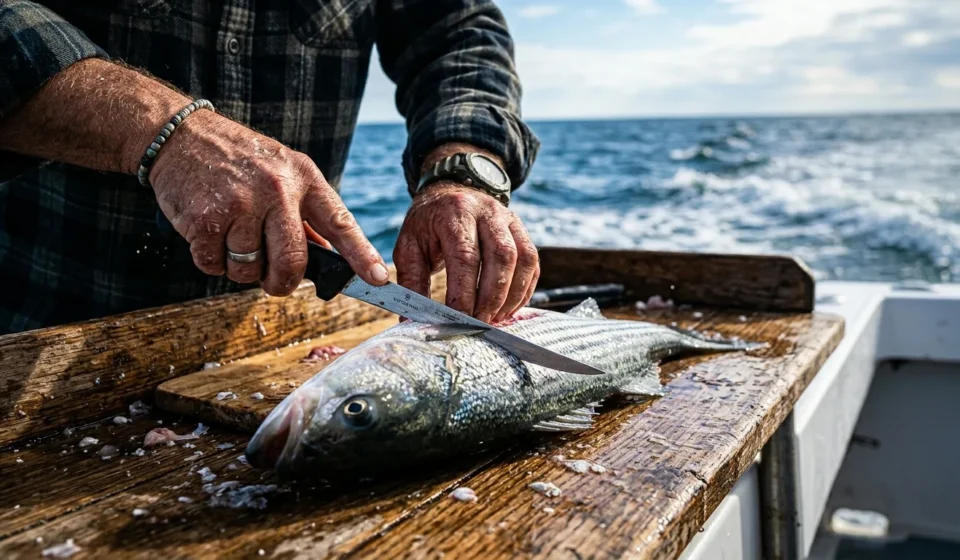
This is where the magic happens. Place the fish on its side on your cutting board. Make an initial cut behind the gill plate, down to the backbone. Then, turn your knife parallel to the backbone and run it along, separating the fillet from the bones. Use long, smooth strokes. Once you reach the tail, you can either cut the fillet completely free or leave a small section attached to help with skinning.
To skin a fillet, lay it skin-side down. Hold the tail end firmly and slide your knife between the skin and the flesh, angling slightly towards the skin. Use a gentle sawing motion, pulling the skin away as you cut. Trim off any belly fat, pin bones (if present, use tweezers or make a ‘V’ cut), or stray bits of dark meat. Rinse the fillets, pat them dry, and they’re ready for the next step. Mastering this technique truly elevates your filleting fish game.
Beyond the Fillet: Storage and Sustainability
You’ve put in the hard work – from the fight on the line to the precise cuts on the board. Now, don’t let all that effort go to waste with improper storage. The goal is to preserve that peak freshness and flavor for as long as possible, whether you’re eating it tonight or saving it for a special occasion. And beyond just your plate, let’s talk about respecting the ocean that provided your bounty.
Good storage practices not only ensure a delicious meal but also contribute to a sustainable approach to fishing. Every part of this process, from catch to kitchen, should reflect an appreciation for the resource. I’ve always found that a little extra effort here pays dividends in taste and peace of mind.
Proper Storage for Peak Freshness
For immediate consumption (within 1-2 days), place your cleaned fillets in a single layer on a bed of ice in a sealed container, or wrap them tightly in plastic wrap and store them in the coldest part of your refrigerator. Change the ice daily if keeping them on ice. The key is to keep them cold and away from air exposure.
For longer storage, freezing is your friend. To prevent freezer burn, use vacuum seal bags if possible. If not, wrap fillets tightly in plastic wrap, then in foil, and finally place them in a freezer bag, squeezing out as much air as possible. Label with the date and type of fish. Properly frozen fillets can last for several months, ensuring you can enjoy your catch long after your fishing trip. This is crucial for successful keeping fish fresh.
Respecting the Resource: Minimizing Waste
As passionate anglers and boaters, we have a responsibility to our marine environment. This extends to how we handle our catch, especially the parts we don’t eat. Fish heads, bones, and scraps are excellent for making fish stock, which can be frozen and used later for soups, sauces, and risottos. Fish frames can also be used as bait for crab traps or to attract other species for photography.
If you’re disposing of waste at sea, ensure you are well offshore in appropriate depths and away from swimming or recreational areas. Never dump fish waste in harbors or near populated beaches. Onshore, dispose of waste in sealed bags in designated trash receptacles. By minimizing waste and disposing of it responsibly, we show respect for the ocean and ensure that future generations can enjoy the thrill of catching their own saltwater fish. It’s all part of the boating lifestyle we cherish at Sail & Power & Boats & Motor Yachts.
Conclusion: Your Delicious Catch Awaits
Cleaning your saltwater catch doesn’t have to be a daunting task. With the right tools, a bit of practice, and an understanding of these best practices, you can transform a freshly caught fish into a culinary masterpiece. From the moment it leaves the water to the final presentation on your plate, every step contributes to the flavor, texture, and overall enjoyment of your meal. Remember, the effort you put in at the cleaning station directly translates to the quality of your dining experience.
So, next time you reel in that magnificent fish, approach the preparation with confidence. Embrace the process, knowing that you’re not just cleaning a fish, you’re honoring your catch and preparing to savor the freshest, most delicious seafood possible. Get out there, catch some dinner, and enjoy the incredible bounty the ocean provides!