


The Allure of the Inshore Slam: Why These Three?
There’s nothing quite like the thrill of a bent rod and the drag screaming as a powerful fish takes your bait in the shallow, sun-drenched waters of the coast. For those of us who live and breathe saltwater fishing, the pursuit of Redfish, Snook, and Speckled Trout – often referred to as the “inshore slam” – is a true passion. These three species offer distinct challenges and rewards, making them the holy grail for many anglers.
Table Of Content
- The Allure of the Inshore Slam: Why These Three?
- Your Tackle Box: Gearing Up Right for Inshore Success
- Rods, Reels, and Line: The Foundation
- Baits and Lures: Tempting the Trio
- Hunting Grounds: Where the Big Three Hide and How to Find Them
- Decoding Their Habitats
- Reading the Tides and Water
- Essential Strategies, Etiquette & Staying Safe
- Mastering the Cast and Retrieve
- Catch and Release & Regulations
- Boating Safety: Your Top Priority
- Ready to Cast Off?
Redfish, with their bronzed bodies and signature tail spot, are powerful fighters known for their bullish runs. Snook, often found lurking near structure, are acrobatic and aggressive, famous for their explosive strikes and head shakes. And then there’s the Speckled Trout (or Spotted Seatrout), a common but beloved inhabitant of grass flats, offering a quick fight and delicious table fare. Together, they represent the pinnacle of inshore angling, and mastering their habits will elevate your fishing game significantly.
My goal here isn’t just to tell you what they are, but to equip you with the knowledge to consistently find and catch them. Based on my experience, understanding their behavior is half the battle won. So, let’s get you ready to hit those productive inshore grounds with confidence from your own vessel, whether it’s a nimble skiff or a larger center console.
Your Tackle Box: Gearing Up Right for Inshore Success
To effectively target these species, you don’t need an arsenal of expensive gear, but you do need the right tools for the job. Choosing your setup wisely makes all the difference between a frustrating day and a memorable one.
Rods, Reels, and Line: The Foundation
- Rods: For Redfish, Snook, and Trout, a medium-light to medium action spinning rod, 7 to 7.5 feet in length, is your best bet. This length offers excellent casting distance and accuracy, which is crucial in tight spots like mangrove tunnels. For Snook, you might lean towards a slightly heavier medium action due to their powerful runs and tendency to dart into cover.
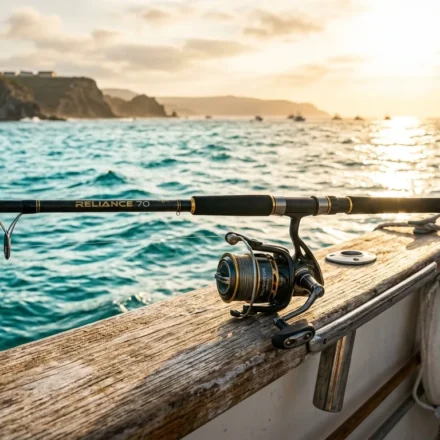
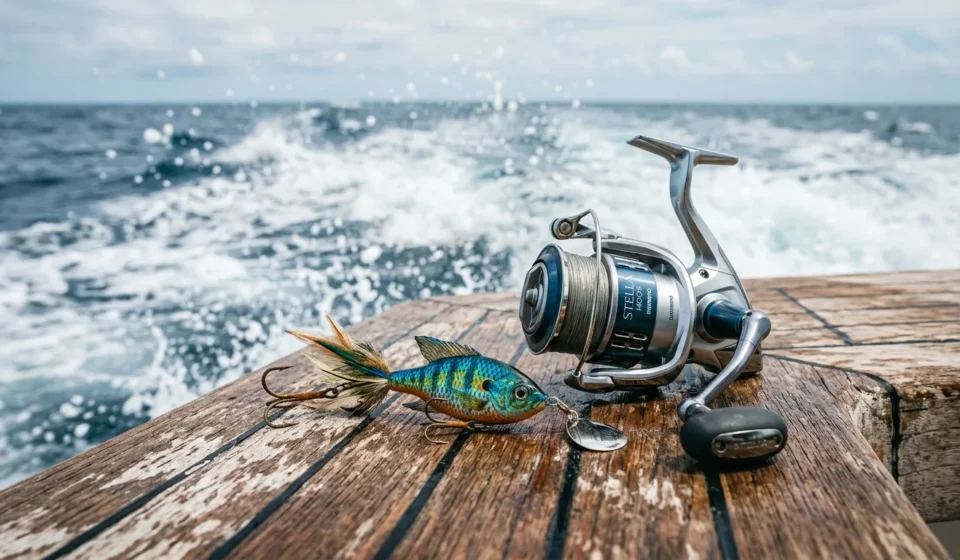
- Reels: Pair your rod with a quality 2500-4000 series spinning reel. Look for a smooth drag system – this is non-negotiable when a big Snook decides to run for the nearest pilings. A reel with a good retrieve ratio will also help you work lures effectively.
- Line: I believe braided line is the superior choice for inshore fishing. Its sensitivity allows you to feel the most subtle bites, and its strength-to-diameter ratio means you can cast further with lighter line. A 10-20lb test braid is usually perfect. Always tie on a 2-4 foot fluorocarbon leader (20-30lb test) with a strong knot like an FG or Alberto. Fluorocarbon is nearly invisible underwater and offers excellent abrasion resistance against rough fish mouths and structure.
Baits and Lures: Tempting the Trio
The beauty of inshore fishing is the versatility of presentations. You’ll want a mix of live bait and artificials in your tackle box. Honestly, sometimes one works when the other doesn’t, so being prepared is key.
- Live Bait: Live shrimp are universally effective for all three species. Pilchards, threadfin herring, or mullet are fantastic for larger Snook and Redfish. Presenting live bait naturally, often under a popping cork or free-lined, can be incredibly productive.
- Artificial Lures:
- Soft Plastics: Paddle tails, jerk shads, and shrimp imitations rigged on jig heads are incredibly versatile. Vary your retrieve and jig head weight to cover different depths.
- Topwater Plugs: There’s nothing more exciting than a Snook or Redfish blowing up on a topwater lure at dawn or dusk. Walk-the-dog style baits or poppers can be deadly.
- Spoons: Gold or silver weedless spoons are excellent for Redfish on the flats, mimicking fleeing baitfish.
- Hard Baits: Suspending twitchbaits or shallow-diving crankbaits can imitate injured baitfish, triggering aggressive strikes from Snook and Trout.
Hunting Grounds: Where the Big Three Hide and How to Find Them
Knowing where to look is perhaps the most critical skill in inshore fishing. These species are creatures of habit, often congregating in specific types of habitat where food is plentiful and cover is available. Understanding their preferred hangouts will dramatically increase your success rate.
Decoding Their Habitats
- Redfish: Look for Redfish around oyster bars, mangrove shorelines, grass flats (especially those with potholes), and even shallow mud flats. They often “tail” in super skinny water, rummaging for crabs and shrimp. The key is to look for signs of life and current.
- Snook: Snook are ambush predators. They love structure: docks, bridges, fallen trees, rock piles, and especially mangrove roots. Deeper channels adjacent to flats or strong current flows are also prime spots, particularly during tidal changes. They’re sensitive to cold, so in cooler months, they’ll move to deeper, warmer water.
- Speckled Trout: Trout are masters of the grass flats. Look for them in sandy potholes within seagrass beds, along the edges of channels, and anywhere baitfish are schooling. They often hold just off the bottom, ready to dart up and ambush prey.
Reading the Tides and Water
Tides are your best friend in inshore fishing. Moving water means feeding fish. An incoming tide often pushes baitfish onto the flats, while an outgoing tide can pull them out of the mangroves, concentrating them in channels and cuts. But what if the tide isn’t ideal? Sometimes, slower moving water around deeper structure can still hold fish, especially Snook. Pay attention to current breaks and eddies.
For example, imagine this situation: You’re poling quietly along a mangrove edge on an outgoing tide. Suddenly, you spot a subtle ripple, then a slight disturbance – a faint wake moving away from the mangroves. That’s your cue! A Redfish or Snook might be actively feeding. A precise, quiet cast into that area, ahead of the movement, could be all it takes. Stealth is absolutely paramount in these shallow environments.
Essential Strategies, Etiquette & Staying Safe
So far we’ve covered the ‘how-to’ of fishing. Now let’s get to the really critical points: strategy, responsible angling, and most importantly, safety when you’re out on the water.
Mastering the Cast and Retrieve
Accuracy is vital. Practice casting to specific targets. For Redfish and Snook, getting your lure or bait tight to the structure or ahead of a cruising fish is often the difference between a bite and nothing. For Trout, a fan cast across a grass flat, varying your retrieve speed and depth, is effective. Pay attention to what the fish tell you; if they’re hitting a fast retrieve, stick with it. If they’re finicky, slow it down.
Catch and Release & Regulations
Many inshore species, especially Snook and larger Redfish, are highly valued for sport and are often catch-and-release only or have strict slot limits. Always check your local regulations (size, bag limits, seasons) before you head out. Handle fish with care: use wet hands, support their weight, and release them quickly. A good pair of de-hooking pliers is invaluable.
Boating Safety: Your Top Priority
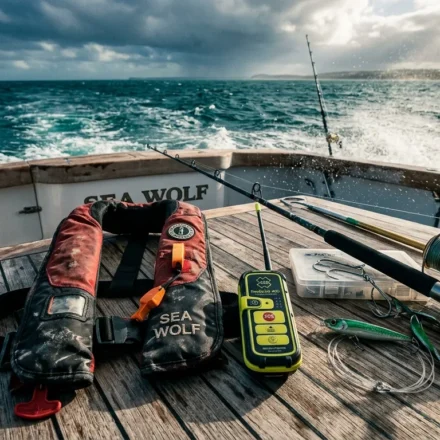
Being an expert angler also means being a responsible boater. The inshore environment, with its shallow waters, oyster bars, and constantly shifting sand, demands respect. Always tell someone where you’re going and when you expect to return. Carry all required safety gear: life jackets (PFDs) for everyone on board, a whistle or horn, flares, and a first-aid kit. A reliable VHF radio and a fully charged cell phone are also crucial.
Always keep an eye on the weather; squalls can pop up quickly in coastal areas. Know your boat’s limits, especially in skinny water. Trim your engine up to avoid prop strikes in shallow areas, and understand how to navigate safely around other boats and sensitive habitats like seagrass beds. Your boat is your key to accessing these incredible fishing grounds, so treat it, and the waters you explore, with the utmost respect. This includes proper anchoring techniques to avoid damaging grass flats.
Ready to Cast Off?
Mastering inshore saltwater fishing for Redfish, Snook, and Trout is a journey, not a destination. It’s about understanding the environment, respecting the fish, and continuously learning from every trip. The camaraderie, the challenge, and the sheer beauty of being on the water make every moment worthwhile. There’s a lifetime of adventure waiting for you out there on the flats and along the mangroves.
So, gather your gear, check your boat, review those tides, and get out there! The next big one is waiting. Happy fishing, and I hope to see you out on the water soon, living that boating and fishing dream we all share here at Sail & Power & Boats & Motor Yachts!