



Inboard vs. Outboard Ski Boats: The Watersports Dilemma
So, you’re passionate about watersports, right? Whether you live for the perfect wakeboarding session, carve up glassy water on skis, or simply love the thrill of towing tubes with friends, you know the boat makes all the difference. But when it comes to picking your next ride, you’re faced with a classic conundrum: inboard ski boat or outboard ski boat? It’s a question I’ve heard countless times over my decades in the marine industry, and honestly, there’s no single “right” answer. It all comes down to your priorities, your budget, and exactly what kind of fun you’re looking to have on the water.
Table Of Content
- Inboard vs. Outboard Ski Boats: The Watersports Dilemma
- The Heart of the Matter: Inboard Ski Boats
- Why Inboards Shine for Watersports
- The Trade-offs of Inboard Power
- The Versatile Performer: Outboard Ski Boats
- Where Outboards Excel
- Considerations for Outboard Power
- Side-by-Side: What Really Matters for Your Watersports Lifestyle
- Wake Quality: Inboard for the Win (Mostly)
- Safety: Inboard Edges Out
- Maintenance & Cost: It’s Complicated
- Versatility & Space: Outboard Takes the Lead
- Making Your Decision: Tailoring to Your Watersports Lifestyle
- Final Thoughts on Your Next Watersports Machine
Today, we’re going to dive deep into this comparison, cutting through the jargon and giving you the practical insights you need. We’ll explore the unique characteristics, advantages, and trade-offs of each engine type, helping you make an informed decision for your watersports boat needs. Let’s get started, shall we?
The Heart of the Matter: Inboard Ski Boats
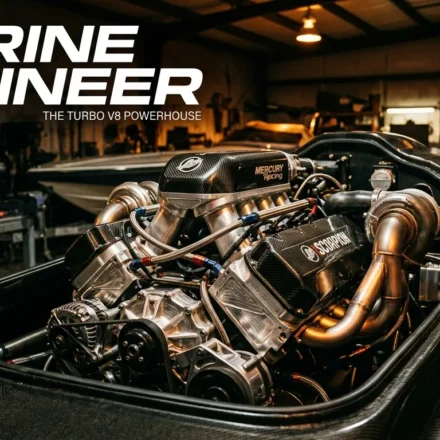
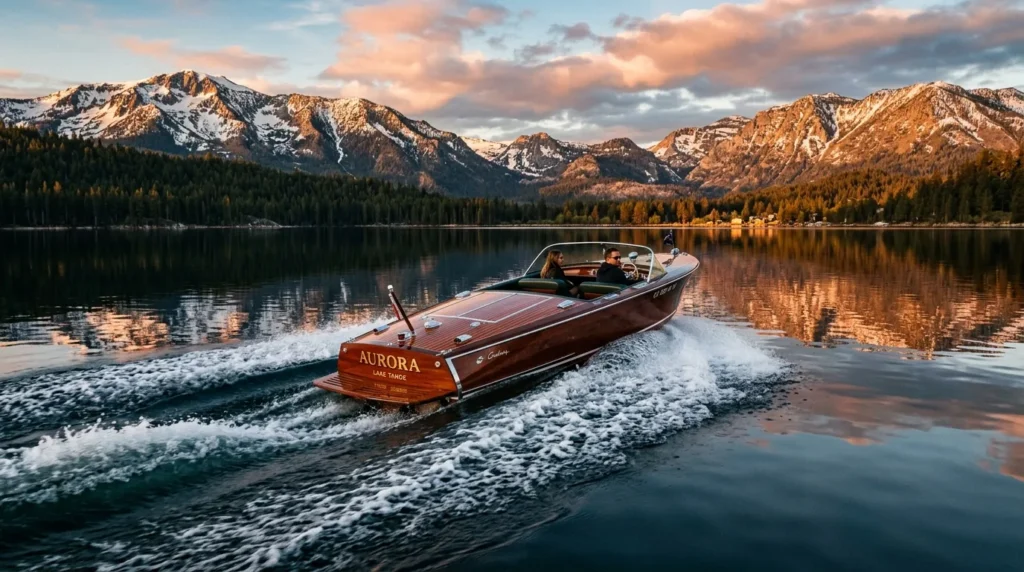
When most people picture a dedicated waterskiing or wakeboarding machine, they’re probably envisioning an inboard. These boats have their marine engine mounted inside the hull, usually towards the center (direct drive) or further back with a V-drive transmission. The propeller is located beneath the hull, driven by a shaft.
Why Inboards Shine for Watersports
- Superior Wake Creation: This is the big one. The weight distribution of an inboard, especially the engine’s low and central placement, is ideal for creating a large, consistent, and shapely wake. For serious wakeboarding and wakesurfing, nothing quite compares. The prop wash is also often cleaner, reducing turbulence behind the boat.
- Enhanced Safety: With the propeller tucked safely underneath the boat, it’s much less of a concern for swimmers, tubers, or fallen skiers re-entering the boat. This is a huge peace of mind factor, especially if you have kids onboard.
- Towing Power: Inboards typically offer incredible low-end torque, which is fantastic for pulling heavy skiers or multiple wakeboarders out of the water quickly and smoothly.
- Smoother Ride & Handling: The lower center of gravity often translates to a smoother ride and more precise handling, particularly in chop.
The Trade-offs of Inboard Power
- Less Interior Space: The engine box can take up a significant amount of prime seating or storage space in the cockpit, especially in direct-drive models.
- Shallow Water Limitations: Because the prop and rudder are fixed beneath the hull, inboards are not ideal for very shallow water. You can’t trim the engine up to navigate skinny areas or beach the boat easily. Trust me, I’ve seen too many props dinged trying to get too close to shore!
- Maintenance Access: While generally reliable, maintenance can be more challenging due to the engine being less accessible inside the hull. It often requires more specialized tools or marine technicians.
- Initial Cost: Dedicated inboard ski boat models, particularly wake-specific boats with ballast systems and surf gates, can command a higher price tag.
The Versatile Performer: Outboard Ski Boats
Outboard engines, mounted on the transom outside the hull, have come a long way. Modern outboards are powerful, fuel-efficient, and incredibly reliable. They offer a completely different set of advantages, appealing to a broader range of boaters and watersports enthusiasts.
Where Outboards Excel
- Unmatched Versatility: This is the outboard ski boat‘s greatest strength. With the ability to trim the engine up, you can easily navigate shallow coves, beach the boat, or even get into those skinny fishing spots. For families who want to ski one day, fish the next, and cruise on a sandbar the day after, an outboard is incredibly flexible.
- More Interior Space: No engine box means a completely open cockpit and swim platform, maximizing usable space for seating, storage, and moving around. This is a huge plus for larger groups or if you just like to stretch out.
- Easier Maintenance & Repair: Engine access is a breeze with an outboard. Most routine maintenance can be done by simply tilting the engine up, and if major work is needed, it’s often easier for a mechanic to get to, potentially saving time and money.
- Top-End Speed: Outboards are often quicker off the line and can achieve higher top speeds, which is great for thrill-seekers or covering larger distances.
- Trailerability: Being able to trim the engine up makes trailering and launching much simpler, reducing the overall draft of the boat.
Considerations for Outboard Power
- Propeller Exposure: The prop is fully exposed at the transom, which means extra vigilance is required around swimmers or when docking. Always cut the engine near people in the water!
- Wake Quality (Historically): While modern outboard boats are significantly better, achieving the deep, surfable wake of a dedicated inboard can still be a challenge. They tend to produce a harder, steeper wake more suited for traditional waterskiing or tubing.
- Noise Levels: Outboards, while much quieter than they used to be, are generally still a bit louder than a well-insulated inboard engine, especially at higher RPMs.
Side-by-Side: What Really Matters for Your Watersports Lifestyle
Now that we’ve looked at each type individually, let’s put them head-to-head on the factors that truly matter when choosing a boat comparison for watersports. Imagine this situation: you’ve got a busy Saturday planned on the lake. Are you primarily focused on nailing that new wakeboard trick, or are you planning to ski for an hour, then head to a shallow beach for lunch, followed by some tubing? Your answer helps define your ideal boat.
Wake Quality: Inboard for the Win (Mostly)
For serious wakesurfing and wakeboarding, the inboard, especially specialized wake boats, is still the undisputed champion. Their hull design, ballast systems, and engine placement create the consistent, massive, and shapely wakes that pros and serious enthusiasts crave. Outboards are improving rapidly, with some models now featuring surf-specific hull designs and even stern drives (like Volvo Penta Forward Drive or Mercury Bravo Four S) that offer safer forward-facing props, bridging the gap somewhat. But if a perfect wake is your absolute top priority, an inboard is likely your best bet.
Safety: Inboard Edges Out
The tucked-away propeller of an inboard offers an inherent safety advantage, making it less likely to come into contact with people in the water. This is a crucial consideration, especially if you have children or less experienced swimmers around the boat. While outboard manufacturers have made great strides in propeller guards and safety features, the basic design means the prop is more exposed.
Maintenance & Cost: It’s Complicated
Generally, routine maintenance on an outboard ski boat can be simpler and more accessible for the DIY enthusiast. You can tilt it up, flush it, and often perform basic checks with ease. Major repairs, however, can sometimes be equally complex for both. Initial purchase costs vary widely. High-end wake boats (inboards) can be very expensive, but a well-equipped outboard can also carry a premium price tag. fuel efficiency has also become highly competitive, with modern outboards often boasting impressive numbers.
Versatility & Space: Outboard Takes the Lead
If you need a boat that can do it all – watersports, fishing, cruising, beaching – the outboard is hard to beat. Its ability to operate in shallow water and the maximized interior space make it incredibly adaptable. If your family has diverse interests on the water, an outboard will likely serve you better across the board. Inboards, while excellent for their specific purpose, are less flexible.
Making Your Decision: Tailoring to Your Watersports Lifestyle
So, after all this, which one is right for you? It really boils down to your primary use case and priorities. Think about these questions:
- What’s your main watersport? If wakesurfing or advanced wakeboarding is your passion, leaning towards an inboard is a strong choice.
- How many people will typically be on board? If you often have a crowd, the extra space of an outboard might be invaluable.
- What kind of waterways do you frequent? Shallow lakes and rivers scream outboard ski boat. Deep, open water is fine for either.
- Are you comfortable with DIY maintenance, or will you always use a professional? Outboards offer easier access for basic tasks.
In my opinion, based on years of watching boaters make these choices, if you are a dedicated wake enthusiast, living and breathing the perfect wave, an inboard is probably going to give you the most satisfaction. However, if you’re a family looking for a versatile watersports boat that can handle tubing, skiing, cruising, and a bit of exploring in different environments, the modern outboard offers an incredible package. To be fair, some of the newer outboard ski boat designs, especially those with advanced hull shapes, are narrowing the gap significantly in wake performance.
Final Thoughts on Your Next Watersports Machine
Ultimately, the choice between an inboard ski boat and an outboard ski boat is a personal one, reflective of your unique boating lifestyle. Both options offer incredible opportunities for fun and adventure on the water. I always tell folks to get out there and experience both! Take them for a spin, feel how they handle, and consider how they fit into your typical day on the lake or ocean. There’s nothing quite like hands-on experience to solidify your decision.
Whatever you choose, remember that the most important thing is getting out there and enjoying the water. We hope this comprehensive boat comparison helps you navigate the options and confidently select the perfect partner for your watersports passions. Happy boating, and may your wakes be perfect and your rides exhilarating!