
Elevate Your Ride: Choosing the Right Wakeboard Tower & Accessories
Hello, fellow boaters and watersports enthusiasts! Your trusted captain here from boatandsailboat.com, ready to dive into a topic that can truly transform your time on the water: selecting the perfect wakeboard tower and its essential accessories. Whether you’re a seasoned pro chasing bigger air or a family looking to add more fun to your weekend outings, a well-chosen tower can make all the difference. For decades, I’ve seen countless boats go from good to great with the addition of a quality tower. It’s more than just a piece of metal; it’s an upgrade that enhances performance, convenience, and those unforgettable moments on the lake.
Table Of Content
- Elevate Your Ride: Choosing the Right Wakeboard Tower & Accessories
- The Anatomy of an Upgrade: Understanding Wakeboard Towers
- Types of Wakeboard Towers: Finding Your Perfect Match
- Critical Considerations Before You Buy: More Than Just Metal
- Boat Compatibility and Structural Integrity
- Material, Finish, and Longevity
- Aesthetics and Integration
- Budgeting for Your Upgrade
- Essential Accessories: Rigging Your Tower for Maximum Fun
- Board Racks: Keeping Your Deck Clear
- Marine Audio Systems: Soundtrack to Your Adventure
- Bimini Tops: Shade and Comfort
- Lighting Solutions: Safety and Ambiance
- Rearview Mirror: The Spotter’s Best Friend
- Other Useful Accessories
- The Installation Imperative: DIY vs. Professional
- Why Professional Installation Matters
- The DIY Approach: When It’s Feasible and When It’s Not
- Maintaining Your Tower and Extending Its Lifespan
- Cleaning and Protection
- Hardware Checks and Tightening
- Winterization and Storage
My career has spanned the full spectrum of marine life, from brokering luxury yachts to helping first-time boat owners pick out their perfect runabout. I’ve witnessed firsthand the evolution of watersports, and few innovations have had as profound an impact as the wakeboard tower. Back in my early days, before towers were mainstream, we’d tow off stern pylons, and getting decent air was a real challenge. The first time I rode behind a boat with a proper tower, it was like someone had flicked a switch – the pull was smoother, the lift was effortless. It genuinely transformed the sport, much like the transition from traditional displacement hulls to advanced planing designs revolutionized powerboating. Let’s explore how to choose the right tower to elevate your ride.
The Anatomy of an Upgrade: Understanding Wakeboard Towers
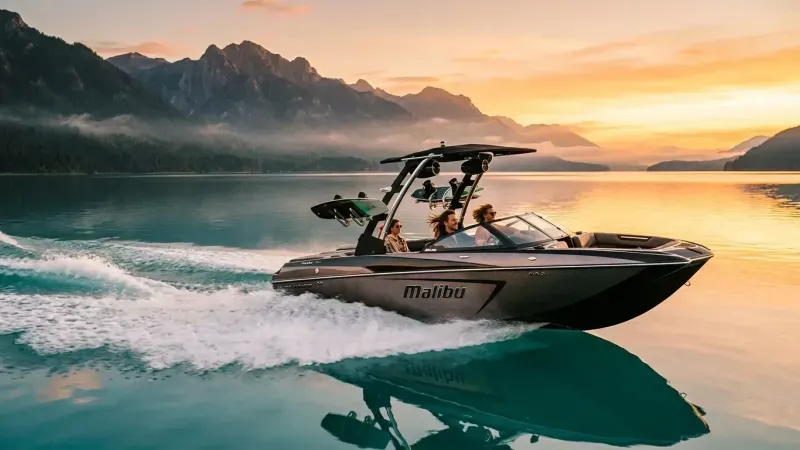
At its core, a wakeboard tower is an ingenious piece of engineering designed to enhance your watersports experience. It’s a tubular structure, typically mounted to the deck or gunwales of a powerboat, that serves one primary, game-changing purpose: to raise the tow point for riders. This seemingly simple elevation has a dramatic effect on how wakeboarders, wakeskaters, and wakesurfers interact with the boat’s wake, making it easier to achieve height, perform intricate tricks, and enjoy a consistently smooth pull.
Think of it like this: on a sailboat, the height and rigidity of the mast directly influence sail performance and stability. Similarly, a wakeboard tower, by lifting the tow rope, creates a steeper angle of pull relative to the water. This angle allows the rider to leverage the wake more effectively, translating into greater airtime and a more predictable trajectory off the crest. It mitigates the downward pull that riders experience when towing from a lower stern point, reducing fatigue and opening up a whole new world of aerial maneuvers. Without this elevated tow point, the physics of getting significant air become far more challenging, limiting the rider’s potential and overall enjoyment.
Types of Wakeboard Towers: Finding Your Perfect Match
Just as there are diverse hull types catering to different boating needs – from the stable displacement hulls of trawlers to the speed-optimized planing hulls of go-fast boats – wakeboard towers come in various designs, each with its own advantages and considerations. Understanding these types is crucial to selecting a tower that aligns with your boat’s capabilities and your personal watersports ambitions.
-
Fixed Towers: The Uncompromising Performer
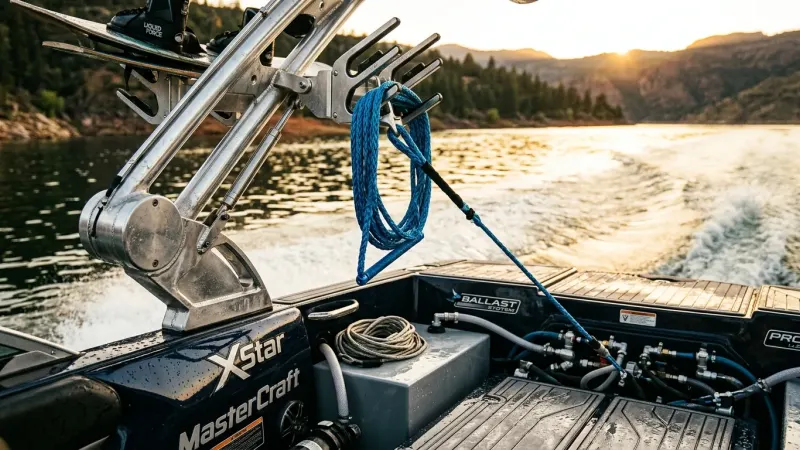
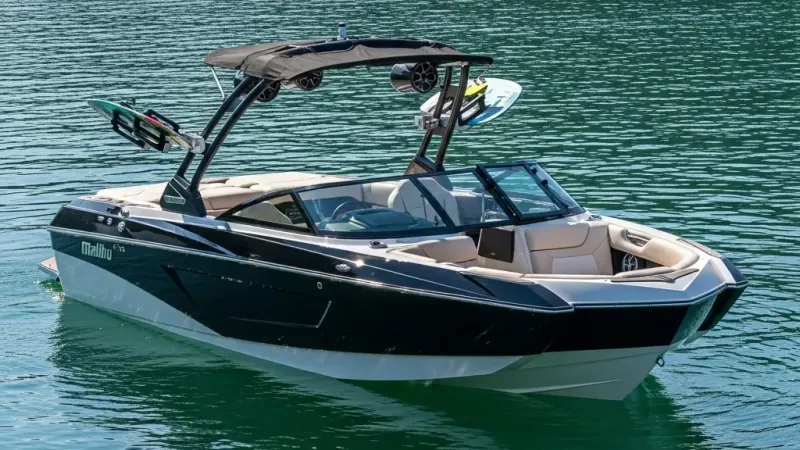
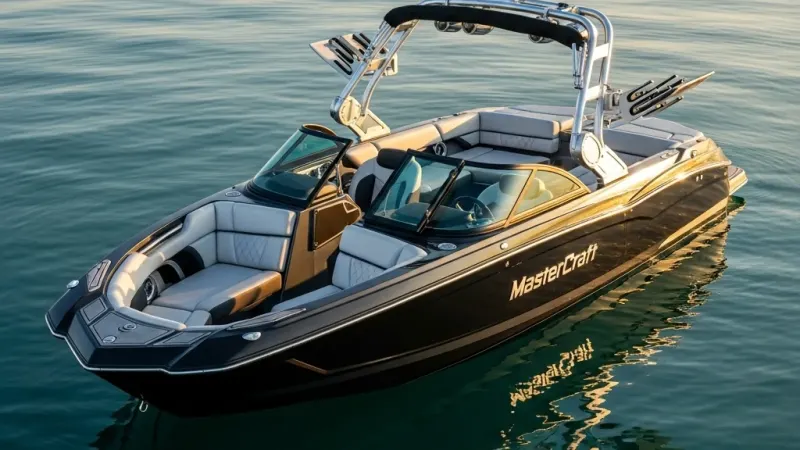
Fixed towers are permanently mounted and renowned for their maximum rigidity and structural integrity. Often found as standard equipment on dedicated wake boats like the MasterCraft X-Series, Malibu Wakesetter, or Nautique G23, these towers are engineered to withstand the immense stresses of aggressive pulling without any flex. Their robust construction provides unparalleled stability, which is highly valued by serious riders and professional athletes. However, their fixed nature means they do not fold down, which can pose challenges for boats needing to pass under low bridges, fit into height-restricted dry storage facilities, or be trailered through areas with overhead clearance issues.
-
Folding Towers: The Versatile Solution
For many boat owners, particularly those with boats under 25 feet or those requiring flexible storage options, a folding tower is an incredibly practical choice. Modern boats, including popular models like the Nautique Super Air series, Supra models, or Axis Wake Research boats, frequently feature folding towers that can be manually or electronically collapsed. This design significantly simplifies storage in garages, boat lifts, or covered slips, and makes trailering much easier and safer by reducing overall height. While historically some folding towers might have offered slightly less rigidity than their fixed counterparts, advancements in design and materials have made modern folding towers remarkably stable and strong, offering an excellent balance of performance and convenience.
-
Universal vs. Custom-Fit Towers: Tailoring the Fit
When it comes to integration, you’ll encounter two main categories: universal and custom-fit. Universal towers are designed with adjustable mounting points to accommodate a wide range of boat sizes and styles. They represent a more affordable entry point into the world of wakeboarding towers and are an excellent option for older boats or those not originally built with watersports as their primary focus. Brands like Monster Tower and Aerial Wakeboarding offer robust universal options. Custom-fit towers, on the other hand, are engineered specifically for certain boat models, ensuring a precise fit, seamless aesthetics, and often superior structural integration directly into the boat’s design. While typically more expensive, a custom-fit tower often looks like it rolled off the factory floor, adding significant value and appeal to your vessel.
Critical Considerations Before You Buy: More Than Just Metal
Choosing a wakeboard tower isn’t just about picking a design you like; it involves a careful assessment of several critical factors that impact safety, performance, aesthetics, and your wallet. As a seasoned marine professional, I’ve seen the good, the bad, and the downright dangerous when it comes to tower installations. Doing your homework now will save you headaches and potentially costly repairs down the line.
Boat Compatibility and Structural Integrity
This is arguably the most crucial factor. Your boat’s hull and deck must possess sufficient structural integrity to handle the dynamic stresses exerted by a tower and the pulling forces from riders. Imagine the leverage created by a rider pulling on a rope attached several feet above the deck – it’s substantial. Boats constructed with robust fiberglass laminates or reinforced aluminum are generally good candidates, but every boat is different. A professional installer will meticulously assess your boat’s construction, ensuring proper backing plates are used to distribute the load across a larger surface area, and that any necessary reinforcement is added. Neglecting structural integrity can lead to gelcoat cracks, deck delamination, or even catastrophic failure of the mounting points, posing a serious safety risk and requiring expensive repairs. I once saw a beautiful runabout come into the shop with significant stress cracks around a newly installed tower. Turns out, the owner, trying to save a few bucks, skipped the backing plates and used inadequate fasteners. What started as a small DIY project turned into a much larger, more expensive fiberglass repair job.
Material, Finish, and Longevity
The materials and finish of your tower dictate its durability, appearance, and resistance to the harsh marine environment. Most high-quality towers are constructed from either aircraft-grade aluminum or marine-grade stainless steel.
- Aircraft-Grade Aluminum (e.g., 6061-T6): This material is prized for its exceptional strength-to-weight ratio, making the tower lighter and potentially reducing overall boat weight. For corrosion prevention, especially in saltwater environments, aluminum towers are typically anodized or powder-coated. Anodizing creates a hard, protective oxide layer, while powder coating offers a durable, often colored finish that can be matched to your boat’s accents. Ensure any aluminum tower you consider is specifically treated for marine use to prevent pitting and oxidation.
- Marine-Grade Stainless Steel (e.g., 316L): Stainless steel towers are known for their incredible durability, polished aesthetic, and inherent corrosion resistance. While generally heavier than aluminum, 316L marine-grade stainless steel is highly resistant to rust and pitting, even in harsh saltwater conditions. The polished finish offers a classic, upscale look that many boat owners prefer. Regardless of material, scrutinize the welds; high-quality, continuous welds are a sign of superior craftsmanship and structural integrity.
Aesthetics and Integration
Your wakeboard tower should complement your boat’s lines, not detract from them. A well-chosen tower will look like an integrated part of your vessel, enhancing its sporty appeal. Many brands offer sleek, aerodynamic designs that flow with the boat’s contours, making it appear factory-installed. Consider the finish – polished, brushed, or a powder-coated color that matches or accents your boat’s gelcoat. A tower that looks out of place can diminish your boat’s overall appeal and even its resale value. Take time to visualize how the tower will sit on your boat, perhaps by looking at photos of similar models with various tower styles.
Budgeting for Your Upgrade
Wakeboard towers represent a significant investment, and prices can vary widely. Basic universal models might start at a few hundred dollars, while custom-designed, feature-rich towers can easily run into several thousands. This initial cost is just for the tower itself. You must also factor in professional installation costs, which can range from $500 to $1500 or more, depending on the complexity and any necessary structural reinforcement. Beyond the tower, remember to budget for essential accessories like board racks, marine speakers, and bimini tops, which can quickly add another $1,000 to $3,000 or more to your total outlay. While it may seem like a lot upfront, consider the long-term value in terms of enhanced enjoyment, safety, and potential resale value for a properly equipped and maintained boat.
Essential Accessories: Rigging Your Tower for Maximum Fun
Once you’ve selected and installed the perfect wakeboard tower, it’s time to equip it for maximum enjoyment and utility. Think of these accessories as the crucial rigging for your watersports experience – they make everything more efficient, safer, and infinitely more fun. Just like a sailboat’s mast is incomplete without its sails, halyards, and winches, a wakeboard tower truly comes alive with the right add-ons.
Board Racks: Keeping Your Deck Clear
A true must-have, board racks are designed to securely hold your wakeboards, surfboards, wakeskates, or even kneeboards out of the way, keeping your deck clear and preventing damage. There’s nothing worse than tripping over a board or having it slide around in choppy conditions. Look for racks made from durable, corrosion-resistant materials like billet aluminum, often with rubber or bungee inserts to protect your boards. Swivel racks are particularly popular, allowing for easy loading and unloading of boards without having to climb into the boat or perform awkward maneuvers. Brands like Monster Tower, Roswell, and Samson Sports offer excellent, robust rack options designed to integrate seamlessly with various tower designs. Pay attention to the capacity and adjustability to ensure they fit all your family’s watersports toys.
Marine Audio Systems: Soundtrack to Your Adventure
What’s a day on the water without your favorite tunes? Marine-grade speakers mounted on your tower are designed to project clear, powerful sound not just within the boat, but also to riders in the wake and swimmers enjoying the water nearby. Unlike standard car speakers, marine speakers are built to withstand the harsh elements – sun, salt spray, moisture, and vibrations. Look for units with high IP (Ingress Protection) ratings (e.g., IPX5 or IPX7) indicating resistance to water intrusion. Leading brands like JL Audio, Fusion, Wet Sounds, and Kicker Marine offer a range of tower speakers, often with integrated LED lighting for added flair. Remember, powering these speakers effectively requires marine-grade amplifiers and wiring, so plan for a comprehensive audio system installation that includes a quality head unit and possibly a subwoofer for a truly immersive sound experience.
Bimini Tops: Shade and Comfort
Long days under the summer sun can be exhilarating, but relentless UV exposure can quickly lead to fatigue and sunburn. An integrated bimini top for your tower is a game-changer for family comfort. Many tower designs offer custom-fit biminis that attach directly to the tower structure, providing ample shade for those relaxing in the boat. These biminis are often designed to fold with the tower or be easily removed for trailering or storage. Look for high-quality, UV-resistant fabrics like Sunbrella, which is known for its durability and color retention. A good bimini isn’t just a comfort feature; it’s a health and safety investment, protecting you and your passengers from harmful UV rays and making those extended sessions on the water much more enjoyable.
Lighting Solutions: Safety and Ambiance
Extend your time on the water and enhance safety with strategic lighting on your tower. Forward-facing LED navigation or docking lights are crucial for visibility during twilight rides or when returning to the dock after sunset. Rear-facing floodlights can illuminate the wake for evening rides or assist with docking maneuvers. For added ambiance and safety within the boat, downward-facing accent lights can illuminate the deck, making it easier to move around after dark. Some advanced systems even offer multi-color RGB lighting, allowing you to customize the boat’s mood. Always ensure any lights you install are marine-grade, properly sealed, and integrated into your boat’s electrical system with appropriate switches and fuses.
Rearview Mirror: The Spotter’s Best Friend
Safety is paramount on the water, and a wide-angle rearview mirror mounted to your tower is an absolute essential for any watersports activity. It provides the designated spotter with a clear, unobstructed view of the rider without having to constantly turn around. This is not just a convenience; in many jurisdictions, a mirror or a dedicated spotter is a legal requirement when towing a rider. Look for convex mirrors that offer a broad field of view, made with marine-grade materials that resist corrosion and vibration. A properly positioned tower mirror dramatically improves safety and communication between the boat and the rider, allowing for quicker responses to falls or changes in conditions.
Other Useful Accessories
Beyond the essentials, there are other accessories that can further enhance your tower’s utility. Think about ballast systems – while not directly mounted to the tower, portable ballast bags or integrated systems work in synergy with your tower to shape the perfect wake. Camera mounts, like those for GoPro cameras, allow you to capture all the action from a unique elevated perspective. Tow rope hangers keep your ropes neatly stowed and tangle-free. Every accessory you add should contribute to safety, convenience, or pure enjoyment, ensuring your tower setup is truly optimized for your watersports lifestyle.
The Installation Imperative: DIY vs. Professional
So, you’ve chosen your dream tower and a suite of awesome accessories. Now comes the critical step: installation. While some universal towers might seem straightforward enough for a handy DIY enthusiast, I cannot overstate the importance of professional installation, especially for custom-fit towers or those involving complex electrical wiring. This isn’t just about convenience; it’s about safety, structural integrity, and the long-term health of your boat.
Why Professional Installation Matters
A marine professional understands the nuances of boat construction. They know exactly where to drill, how to properly reinforce mounting points with backing plates, and how to create a watertight seal. Improper installation can lead to a cascade of problems: stress cracks in the gelcoat, delamination of the fiberglass, or even catastrophic failure of the tower’s mounting points under load. Imagine the danger if a tower rips free while towing a rider at speed. Furthermore, integrating electrical accessories like speakers and lights requires expertise in marine wiring – ensuring proper gauges, waterproof connections, secure routing to prevent chafing, and correct fuse protection. A botched electrical job can lead to corrosion, shorts, battery drain, or even fire. Moreover, many boat and tower manufacturers will void their warranties if the installation isn’t performed by a certified professional. Investing in professional installation is an investment in your safety, your boat’s longevity, and your peace of mind.
The DIY Approach: When It’s Feasible and When It’s Not
For those with significant mechanical aptitude and experience working on boats, a simple universal tower installation might be within reach, provided you meticulously follow the manufacturer’s instructions. You’ll need specialized tools like marine-grade sealants, precise drills, and torque wrenches. However, even with the right tools, the risks remain high. Are you confident in identifying stress points in your hull? Can you accurately locate and reinforce structural members? Can you guarantee a perfectly watertight seal that will hold up over years of use? If the answer to any of these is less than a resounding “yes,” then professional help is strongly advised. Attempting a DIY installation to save a few dollars can often lead to far more expensive repairs down the road, as my previous anecdote about the stress-cracked runabout vividly illustrates.
Maintaining Your Tower and Extending Its Lifespan
Like any marine equipment, your wakeboard tower and its accessories require regular maintenance to ensure optimal performance, longevity, and aesthetics. A little proactive care goes a long way in protecting your investment and keeping it looking great for years to come.
Cleaning and Protection
Routine cleaning is your first line of defense against the elements. After every use, especially in saltwater, thoroughly rinse your tower with fresh water to remove salt residue, dirt, and grime. For general cleaning, a mild boat soap and soft brush or cloth will suffice. For aluminum towers, periodically use a non-abrasive aluminum polish to restore shine and add a protective layer. Stainless steel towers benefit from specialized stainless steel cleaners that remove water spots and prevent oxidation, maintaining that brilliant luster. For powder-coated towers, use non-abrasabrasive cleaners and consider applying a marine wax or sealant to protect the finish from UV degradation and minor scratches. Don’t forget to clean the speakers, racks, and bimini fabric according to their manufacturers’ recommendations; UV protectants are particularly important for plastic components and fabrics to prevent fading and cracking.
Hardware Checks and Tightening
Vibration and continuous stress from towing can cause hardware to loosen over time. Make it a habit to regularly inspect all bolts, fasteners, and welds on your tower. Using a torque wrench to ensure all mounting bolts are tightened to the manufacturer’s specifications is crucial. For critical fasteners, applying a marine-grade threadlocker (like blue Loctite) can prevent them from vibrating loose, adding an extra layer of security. Pay close attention to the pivot points on folding towers, ensuring they operate smoothly and are free of excessive play. Any signs of corrosion around fasteners should be addressed immediately; often, replacing a corroded bolt with a new marine-grade stainless steel one can prevent more extensive damage.
Winterization and Storage
Proper winterization and storage are vital for extending the life of your tower. If you have a folding tower, take advantage of its design to lower it for reduced height during trailering or when storing the boat in a garage or covered slip. This prevents damage from low clearances and protects the tower from harsh winter weather. For all towers, removing easily detachable accessories like board racks and speakers for off-season storage in a climate-controlled environment can prevent premature wear and tear. Thoroughly clean and dry all components before storage, and consider covering the entire boat, including the tower, with a breathable boat cover to protect it from dust, UV rays, and moisture. This meticulous approach ensures that when spring arrives, your tower is ready for another season of elevating your watersports adventures.
There you have it – a comprehensive guide to choosing, equipping, installing, and maintaining your wakeboard tower. Investing in a quality tower and its accessories isn’t just about enhancing your boat; it’s about unlocking a new level of excitement, performance, and safety on the water. It’s about creating those unforgettable moments, whether you’re launching sky-high or simply enjoying the perfect pull. So, go forth, make an informed decision, and get ready to truly elevate your ride!