Quick answer: The sinking of the Angiola II was caused by catastrophic hull ingress exacerbated by bilge pump failures and electrical blackout during adverse weather. The tragedy highlights the vital necessity of redundant high-water alarm systems, mechanical engine-driven bilge pumps, and proper crew emergency drills before departing on offshore passages.
The Voyage and Sudden Onset of the Incident
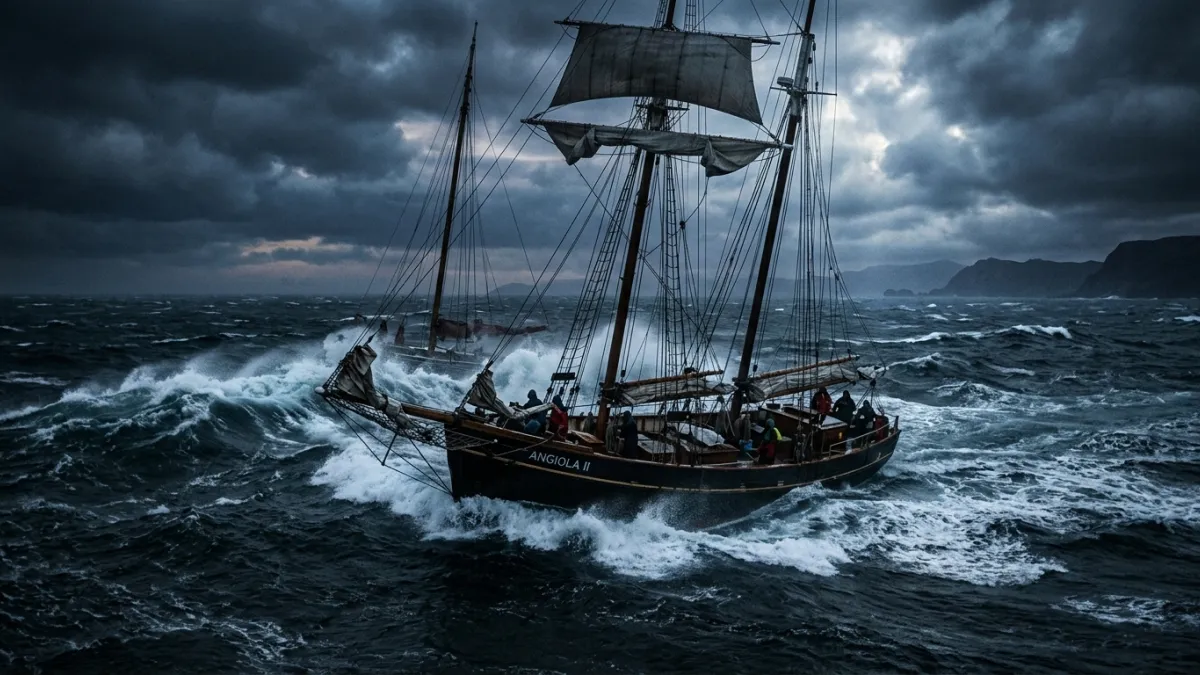
The Angiola II was a classic motor yacht built for coastal and mid-range offshore cruising, featuring a traditional displacement hull design crafted to slice through ocean swells. On her final voyage, the vessel encountered rapidly deteriorating sea states accompanied by squall-line winds exceeding 35 knots. Despite being considered a seaworthy vessel with a rich history on the water, the sudden onset of heavy seas exposed underlying mechanical and structural vulnerabilities that had gone undetected during pre-departure inspections.
As rolling waves battered the quarter, water began collecting in the bilges at a rate that quickly exceeded normal operational limits. Initial signs of distress went unnoticed due to the engine room's acoustic insulation and a compromised high-water sensor switch. By the time the crew detected sluggish helm response and an unusual bow-up trim, hundreds of gallons of seawater had already flooded the lower mechanical compartments. The sudden added displacement altered the vessel's center of gravity, severely compromising its dynamic stability in rough seas.
In offshore passage making, early detection is often the only margin between a manageable incident and a total vessel loss. The initial delay in recognizing the flood proved fatal to the survival of the Angiola II. As the vessel took on more water, the stern settled lower into the trough of the waves, allowing green water to wash continuously across the aft deck and further accelerate the flooding process.
Anatomy of the Disaster: Mechanical Failure and Water Ingress
Subsequent maritime investigations into the casualty pinpointed a failed thru-hull fitting and a deteriorated shaft log seal as the primary points of water ingress. On classic motor yachts and older fiberglass vessels, brass or aging bronze fittings below the waterline are subject to stray-current galvanic corrosion and dezincification. When a raw water intake hose or transducer housing breaks loose under stress, thousands of gallons of water can flood the bilge per hour under ambient hydrostatic pressure.
Compounding the physical breach was the rapid catastrophic collapse of the vessel's electrical grid. Submerged lead-acid battery banks quickly short-circuited, killing the primary electric bilge pumps and cutting power to the main VHF radio console. Without electrical power, the crew lost the ability to pump out water automatically, leaving them with only manual hand pumps against an overwhelming surge of sea water. The loss of engine propulsion soon followed as seawater drowned the main engine air intakes, leaving the vessel adrif in the trough of the waves.
Without propulsion to keep the bow pointed into the oncoming seas, the Angiola II lay broadside to the heavy swell. Rolling violently in the trough, seawater poured over the gunwales and breached the main salon companionway doors. The rapid progression from a minor mechanical breach to dead-in-the-water flooding underscores how swiftly compounding failures occur at sea when backup systems fail to engage.
Critical Safety Equipment and Emergency Response
When the call to abandon ship was finally given, the crew faced severe environmental hazards and extreme physical fatigue. Deploying safety equipment under pitch-black conditions in rolling 10-foot seas presents challenges that cannot be fully replicated in calm harbor drills. The primary life raft was mounted on the forward cabin top, requiring crew members to traverse a slick, pitch-and-rolling deck without continuous jacklines to reach the deployment canister.
On-the-water tip: Never rely exclusively on electric bilge pumps for high-volume emergency dewatering. Always install a belt-driven clutch pump off the main diesel engine or carry a high-capacity gas-powered emergency trash pump stored in an accessible deck locker. In a sudden flooding event, standard 2,000 GPH electric bilge pumps rarely keep pace with a ruptured 2-inch thru-hull fitting.
Emergency communications were severely delayed due to the loss of shipboard battery power. The crew was forced to rely on a hand-held waterproof VHF radio and a manually activated 406 MHz EPIRB (Emergency Position Indicating Radio Beacon). The activation of the EPIRB triggered a Search and Rescue (SAR) response via the Cospas-Sarsat satellite network, directing Coast Guard air assets to the vessel's last known coordinates. However, several hours elapsed between the initial signal transmission and the arrival of rescue assets.
- Pre-Departure Hull Inspections: Check every seacock, exercise ball valves, and inspect bonding wires for signs of corrosion.
- Redundant Bilge Alarms: Install independent, battery-operated high-water alarms outside the main engine room circuit.
- Survival Kit Preparedness: Keep a dedicated "Ditch Bag" containing a handheld GPS, satellite messenger, flares, water, and waterproof VHF radio mounted near the main exit.
- Safety Harness Protocols: Ensure tether jacklines are rigged along both port and starboard side decks before departing into open water.
Vessel Specifications and Comparative Risk Factors
Understanding vessel design limits and maintaining strict safety standards is paramount for anyone purchasing or upgrading a blue-water offshore vessel. The table below outlines typical specifications for motor yachts in the class of the Angiola II compared against modern offshore safety standards recommended by the American Boat and Yacht Council (ABYC) and US Coast Guard regulations.
| Specification Parameter | Angiola II Design Profile | Modern Offshore Blue-Water Standard |
|---|---|---|
| Length Overall (LOA) | 48 ft (14.6 m) | 45–55 ft (13.7–16.7 m) |
| Beam / Draft | 14.5 ft / 4.2 ft | 15.0 ft / 4.5–5.0 ft |
| Hull Construction | Solid Fiberglass (Early GRP) | Cored GRP / Aluminum / Steel |
| Bilge Dewatering Capacity | 2x 1,500 GPH Electric Pumps | 4x 2,000+ GPH + Engine-Driven Pump |
| Thru-Hull Fittings | Standard Cast Bronze/Brass | Marelon or Heavy Cast DZR Bronze |
| Emergency Power Supply | Single Shared Battery Bank | Isolated Emergency Radio/Pump Bank |
| EPIRB Equipment | Manual Category II EPIRB | Auto-Deploy Hydrostatic Category I EPIRB |
Older classic motor yachts, while exceptionally comfortable at anchor, often lack watertight bulkheads commonly found on modern commercial or purpose-built expedition vessels. On a vessel with a single open-bilge compartment spanning from bow to stern, water entering at the stern shaft seal will freely migrate forward under pitch changes. This dynamic shifting of liquid weight, known as the free surface effect, dramatically reduces vessel stability and accelerates capsize risks.
Modern offshore safety guidelines emphasize strict compartmentalization. Installing watertight bulkheads or bulkheads sealed with high-capacity limber holes controlled by check valves stops incoming sea water from flowing unimpeded throughout the entire length of the hull. This single structural consideration can buy a crew hours of critical time during an emergency flooding incident.
Lessons Learned for Modern Cruisers and Offshore Mariners
The tragedy of the Angiola II serves as an enduring lesson in preventative maintenance and crew preparedness. Every fitting below the waterline must be treated as a potential single point of failure. Substituting aged brass fittings with modern DZR (Dezincification Resistant) bronze or composite Marelon seacocks eliminates the hidden danger of stray-current electrolysis breaking down critical plumbing components beneath the floorboards.
Furthermore, vessel owners must implement double stainless-steel hose clamps on all raw water connections below the waterline. Clamps should be positioned with screws offset by 180 degrees to ensure an even 360-degree seal around hose barbs. Regular inspection of rubber exhaust hoses and shaft packing glands should be an unbroken habit prior to casting off lines for any offshore passage.
Finally, emergency training must become second nature for everyone on board. Knowing how to deploy the life raft, operate emergency distress flares, and send a digital selective calling (DSC) distress alert with automated GPS coordinates can mean the difference between survival and tragedy when sea conditions deteriorate without warning.
If you are planning offshore voyages or shopping for a pre-owned classic motor yacht, your immediate first step should be hiring a certified SAMS or NAMS marine surveyor to conduct an exhaustive hull and machinery survey with specific emphasis on below-the-waterline fittings, electrical bonding systems, and emergency dewatering capacity.
Frequently Asked Questions
What caused the Angiola II to sink?
The loss of the Angiola II was driven by rapid water ingress through compromised below-the-waterline fittings, which quickly short-circuited the electrical system, disabled primary bilge pumps, and led to catastrophic loss of stability in heavy seas.
How can boat owners prevent sudden bilge pump failures during an emergency?
Boat owners should install multiple independent bilge pumps wired directly to separate, elevated battery banks with heavy-duty mechanical float switches. Additionally, adding an engine-driven clutch dewatering pump or manual high-capacity diaphragm pump provides essential non-electrical redundancy.
What emergency gear is mandatory for offshore passages?
Offshore vessels should be equipped with a Category I hydrostatically released 406 MHz EPIRB, a marine life raft with a SOLAS A pack, personal AIS beacons on all PFDs, dual waterproof handheld VHF radios, satellite messaging devices, and a fully stocked ditch bag.
What is the free surface effect and why is it dangerous?
The free surface effect occurs when loose liquid moves freely inside an uncompartmented hull or bilge. As the boat rolls, the shift of water weight creates a momentum force that severely degrades dynamic stability, dramatically increasing the risk of capsize or swamping.