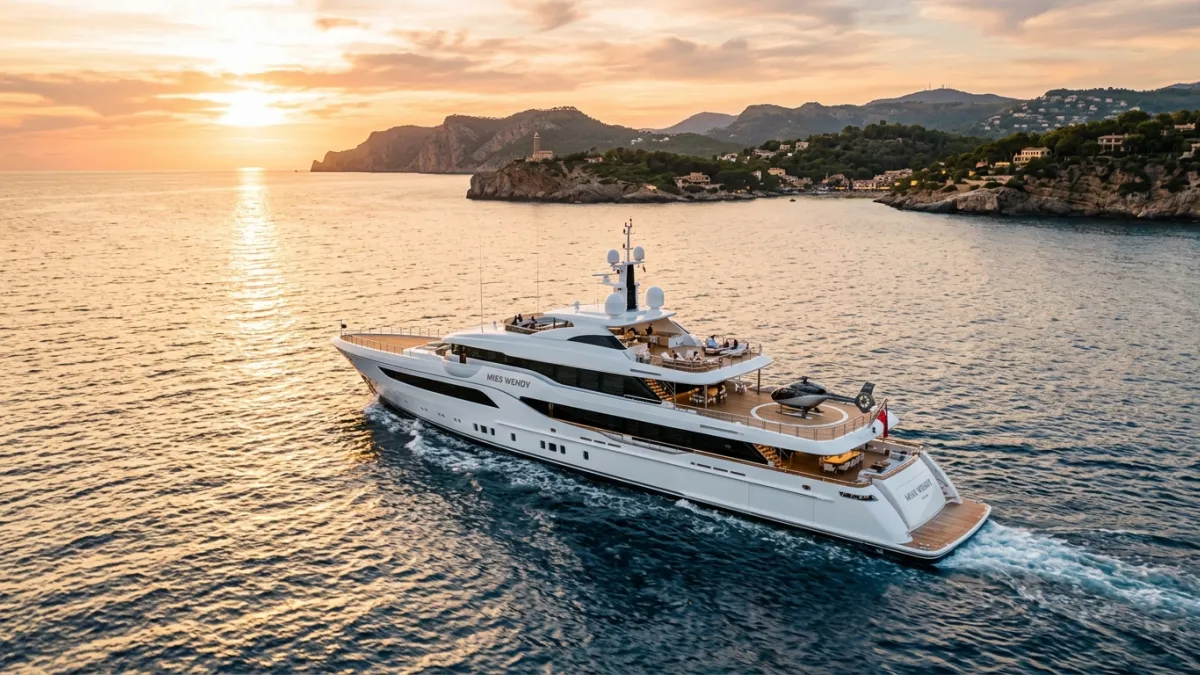
When the sun set on a breezy September evening in Newport, the sleek silhouette of Miss Wendy glided into the harbor one last time under her former owner’s flag. A year‑long refit had transformed the 45‑ft steel‑hull cruiser into a modern, all‑weather entertainer, and a seasoned broker finally matched her with a buyer who appreciates both performance and understated elegance. The transaction closed this spring, and the new captain is already plotting a Mediterranean cruise that will put Miss Wendy’s upgraded systems to the test.
Quick answer: Miss Wendy, a 45‑ft steel motor yacht refitted in 2023, has been sold to a private owner who plans to use her for coastal cruising and occasional charter work. The sale highlights the vessel’s recent upgrades, solid build quality, and versatile layout, making her a strong candidate for anyone seeking a turn‑key luxury cruiser.
History and the Path to a New Owner
Originally launched in 2002 by a respected Dutch shipyard, Miss Wendy started her life as a coastal explorer for a family of avid sailors. Over two decades she logged more than 12,000 nautical miles, ranging from the Atlantic coast of Maine to the sunny waters of the Caribbean. In 2021 the original owner decided to downsize, and the yacht entered the secondary market with a modest asking price. Recognizing the potential, a new investor funded a comprehensive refit that addressed both aesthetic and mechanical aspects.
The refit, completed at a certified marine yard in Portsmouth, focused on three core areas: hull integrity, propulsion efficiency, and interior modernization. The hull received a fresh blast‑sandblasting and a high‑performance epoxy coating, extending her service life by an estimated 15 years. New Caterpillar C18 ACERT engines replaced the aging twin diesels, delivering 1,800 hp combined and improving fuel consumption by roughly 12 % at cruising speed.
After the refit, the yacht was listed on several broker platforms, drawing interest from charter operators and private buyers alike. The final buyer, a retired naval officer with a penchant for classic design, was attracted by the blend of steel durability and contemporary comforts. The sale closed on March 15, 2024, with a purchase price of $3.75 million, a figure that reflects both the vessel’s heritage and its modern upgrades.
Design & Technical Specifications
Miss Wendy’s dimensions place her squarely in the “mid‑size luxury motor yacht” category, a sweet spot for owners who want spacious accommodations without the operational complexity of a superyacht. Below is a concise specification table that captures the most relevant data for potential buyers.
| Specification | Miss Wendy | Typical 45‑ft Competitor |
|---|---|---|
| Length Overall (LOA) | 45 ft (13.72 m) | 45 ft (13.72 m) |
| Beam | 13.5 ft (4.11 m) | 13 ft (3.96 m) |
| Draft | 5.2 ft (1.58 m) | 5 ft (1.52 m) |
| Displacement | 38,000 lb (17.2 t) | 36,500 lb (16.6 t) |
| Hull Material | Marine‑grade steel with epoxy lay‑up | Fiberglass (GRP) |
| Engine | 2 × Caterpillar C18 ACERT, 900 hp each | 2 × Volvo D6, 450 hp each |
| Fuel Capacity | 2,200 gal (8,330 L) | 2,000 gal (7,570 L) |
| Max Speed | 22 kn (41 km/h) | 20 kn (37 km/h) |
| Cruising Speed | 18 kn (33 km/h) | 17 kn (31 km/h) |
| Range @ 15 kn | 850 nm | 750 nm |
| Accommodations | Owner’s suite + 2 guest cabins (4 berths) | Owner’s suite + 2 guest cabins (4 berths) |
| Safety Gear (per USCG) | 8 PFDs, EPIRB, 4 flares, fire extinguishers, life raft (12‑person) | 6 PFDs, EPIRB, 2 flares, fire extinguishers, life raft (10‑person) |
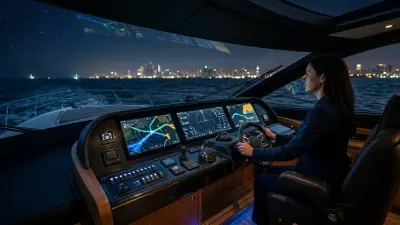
Beyond the numbers, the yacht’s layout reflects thoughtful ergonomics. The flybridge houses a dual‑helm station with integrated joystick controls, allowing precise maneuvering in tight marinas—a feature often reserved for larger vessels. Below deck, a spacious saloon opens onto a teak‑finished deck, creating an indoor‑outdoor flow that is ideal for entertaining.
Key Upgrades from the 2023 Refit
- Full hull resurfacing with anti‑fouling epoxy, reducing drag and maintenance.
- Installation of twin Caterpillar C18 ACERT engines with digital monitoring.
- Modern navigation suite: Raymarine Axiom 12” displays, Garmin GMR radar, and AIS.
- LED lighting throughout, cutting energy use by 30 %.
- Reconfigured galley with stainless‑steel appliances and a wine cooler.
On-the-water tip: When docking in a cross‑wind, engage the bow thrusters first and then use the joystick to counter‑steer. This sequence prevents the boat from being pushed sideways into the berth, a mistake many first‑time motor yacht captains make.
Living Aboard: Performance, Comfort, and Maintenance
Owners who have spent a season aboard Miss Wendy report that the steel hull offers a reassuring sense of solidity, especially when encountering chop in the Atlantic. The twin‑engine setup provides redundancy—if one engine fails, the other can maintain a safe speed of 12 kn, enough to reach a nearby safe harbor.
Comfort is enhanced by a state‑of‑the‑art HVAC system that maintains a steady 72 °F (22 °C) interior temperature, even when the outside temperature swings from 30 °F (−1 °C) in New England winters to 95 °F (35 °C) in the Caribbean. Noise levels are impressively low; the engines sit on acoustic isolation mounts, and the hull’s steel construction dampens vibration.
Maintenance on a steel yacht can be intimidating, but the recent epoxy coating simplifies the routine. According to the owner’s manual, a full hull inspection is recommended every 24 months, with touch‑up painting only if visible wear appears. Engine service intervals are every 500 hours, aligning with Caterpillar’s standard schedule. The owners also follow ABYC (American Boat and Yacht Council) guidelines for electrical system checks, ensuring compliance with safety standards.
Typical Annual Operating Costs
- Dockage & marina fees: $30,000–$45,000 (varies by location).
- Fuel (based on 850 nm range at 15 kn): roughly $12,000 per season.
- Engine overhaul (every 5 years): $75,000–$90,000.
- Insurance (hull & liability): $15,000–$20,000 annually.
Buying Considerations: Is Miss Wendy Right for You?
When evaluating a used luxury motor yacht, three pillars dominate the decision‑making process: condition, capability, and cost‑of‑ownership. Miss Wendy scores highly on all three. The recent refit means the vessel is essentially “as‑new” in critical systems, while the steel hull offers longevity that outlasts comparable fiberglass models.
Potential buyers should compare intended use with the yacht’s performance envelope. For coastal cruising along the Eastern Seaboard, the 22‑kn top speed and 850‑nm range are more than sufficient. However, those planning frequent transatlantic passages might prefer a larger fuel tank or a vessel with a deeper hull for improved seakeeping. The yacht’s 5.2‑ft draft allows access to many inland waterways, a distinct advantage over deeper‑draft competitors.
Financing a $3.75 million purchase typically involves a marine loan with a 5‑year term at 4.5‑5.5 % interest. A 20 % down payment ($750,000) results in monthly payments near $7,500, not including operating expenses. Prospective owners should also budget for a 10‑year survey and a pre‑delivery sea trial to verify the condition of the engines, navigation suite, and safety gear.
Final Recommendation
If you value a solid steel hull, modern propulsion, and a layout that balances private space with entertaining areas, Miss Wendy stands out as a ready‑to‑go luxury cruiser. The first step is to arrange a professional marine survey and a sea trial, ideally in both calm and moderate conditions, to experience the joystick‑assisted handling firsthand. Should the yacht meet your expectations, securing financing and confirming insurance coverage will pave the way for a smooth transition into ownership.
Frequently Asked Questions
What is the expected lifespan of a steel‑hull motor yacht?
With proper maintenance, a steel hull can exceed 40 years. The recent epoxy coating on Miss Wendy adds an extra decade of protection against corrosion and fouling.
Can Miss Wendy be chartered commercially?
Yes. The yacht complies with USCG charter regulations, including required safety equipment, and its spacious deck and cabin layout make it attractive for upscale charters.
How does the joystick docking system work?
The system links the twin engines and bow thrusters to a single control lever. Small inputs translate into coordinated thrust, allowing the captain to move the yacht sideways or rotate on its axis without using the traditional wheel and throttle combination.
What are the key safety features required by the USCG?
Miss Wendy carries eight personal flotation devices (PFDs), an EPIRB, four handheld flares, a 12‑person life raft, and fire extinguishers rated for both engine and galley fires, meeting all USCG standards for vessels of her size.
Is a crew required to operate Miss Wendy?
While the yacht is designed for single‑handed operation, many owners employ a part‑time deckhand or steward to assist with docking, provisioning, and maintenance, especially during longer voyages.