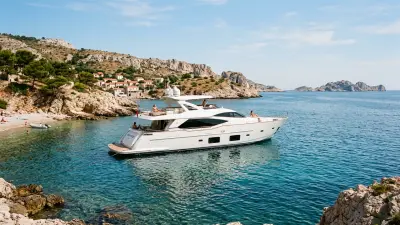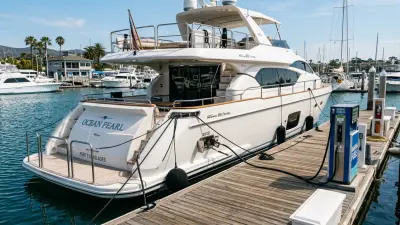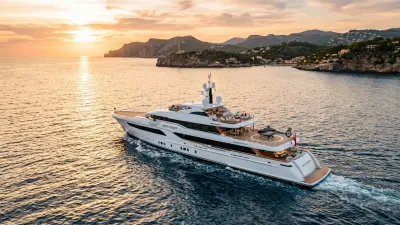
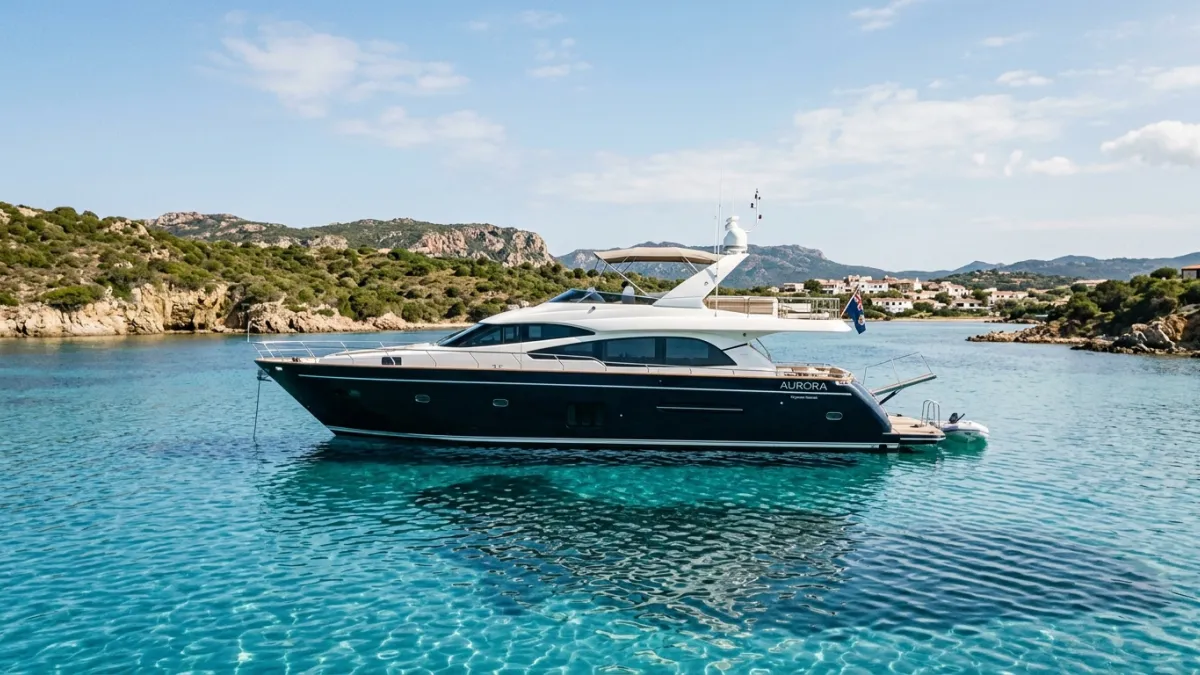
Wake yachts represent the ultimate convergence of towboat performance and superyacht-level luxury, combining heavy displacement hulls, integrated ballast systems up to 5,000 pounds, and specialized hull surf tabs to carve precise, clean wakes for wakesurfing and wakeboarding. While traditional towboats cap out around 20 to 24 feet with barebones creature comforts, modern wake yachts stretch past 25 to 28 feet and beyond—incorporating yacht-certified seating, electric power towers, joystick piloting, and upscale day-cruising amenities for up to 18 passengers.
What Sets a Wake Yacht Apart from a Standard Wake Boat?
Understanding the distinction between a classic day-use wake boat and a full-fledged wake yacht comes down to displacement capacity, beam width, structural engineering, and overall onboard luxury. Standard towboats prioritize rapid plane acquisition and tight turning radiuses on calm lakes, often sacrificing ride smoothness in choppy open water. Wake yachts, by contrast, utilize deep-V hull profiles or modified cathedral entries that sliced through bay chop while maintaining the heavy stern weight required for massive wave creation.
Engineering features typically found on high-end wake yachts include:
- Yacht-Certified Passenger Capacities: Built without rigid legal headcount caps, allowing 16 to 18 adults safely onboard.
- Integrated Liquid Ballast Tanks: Sub-floor plumbing systems capable of pumping 3,000 to 5,500+ lbs of water ballast in under 5 minutes using high-volume aerator pumps.
- Surf Tabs and Hydrofoil Plates: Automated transom plates (such as Malibu Surf Gate or Nautique Surf System) that manipulate water displacement on-demand without requiring passengers to shift weight.
- Enclosed Heads & Day Cabins: Dedicated private heads with porcelain toilets, fresh water sinks, and compact berths beneath the helm console.
Power Catamaran Yachts vs. Monohull Towboats
When searching for expansive deck space and extreme open-water stability, buyers often compare large towcraft against power catamaran yachts. While twin-hull powercats excel at long-range offshore efficiency, shallow draft navigation, and massive living quarters, they function under fundamentally different hydrodynamic principles than monohull wake boats.
A power catamaran hull is designed specifically to minimize wake drag and pierce through waves cleanly using narrow asymmetric hulls. Conversely, a wake yacht deliberately generates drag and displaces vast volumes of water to construct a tall, long surf wave. Owners who want to entertain dozens of guests on coastal bays often keep a powercat as a primary cruiser while carrying a dedicated wake boat or utilizing specialized wake-shaping attachments behind their larger vessel.
Comparing Towboats, Wake Yachts, and Power Catamarans
| Feature / Specification | Standard Wake Boat | Luxury Wake Yacht | Power Catamaran Yachts |
|---|---|---|---|
Engine Options and Hull Dynamics
Generating the power required to push a fully ballasted, 8,000-pound vessel through the water at 11 to 13 knots requires massive low-end torque. Modern high-performance wake yachts rely predominantly on marinized direct-injection V8 engines, such as 6.2L supercharged or 5.3L naturally aspirated inboard plants delivering between 400 HP and 600 HP.
Inboard Propulsion and Safety
Unlike conventional stern-drive or outboard powerboats where exposed propellers pose severe hazards to swimmers in the water behind the transom, wake boats use V-drive or forward-facing drive propulsion (like Volvo Penta Forward Drive). V-drive engines sit at the stern with the driveshaft angled forward toward a mid-ship transmission, placing the bronze propeller tucked safely under the keel roughly 2 to 3 feet forward of the swim platform.
Essential Tech Features to Look For
When selecting among top-tier wake yachts, several integrated technological systems dictate wave quality, helm control, and passenger satisfaction:
- GPS Speed Control: Digital zero-off speed control holds velocity to within 0.1 mph increments, maintaining a stable surf pocket regardless of crew movement or wind.
- Touchscreen Helm Interfaces: Dual or triple digital displays allow captains to save custom rider profiles with preset ballast levels, tab angles, and audio preferences.
- Electric Power Towers: Push-button folding wakeboard towers equipped with integrated bimini shades, board racks, high-output marine speakers, and aft-facing cameras.
- Reversible Bow and Stern Seating: Convertible bench seating that pivots aft toward the surf wave, enabling passengers to watch riders without craning their necks.
Buying and Ownership Considerations
Operating a vessel that weighs upwards of 12,000 pounds when fully loaded with fuel, water ballast, and crew requires careful logistical planning:
- Towing & Trailering: A triple-axle trailer and heavy-duty three-quarter-ton or one-ton tow vehicle (such as a Ford F-250 or RAM 2500) are mandatory for land transport.
- Fuel Consumption: Surfing under heavy ballast burns between 8 to 15 gallons of marine premium gasoline per hour. Budgeting for fuel capacity (typically 70 to 100 gallons) is crucial for full days on the water.
- Winterization & Ballast Care: Antifreeze flushing through sub-floor ballast pumps, ballast bags, and heater cores is essential before cold-weather storage to prevent costly manifold cracks.
Frequently Asked Questions
Can you wakesurf behind a power catamaran yacht?
Generally, no. Power catamaran hulls are engineered to minimize wave resistance and drag, creating a flat, twin-wake wash rather than a single concentrated surf wave. For wakesurfing, monohull wake yachts equipped with dedicated ballast tanks and surf tabs are necessary.
What is the difference between a V-drive and an outboard wake boat?
V-drive inboards place the propeller under the hull and away from the swim platform, making them safe for tailing surfers close behind the transom. Outboard motors mount on the exterior transom with exposed props, making them unsuitable and unsafe for wakesurfing.
How fast do wake yachts travel when pulling a surfer?
Wakesurfing speeds typically range between 10.2 mph and 11.8 mph, depending on rider weight and board style. Wakeboarding requires higher speeds, usually between 18 mph and 23 mph.