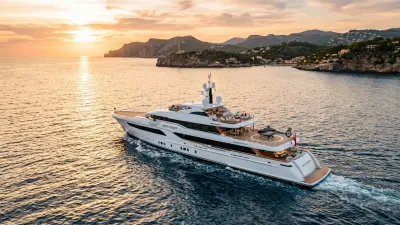
A motor yacht is a self-propelled luxury vessel powered entirely by internal combustion or electric marine engines, typically ranging from 40 feet to over 200 feet in length. Designed primarily for offshore cruising, entertaining, and long-range passage-making, motor yachts prioritize interior volume, high-horsepower engine configurations, and onboard stability over wind-driven propulsion. Depending on your cruising priorities, choosing the right vessel requires evaluating hull geometries, fuel efficiency at various speeds (from 10 to 35 knots), and structural configurations—spanning traditional monohulls, high-volume power catamaran yachts, and high-performance tow-sport platforms like luxury wake yachts.
Understanding the Main Types of Motor Yachts
The motor yacht category encompasses several distinct vessel styles tailored to specific coastal and offshore activities. Understanding these designs ensures you invest in a boat aligned with your captaining experience, crew size, and navigational goals.
Flybridge Motor Yachts
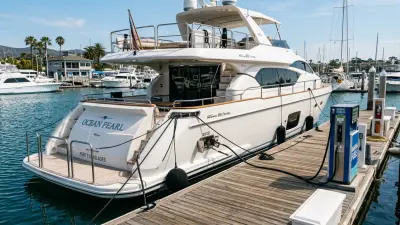
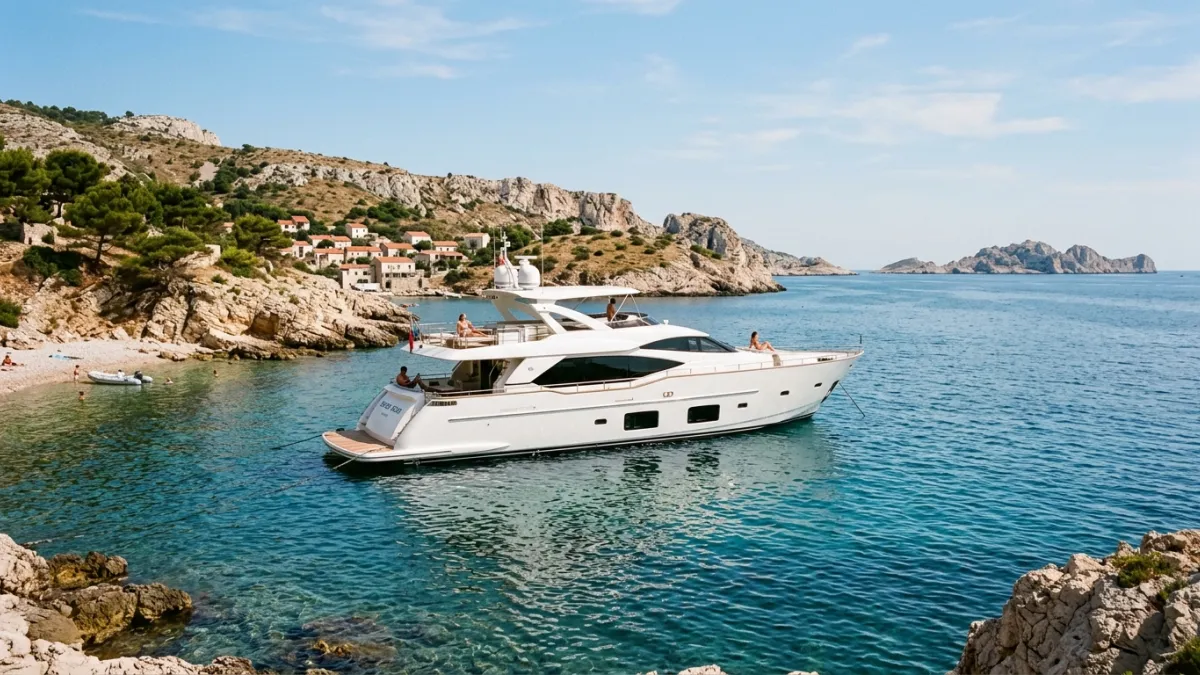
Flybridge yachts feature an elevated helm station positioned above the main deck house. This superstructure provides superior visibility during docking and open-water navigation while creating a second exterior deck for lounging. Ranging from 45 to 90 feet, flybridges balance indoor saloon living with dual-helm operational versatility.
Express Cruisers and Sport Yachts
Sport yachts favor sleek, low-profile silhouettes designed for higher speeds (often exceeding 30 knots). Featuring single-deck layouts with retractable sunroofs and open aft cockpits, these boats appeal to owners focused on day-cruising, island hopping, and swift transit between ports.
Power Catamaran Yachts
Engineered with two parallel hulls joined by a wide bridge deck, power catamaran yachts have expanded rapidly across the marine industry. By eliminating deep lead ballasts and reducing hydrodynamic drag, powercats offer exceptional beam stability, near-zero heel angles at anchor, and usable living space up to 30% greater than comparable monohulls. Modern 50-to-60-foot power catamarans frequently achieve trans-oceanic range at displacement speeds while drawing under 4 feet of draft, allowing access to shallow island anchorages.
Luxury Watersport Platforms and Wake Yachts
At the intersection of high horsepower and precise water displacement are premium sports platforms and tow-sport vessels known in the industry as wake yachts. Ranging from 23 to 26 feet, top-tier models like the Super Air Nautique G25 Paragon, MasterCraft XStar, or Centurion Ri265 utilize specialized V-drive engines generating 450 to over 600 horsepower. Equipped with internal ballast systems capacity ranging from 3,400 to 5,850 lbs and automated tab technology, these specialized craft shape customizable surf waves up to 5 feet high for watersport enthusiasts.
Hull Geometries: Displacement vs. Planing Performance
A vessel's hull shape determines its speed, fuel consumption, and motion in rough seas. Motor yachts generally utilize one of three primary hull designs:
- Full Displacement Hulls: Found on long-range trawlers and ocean-going megayachts, displacement hulls push through the water rather than riding on top of it. Speed is limited by hull length (typically 8 to 12 knots), but fuel efficiency is maximized, providing trans-oceanic ranges between 1,500 and 4,000 nautical miles.
- Planing Hulls: Engineered with sharp entry bows and flat aft sections, planing hulls lift the vessel out of the water as speed increases. Powered by twin inboard diesel engines (800 HP to 2,000+ HP), planing motor yachts effortlessly cruise at 22 to 32 knots, though fuel burn increases significantly.
- Semi-Displacement Hulls: Offering a hybrid balance, semi-displacement hulls generate moderate hydrodynamic lift. They allow cruising speeds of 14 to 20 knots while maintaining better stability in following seas than pure planing hulls.
Motor Yacht Types Specification Comparison
Comparing performance metrics across different motor yacht categories helps pinpoint the balance between range, volume, and fuel economy:
| Yacht Category | Typical Length | Cruising Speed | Average Beam | Primary Advantage |
|---|---|---|---|---|
| Flybridge Monohull | 45 - 80 ft | 20 - 28 knots | 14 - 20 ft | Dual helm stations, luxurious elevated deck layout |
| Power Catamaran | 40 - 70 ft | 12 - 22 knots | 20 - 28 ft | Unrivaled roll stability, wide beam, shallow draft |
| Express Sport Yacht | 38 - 65 ft | 25 - 35 knots | 12 - 17 ft | High-speed transit, sporty handling, low bridge clearance |
| Tow-Sport / Wake Yacht | 23 - 26 ft | 18 - 36 knots | 8.5 - 9 ft | Integrated ballasts (up to 5,800+ lbs) for wake shaping |
Essential Steps When Conducting a Motor Yacht Review
Before making a purchase or signing a charter agreement, performing a structured motor yacht review ensures you evaluate the vessel's physical condition, mechanical health, and sea-keeping capability objectively.
- Engine Hours and Service Logs: Marine diesel engines are built for thousands of hours, but maintenance consistency is paramount. Review oil sampling reports, heat exchanger servicing records, and turbocharger inspection history.
- Sea Trial Performance: Test the yacht under load across the entire RPM range. Measure fuel burn rates at displacement, economy cruise, and maximum continuous rating (MCR) speeds. Test bow and stern thrusters, trim tabs, and zero-speed gyro or fin stabilizers.
- Structural and Hull Integrity: Hire an independent accredited marine surveyor (SAMS or NAMS certified) to conduct moisture testing on fiberglass sandwich decks, inspect underwater gear (shafts, cutless bearings, rudders, propellers), and analyze hull gelcoat or paint systems.
- Electrical System Capacity: Modern motor yachts rely heavily on AC generators, lithium battery banks, and inverter systems to power air conditioning, watermakers, and galley appliances. Verify generator output under full electrical load.
Frequently Asked Questions
Is a power catamaran yacht safer in rough seas than a monohull motor yacht?
Power catamarans offer exceptional initial stability due to their wide stance, significantly reducing roll motion at anchor and in beam seas. While monohulls may roll more, high-end monohulls equipped with active fin or gyroscopic stabilization offer a very predictable ride in heavy offshore swells. Safety ultimately depends on hull construction, seamanship, and proper weather routing rather than hull count alone.
How much fuel does a typical 50-foot motor yacht consume?
Fuel consumption varies drastically based on hull design and speed. A 50-foot planing motor yacht cruising at 22 knots burns approximately 45 to 60 gallons (170 to 230 liters) of diesel per hour. Running the same vessel at an economical displacement speed of 8 to 9 knots can drop fuel consumption to 5 to 8 gallons per hour, extending cruising range significantly.
What maintenance costs should I budget annually for a motor yacht?
A standard industry benchmark is budgeting 10% of the yacht's purchase price annually for operating and maintenance costs. This covers routine engine and generator servicing, bottom painting, slip fees, insurance, haul-outs, and periodic system upgrades.