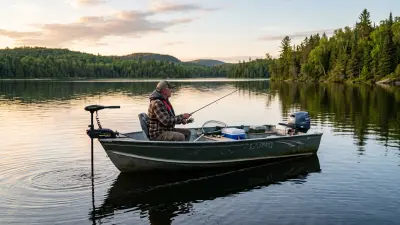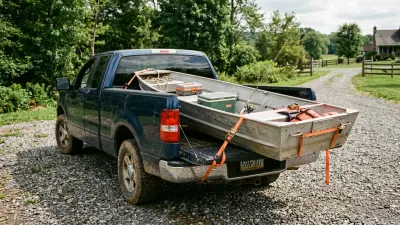
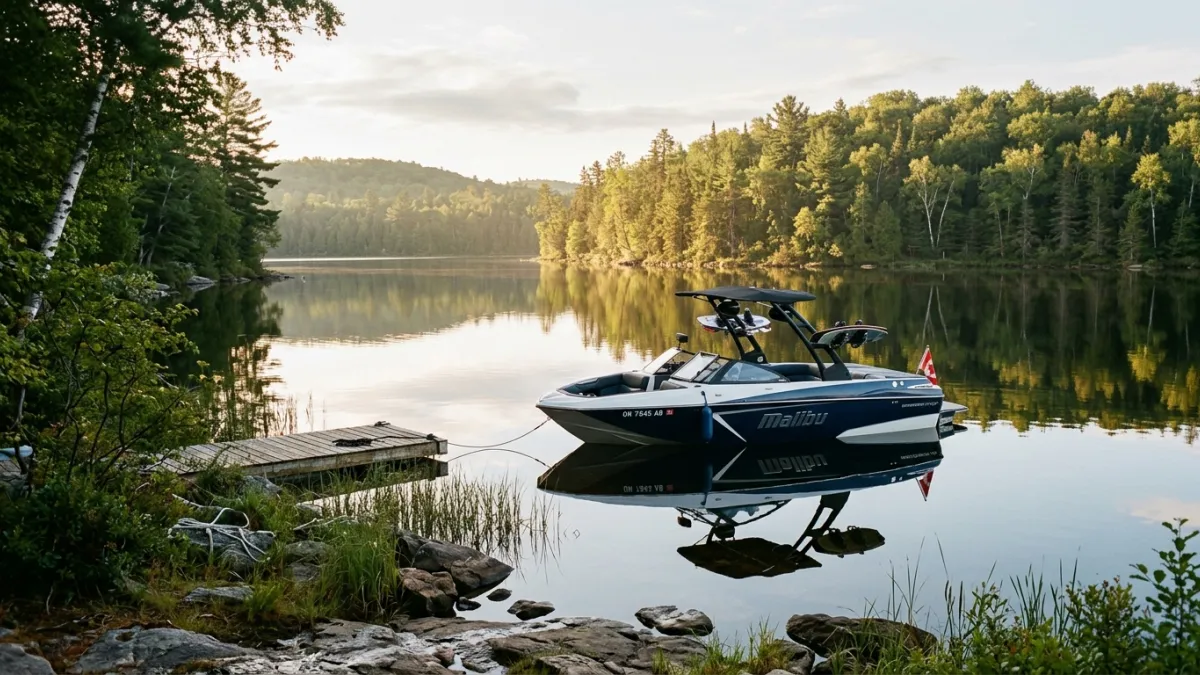
Dedicated wakeboarding boats are specialized watersports vessels engineered with rear-mounted V-drive propulsion, high-capacity internal ballast tanks, and dynamic wake-shaping hydrofoils designed specifically to displace heavy water loads and produce steep, clean wakes for launching aerial tricks. Unlike general recreational sterndrives like Tahoe boats, offshore adventure craft like Axopar boats, or utility craft like Alweld jon boats and cheap bass boats, a true wakeboard boat keeps its propeller tucked safely under the center-rear hull while carrying 3,000 to over 4,500 pounds of water ballast. This unique underwater architecture ensures safe rider proximity behind the stern while delivering the low-end torque required to pull loaded watercraft onto plane smoothly.
What Defines a Dedicated Wakeboarding Boat?
To understand why wakeboarding boats perform differently than general bowriders or fishing vessels, boaters must look beneath the floorboards. Standard stern-drive or outboard engines push thrust directly behind the transom, which creates turbulence and leaves exposed propeller blades near the surface. A wakeboard boat uses a V-drive inboard engine layout, positioning the engine in the far aft while routing the driveshaft forward into a transmission before V-bending back through the hull floor.
This structural arrangement achieves three distinct goals:
- Propeller Safety: The prop rotates tucked safely underneath the fiberglass hull, eliminating exposed blades near riders getting in or out of the water.
- Rearward Displacement: Weight remains concentrated toward the stern, naturally sinking the transom deeper into the water column to generate thicker wake ramps.
- Cockpit Optimization: Moving the engine casing to the transom frees up central floor space, permitting perimeter wrap-around seating for large crews and social gatherings.
Core Mechanical Components of a Wakeboard Boat
Building a pro-level wake requires precise control over vessel mass, speed, and hydrodynamics. Modern manufacturers combine heavy-duty marine V8 engines, automated ballast pumps, high-altitude tow points, and transom plates to fine-tune the water profile.
1. High-Torque V-Drive Powertrains
Because wakeboard boats frequently carry 6,000 to nearly 8,000 pounds of dry weight plus thousands of pounds of added liquid ballast, engines are tuned for low-end torque rather than top-end speed. Modern flagships, such as Paragon boats built by Nautique, feature supercharged V8 engines delivering up to 630 horsepower and 665 ft-lbs of torque. Coupled with aggressive gear reductions (often 1.7:1 or 2.0:1) and large-diameter 4-blade propellers, these powertrains hold steady towing speeds between 18 and 23 mph without engine strain.
2. Integrated Liquid Ballast Systems
Water ballast tanks are built into the subfloor compartments along the port, starboard, and bow sections of the hull. Controlled through digital helm displays, high-speed ballast pumps can fill or drain 3,000 to 4,000+ pounds of freshwater in under six minutes. Adding ballast increases displacement, deepening the hull draft to scale up wake height for experienced riders or drain down for beginner sessions.
3. Elevated Wake Towers and Tow Points
An aluminum or carbon-fiber wake tower elevates the towing attachment point 6 to 7 feet above the waterline. This angle of pull prevents the tow rope from pulling the wakeboarder downward during jumps, providing upward lift that extends airtime and stabilizes trick landings.
4. Hydrofoil Wake-Shaping Plates
Modern wake boats utilize transom-mounted tabs and surf plates (such as Nautique's Waveplate, Malibu's Surf Gate, or MasterCraft's SurfStar) controlled by aboard microprocessors. By extending tabs into the waterflow on either side of the transom, the boat creates asymmetrical displacement that cleans up turbulence and converts raw wakes into smooth, customizable ramps or surfing waves on demand.
Comparing Boat Categories: Wakeboats vs. Other Popular Types
Choosing the right vessel depends heavily on primary water activity, local boating conditions, towing vehicle capacity, and overall budget. Below is an overview comparing specialized wakeboarding boats against other popular recreational and utility options:
| Feature / Metric | Wakeboard Boat (e.g., Nautique / Malibu) | Deck Boat / Runabout (e.g., Tahoe Boats) | Adventure Boat (e.g., Axopar Boats) | Utility / Fishing (e.g., Alweld / Bass Boats) |
|---|---|---|---|---|
| Primary Purpose | Wakeboarding, Wakesurfing, Tow Sports | Family Cruising, Casual Tubing | Offshore Exploration, All-Weather Commute | Shallow-Water Fishing, Utility Towing |
| Engine Layout | V-Drive Inboard (Tucked Prop) | Sterndrive (I/O) or Outboard | Single or Dual Outboard Motors | Tiller / Outboard Motor |
| Typical Horsepower | 350 HP – 630 HP V8 | 150 HP – 300 HP V6/V8 | 225 HP – 600+ HP Outboard | 25 HP – 250 HP Outboard |
| Ballast Capacity | 2,500 lbs – 4,500+ lbs | None (Sacks required for wake) | None | None |
| Draft & Shallow Water | Deep Draft (approx. 28” - 34”) | Moderate Draft (approx. 16” - 24”) | Moderate Draft (approx. 20” - 30”) | Very Shallow Draft (approx. 6” - 14”) |
High-End Luxury vs. Practical Alternatives
The wakeboard market spans a wide spectrum of technology and pricing. Premier luxury lineups like Paragon boats represent the apex of tow-boat engineering, featuring dual LINC Panoray touchscreen interfaces, automated thrusters for easy dock maneuvers, telescoping towers, and hand-stitched marine upholstery. However, new high-end wake boats can exceed $250,000 to $350,000.
For buyers who prioritize multi-use versatility or budget efficiency, crossover options present a practical middle ground. Family runabouts such as Tahoe boats offer comfortable seating and shallow draft at a lower entry price, though creating a clean wake requires aftermarket ballast bags and wake shapers. Meanwhile, buyers searching for cheap bass boats or light utility hulls like Alweld jon boats gain exceptional fuel efficiency and access to shallow coves for fishing, though these flat-bottom platforms are unsuited for heavy towing or ocean chop. Conversely, dual-hull or plumb-bow designs like Axopar boats excel at high-speed coastal passage and open-water sea handling, though their high-riding outboard trims are engineered to slice through waves rather than push up large wake ramps.
Essential Maintenance and Operational Best Practices
Because wakeboarding boats operate under heavy engine loads and submerge structural components deep into freshwater or brackish environments, rigorous preventative maintenance is crucial to protect drivetrain longevity and rider safety.
1. Ballast System Winterization and Flushing
Improper ballast maintenance leads to invasive species transfer and frozen pumps during off-season storage. Always run clean freshwater through ballast lines after operating in non-native lakes, and drain all lines completely before ambient temperatures drop below freezing.
2. Impeller and Transmission Service
High-torque V-drive transmissions rely on healthy raw-water cooling systems. Replace the flexible rubber water pump impeller every 100 engine hours or annually. Check V-drive transmission fluid levels at the dipstick regularly to avoid clutch slipping under heavy ballast loads.
3. Propeller and Clearance Inspections
Unlike outboard craft that can tilt their lower units completely out of the water, fixed V-drive prop shafts extend below the keel line. Always maintain a minimum depth of 3.5 to 4 feet when navigating shallow sandbars, loading onto trailers, or maneuvering around boat ramps to prevent costly prop shaft bending.
Frequently Asked Questions
Can you wakeboard behind a standard stern-drive or outboard boat?
Yes, you can wakeboard behind a standard bowrider, deck boat, or outboard using an elevated ski pylon or tower. However, wake height and shape will be smaller compared to a V-drive wakeboard boat, and wakesurfing close behind a stern-drive boat is unsafe due to exposed rear propeller blades.
How much ballast weight is needed for good wakeboarding wakes?
Beginner and intermediate riders typically enjoy wakes produced with 1,000 to 2,000 pounds of ballast. Advanced wakeboarders performing inverted aerial tricks prefer 3,000 pounds or more, distributed evenly between the stern and bow to maintain crisp, non-washed wake edges at 21–23 mph.
Why are V-drive wakeboard boats heavier than traditional ski boats?
Traditional slalom ski boats are built light with flat-bottom direct-drive hulls to keep wakes as flat and smooth as possible. In contrast, wakeboard boats utilize deeper V-shaped hulls and heavier dry displacement to deliberately sink deeper into the water, displacing maximum water volume to form steep launching ramps.
Sources
- Nautique Boat Company
- Malibu Boats
- United States Coast Guard Boating Safety
- Water Sports Industry Association (WSIA)