Disclosure: As an Amazon Associate, we earn from qualifying purchases.
Powered boats use internal combustion engines, electric motors, or jet drives to generate propulsion, offering unmatched speed, range, and convenience compared to sail or human-powered vessels. Whether you are targeting competitive angling on inland lakes, pulling towed watersports, or cruising with a large family, powerboats fall into specialized hull and propulsion categories designed for specific marine environments. Understanding these classifications—alongside upfront market costs and routine maintenance expectations—is the key step toward making an informed investment on the water.
Primary Types of Powered Boats
The powerboat market is divided into distinct operational categories, each tailored to specific activities, water conditions, and passenger capacities:
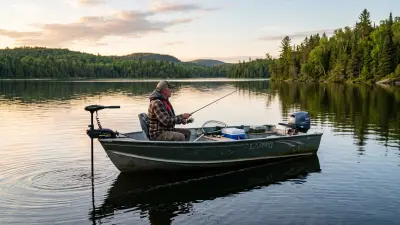
- Bass Boats: Highly specialized freshwater fishing vessels featuring low freeboards, wide casting decks, and high-horsepower outboard engines. Built with either aluminum or fiberglass hulls, these boats prioritize shallow draft access and rapid displacement across calm lake surfaces.
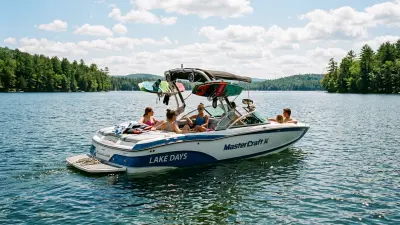
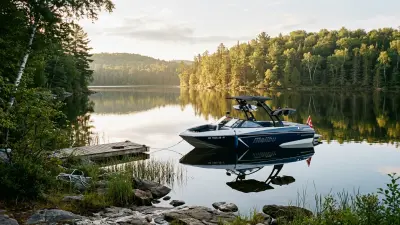
- Ski Boats and Wakeboard Boats: Engineered specifically for towed watersports, a traditional ski boat utilizes a direct-drive inboard engine to create a flat, minimal wake suited for slalom waterskiing. Conversely, a dedicated wakeboard boat utilizes V-drive inboard engine placement, integrated ballast tanks, and hydrofoil tabs to intentionally generate large, clean-shaped wakes for jumping and wakesurfing.
- Pontoon Boats: Flat-deck recreational platforms mounted on two or three aluminum tubes (tritoons). Known for high passenger capacities and exceptional stability, pontoons serve as versatile multi-use craft for social cruising and freshwater recreation.
- Center Consoles: Open-deck saltwater and freshwater utility craft with the steering helm positioned in the center of the vessel, allowing 360-degree walkaround visibility and fishing access.
- Bowriders and Deck Boats: Runabouts featuring open seating compartments in the bow, ideal for day cruising, casual fishing, and family outings on sheltered bays and lakes.
Engine and Drive Types Compared
Selecting the right powerboat requires evaluating how power is generated and transferred to the water. Engine configurations directly impact fuel efficiency, cabin space, draft depth, and long-term service requirements:
| Drive System | Engine Placement | Best Application | Key Advantage |
|---|---|---|---|
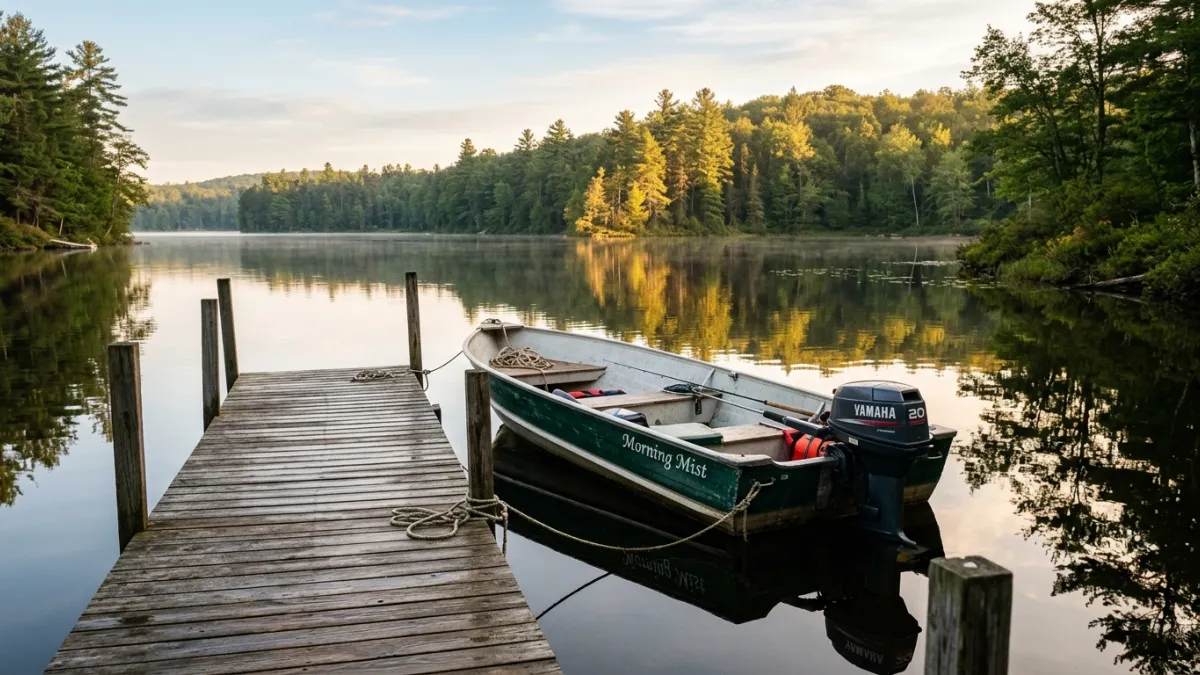
| Outboard | Mounted externally on the transom | Fishing boats, pontoons, center consoles | Easy maintenance access, full tilt capability for shallow water |
| Sterndrive (I/O) | Engine inside hull, drive unit outside transom | Bowriders, runabouts, small cruisers | Clean swim platform area with efficient automotive-based engines |
| Inboard (Direct & V-Drive) | Fully internal engine midship or stern | Tournament ski boat and wakeboard boat models | Safe prop position under the hull; precise weight distribution |
| Jet Drive | Internal engine driving an impeller pump | Personal watercraft, shallow-draft jet boats | No exposed propeller, rapid acceleration, minimal draft |
Turn-Key Engine Reliability: Star Tron Marine Fuel Treatment

Pricing and Market Costs Overview
Acquisition costs for powered boats vary significantly based on hull material, horsepower, onboard technology, and regional market demand. Aluminum fishing models represent the entry point for motorboats, whereas fiberglass tournament craft and multi-engine offshore vessels reach premium tiers.
When analyzing bass boat prices, buyers encounter two distinct market tiers:
- Entry to Mid-Level Aluminum: Brand new 16-to-18-foot aluminum bass boats with 50 to 90 HP outboards generally range between $17,000 and $35,000. Pre-owned aluminum rigs in good working condition frequently trade between $8,000 and $20,000.
- Fiberglass Tournament Rigs: Professional-tier 19-to-21-foot fiberglass bass boats equipped with 200 to 300 HP V8 engines, advanced dual-screen sonar, and shallow-water anchors range from $60,000 to over $120,000.
Annual ownership expenses extend beyond the sticker price. Industry guidelines recommend budgeting approximately 10% of the boat's purchase value per year to cover routine engine servicing, winterization, trailer maintenance, insurance, and slip or storage fees.
Leading Pontoon Boat Brands and Selection Criteria
The pontoon sector has experienced massive growth, shifting from basic floating platforms to high-performance tritoons capable of reaching speeds over 50 MPH. Key pontoon boat manufacturers differentiate themselves through tube construction standards, crossmember spacing, transom engineering, and upholstery durability.
Crystal-Clear Navigation: Garmin Striker Vivid 4cv GPS Combo

When evaluating popular pontoon boat brands, the market splits into distinct market segments:
- Luxury & High-Performance: Bennington, Harris, Barletta, and Manitou lead the luxury tritoon market. These builders utilize heavy-gauge aluminum (0.090 to 0.100 inch thick), tight crossmember spacing (down to 7–12 inches in high-stress zones), and thick marine vinyl for long service life.
- Family Cruiser & Value Options: Sun Tracker, Avalon, Crestliner, and Princecraft cater to recreational families seeking strong feature packages at accessible price points.
Essential Inspection Steps for Buyers
Whether buying new from a dealership or evaluating a pre-owned vessel through a broker, perform a structured evaluation before closing a transaction:
- Inspect Hull and Transom Integrity: Check fiberglass hulls for deep spider cracking or osmotic blisters below the waterline. On aluminum boats, inspect structural welds, tube seams, and transom plate rigidity.
- Verify Engine Compression and Diagnostics: Obtain an engine computer diagnostic report for outboard or inboard engines to check total operating hours, over-rev history, and error codes.
- Perform a Sea Trial: Test the powerboat under full load to verify planing time, top-end RPM range, steering responsiveness, trim tab operation, and bilge pump functionality.
- Check Trailer and Electrical Systems: Ensure trailer brake lines, wheel bearings, wiring harnesses, and winch straps meet safety standards for highway transport.
Frequently Asked Questions
What is the average lifespan of a powerboat engine?
Long-Lasting Gelcoat Shield: Meguiar’s Flagship Marine Wax Kit

Well-maintained modern four-stroke outboard engines typically run for 1,500 to 2,500 operating hours before requiring major overhauls. Gas inboard and sterndrive engines average 1,000 to 1,500 hours depending on freshwater versus saltwater exposure and adherence to seasonal oil changes and winterization routines.
Is an aluminum or fiberglass boat better for freshwater fishing?
Aluminum boats are lightweight, easy to tow with smaller SUVs, highly durable in shallow rocky waters, and generally lower in purchase price. Fiberglass boats offer a smoother ride in rough chop, wider deck stability, higher top speeds, and integrated storage layouts preferred by competitive tournament anglers.
How much horsepower do I need for water skiing and wakeboarding?
For pulling adult water skiers or wakeboarders reliably on a 18-to-22-foot boat, a minimum engine rating of 150 HP is recommended. Purpose-built towboats typically feature 300 HP to 450+ HP inboard engines to handle heavy ballast water loads and maintain consistent speed control under high resistance.