Disclosure: As an Amazon Associate, we earn from qualifying purchases.
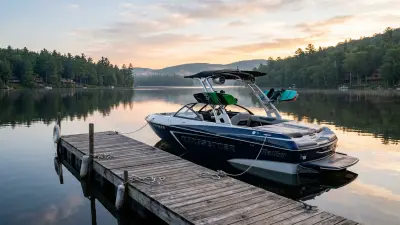
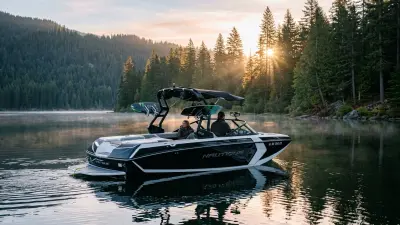
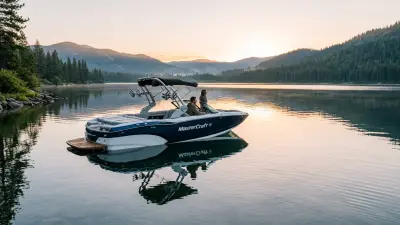
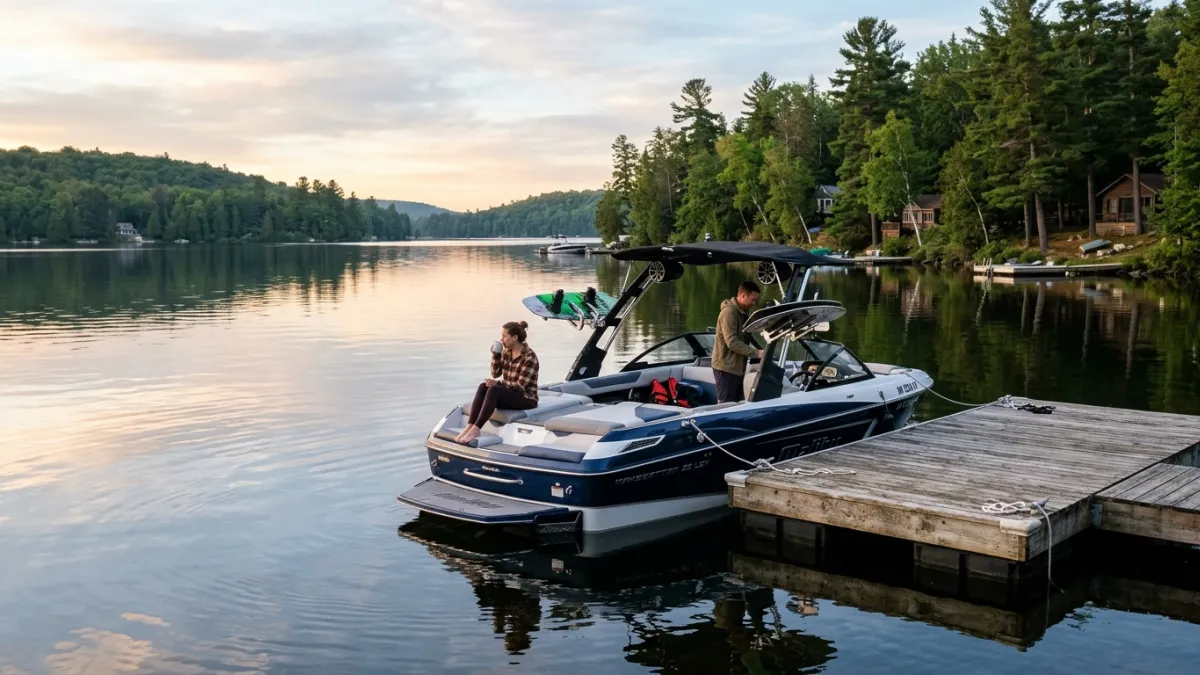
Choosing the right wakeboard boat requires selecting a dedicated V-drive inboard propulsion system, an integrated ballast setup, and hull design engineered to displace water into clean, shaped wakes. Unlike traditional bowriders or stern-drive runabouts, specialized towboats position the engine at the rear to concentrate weight where it matters most, delivering the steep ramps and long transition pockets needed for wakeboarding and wakesurfing.
V-Drive vs. Direct Drive and Direct Inboard Systems
Engine placement defines a towboat's wake performance, interior space, and handling dynamics. When evaluating a wakeboard boat, understanding how the power reaches the propeller determines whether the vessel fits your primary water sports goals.
- V-Drive Inboards: The gold standard for modern wakeboarding and wakesurfing. The engine sits at the very stern of the boat, facing backward. Power runs forward into a transmission (the V-drive unit) and loops back under the hull to the propeller shaft. This places the heavy engine mass over the transom, sinking the stern to generate large wakes while freeing up continuous cockpit seating for 10 to 18 passengers.
- Direct Drive Inboards: The engine is mounted directly in the center of the boat. This creates balanced weight distribution and flat, smooth wakes ideal for competitive three-event water skiing. However, the center engine box occupies valuable floor space, and the balanced hull struggles to sink low enough for high-end wakeboarding without massive external ballast.
- Sterndrives (I/O) and Outboards: Traditional sterndrives feature an exposed drive unit beneath the swim platform, making them inherently dangerous for wakesurfing close to the stern. While forward-facing sterndrives (like Volvo Penta’s Forward Drive) exist, dedicated V-drive inboards remain the industry standard for true towboat performance.
Essential Wakeboard Boat Components
Modern wake boats rely on four core technological pillars to convert raw horsepower into rideable waves. Prioritize these systems during your search:
1. Ballast Systems
Weight produces wakes. Factory ballast systems use internal hard tanks mounted below the floorboards or flexible ballast bags (fat sacs) in the rear lockers and bow. Entry-level towboats feature 1,000 to 2,000 pounds of internal ballast, whereas high-end modern models from Malibu, MasterCraft, or Nautique integrate up to 4,500–5,000 pounds of automated, fast-pumping water ballast controlled through touchscreen helms.
2. Wake-Shaping Surf Tabs and Hydrofoils
Raw ballast creates size, but wake-shaping devices create geometry. Systems like Malibu’s Surf Gate, MasterCraft’s SurfStar, Nautique’s NSS (Nautique Surf System), and Tigé’s TAPS 3T use hydraulic plates at the transom or deployed hydrofoils under the hull to direct water flow. These systems allow riders to switch the wave from port to starboard in seconds at the touch of a button, eliminating the need to unevenly stack ballast or shift passengers to one side.
Customizable Displacement: Sumo Sac Portable Ballast Kit

3. Wakeboard Towers and Board Racks
An elevated tow point (typically 6 to 7 feet above the floor) pulls the rider upward rather than down toward the water, allowing for higher jumps and aerial tricks. Look for sturdy aluminum towers equipped with swivel board racks, integrated bimini shades, and high-mounted marine speakers.
4. Speed Control (Zero Off / Cruise Control)
Human throttle control cannot match the precision needed for towed sports. GPS-based speed control systems (such as Zero Off) hold boat speed consistent within 0.1 mph increments regardless of water conditions, ballast load, or rider tension on the towline.
Comparing Top Towboat Tier Levels
The market divides into distinct categories based on build materials, wake technology, luxury fit-and-finish, and price points. The table below outlines what to expect across different segments:
| Tier Level | Representative Brands | Typical Ballast Capacity | Primary Advantages |
|---|---|---|---|
| Premium / Flagship | Nautique (Paragon/G-Series), MasterCraft (X-Series), Malibu (Wakesetter) | 3,500 - 5,000+ lbs | Top-tier hull designs, automated wake shaping, ultra-luxury interiors, maximum resale value. |
| Mid-Range / High-Value | Axis Wake, ATX Surf Boats, Moomba, Supreme | 2,500 - 4,000 lbs | Delivers 85-90% of flagship wake performance using simplified helms and durable vinyl trim. |
| Budget / Entry Pre-Owned | Older Supra, Centurion, Tigé, or early 2000s Malibu/MasterCraft | 1,000 - 2,500 lbs (Often upgraded) | Lower initial cost, mechanical simplicity, easy to repair, excellent core wakeboard ramps. |
New vs. Used Wakeboard Boats: What to Inspect
Deciding between brand-new inventory and a pre-owned towboat comes down to budget and your tolerance for maintenance. If buying a used wakeboard boat, execute a thorough mechanical and structural inspection before making an offer.
Critical Inspection Checklist for Used Boats:
Zero-Stretch Tow Vector: Airhead Master Blaster Heavy-Duty Tow Rope

1. Engine Hours and Maintenance Logs: Marine V8 engines (commonly built by PCM, Indmar, or Ilmor) are designed for heavy loads. Average seasonal use ranges between 30 and 50 hours per year. Check that oil changes, impeller replacements, and winterizations were performed regularly. High engine hours (over 600–800 hours) are acceptable if supported by rigorous service logs.
2. V-Drive and Transmission Fluids: Check the transmission and V-drive gear oil for burnt odors or milky discoloration, which signals water intrusion through shaft seals or heat exchangers.
3. Hull and Gelcoat Condition: Inspect the bottom of the hull, keel, and transom for deep gouges, spider cracking, or structural stress fractures around the tower mounts. Minor surface scratches in the gelcoat are cosmetic, but cracks near engine beds or underwater gear require professional evaluation.
4. Underwater Gear and Shaft Alignment: Unlike outboard engines that tilt, V-drive towboats have fixed running gear under the hull—including the propeller, propeller shaft, strut, rudder, and tracking fins. Ensure the prop shaft is straight, the prop blades show no impact damage, and the rudder turns smoothly without binding.
5. Ballast Pumps and Plumbing: Test every ballast fill and drain pump. Check flexible hoses for cracking, leaks, or clogged fittings that could pump water into the bilge unintendedly.
Pros and Cons of Dedicated Wakeboard Boats
Pros
- Superior wake shaping and wave size for riders of all skill levels.
- Rear-facing transom seating and high passenger capacities designed for social outings.
- Inboard propulsion keeps spinning propellers safely tucked beneath the hull far away from swimmers.
- Strong resale demand in water-sports-focused markets.
Cons
All-Weather Asset Defense: Vortex Heavy-Duty Tower Boat Cover

- Draft requirements (typically 27 to 36 inches) make them unsuitable for extremely shallow waters.
- Fuel consumption is higher due to heavy displacement hulls and heavy ballast loads.
- Steering at low speeds or in reverse requires practice due to the prop wash effect on a fixed rudder.
Frequently Asked Questions
How many engine hours is a lot for a used wakeboard boat?
Properly maintained marine engines can easily operate for 1,500 to 2,000 hours before requiring major overhauls. A boat with 400 to 600 hours that has complete maintenance records is often a better purchase than a 100-hour boat that sat unused for years with old fuel and degraded seals.
Can you wakesurf behind a standard stern-drive boat?
No. You should never wakesurf behind a traditional stern-drive (I/O) or outboard motor. The exposed propeller sits close behind the swim platform, posing an extreme safety hazard to a surfer riding close to the transom. Wakesurfing requires a V-drive inboard, direct drive inboard, or forward-facing sterndrive setup where the propeller is located under the hull.
How much tow vehicle capacity do I need for a wakeboard boat?
Total towing weight includes the dry weight of the boat, the dual-axle trailer (1,200 to 1,500 lbs), full fuel tanks, and onboard gear. A mid-size to full-size wake boat usually weighs between 5,500 and 8,000 lbs on the trailer, requiring a truck or SUV rated for at least 7,500 to 10,000 lbs of towing capacity.