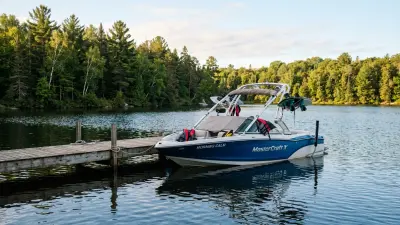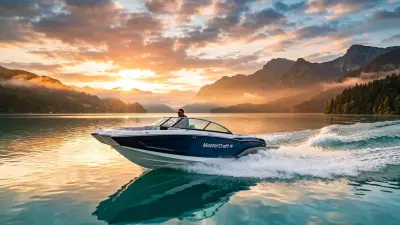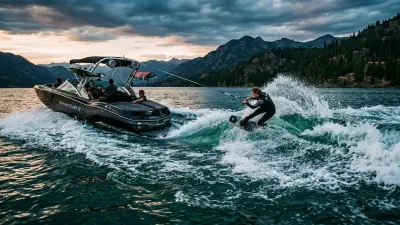
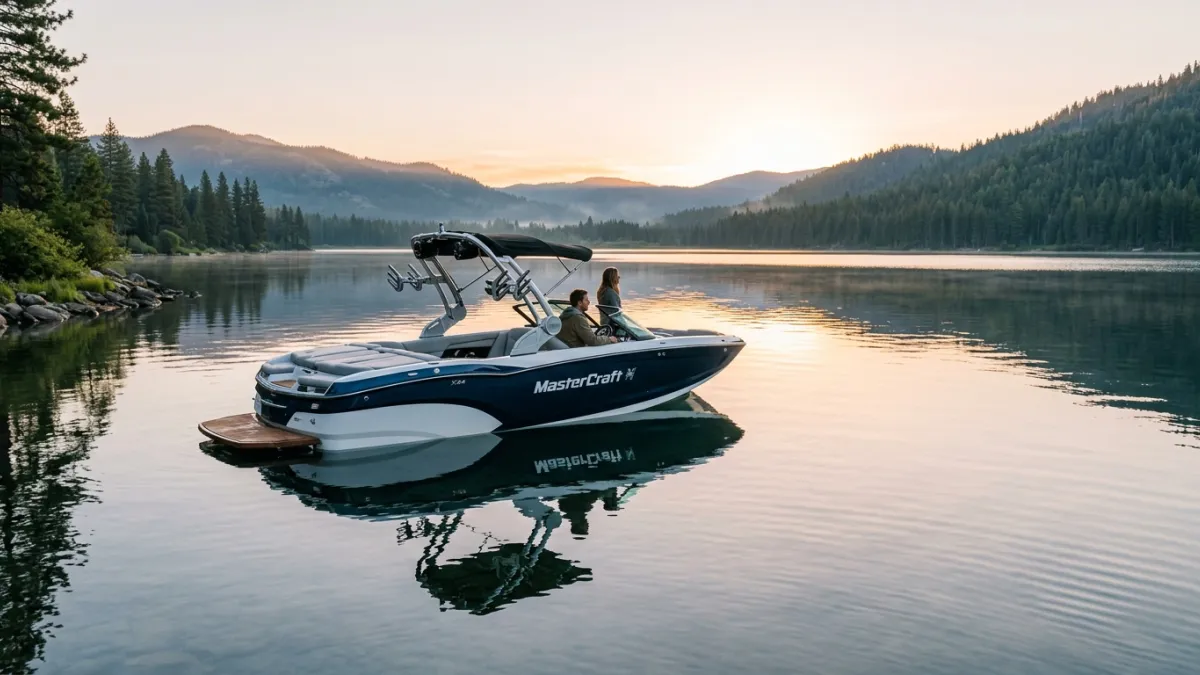
Modern new ski boats are divided into three distinct categories based on hull geometry, propulsion, and wake characteristics: direct-drive tournament waterski boats engineered for flat tracking, V-drive wake and surf boats designed for displaced wakes, and crossover sport bowriders or adventure hull designs. Selecting the ideal ski boat requires matching hull displacement, engine horsepower (typically ranging from 300 hp in entry-level bowriders to over 600 hp in premium supercharged V8 towboats), ballast capacity, and ballast fill speed with your primary water sport—whether traditional three-event slalom skiing, wakesurfing, or all-around family cruising.
Understanding Ski Boat Categories: Direct-Drive vs. V-Drive vs. Crossover
The engineering behind modern ski boats dictates how water flows under the hull and creates the trailing wake. Understanding these propulsion and hull differences is essential before shopping for a new vessel.
- Direct-Drive Tournament Ski Boats: Position the engine near the center of the hull. This creates an even weight distribution and a shallow draft, producing the flat, soft wake required for high-speed slalom skiing and trick skiing. Models like the Ski Nautique set benchmark standards for zero-wake displacement.
- V-Drive Towboats & Paragon Boats: Place the heavy V8 engine in the stern, directing drive shafts forward before gearing back down to the propeller. Combined with integrated liquid ballast tanks and hydrofoil plates, high-end paragon boats like the Super Air Nautique G23 and G25 Paragon generate massive, customizable wakeboard ramps and surf waves.
- Crossover Bowriders & Adventure Boats: Versatile runabouts such as tahoe boats feature deep-V or modified-V hulls powered by sterndrives or outboard engines, offering smooth chop handling and spacious layouts for casual skiing and tubing. Meanwhile, multi-purpose adventure hulls like axopar boats offer high-speed offshore performance and open deck layouts that comfortably accommodate gear for water sports alongside coastal cruising.
Key Specifications to Compare Before Buying a New Ski Boat
Evaluating towboats requires analyzing specific technical metrics that impact performance, maintenance, and trailering setup:
| Boat Category / Model Style | Typical Engine Power | Wake Style / Primary Use | Ballast & Technology | Ideal Boater Profile |
|---|---|---|---|---|
| Direct-Drive Waterski | 350 hp - 450 hp (Inboard) | Flat, minimal wake for slalom skiing | Micro-ballast, tracking fins, zero-off speed control | Dedicated slalom skiers & tournament athletes |
| Luxury V-Drive (e.g., Paragon Boats) | 450 hp - 630+ hp (Supercharged V8) | Customizable deep wakes & long surf waves | 3,000–4,500+ lbs integrated ballast, surf gates, touchscreen control | Wakesurfers, wakeboarders & luxury multi-sport families |
| Sport Deck / Bowrider (e.g., Tahoe Boats) | 150 hp - 300 hp (Outboard / Sterndrive) | Moderate wake for skiing, knee-boarding, tubing | Ski tow pylon, swim platforms, deep bow seating | Recreational families seeking versatile, budget-friendly boating |
| Crossover Adventure (e.g., Axopar Boats) | 200 hp - 600+ hp (Twin Outboards) | Minimal chop impact, open-water tracking | Modular roof racks, waterski towing bars, step hull engineering | All-weather commuters who want speed, efficiency, and light towing |
Essential Features to Look For in New Ski Boats
1. Electronic Speed Control Systems
Precision towing demands consistent speed control within tenths of a mile per hour. Modern ski boats utilize GPS-integrated speed control systems (such as Zero Off or PerfectPass) that automatically adjust engine throttle based on GPS tracking rather than pitot tubes, keeping pull speed rock-solid regardless of rider weight or turn radius.
2. Integrated Ballast and Hydrofoil Technology
If wakeboarding or wakesurfing is part of your outing, examine the factory ballast setup. Premium towboats use hard-tank sub-floor ballast systems that pump thousands of pounds of water in under three minutes, managed via helm touchscreens. Integrated transom plates redirect water flow behind the boat to shape steep wakeboard lips or long, surfable wave pockets without requiring manual weight shifting.
3. Tow Towers, Racks, and Ergonomics
A sturdy aluminum or carbon-fiber wakeboard tower elevates the tow point, giving boarders extra airtime during jumps. Look for modern tower designs equipped with strapless board racks, integrated bimini sunshades, rear-facing transom seats, and swim platform steps coated in non-skid marine decking.
Pros and Cons of Dedicated Ski Boats vs. Versatile Runabouts
Dedicated Tournament Ski Boats & Wakeboats
Pros:
- Flawless wake shaping designed specifically for slalom skiing or wakesurfing.
- Advanced helm control systems with quick ballast filling and rider profiles.
- High resale value due to strong demand in water sports communities.
Cons:
- Higher initial purchase price and fuel consumption under heavy ballast loads.
- Inboard running gear requires careful depth monitoring in shallow waters.
Versatile Bowriders and Crossover Hull Designs
Pros:
- Lower operating and maintenance costs, especially with modern outboard engines.
- Deeper freeboard providing better comfort in rough coastal or large-lake chop.
- Multi-functional layouts suited for fishing, day cruising, and water sports.
Cons:
- Lacks automated ballast and hydrofoil shape control for advanced surfing.
- Engine placement on outboard/sterndrive setups limits rear swim platform walkaround space.
Maintenance Best Practices for Ski Boats
Protecting a new ski boat requires consistent preventative maintenance schedule adherence [1]. Always flush the cooling system with fresh water after operating in brackish or saltwater environments. Inspect drive shaft seals, strut bushings, and propeller blades on inboard engines every 50 hours of operation [1]. Keep ballast tanks completely drained and dry when trailering to prevent mildew growth and eliminate the spread of invasive aquatic species between waterways [1].
Frequently Asked Questions About New Ski Boats
What is the main difference between a ski boat and a wakeboard boat?
A dedicated ski boat uses a direct-drive inboard engine positioned mid-ship to keep the hull flat and produce a minimal, smooth wake ideal for slalom skiing. A wakeboard or surf boat uses a rear-mounted V-drive engine, heavy ballast tanks, and transom plates to sink the stern into the water, generating large wakes and rideable surf waves.
Can you water ski behind an outboard bowrider or adventure boat?
Yes. Bowriders like Tahoe boats and adventure vessels like Axopar boats equipped with ski pylons or tower tow rings provide ample horsepower and pull speed for recreational slalom skiing, knee-boarding, and tubing, offering great versatility for mixed-activity lake outings.
How much horsepower do I need for a new ski boat?
For casual waterskiing and family tow sports on mid-sized bowriders, 200 hp to 300 hp is sufficient. Dedicated tournament waterski boats typically range from 350 hp to 400 hp, while large luxury surf boats carrying heavy ballast tanks often require 450 hp to 600+ hp supercharged V8 engines to maintain plane efficiently.