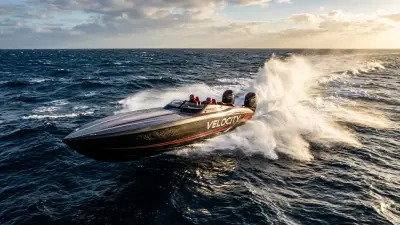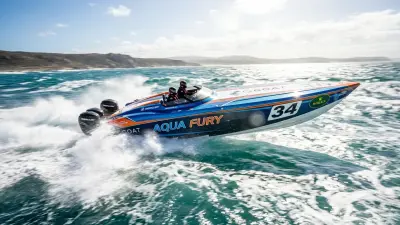
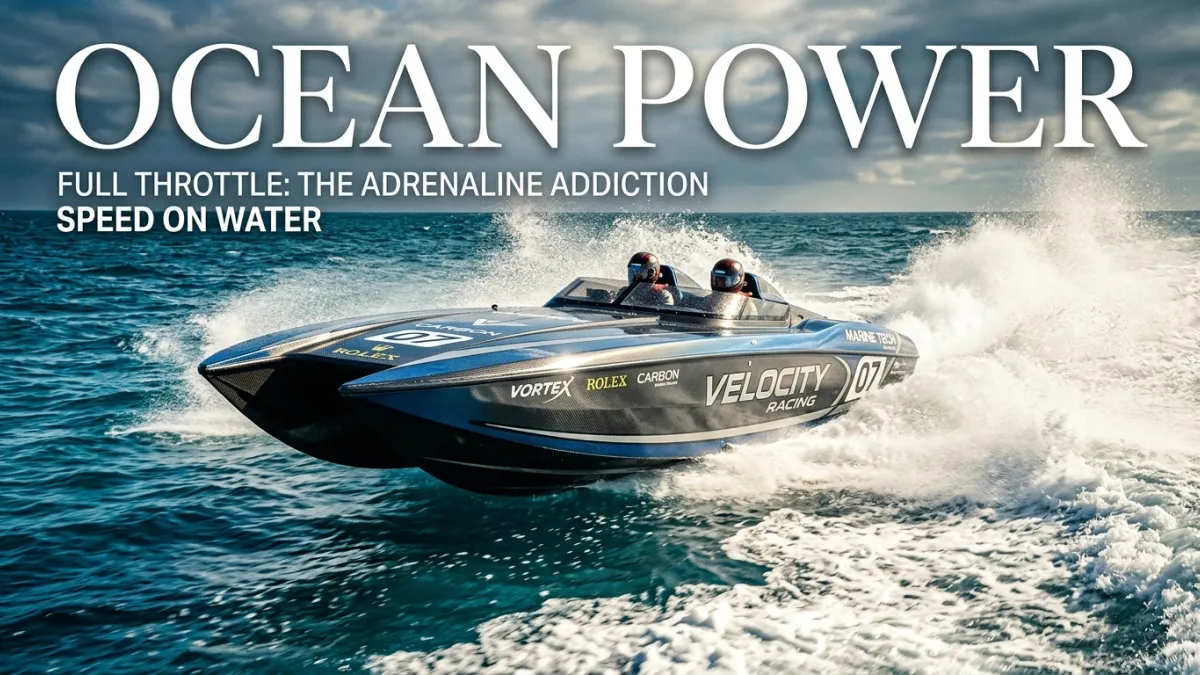
A racer boat is a specialized high-performance marine vessel engineered primarily for high speeds, swift acceleration, and competitive racing across open ocean, lakes, or closed circuit courses. Ranging from ultra-light hydroplanes reaching over 150 mph to offshore V-hull powerboats and stripped-down racing sailboats, these craft prioritize aerodynamic drag reduction, lightweight composite materials like carbon fiber, and extreme power-to-weight ratios over cruising amenities.
Whether you are comparing top-tier tournament wake craft like the Correct Craft Nautique paragon boat series, evaluating versatile runabouts like a tahoe boat or a spacious voyager boat, or looking into freshwater speed machines where competitive bass boat prices range from $30,000 to over $100,000, understanding performance hull geometry and propulsion mechanics is vital before making an investment.
Primary Categories of Racing Boats
Speedcraft fall into distinct classifications based on water conditions, propulsion style, and structural architecture. Selecting the right class depends on whether your goal is rough-water offshore endurance or flat-water sprint speed.
1. Offshore Powerboats (V-Hulls and Catamarans)
Designed to cut through ocean swells at speeds between 80 mph and 180 mph, offshore powerboats feature steep deadrise angles (typically 22° to 24°) or twin-hull tunnel designs. The tunnel hull traps air beneath the boat, generating aerodynamic lift that reduces hydrodynamic drag, allowing the craft to literally ride on a cushion of air.
2. Circuit Hydroplanes and Drag Boats
Hydroplanes utilize sponsons on either side of the hull to lift the boat almost entirely out of the water at speed. At wide-open throttle, only the propeller blade and tiny contact points on the sponsons touch the surface. These specialized machines are built for closed-course freshwater sprint races and reach extreme velocities, requiring strict safety measures like reinforced canopy cockpits.
3. High-Speed Bass Boats and Freshwater Racers
In competitive freshwater angling tournaments, speed directly impacts fishing time. High-performance bass boats feature stepped pad-bottom hulls capable of reaching 70 to 80+ mph powered by 250 hp to 300 hp outboard engines. When evaluating new or pre-owned models, current market data shows entry-level bass boat prices starting around $25,000 for aluminum models, while fiberglass tournament rigs equipped with advanced electronics routinely exceed $90,000.
Key Engineering & Hull Components
Modern speedboats rely on specialized hydrodynamic engineering to balance velocity with high-speed stability. Understanding these components helps when reading a manufacturer's specs or consulting a boat buying guide.
- Stepped Hulls: Horizontal notches built into the running surface that draw air under the hull. This air-lubrication layer reduces surface friction and increases top-end speed by 10% to 15% without extra horsepower.
- Jack Plates: Hydraulic engine mounts that allow the driver to raise or lower the outboard engine vertically while underway, optimizing prop height and water intake clearance.
- High-Pitch Cleaver Propellers: Forged from stainless steel or titanium, these propellers feature sharp leading edges designed to pierce the surface (surface-piercing props) rather than remain fully submerged.
- Composite Construction: Premium manufacturers substitute traditional wood cores with vacuum-infused carbon fiber, Kevlar, and structural foam cores to deliver maximum rigidity at minimum weight.
Racer Boat Performance Comparison
The following table outlines performance metrics, typical engine specs, and general cost benchmarks across common high-speed boat categories:
| Boat Class | Average Top Speed | Typical Hull Material | Engine Power Range | Estimated Price Range |
|---|---|---|---|---|
| Offshore Catamaran Racer | 110 – 175+ mph | Carbon Fiber / Epoxy | 1,100 – 3,100 hp (Twin) | $500,000 – $2,500,000 |
| Tournament Bass Boat | 65 – 82 mph | Fiberglass Composite | 200 – 300 hp (Outboard) | $30,000 – $95,000 |
| High-End Tow / Performance (e.g., Paragon) | 40 – 48 mph | Hand-Laid Fiberglass | 450 – 600 hp (Inboard) | $250,000 – $380,000 |
| Family Sport Runabout (e.g., Tahoe / Voyager) | 45 – 58 mph | Fiberglass / Aluminum | 150 – 300 hp (Sterndrive/Outboard) | $35,000 – $75,000 |
Essential Safety Recommendations for High-Speed Boating
Operating any high-performance craft requires specialized safety protocols beyond standard recreational boating regulations:
- Lanyard Cut-Off Switches (E4 Ignition Interrupters): Always attach the engine kill-switch cord to your life jacket or wrist. At high speeds, an ejected driver will result in an uncontrolled runaway vessel.
- Impact-Rated PFDs: Standard Type III life vests are not rated for high-speed water impacts. Operators running above 50 mph should wear 100 mph impact-tested life jackets fitted with leg straps.
- Trim Adjustment Awareness: Over-trimming an engine at high speed can cause severe aerodynamic instability known as "porpoising" or lead to a violent high-speed hook (chine walk). Always trim incrementally.
- Regular Steering Inspection: Hydraulic steering lines and tie bars endure massive pressure at peak speeds. Inspect fluid levels, fittings, and bolt torques before every outing. Check our overview on hull designs for deeper stability insights.
Frequently Asked Questions
How fast does a typical racer boat go?
Top speeds vary greatly by category. High-performance bass boats and runabouts usually top out between 60 mph and 80 mph. Professional offshore racing catamarans and drag hydroplanes easily exceed 140 mph to 200+ mph under race conditions.
What is chine walking and how do you stop it?
Chine walking occurs when a high-speed V-hull lifts out of the water and begins rocking side-to-side on its narrow center keel. Drivers control it by applying subtle, rapid left-steering pressure counter to the roll rhythm while slightly reducing trim.
Do racing boats require special fuel?
Standard production performance outboards operate on 91 to 93 octane pump gas. However, custom high-compression offshore race engines and supercharged drag engines often require 110+ octane aviation fuel or specialized racing ethanol blends.