Mastering Power Trim & Tilt: Boost Performance, Save Fuel
Unlocking Your Boat’s True Potential with Power Trim & Tilt
As a seasoned boater, I’ve seen countless folks spend a fortune on powerful engines, only to overlook one of the simplest yet most effective tools for maximizing their vessel’s performance and efficiency: power trim and tilt. It’s not just a fancy button; it’s your key to a smoother ride, better speed, and significant savings at the fuel pump. Honestly, if you’re not actively using your trim and tilt, you’re leaving a lot on the table.
Table Of Content
- Unlocking Your Boat’s True Potential with Power Trim & Tilt
- What Exactly Are Power Trim & Tilt?
- The Difference Between Trim and Tilt
- Why They Matter: More Than Just Speed
- The Science of Trim: Finding Your Sweet Spot
- Trimming Up: Raising the Bow
- Trimming Down: Lowering the Bow
- The “Sweet Spot”
- Real-World Scenarios and Practical Tips
- Getting on Plane Quickly
- Running in Rough Water
- Maximizing Fuel Efficiency
- Navigating Shallow Waters and Docking
- Trailering and Storage
- Common Mistakes and Troubleshooting
- Too Much Trim Up (Over-Trimming)
- Too Much Trim Down (Under-Trimming)
- Maintenance Matters
- Take Control and Enjoy the Ride!
Think of it as the fine-tuning for your boat – like adjusting the suspension on a car for different road conditions. Whether you’re piloting a nimble runabout with an outboard motor or a robust cruiser with a stern drive, understanding and utilizing these controls can transform your boating experience. Let’s dive in and master this essential aspect of boat handling, shall we?
What Exactly Are Power Trim & Tilt?
Before we get into the nitty-gritty of usage, let’s clarify what we’re talking about. Power trim and tilt systems allow you to adjust the angle of your outboard motor or stern drive relative to the transom of your boat. This adjustment changes the angle at which the propeller pushes against the water, significantly impacting how your boat interacts with the surface.
The Difference Between Trim and Tilt
Though often spoken of together, “trim” and “tilt” serve distinct purposes. Trim refers to the minor, incremental adjustments you make while the boat is underway, typically at speed. It’s about finding that perfect sweet spot for optimal performance and ride comfort. The trim range is usually just a few degrees up or down from vertical.
Tilt, on the other hand, is used for more substantial adjustments, usually when the boat is stationary or moving at very slow speeds. You’d tilt your motor or drive all the way up to clear the propeller from the water when beaching, launching, trailering, or navigating very shallow areas. It’s about protecting your propeller and lower unit, or just getting it out of the water for maintenance or storage.
Why They Matter: More Than Just Speed
The correct use of power trim and tilt affects several critical aspects of your boating experience. It influences your boat’s speed, its fuel consumption, the comfort of your ride, and even your overall safety. A properly trimmed boat cuts through the water more efficiently, reducing drag and making your engine work less for the same speed. This translates directly into better fuel efficiency and extended range.
Beyond economics, good trimming improves boat handling and stability. It can help you get on plane faster, navigate choppy waters more smoothly, and maintain better control in various conditions. In my opinion, mastering trim is one of the most satisfying skills you can develop as a boater, as it puts you truly in command of your vessel.
The Science of Trim: Finding Your Sweet Spot
The angle of your engine or drive dictates the bow’s position in the water. This, in turn, affects the amount of hull surface in contact with the water – known as “wetted surface” – and how the boat displaces water. Understanding this fundamental relationship is key to effective trimming.
Trimming Up: Raising the Bow
When you trim up (moving the propeller further away from the transom), the bow of your boat lifts. This reduces the wetted surface of the hull, which can significantly reduce drag. In ideal conditions – calm water, moderate speed – trimming up slightly can lead to higher speeds and better fuel economy because less of the hull is plowing through the water.
However, there’s a limit. Too much trim up can cause the bow to rise excessively, leading to issues like “porpoising” (the bow bouncing up and down), propeller ventilation (the prop sucking in air), and a loss of steering control. You might also notice the engine RPMs increasing without a corresponding increase in speed.
Trimming Down: Lowering the Bow
Conversely, when you trim down (moving the propeller closer to the transom), the bow of your boat is pushed down. This increases the wetted surface but provides more lift at the stern, helping the boat get on plane faster. It also improves the boat’s ability to cut through choppy water, providing a softer ride and better visibility.
The downside of trimming too far down is that you increase the wetted surface unnecessarily, creating more drag. This results in slower speeds, higher fuel consumption, and potentially a “bow plow” effect where the boat feels sluggish and pushes a lot of water. It can also make the steering feel heavy and unresponsive.
The “Sweet Spot”
The holy grail of trimming is finding the “sweet spot” – the optimal trim angle for the current conditions, load, and speed. This is where your boat achieves its best balance of speed, fuel efficiency, and ride comfort. How do you find it? It’s all about feel, sound, and observation.
Start with the engine trimmed all the way down. As you accelerate, begin to trim up in small increments. Watch your bow, feel the ride, and listen to the engine. You’ll notice the boat picking up speed, the ride smoothing out, and the engine often sounding less strained. Keep trimming up until you feel the boat start to porpoise or the propeller begins to ventilate. Once that happens, trim down just a hair. That’s your sweet spot for that particular condition. Remember, RPMs and speed are your best friends in this process. Watch your gauges and experiment!
Real-World Scenarios and Practical Tips
Now that we understand the mechanics, let’s put it into practice. Different situations call for different trim adjustments. Let me add something here: becoming proficient with trim isn’t something you master overnight. It takes practice, but the rewards are immense.
Getting on Plane Quickly
This is where trimming down really shines. When starting from a standstill, trim the engine all the way down. This pushes the bow down and helps the boat “dig in” and lift onto plane faster. Once you’re up and running, you can then begin to trim up gradually to find your sweet spot for cruising.
Running in Rough Water
But what would you do when the waves start to kick up? In choppy conditions, you generally want to trim down slightly more than you would in calm water. Lowering the bow allows the sharper V-hull sections to slice through the waves rather than slap over them, providing a much softer and more comfortable ride. This also gives you better steering control. You might sacrifice a little speed and fuel economy, but comfort and safety always come first in rough seas.
Maximizing Fuel Efficiency
This is probably one of the biggest motivators for mastering trim. For example, imagine this situation: You’re cruising along on a beautiful calm lake, and your boat feels a bit sluggish. You notice a lot of spray coming off the sides just ahead of your stern. That’s a strong indicator you’re trimmed too far down. By slowly trimming up until the bow lifts slightly, the spray moves further aft, and the boat feels like it’s riding on air. You’ll see your RPMs drop slightly for the same speed, or your speed increase for the same RPMs. That’s efficient boating right there! Always aim for the least amount of wetted surface that still provides a stable, comfortable ride.
Navigating Shallow Waters and Docking
This is where the “tilt” function comes into play. If you’re approaching a shallow area or docking, you’ll want to tilt your motor or drive up to protect the propeller and lower unit from striking the bottom. Just remember to trim down before you need to accelerate again!
Trailering and Storage
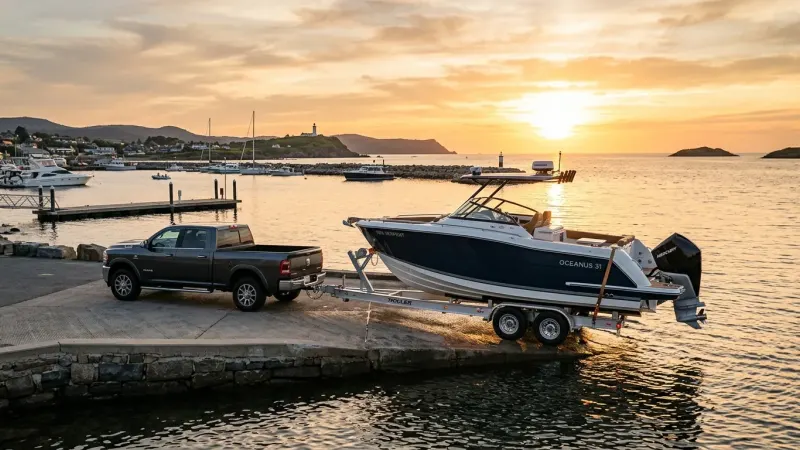
When you pull your boat out of the water for trailering or long-term storage, always tilt your engine or drive all the way up. This prevents water from collecting in the exhaust housing (especially in freezing temperatures) and keeps the lower unit clear of the ground during transport.
- For the best all-around performance: Always start trimmed down, get on plane, then trim up incrementally until you find the sweet spot for current conditions.
- Listen to your engine: It will often sound happier and run smoother when properly trimmed.
- Observe your wake: A clean, minimal wake usually indicates good trim.
Common Mistakes and Troubleshooting
Even with the best intentions, it’s easy to make mistakes. Recognizing the symptoms of incorrect trim can save you a headache, or worse, a trip to the repair shop.
Too Much Trim Up (Over-Trimming)
Symptoms include:
- Porpoising: The bow bounces up and down rhythmically. It’s uncomfortable and inefficient.
- Propeller Ventilation: The propeller loses its bite on the water, spinning freely and causing engine RPMs to surge without increasing speed. This can damage your engine.
- Loss of Steering Control: The boat feels “loose” or unresponsive at the helm.
If you experience any of these, immediately trim down in small increments until the symptoms disappear and the boat settles into a stable ride.
Too Much Trim Down (Under-Trimming)
Symptoms include:
- Bow Plow: The bow is excessively low, pushing a lot of water. This creates a large wake.
- Reduced Speed and Fuel Economy: More hull in the water means more drag, requiring more power to maintain speed.
- Excessive Spray: Water sprays high off the bow, potentially obscuring visibility.
- Heavy Steering: The boat feels sluggish to turn.
If your boat exhibits these signs, trim up gradually to lift the bow and reduce the wetted surface until you find that optimal balance.
Maintenance Matters
To be fair, none of these tips will help if your trim and tilt system isn’t working correctly. Based on my experience, many boaters overlook this simple check. Regularly inspect the hydraulic fluid levels, check for leaks in the hoses, and ensure the electrical connections are clean and corrosion-free. A well-maintained system will respond quickly and reliably when you need it most. If you notice any sluggishness or unusual noises, address them promptly. Your lower unit is a vital, expensive part of your boat, and proper trim maintenance protects it.
Take Control and Enjoy the Ride!
Mastering power trim and tilt isn’t just about squeezing out a few extra knots or saving a bit of fuel; it’s about gaining a deeper understanding and connection with your vessel. It empowers you to adapt to changing conditions, optimize your ride for comfort and efficiency, and truly enjoy every moment on the water. Why settle for “good enough” when “optimal” is within reach?
So, the next time you’re out on the water, don’t just set your throttle and forget it. Play with your trim button, feel the subtle changes in your boat’s attitude, listen to your engine, and watch your gauges. Practice makes perfect, and soon enough, adjusting your trim will become second nature, allowing you to unlock your boat’s full potential and truly master the waves. Happy boating, and may your adventures on Sail & Power & Boats & Motor Yachts always be smooth and efficient!