


Feel the Adrenaline: Is Offshore Powerboat Racing Calling Your Name?
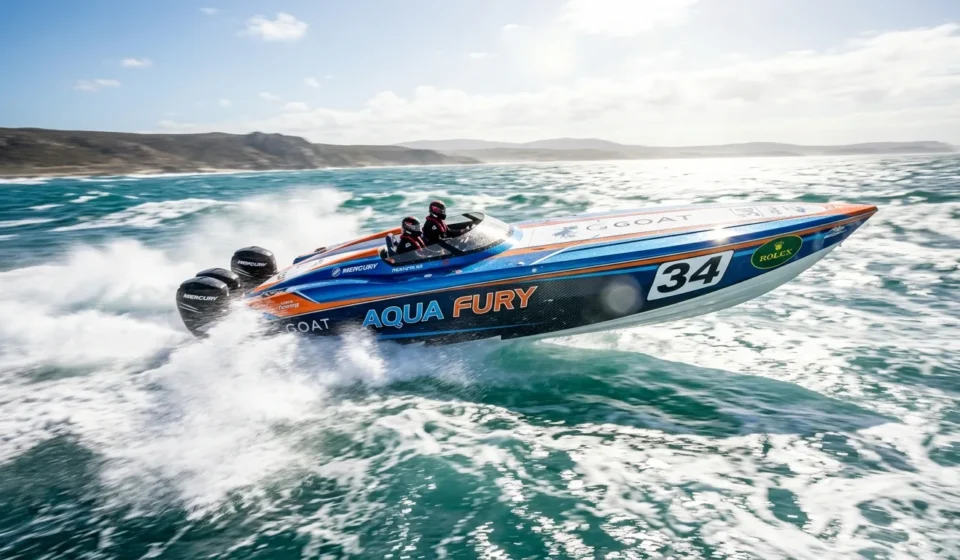
There’s a distinct hum that starts low in your gut and crescendos into a full-throated roar as throttles push forward, and the world blurs around you. The ocean, usually a calming expanse, transforms into a dynamic battlefield of waves and wakes. If you’ve ever watched those incredible machines flying across the water, seemingly defying gravity, and felt that irresistible pull, then you’re probably wondering: “How do I get in on that?” Well, my friend, you’ve come to the right place. As someone who’s spent decades around all sorts of boats, from serene sailboats to thunderous motor yachts, I can tell you that few marine sports compare to the sheer exhilaration of offshore powerboat racing.
Table Of Content
- Feel the Adrenaline: Is Offshore Powerboat Racing Calling Your Name?
- The Basics: What You Need to Know Before You Leap
- Getting Your Feet Wet: Training, Teams, and Your First Steps
- Finding Your Footing: Education and Entry Points
- Joining a Team and Licensing
- The Gear & The Green: Boats, Budgets, and Beyond
- Your Racing Machine: Boat Types and Acquisition
- The Cost of Speed: Budgeting for Racing
- Safety First, Always: Non-Negotiables for Offshore Racing
- Essential Safety Equipment
- Your Journey into the Roar Begins Now
This isn’t just about speed; it’s about skill, precision, teamwork, and an intimate understanding of both your vessel and the unforgiving sea. It’s a challenge that demands respect, and in return, offers an unmatched rush. If the idea of high-speed boating, navigating rough waters, and competing against the best in the business gets your heart pounding, then stick around. This guide is designed to give you a realistic, comprehensive look at how to get started in the thrilling world of offshore powerboat racing.
The Basics: What You Need to Know Before You Leap
Before you even think about putting on a racing suit, let’s talk about the foundational elements. Offshore powerboat racing isn’t a casual weekend hobby; it’s a serious commitment of time, money, and passion. First off, you need to be in decent physical condition. The G-forces, constant pounding through waves, and the sheer physical exertion required to manage a high-performance boat at speed are no joke. You’ll need core strength, stamina, and quick reflexes.
Then there’s the mental game. You’ll be making split-second decisions under immense pressure, with thousands of horsepower beneath you and other boats inches away. Honestly, it takes a special kind of focus and mental toughness. This isn’t just a physical test; it’s a mental marathon where staying calm, calculating risks, and communicating effectively with your team are absolutely paramount. Based on my experience, those who excel are often excellent problem-solvers under pressure.
Finally, understand that there are various classes in offshore powerboat racing, from smaller, production-based boats to purpose-built, multi-engine behemoths. Each class has specific rules regarding boat length, engine size, and modifications. Researching these classes early on will help you determine where you might fit in, both practically and financially. Starting small and working your way up is often the smartest approach.
Getting Your Feet Wet: Training, Teams, and Your First Steps
Finding Your Footing: Education and Entry Points
So, you’re committed, physically ready, and mentally sharp. What’s next? You absolutely need formal training. There are specialized schools and experienced racers who offer courses in offshore powerboat operation, safety, and race tactics. These programs teach you everything from throttle control and trim adjustments to navigating in heavy seas and emergency procedures. Don’t even think about jumping into a race boat without this crucial foundation.
A fantastic way to gain experience and make connections is to start as part of a pit crew or shore team. This gives you invaluable insight into the mechanics, logistics, and teamwork involved without the immediate pressure of being on the water. You’ll learn the language, understand the rhythm of race day, and meet people who can help guide your path. I’ve seen many aspiring racers start by simply cleaning boats and end up in a cockpit within a few seasons.
Joining a Team and Licensing
Offshore powerboat racing is a team sport. Whether you’re a driver, throttleman, or navigator, you’ll be working in tandem with at least one other person. Finding the right team is like finding a good marriage – it requires trust, communication, and shared goals. Attend races, network with current teams, and let your intentions be known. Many established teams are always looking for dedicated individuals, even if it’s just to help out.
Once you’ve got some experience and perhaps a team connection, you’ll need to obtain the appropriate racing license from a recognized sanctioning body like APBA (American Power Boat Association) or UIM (Union Internationale Motonautique). This usually involves passing written tests, demonstrating on-water proficiency, and completing a certain number of supervised practice laps or races. It’s a rigorous process, but it ensures everyone on the water meets a high standard of safety and skill.
The Gear & The Green: Boats, Budgets, and Beyond
Your Racing Machine: Boat Types and Acquisition
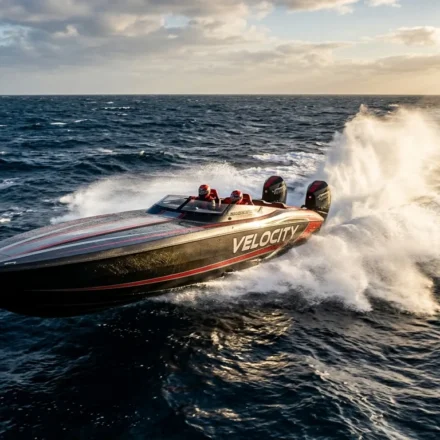
The boats themselves are engineering marvels. Depending on the class, you could be looking at anything from a 20-foot V-bottom up to a 50-foot catamaran. Entry-level classes often use modified production boats, which can be a more accessible starting point. As you advance, purpose-built race boats become the norm. Buying a used race boat from a reputable team can save you a significant amount compared to a new build, but always get it thoroughly inspected.
For example, imagine this situation: you’ve found an older, well-maintained 30-foot V-bottom race boat that’s been campaigning successfully in a regional class. It’s not the latest carbon-fiber marvel, but it’s proven, reliable, and comes with a spare engine. This could be your perfect entry point, offering competitive performance without breaking the bank right out of the gate. To be fair, even a “budget-friendly” race boat still involves a substantial investment.
The Cost of Speed: Budgeting for Racing
Let’s be blunt: offshore powerboat racing is an expensive sport. Beyond the initial boat acquisition, you’ll face ongoing costs. These include:
- Maintenance and Repairs: Engines, gearboxes, hulls – everything takes a beating. Regular maintenance is crucial, and repairs can be significant.
- Fuel: These boats are thirsty beasts, burning high-octane fuel at an alarming rate.
- Entry Fees: Each race has an entry fee, which can vary widely.
- Safety Gear: Helmets, racing suits, life vests, radios – all top-tier and often custom-fitted.
- Logistics: Transporting your boat, travel, accommodation for races.
- Crew and Support: Paying your team (if applicable) or covering their expenses.
It’s not uncommon for a competitive season to run into six figures, even for mid-level teams. This is where sponsorship becomes vital, but initially, you’ll likely be funding much of it yourself. Start building a realistic budget early on so you understand the financial commitment. Honestly, this is one of the biggest hurdles for many aspiring racers.
Safety First, Always: Non-Negotiables for Offshore Racing
I cannot stress this enough: safety is paramount in offshore powerboat racing. The speeds, the forces, and the unpredictable nature of the open water mean that things can go wrong very quickly. Every piece of safety equipment is there for a reason and must be meticulously maintained and checked before every outing.
Essential Safety Equipment:
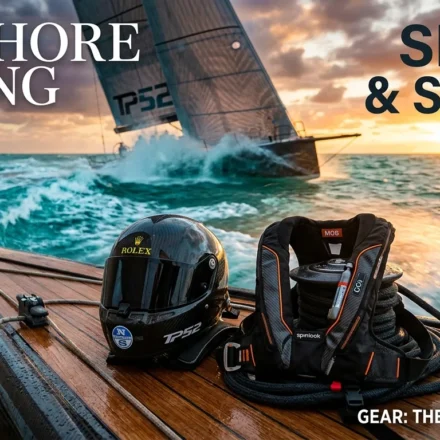
- Crash Helmets: Specialized, full-face helmets designed for impact protection.
- Racing Suits: Often flame-retardant and designed for buoyancy.
- Life Vests/Capsules: Auto-inflating or manual, designed for rapid deployment.
- Onboard Communications: Robust intercom systems for driver/throttleman/navigator.
- Emergency Beacons (EPIRBs/PLBs): For immediate location in case of an incident.
- Fire Suppression Systems: Automated systems in the engine compartment.
- Rescue Boats and Personnel: Always on standby during races, but your onboard prep is key.
Beyond the gear, continuous training for emergencies, like capsize recovery or engine fires, is absolutely critical. You and your team need to know exactly what to do in every conceivable scenario, without hesitation. Regulations from sanctioning bodies are strict, covering everything from boat construction to safety briefings. Adhere to them without exception. These rules aren’t suggestions; they are lifelines. In my opinion, a truly professional team isn’t just fast, it’s impeccably safe.
Your Journey into the Roar Begins Now
Getting started in offshore powerboat racing is not for the faint of heart or the light of wallet, but for those who answer its call, it is an incredibly rewarding pursuit. The camaraderie, the challenge, the pure, unadulterated thrill of pushing a magnificent machine to its limits across the open ocean – it’s an experience that truly defines the spirit of marine motorsport. You’ll build skills, forge friendships, and create memories that will last a lifetime.
So, if you’re ready to trade the everyday for the extraordinary, to feel the spray in your face and the roar in your soul, start by seeking out a local race, talking to teams, and getting that initial training. The journey is long and demanding, but the finish line, and every mile leading up to it, is absolutely worth it. What are you waiting for? The ocean is calling, and your boatandsailboat.com adventure is just beginning.