


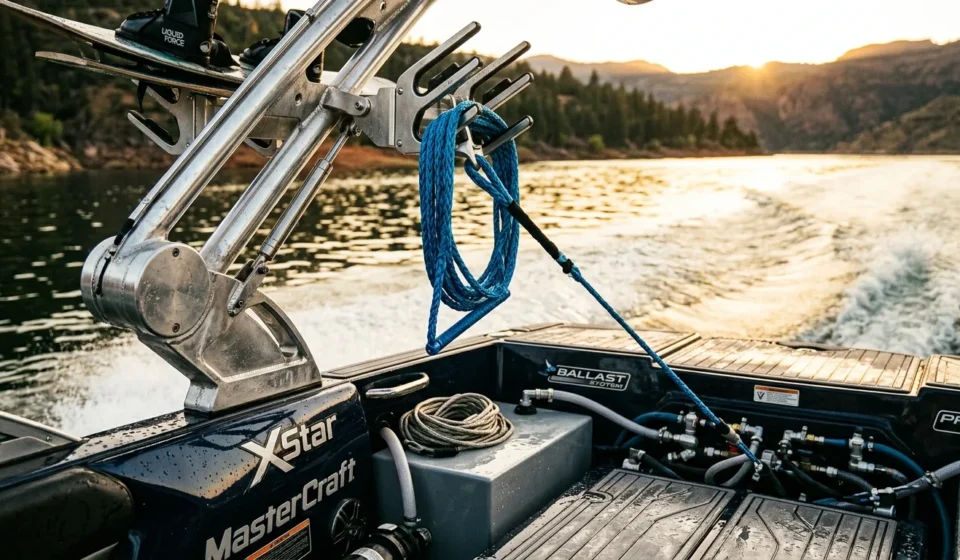
Perfecting Your Pull: Setting Up Your Ski and Wakeboard Boat for Optimal Towing

There’s nothing quite like the thrill of a perfect pull behind a well-tuned boat – that feeling of effortless glide for a slalom skier, or the towering ramp of water for a wakeboarder launching into the air. But achieving that ideal experience isn’t just about having a great boat; it’s about knowing how to set it up. As someone who’s spent decades around the docks, watching countless boats hit the water, I can tell you that a proper setup transforms a good day into an unforgettable one. So, let’s dive deep into perfecting your pull and making every ride epic.
Table Of Content
- The Foundation: Why Your Boat’s Setup Matters
- Understanding Your Goals: Skiing, Wakeboarding, or Wakesurfing?
- Mastering Your Ballast: The Art of Wake Shaping
- Beyond Ballast: Wedges, Gates, and Propellers for Precision
- The Connection Point: Ropes, Towers, and Rider Safety
- The Human Element: Driving, Communication, and Continuous Improvement
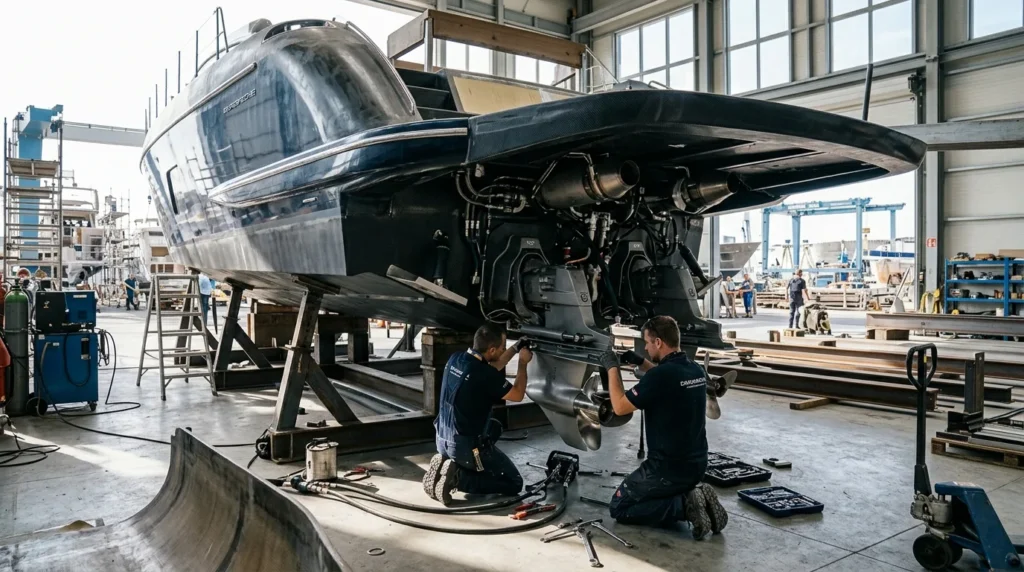
The Foundation: Why Your Boat’s Setup Matters
Think of your ski or wakeboard boat as a high-performance instrument. Just like a musician tunes their instrument for the perfect sound, you need to tune your boat for the perfect wake or a smooth, flat skiing surface. Without the right setup, you might end up with a washboard wake that’s tough to cross, a mushy wave that offers no pop, or a sluggish pull that frustrates your rider. It’s not just about horsepower; it’s about how you distribute that power and manipulate the water.
A correctly set up boat enhances the rider’s experience significantly, making tricks easier to land and giving skiers the consistent pull they crave. It also impacts your boat’s performance, fuel efficiency, and even longevity. Honestly, taking the time to understand these elements will save you headaches and money in the long run, and ensure everyone onboard has a fantastic time on the water. After all, isn’t that why we’re out here in the first place?
Understanding Your Goals: Skiing, Wakeboarding, or Wakesurfing?
Before you even think about adjusting anything, you need to know what activity you’re primarily focused on. A flat, minimal wake is ideal for slalom skiing, allowing the skier to cut cleanly across the water. For wakeboarding, you want a firm, ramp-like wake with a good lip for jumping. And for wakesurfing, it’s all about creating a long, clean, surfable wave on one side of the boat. Each discipline requires a distinct approach to ballast, speed, and trim.
It’s important to recognize that a boat optimized for one activity might not be perfect for another without some adjustments. Many modern ski and wakeboard boats offer versatile systems that can be tweaked for different sports, but understanding the fundamental differences is your first step. Don’t try to be a jack-of-all-trades without knowing how to switch gears.
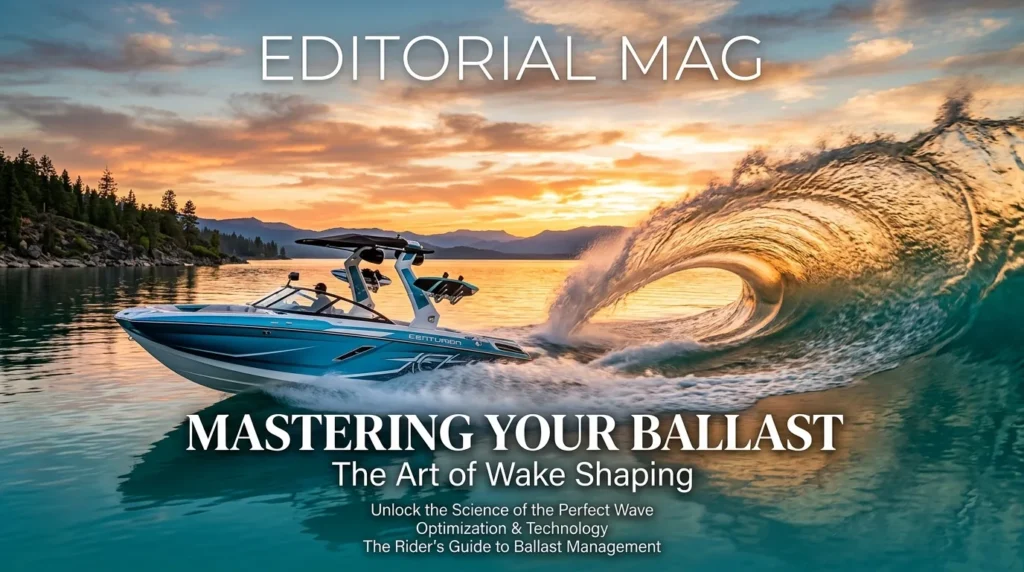
Mastering Your Ballast: The Art of Wake Shaping
Ballast is arguably the most critical component in shaping your boat’s wake. Simply put, ballast adds weight to your boat, causing it to sit deeper in the water. This displacement of water is what creates a larger wake. Modern ski and wakeboard boats come equipped with sophisticated integrated ballast systems, often controlled by touchscreens, allowing you to fill and empty tanks or bags with water.
For wakeboarding, you generally want to distribute weight evenly across the boat to create a symmetrical wake. Filling all your ballast tanks – bow, midship, and stern – will produce the largest, most ramp-like wake. For wakesurfing, however, the game changes entirely. You’ll want to list the boat heavily to one side by filling the ballast tanks on that side (e.g., starboard side for a regular rider, port side for a goofy rider) and often emptying the opposing side. This creates that long, clean surf wave. Proper ballast distribution is key for both performance and safety.
Many boats also allow for adding supplemental “fat sacs” or lead weights, especially if you’re looking to really push the limits of your wake. These can be placed strategically to fine-tune the wake’s shape, often in the bow for wakeboarding to lengthen the wake, or tucked into lockers for wakesurfing to enhance the wave’s push. In my opinion, this is where many new owners get it wrong – they just fill everything up without understanding the nuances. Experimentation is crucial, but always start with your boat’s recommended settings.
Beyond Ballast: Wedges, Gates, and Propellers for Precision
While ballast lays the groundwork, other systems allow for incredible fine-tuning. Many boats feature a deployable wake-shaping device, often called a wedge, surf gate, or tabs. These devices attach to the transom and effectively lengthen the hull’s running surface, or disrupt flow on one side, allowing you to manipulate the wake’s shape and size without constantly adjusting ballast. For example, imagine this situation: You’ve got a boat full of enthusiastic wakeboarders, but then a wakesurfer wants a turn. Instead of spending 15 minutes emptying and filling ballast, you can often just deploy a surf gate on one side and be ready to surf in moments.
Another crucial, yet often overlooked, component is your propeller. The right prop makes a huge difference in how your boat performs, especially when loaded down with ballast and passengers. A propeller’s pitch determines how much “bite” it has in the water. For towing heavy loads and creating large wakes, you’ll generally want a lower pitch propeller. This provides more torque, helping your boat get on plane faster and maintain consistent speeds without straining the engine. If your boat struggles to get out of the hole when fully ballasted, a prop change might be exactly what you need.
Conversely, if you’re primarily slalom skiing, where lighter loads and higher top speeds are desired, a higher pitch prop might be more suitable. Honestly, finding the right prop can make or break your day, affecting everything from your boat’s acceleration to its fuel efficiency. Don’t be afraid to consult with a marine mechanic or prop specialist on Sail & Power & Boats & Motor Yachts to find the best prop for your specific needs and typical load.
The Connection Point: Ropes, Towers, and Rider Safety
So far we’ve covered how to create the perfect wake. Now let’s get to the really critical point: connecting with your rider. The tow point on your boat significantly impacts the rider’s experience. For wakeboarding and wakesurfing, a tower is indispensable. The higher tow point pulls the rider upwards, making it easier to get out of the water and providing more air time for jumps. For slalom skiing, however, a lower tow pylon closer to the engine is preferred, as it keeps the pull more direct and flat, ideal for carving.
Just as important as the tow point is the rope itself. Ski ropes are typically non-stretch, around 70-75 feet, often with multiple sections to adjust length for different skill levels. Wakeboard ropes, on the other hand, usually have a little more stretch to absorb shock and are often shorter, between 65-75 feet, though personal preference varies. Wakesurfing ropes are much shorter, usually 10-25 feet, designed to assist the rider in getting up and then being thrown back into the boat once they find the sweet spot of the wave.
- Ski Ropes: Non-stretch, 70-75 ft, adjustable sections.
- Wakeboard Ropes: Low-stretch, 65-75 ft, often with colorful handles.
- Wakesurf Ropes: Short, 10-25 ft, for getting up only.
And let’s not forget about safety! Always have a designated observer in the boat when towing. Ensure your kill switch lanyard is always attached to you. Before starting, check that the area around the rider is clear of other boats, swimmers, or obstacles. A well-set-up boat is a safe boat, and safety is paramount for everyone to enjoy their time on the water.
The Human Element: Driving, Communication, and Continuous Improvement
Even with the perfect boat setup, the driver’s technique is crucial. A smooth, consistent pull is what every rider desires. Jerky starts or fluctuating speeds can quickly ruin a run. Learn to anticipate your rider’s needs, watching for hand signals for speed adjustments, or when they’re ready to drop the rope after a wakesurf session. Practice makes perfect, and good driving skills are developed over time.
Communication between the driver, observer, and rider is absolutely vital. Establish clear hand signals before you start. The observer’s role is to keep an eye on the rider at all times and relay their signals to the driver. Without good communication, even the best boat setup will fall short of delivering an optimal experience. Remember, you’re a team out there.
Setting up your ski and wakeboard boat for optimal towing is an ongoing process of learning and refinement. Every boat is a little different, and every rider has unique preferences. Don’t be afraid to experiment with ballast settings, speed, and even different props to find what works best for your crew and your boat. Pay attention to how the boat feels, how the wake looks, and most importantly, listen to your riders. With a little patience and practice, you’ll be perfecting your pull and creating unforgettable memories on the water for years to come.