Speed Boat Price: How Much Does a Speed Boat Cost in 2025?
Ah, the speed boat. Just the phrase conjures images of sun-drenched days, the exhilarating roar of an engine, and the rush of wind as you slice across the water. For many of us in the marine industry, it’s more than just a vessel; it’s a lifestyle, a passion, and a ticket to unforgettable adventures. But before you succumb to the siren call of speed and spray, there’s a crucial question to answer: How much does a speed boat cost, especially as we look ahead to 2025?
Table Of Content
- The Core Components: Factors Driving Speed Boat Costs
- Brand Reputation & Quality Craftsmanship
- Engine Power & Propulsion Technology
- Size, Design, and Hull Type
- Features, Customization, and Electronics
- New vs. Used: Navigating the Market for Speed Boats in 2025
- The Allure of a New Speed Boat
- Unlocking Value with Used Speed Boats
- Anticipating 2025 Market Dynamics
- Beyond the Sticker Price: The True Cost of Speed Boat Ownership
- Initial Purchase & Delivery
- Mooring, Storage, and Hauling
- Fuel, Insurance, and Maintenance
- Upgrades and Accessories
- Making the Smart Buy: Tips for Prospective Speed Boat Owners in 2025
- Define Your Needs and Budget
- Research and Compare Diligently
- The Importance of a Professional Survey and Sea Trial
- Negotiate Wisely
- Financing and Insurance
As a seasoned veteran of the boating world, I’ve seen prices ebb and flow like the tides. Understanding the true cost of a speed boat isn’t just about the sticker price; it’s a deep dive into manufacturing quality, technological advancements, market demand, and a myriad of hidden expenses. This isn’t a simple “X dollars for Y boat” equation. Instead, let’s navigate the complex waters of speed boat pricing, offering you practical insights and actionable advice for securing your dream machine in 2025.
The Core Components: Factors Driving Speed Boat Costs
When you’re eyeing a speed boat, you’re not just buying fiberglass and an engine. You’re investing in a sophisticated piece of marine engineering, and several key factors dictate that initial price tag. These elements interact in complex ways, pushing prices up or down, especially as we project into the 2025 market with its evolving trends and innovations.
Brand Reputation & Quality Craftsmanship
Just like cars, boat brands carry significant weight. Established names like Sea Ray, Chaparral, Formula, and for the true high-performance enthusiasts, Fountain or Cigarette Racing, often command premium prices. Why? It’s a blend of decades of engineering expertise, superior build materials, meticulous craftsmanship, and robust after-sales support. These brands have invested heavily in R&D, leading to better hull designs, more durable components, and higher resale values. For example, a new 24-foot Chaparral bowrider might start around $80,000 to $120,000, while a comparable Bayliner could be in the $50,000 to $75,000 range. The difference isn’t just paint; it’s the quality of the gel coat, the strength of the stringers, the grade of the upholstery, and the reliability of the electrical systems.
On the other hand, lesser-known or emerging brands might offer a lower entry point, which can be tempting for budget-conscious buyers. However, you need to exercise caution. While some offer excellent value, others might cut corners on materials or engineering, leading to higher maintenance costs and faster depreciation down the line. Always research a brand’s history, read owner reviews, and inspect boats built by them thoroughly, especially if you’re looking at a new contender in 2025.
Engine Power & Propulsion Technology
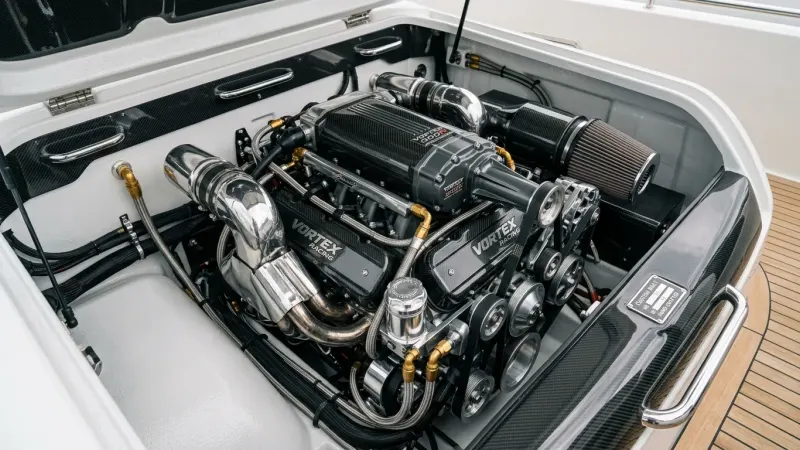
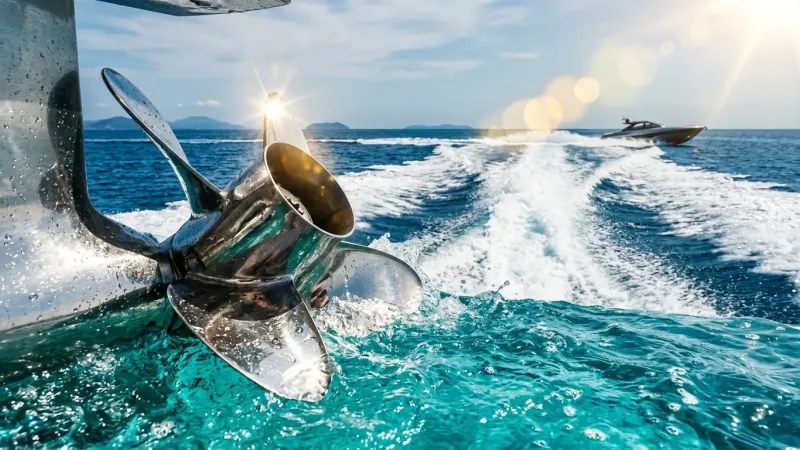
The heart of any speed boat is its engine, or often, engines. This is arguably the single largest cost driver after the hull itself. Whether you opt for an outboard, inboard, or sterndrive configuration, the horsepower (HP) rating directly correlates with the price. A boat with a single 150 HP outboard might be significantly cheaper than one with twin 300 HP outboards, even if the hulls are similar. High-performance engines from Mercury Racing, Yamaha, or Volvo Penta are engineering marvels, designed for maximum power, speed, and reliability under strenuous conditions, and they are priced accordingly.
Looking to 2025, we’re seeing continued advancements in fuel efficiency and even nascent hybrid or electric propulsion systems. While pure electric speed boats capable of sustaining high speeds for extended periods are still niche and very expensive, expect to see more efficient traditional engines, potentially with “smart” features for diagnostics and performance tuning, which will add to their cost. The choice of propulsion also impacts installation, maintenance, and fuel costs, which we’ll delve into later.
Size, Design, and Hull Type
It goes without saying that bigger boats generally cost more. Length Over All (LOA) is a primary indicator of price, but it’s not just about length. The beam (width), depth, and overall volume contribute to the amount of material and labor required. A small 18-foot runabout might be ideal for a lake, while a 30-foot offshore performance boat is designed for much more demanding conditions, requiring more robust construction.
The hull design itself plays a critical role. Deep-V hulls are excellent for cutting through choppy water at speed, providing a smoother ride but potentially requiring more power. Modified-V hulls offer a compromise. Catamaran hulls, popular in some performance segments, offer exceptional stability and speed but have a unique construction that can increase costs. Stepped hulls, designed to reduce hydrodynamic drag, are also a feature often found on higher-end performance boats. Any specialized design feature that enhances performance or comfort will factor into the final price.
Features, Customization, and Electronics
The base price of a speed boat is just that—a base. The real fun (and often, the real expense) comes with the options and customization. Think about it: advanced navigation systems like multi-function displays (MFDs) with GPS, radar, and sonar can add thousands. Premium sound systems, underwater lighting, electric swim platforms, wet bars, and heads (marine toilets) all contribute. If you desire custom upholstery, specialized gel coat colors, or unique graphics, the price can climb rapidly.
For luxury performance speed boats, customization is key. Buyers often want bespoke interiors, advanced climate control, and connectivity solutions. These aren’t just add-ons; they’re integrated systems that require specialized installation and engineering. In 2025, expect even more sophisticated digital integration, smart controls, and enhanced connectivity options to become standard or highly sought-after features, further influencing the price tag.
New vs. Used: Navigating the Market for Speed Boats in 2025
One of the biggest decisions you’ll face is whether to buy a brand-new speed boat or a pre-owned one. Both options have their merits and drawbacks, and understanding the market dynamics, especially as we project into 2025, is crucial for making an informed choice.
The Allure of a New Speed Boat
There’s nothing quite like the smell of a new boat, fresh off the factory floor. With a new speed boat, you get the latest in technology, design, and performance, along with a full manufacturer’s warranty. You can often customize it to your exact specifications, from hull color to engine choice and interior finishes. For 2025, new entry-level speed boats (18-22 feet, single outboard) might range from $40,000 to $75,000. Mid-range models (23-28 feet, higher HP or twin engines) could easily run from $75,000 to $200,000. For high-performance or luxury speed boats (28 feet and up, multiple high-HP engines, extensive features), prices can start at $200,000 and easily exceed $700,000, even surpassing the million-dollar mark for truly bespoke vessels.
However, new boats come with immediate depreciation. The moment you drive it off the lot (or launch it from the trailer), its value drops. Furthermore, higher purchase prices generally mean higher sales taxes, insurance premiums, and potentially higher financing costs. Despite this, for many, the peace of mind, the factory warranty, and the joy of owning a perfectly customized vessel are well worth the investment. Think of it like buying a new car versus a used one – you know what you’re getting, and it’s built to your specifications.
Unlocking Value with Used Speed Boats
For many boaters, especially first-time owners or those on a tighter budget, the used market offers incredible value. Speed boats, like cars, depreciate significantly in their first few years. A well-maintained 3-5 year old speed boat can often be purchased for 60-70% of its original price, offering substantial savings. A 5-10 year old model might be 40-60% of original, and older models even less, provided they are in good condition.
The key to buying used is meticulous research and inspection. Always insist on a professional marine survey and an engine inspection, especially for larger or more complex boats. Check the boat’s service records, look for signs of neglect or damage, and always perform a sea trial. I once had a client who found a 7-year-old performance boat, a highly sought-after model, for nearly half its original price. It had impeccable maintenance records and passed a rigorous survey with flying colors. That’s the kind of hidden gem the used market can offer. However, beware of “money pits” – boats that seem cheap but require extensive, costly repairs.
Anticipating 2025 Market Dynamics
The boating market, like any other, is influenced by broader economic conditions. Looking ahead to 2025, we can anticipate several factors impacting speed boat prices:
- Inflationary Pressures: The cost of raw materials (fiberglass, resins, metals), labor, and shipping continues to be a factor. New boat prices will likely reflect these increased manufacturing costs.
- Supply Chain Stability: While significantly improved since the pandemic, any global disruptions can impact production and lead times, potentially driving prices up.
- Interest Rates: Higher interest rates can make financing more expensive, potentially cooling demand for new boats and making used boats more attractive.
- Technological Advancements: As mentioned, new engine technologies, digital integration, and comfort features will add value and cost to new models, further differentiating them from older boats.
- Demand Trends: The surge in recreational boating seen during the pandemic might moderate, but a sustained interest in outdoor leisure could keep demand robust, particularly for popular models and segments.
These dynamics mean that while new boat prices may continue their upward trajectory, the used market will likely offer compelling opportunities for those willing to do their homework. The gap between new and used prices could widen further, making the pre-owned segment even more appealing.
Beyond the Sticker Price: The True Cost of Speed Boat Ownership
Congratulations, you’ve found your dream speed boat! But hold on a minute. The purchase price is often just the beginning. Many first-time boat owners are shocked by the annual running costs, often underestimating them by 20-30%. As a yacht broker, I’ve seen this happen countless times. To truly enjoy your speed boat in 2025 and beyond, you need to budget for the ongoing expenses.
Initial Purchase & Delivery
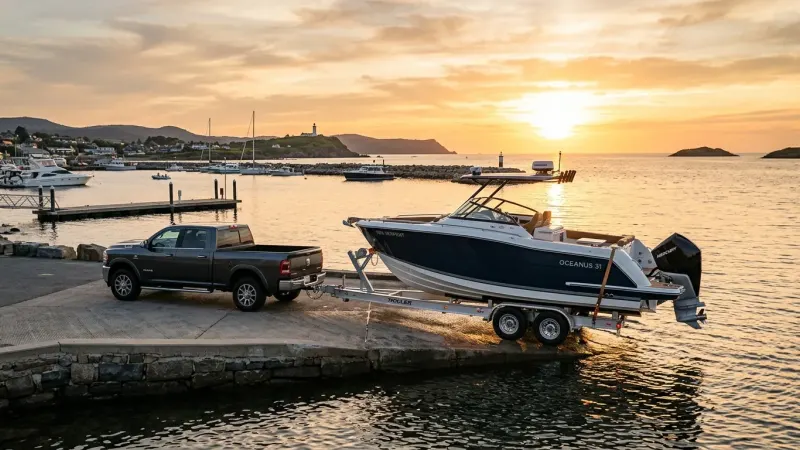
Beyond the boat itself, you’ll have sales tax (which can be substantial depending on your state or country), registration and documentation fees, and potentially dealer prep charges. If the boat isn’t on a trailer or needs to be transported, delivery costs can add hundreds or even thousands of dollars. And speaking of trailers, if your speed boat doesn’t come with one, budget anywhere from $3,000 to $10,000+ for a new, properly sized and equipped trailer.
Mooring, Storage, and Hauling
Where will you keep your boat? This is a huge factor. Dockage fees for a slip in a marina can range from a few hundred dollars a month for a small boat in a less popular area to several thousand for larger vessels in prime locations. Dry stack storage, where your boat is stored indoors and launched on demand, is another option, often comparable in cost to wet slips. If you plan to trailer your boat home, you’ll need adequate space and a vehicle capable of towing it safely. Don’t forget winterization costs (if you live in a cold climate) and spring commissioning to get your boat ready for the season, which can add $500 to $2,000+ annually.
Fuel, Insurance, and Maintenance
This is where speed boats really live up to their name – not just in velocity, but in fuel consumption! Performance engines are thirsty. Depending on engine size and usage, you could easily spend hundreds or even thousands of dollars on fuel each season. Many high-performance engines also require premium octane fuel, which adds to the cost. My advice? Factor in at least 20-30% of your boat’s purchase price annually for all these running costs combined.
Insurance is non-negotiable. Premiums vary widely based on the boat’s value, your location, your boating experience, and whether you want basic liability or comprehensive coverage. For a mid-range speed boat, expect to pay $800 to $3,000+ per year. Routine maintenance is also critical: oil changes, filter replacements, spark plugs, impeller checks, and general detailing are essential to keep your boat running smoothly and maintain its value. Budget for annual engine service (typically $300-$1,000+ per engine) and expect unforeseen repairs – marine environments are harsh, and things can break.
Upgrades and Accessories
No boat owner ever stops “improving” their vessel. Whether it’s a new fish finder, upgraded watersports gear, better navigation software, or simply new fenders and lines, these incremental costs add up. Over time, you might want to replace worn upholstery, update electronics, or add comfort features. While not strictly “necessary,” these upgrades enhance your boating experience and contribute to the overall cost of ownership.
Making the Smart Buy: Tips for Prospective Speed Boat Owners in 2025
Now that you have a comprehensive understanding of speed boat pricing and ownership costs, let’s talk about how to make a smart acquisition in 2025. This isn’t just about finding the cheapest boat; it’s about finding the right boat for your needs and ensuring long-term enjoyment without financial headaches.
Define Your Needs and Budget
Before you even start looking, ask yourself: What will I primarily use this boat for? Watersports with the family? High-speed cruising? Fishing? Where will I be boating – a calm lake, a large river, or the open ocean? Your intended usage dictates the size, hull type, and features you’ll need. Equally important is setting a realistic budget, not just for the purchase, but for all the ongoing ownership costs we discussed. Don’t stretch your budget to buy a boat you can barely afford to run.
Research and Compare Diligently
Whether new or used, thorough research is paramount. Visit local dealerships, explore online marketplaces (like YachtWorld, Boat Trader), and attend boat shows. Boat shows are excellent for comparing different brands side-by-side, talking to manufacturers, and often finding special pricing or incentives. For used boats, compare prices of similar models based on age, engine hours, and condition. Don’t be afraid to travel a bit to find the right deal, as regional markets can vary.
The Importance of a Professional Survey and Sea Trial
I cannot stress this enough: for any used boat purchase, a professional marine survey is non-negotiable. A qualified surveyor will inspect the hull, engine, electrical systems, and all components, identifying potential issues that could save you thousands in future repairs. For new boats, while a survey isn’t always standard, a thorough pre-delivery inspection by a trusted mechanic and a comprehensive sea trial are vital to ensure everything is functioning as expected. Always conduct a sea trial yourself to get a feel for the boat’s performance and handling in real-world conditions.
Negotiate Wisely
Be informed about the market value of the boat you’re interested in. Dealers often have some room for negotiation, especially towards the end of a sales quarter or season. For private sellers, market knowledge is your strongest tool. Consider making an offer below the asking price, especially if the survey reveals minor issues. Buying during the off-season (fall/winter in colder climates) can often yield better deals as sellers are more motivated. Don’t be afraid to walk away if the deal doesn’t feel right – there are always other boats.
Financing and Insurance
Explore marine-specific financing options, which often offer longer terms and lower interest rates than traditional personal loans. Get multiple insurance quotes to ensure you’re getting competitive rates for the coverage you need. Be transparent with your insurer about your experience and the boat’s usage to avoid any issues down the line. Having these pieces in place before you commit to a purchase will provide peace of mind.
Ultimately, owning a speed boat is an incredibly rewarding experience, offering unparalleled freedom and excitement on the water. By understanding the true cost and approaching the purchase strategically, you can ensure your 2025 speed boat acquisition brings you years of joy without any unwelcome surprises. Happy boating!