


Why the Ribeye A550 Stands Out in the RIB Market
In my decades working with boats, I’ve seen countless models come and go, but some truly stand the test of time and consistently deliver on their promise. The Ribeye A550 is undoubtedly one of them. For anyone eyeing a premium Rigid Inflatable Boat (RIB), the name Ribeye often comes up, and for good reason. This British manufacturer has carved out a reputation for producing high-quality, high-performance, and incredibly versatile boats.
Table Of Content
- Why the Ribeye A550 Stands Out in the RIB Market
- The A550’s Design and Versatility
- Decoding the Ribeye A550 Price: New vs. Used Market Insights
- Key Factors Influencing Used A550 Prices
- Finding Your Ribeye A550: Market Listings and Where to Look
- Tips for Navigating Market Listings
- Smart Buying: What to Scrutinize When Purchasing a Used Ribeye A550
- Hull and Structure Inspection
- Tube Condition – Critical for a RIB
- Outboard Engine – The Heart of the Boat
- Electronics, Electrics & Systems
- Deck, Upholstery & Accessories
- Trailer Inspection
- Maximizing Your Investment: Post-Purchase Tips and Ownership Value
- Enhancing and Preserving Resale Value
The A550, in particular, hits a sweet spot in their lineup. It’s not too big, not too small, making it an ideal choice for a vast array of boating activities. Whether you’re a family looking for coastal cruising fun, a watersports enthusiast eager for reliable towing power, or even a professional requiring a sturdy tender, the A550 consistently delivers. Its design perfectly balances agile handling with remarkable stability, a hallmark of Ribeye’s deep-V hull philosophy.
What truly sets the A550 apart is its meticulous construction. Ribeye boats are renowned for their robust build quality, often featuring durable Hypalon tubes – a material known for its superior resistance to UV, abrasion, and hydrocarbons, far outperforming cheaper PVC alternatives. This commitment to quality means a Ribeye A550 isn’t just a purchase; it’s an investment in a vessel that will provide years of reliable enjoyment, often retaining a strong resale value, which is a significant factor we’ll explore further.
The A550’s Design and Versatility
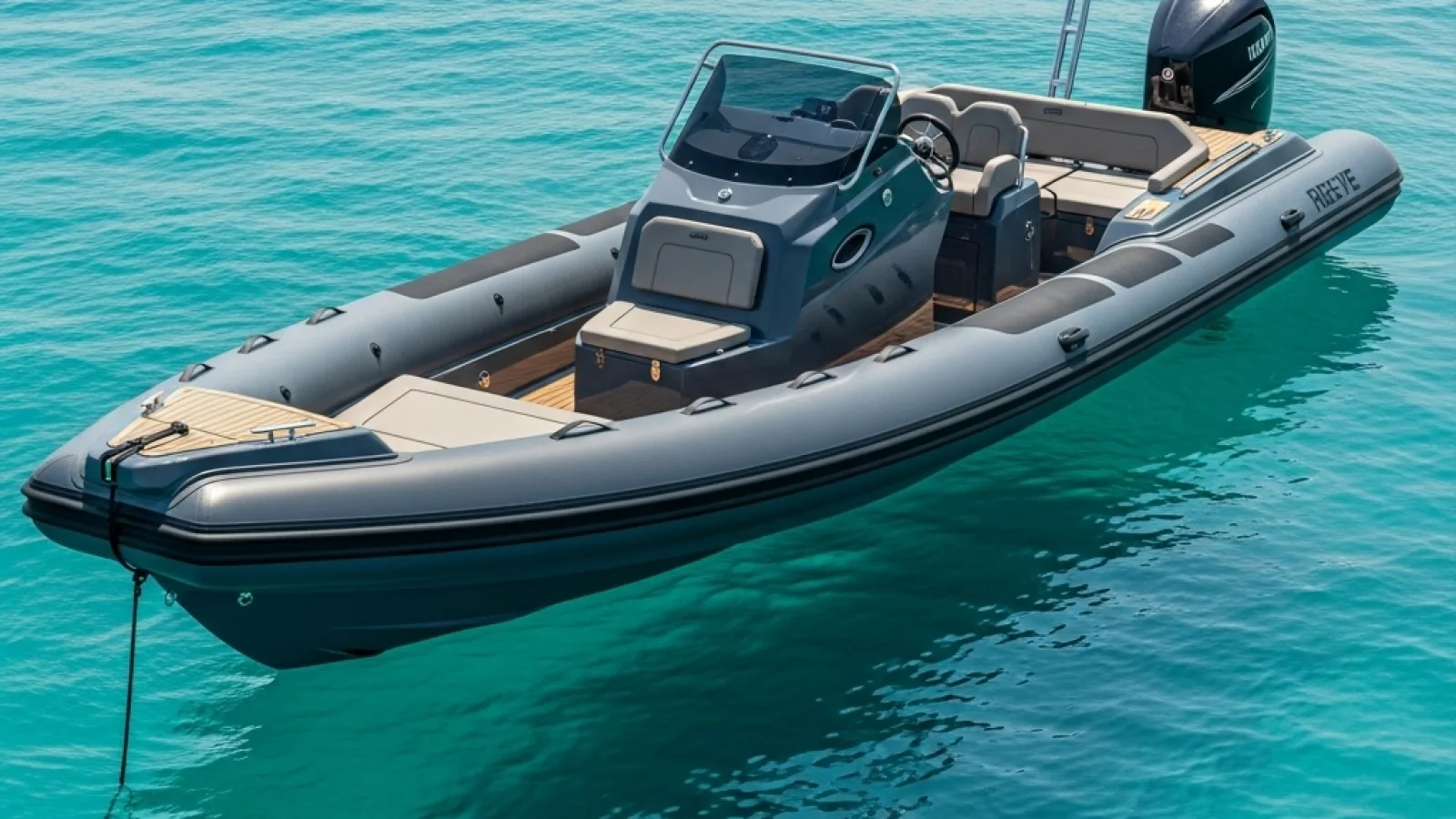
At 5.5 meters (approximately 18 feet) in length, the Ribeye A550 strikes a near-perfect balance between maneuverability and space. It’s compact enough to be easily trailered and launched, yet spacious enough to comfortably accommodate up to 6-8 passengers, depending on the seating configuration. The deep-V hull cuts through chop with impressive ease, providing a dry and stable ride even when conditions get a bit lively, which is a blessing on longer coastal jaunts.
The deck layout is typically well-thought-out, offering ergonomic seating, ample storage compartments, and often a neat console that houses essential navigation and engine controls. Many A550s come equipped with a sturdy A-frame at the stern, perfect for mounting navigation lights, antennas, and, crucially for watersports lovers, a tow point for wakeboarding or waterskiing. This adaptability is precisely why so many of my clients, from seasoned sailors seeking a capable tender to first-time powerboaters, gravitate towards this model.
Consider a typical weekend: you could be exploring secluded coves one day, towing the kids on an inflatable tube the next, and then using it as a dependable platform for fishing or diving. The A550 handles all these roles with confidence and style. It truly embodies the spirit of versatile boating, offering a premium experience without the unwieldiness of larger craft, making it a fantastic choice for anyone who values both performance and practicality.
Decoding the Ribeye A550 Price: New vs. Used Market Insights
When you’re looking at a Ribeye A550 for sale, understanding the pricing landscape is crucial. Like any premium product, the price can vary significantly based on whether you’re buying new or used, the specific year, engine choice, and the overall condition and included accessories. Let’s break down what you can expect and what factors truly influence the final price tag.
A brand-new Ribeye A550, fresh from the factory or a dealership, typically starts in the region of £40,000 to £60,000, sometimes even higher. This base price will include the hull, tubes, standard console, seating, and a new outboard engine (usually 90-115hp from reputable brands like Yamaha, Mercury, or Suzuki). However, very few buyers stick to the base model. Optional extras like advanced navigation electronics (GPS/plotters, fish finders), upgraded seating, custom covers, sophisticated stereo systems, different trailer types, and even hull color choices can quickly push that figure upwards. It’s not uncommon for a fully specced new A550 to reach £65,000 – £75,000 or more, especially with a higher horsepower engine.
The used market, naturally, offers a wider range of prices and is where many savvy buyers find exceptional value. For a used Ribeye A550 for sale, you can typically expect prices to range from £25,000 for older models (say, 8-10+ years old) with higher engine hours and some cosmetic wear, up to £45,000 – £55,000 for newer, meticulously maintained examples with low hours and a desirable specification. The sweet spot for many often lies in models that are 3-7 years old, where initial depreciation has settled, but the boat still has plenty of life left.
Key Factors Influencing Used A550 Prices
- Age and Condition: Newer boats with fewer hours and pristine condition naturally command higher prices. Fading tubes, gelcoat damage, or worn upholstery will bring the price down.
- Engine Make, Model & Hours: This is perhaps the single biggest factor. A low-hour, well-serviced outboard from a top-tier brand (e.g., Yamaha, Mercury, Suzuki) will add significant value. Reputable 4-stroke outboards known for reliability are always preferred.
- Electronics Package: A modern, integrated GPS/chartplotter, VHF radio, depth sounder, and stereo system can substantially increase the boat’s appeal and price. Outdated or non-functional electronics can be costly to replace.
- Trailer Condition: A well-maintained, braked trailer that’s suitable for the A550 is a huge bonus. Factor in £2,000-£4,000 for a new quality trailer if the boat doesn’t come with one or if it’s in poor shape.
- Additional Accessories: Full boat covers, console covers, custom seating, boarding ladders, bilge pumps, anchors, and safety equipment all add to the value proposition.
- Tube Material: Most Ribeyes use Hypalon, but ensuring it’s in good condition – no significant patches, leaks, or excessive UV degradation – is critical. Replacing tubes is a major expense.
I recently brokered a 2017 Ribeye A550 with a Yamaha F100, around 250 engine hours, a good electronics package, and a well-maintained trailer. It sold for £38,500. Conversely, an older 2012 model with a similar engine but 600+ hours and some tube fading went for £27,000. These real-world examples illustrate the spectrum you’ll encounter. Always remember, a detailed service history for the engine is paramount; it’s peace of mind you can’t put a price on.
Finding Your Ribeye A550: Market Listings and Where to Look
So, you’ve decided the Ribeye A550 is the perfect RIB for you. Now comes the exciting part: finding one! The market for these popular boats is quite active, particularly in the UK and parts of Europe, where Ribeye has a strong presence. However, knowing where to focus your search can save you a lot of time and potentially land you a better deal.
For those considering a new A550, your first port of call should always be an authorized Ribeye dealership. They can offer you the latest models, customization options, warranties, and often have excellent finance packages. They might also have “approved used” Ribeye boats, which typically come with a dealer warranty and have undergone rigorous inspections, offering a good balance of value and peace of mind. While the price might be slightly higher than a private sale, the added security and support can be invaluable.
When it comes to the used market, your options expand significantly. Online marketplaces are your best friends here. Sites like Boats and Outboards, The Yacht Market, and YachtWorld are excellent starting points. You’ll find listings from private sellers, independent brokers, and smaller dealerships. Don’t forget general classifieds like Gumtree or even Facebook Marketplace, although these require extra caution and due diligence due to less stringent vetting.
Tips for Navigating Market Listings
- Set Up Alerts: Most major boat sales websites allow you to set up email alerts for specific models and price ranges. This ensures you’re notified as soon as a new Ribeye A550 for sale comes onto the market.
- Be Specific with Keywords: While “Ribeye A550 for sale” is a good start, also try “Ribeye 5.5m RIB,” “A-Series Ribeye,” or “Ribeye with Yamaha/Mercury/Suzuki” to catch listings that might not use the exact model designation.
- Review Photos Carefully: High-quality, numerous photos are a good sign. Look for consistent lighting, various angles (hull, tubes, engine, console, seating, trailer), and details of any damage or wear. If photos are sparse or poor, ask for more before making a trip.
- Read Descriptions Thoroughly: A detailed description that covers service history, engine hours, included electronics, and any known issues is a positive indicator. Be wary of vague descriptions.
- Don’t Be Afraid to Ask Questions: Before viewing, compile a list of questions: What’s the service history of the engine? Has it been stored indoors or outdoors? When were the tubes last serviced or inspected? Are there any known issues?
- Consider Location: Factor in travel costs and time for viewing. Sometimes a slightly higher-priced boat closer to home is a better deal than a cheaper one hundreds of miles away, especially if multiple visits are needed.
Working with a reputable marine broker can also be beneficial, particularly if you’re new to boat buying or short on time. Brokers often have access to boats not yet publicly listed and can guide you through the negotiation and survey process, although their services come with a commission. Ultimately, patience and persistence are key. The right A550 for you is out there!
Smart Buying: What to Scrutinize When Purchasing a Used Ribeye A550
Buying a used boat, especially a high-performance RIB like the Ribeye A550, requires a keen eye and a methodical approach. While Ribeye’s build quality is excellent, even the best boats can suffer from neglect or hidden issues. Here’s a comprehensive checklist of what to scrutinize when you find a Ribeye A550 for sale that catches your eye.
Hull and Structure Inspection
- Gelcoat: Check for deep scratches, cracks, or signs of impact damage, especially around the keel and chines. Stress cracks around fittings (e.g., cleats, console mounts) could indicate structural issues.
- Antifouling: If present, ensure it’s evenly applied and doesn’t hide underlying damage. If the boat has been antifouled, it’s likely been kept in the water, which can lead to other wear patterns.
- Drain Plugs: Ensure they are present, in good condition, and seal properly.
Tube Condition – Critical for a RIB
- Material: Confirm it’s Hypalon, not PVC (Ribeye typically uses Hypalon). Hypalon is more durable but still needs care.
- Air Retention: Inflate the tubes fully and leave them for several hours, or even overnight if possible. Any noticeable deflation could indicate leaks, which are costly to repair. Ask the owner if they top up air frequently.
- Patches & Repairs: While minor patches are common, look for multiple large patches, poorly executed repairs, or signs of previous major damage.
- UV Damage: Examine the top surfaces of the tubes for excessive fading, chalkiness, or cracking, which are signs of UV degradation.
- Rubbing Strakes: Check the entire length of the rubbing strake for peeling, tears, or significant wear.
- Valves: Ensure all inflation and pressure relief valves are intact, clean, and not leaking.
Outboard Engine – The Heart of the Boat
- Service History: This is paramount. Demand full, verifiable service records from an authorized dealer or reputable marine mechanic.
- Engine Hours: Lower hours are generally better, but regular servicing is more important than simply low numbers.
- Visual Inspection: Check for corrosion (especially on the powerhead and lower unit), oil leaks, damaged propeller blades, and a clean, tidy wiring loom.
- Compression Test: If you’re serious, arrange for a marine mechanic to perform a compression test. Uneven compression across cylinders can signal major internal engine problems.
- Test Run: Insist on a sea trial. Listen for unusual noises, check cooling water discharge, observe acceleration, top speed, and trim/tilt functionality. Ensure it shifts smoothly in and out of gear.
Electronics, Electrics & Systems
- Functionality: Test every electronic component: GPS, chartplotter, depth sounder, VHF radio, navigation lights, bilge pump, horn, stereo.
- Wiring: Inspect wiring behind the console and in battery compartments for corrosion, loose connections, or amateur installations.
- Battery: Check the battery’s age and condition. Ensure it holds a charge and is securely mounted.
- Fuel System: Inspect fuel lines, filter, and tank for leaks or signs of contamination.
Deck, Upholstery & Accessories
- Deck Surface: Check for non-slip effectiveness, cracks, or soft spots in the deck. Ensure drainage channels are clear.
- Upholstery: Look for tears, fading, mildew, or stitching coming undone.
- Storage: Open all lockers and compartments. Check for dryness and cleanliness.
- Safety Gear: Ask what safety equipment is included (life jackets, flares, first-aid kit, anchor, lines, fenders).
Trailer Inspection
- Condition: Check tires (tread, cracking, pressure), wheel bearings (spin wheels to listen for grinding), brakes (if fitted), lights, hitch, and winch.
- Corrosion: Trailers often suffer from corrosion, especially if regularly immersed in saltwater.
My best advice? If you’re not a seasoned boat mechanic or surveyor, invest in a professional marine survey and an engine inspection. It’s a small cost upfront that can save you thousands down the line and prevent significant headaches. A comprehensive survey report provides invaluable leverage for negotiation and peace of mind.
Maximizing Your Investment: Post-Purchase Tips and Ownership Value
Congratulations! You’ve navigated the market and successfully acquired your Ribeye A550. Now, the focus shifts to maintaining your investment and ensuring you get the most enjoyment out of it. A Ribeye, properly cared for, will continue to deliver performance and retain its value remarkably well.
Regular maintenance is key. This isn’t just about avoiding breakdowns; it’s about preserving the boat’s condition and ensuring its longevity. For the outboard engine, stick religiously to the manufacturer’s recommended service schedule. This typically involves annual servicing or servicing after a certain number of hours, whichever comes first. Always use an authorized dealer or a certified marine mechanic who understands your engine brand. After every saltwater outing, flush the engine with fresh water and rinse the entire boat, including the trailer, to prevent salt corrosion.
The Hypalon tubes, a defining feature of your RIB, require specific care. Regularly clean them with specialized RIB cleaner to remove dirt, grime, and environmental buildup. Crucially, apply a good quality UV protectant periodically to prevent fading and material degradation from sun exposure. Storing your A550 under a cover when not in use, or ideally in a garage or shed, will significantly extend the life of the tubes and overall boat components. Small punctures should be repaired promptly with a proper Hypalon repair kit to prevent them from worsening.
Enhancing and Preserving Resale Value
From my experience as a broker, Ribeye boats, and particularly the A550, hold their value exceptionally well compared to many other brands. This is a testament to their build quality and market desirability. To ensure your A550 maintains its strong resale potential, consider these points:
- Keep Records: Maintain meticulous records of all engine servicing, repairs, and any upgrades. A comprehensive service history adds significant credibility and value when it’s time to sell.
- Cosmetic Care: Address gelcoat scratches, tube scuffs, or upholstery tears promptly. A well-maintained appearance signals a well-cared-for boat.
- Sensible Upgrades: While personalizing your boat is fun, major, niche modifications might not appeal to a broad market. Focus on practical upgrades like reliable navigation electronics, a good stereo, or comfortable seating that enhance the boating experience for most users.
- Proper Storage: As mentioned, covered storage protects against environmental damage. If storing on a trailer, ensure the trailer itself is well-maintained, as it’s part of the package.
Ultimately, owning a Ribeye A550 is about enjoying the water. With its blend of performance, versatility, and enduring quality, it’s a boat that brings immense satisfaction. Treat it well, and it will return the favor with countless memorable voyages and a strong return on your investment when the time comes to pass it on to its next proud owner.