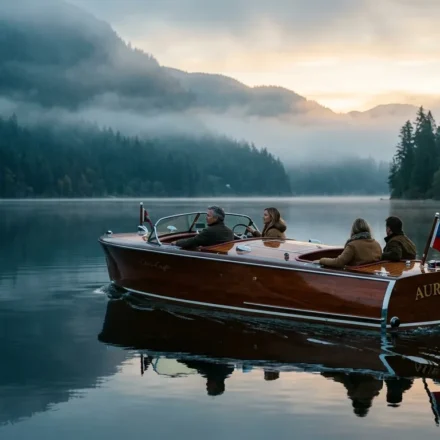




There’s something truly magical about a classic wooden boat, isn’t there? The way the light catches the intricate grain, the unmistakable scent of old timber and varnish, the stories etched into every plank. These aren’t just vessels; they’re living pieces of history, whispering tales of bygone eras and countless adventures. But what happens when time takes its toll, and these beautiful craft start to show their age? That’s where the passionate world of antique wooden boat restoration comes in. It’s a journey, a challenge, and ultimately, an incredibly rewarding endeavor that brings a piece of maritime heritage back to life.
Table Of Content
For decades, I’ve had the privilege of seeing these forgotten beauties reborn. From elegant runabouts to sturdy workboats, each boat restoration project holds a unique narrative, waiting to be rediscovered. If you’ve been dreaming of taking on such a task, you’re in the right place. Consider this your friendly, expert guide to navigating the exciting, sometimes challenging, waters of bringing a classic wooden boat back to its former glory.
The Allure and the Initial Dive: Assessment and Planning
So, you’ve found a promising candidate—perhaps a dusty old hull in a barn, or a faded beauty sitting forlornly in a marina. The romance is undeniable, but where do you even begin? The very first, and arguably most critical, step in any historic boat preservation effort is a thorough assessment. You need to look beyond the charming decay and understand what you’re truly up against. This isn’t just about spotting rot; it’s about evaluating the structural integrity, the originality, and the sheer scope of work required.
Honestly, this initial phase is where many projects either sink or swim before a single tool is lifted. You’ll want to inspect every plank, every frame, the keel, the transom, and any existing hardware. Are there signs of extensive dry rot? Is the hull deformed? Are original components missing or too far gone to save? Based on my experience, it’s always wise to assume there’s more damage than meets the eye. For example, imagine this situation: you buy a seemingly solid runabout, only to find during the tear-down that the entire stern frame is riddled with rot hidden beneath layers of old paint. That’s a common story, and it’s why a meticulous initial inspection is paramount.
Developing Your Restoration Blueprint
Once you have a clearer picture of the boat’s condition, it’s time to plan. This blueprint isn’t just a wish list; it’s a realistic roadmap encompassing your budget, timeline, and skill set. Be brutally honest with yourself: do you have the time, the tools, and the technical know-how for a full wooden boat repair? If not, where will you seek professional help? Many successful projects are a blend of passionate DIY and strategic outsourcing to skilled craftsmen.
Consider your end goal. Are you aiming for a museum-quality, historically accurate restoration, or a functional, beautiful classic you can enjoy on the water? This decision will significantly impact your material choices, techniques, and overall cost. Research is your best friend here. Dive into historical documents, old photographs, and connect with other enthusiasts on forums or through organizations dedicated to classic boat restoration. Knowing your boat’s history can guide your hands and inform your decisions throughout the process.
Getting Your Hands Dirty: The Restoration Process
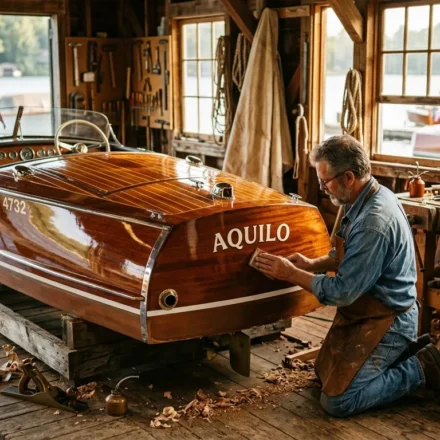
With a solid plan in hand, the real work begins. This is where the magic truly happens, transforming decay into beauty. The restoration process typically follows a logical sequence, starting with careful disassembly. Document everything with photos and notes; you’ll thank yourself later when it’s time to put it all back together. Labeling parts, even those destined for replacement, helps immensely in understanding the original construction.
Next comes the structural work. This is the backbone of your vintage boat revival. Replacing rotten frames, repairing cracked ribs, and addressing any keel or planking issues are fundamental. You’ll be working with various woods—mahogany, oak, cedar, cypress—each with its own characteristics and best practices for working with it. Understanding wood movement, proper fasteners, and strong joinery techniques are critical for a lasting repair.
Planking, Sanding, and Filling
Once the structure is sound, attention shifts to the hull’s skin: the planking. This might involve replacing individual planks, repairing sections, or even re-planking entire areas. Precision is key here to ensure a fair hull and watertight seams. After the planking is complete, an extensive amount of sanding awaits. This isn’t just about making it smooth; it’s about fairing the hull, creating a perfectly even surface that will truly shine under its new finish.</p<
Any remaining imperfections, nail holes, or small gaps will need careful filling. The choice of filler is important, depending on the wood type and the intended finish. Remember, patience is a virtue in this stage. Rushing through sanding or filling will inevitably show in the final product. I believe this stage is where the boat truly starts to reveal its potential, transforming from a weathered shell into a sleek, elegant form.
The Finer Details: Finishing and Preservation
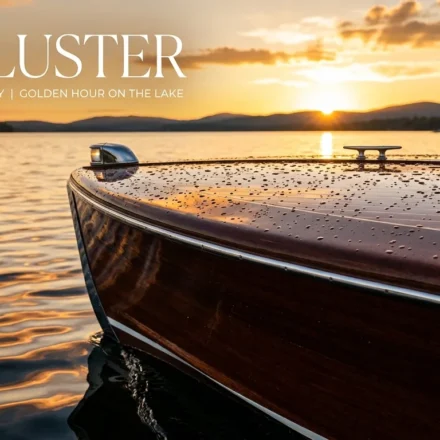
After all the structural work and fairing, you’ve reached the point where your boat truly begins to gleam. This is where you bring out the boat’s inherent beauty. The finishing process—whether it’s varnishing, painting, or a combination—is what will protect your hard work and showcase the wood’s character. Multiple coats are almost always required for a durable, deep luster. Think about the countless hours you’ve invested; don’t skimp on this final protective layer.
Wooden boat maintenance really starts now, even before launch. Each coat of varnish or paint needs proper drying time and often light sanding in between to ensure optimal adhesion and a flawless finish. Beyond the hull, consider the deck, cockpit, and interior. Will you restore the original canvas deck, or opt for a modern alternative that mimics the classic look? Will the interior trim be varnished brightwork or painted? These decisions contribute greatly to the boat’s overall character.
Hardware, Systems, and Launch
Finally, it’s time to reinstall or replace the hardware. Polishing old chrome, re-bronzing fittings, or sourcing period-correct replacements adds those crucial finishing touches. If your antique wooden boat restoration includes an engine or other systems, they’ll need to be restored or replaced and thoroughly tested. Wiring, fuel lines, steering mechanisms—each component needs to be reliable and safe.
Once every last detail is attended to, you’ll reach the moment of truth: the launch. This is often an emotional experience, seeing your revived classic touch the water for the first time in years, perhaps decades. But what would you do if a small leak appeared? Be prepared for minor adjustments and “soaking up” periods for traditional carvel-planked boats, as the wood swells to become watertight. It’s all part of the charm and ongoing care of a wooden boat.
The Enduring Reward of a Classic
Embarking on an antique wooden boat restoration project is more than just a hobby; it’s a testament to patience, craftsmanship, and a deep respect for maritime history. It’s about preserving a piece of the past for future generations to enjoy. The hours are long, the challenges are real, but the satisfaction of seeing a derelict hulk transformed into a magnificent vessel is unparalleled. You’ll not only have a beautiful boat but also a profound connection to its heritage and the skills you’ve honed along the way.
Whether you choose to cruise quiet lakes, participate in classic boat shows, or simply admire your handiwork, the joy of owning a restored wooden boat is immense. It’s a living piece of art, a conversation starter, and a tangible link to a bygone era of boatbuilding. So, if that old timber beauty has been calling your name, answer the call. Dive in, learn, grow, and bring that history back to life. You’ll be glad you did, and so will everyone who gets to witness its timeless elegance on the water.