


Embracing the Legacy: Why a Classic Wooden Boat?
There’s something truly magical about a classic wooden boat. It’s more than just a vessel; it’s a piece of living history, a testament to craftsmanship, and a direct link to the golden age of seafaring. At boatandsailboat.com, we understand that unique pull, that whisper of the past promising countless future adventures. Owning and restoring a wooden boat isn’t for everyone, but for those who answer its call, it’s a profoundly rewarding journey filled with passion, skill, and unparalleled beauty.
Table Of Content
These magnificent boats offer an unparalleled aesthetic, a smooth, quiet ride, and a connection to the water that modern materials often can’t replicate. Whether you envision leisurely coastal day trips, serene lake cruises, or the sheer joy of maintaining a floating work of art, a classic wooden boat can fulfill that dream.
The Unique Charm: Types and Construction
Classic wooden boats come in a breathtaking array of styles and sizes. You might be drawn to:
- Classic Sailboats: From the elegant lines of a Herreshoff day sailer (typically under 25 feet), perfect for an afternoon on the bay, to the sturdy coastal cruisers (30-40 feet) like many vintage sloops or gaff-rigged ketches designed for longer voyages.
- Vintage Powerboats: Think of the iconic mahogany runabouts from Chris-Craft or Hacker-Craft, or perhaps the early wooden versions of the revered Hinckley Picnic Boat. These are typically planing hulls – designed to skim on top of the water at speed.
Construction is where the magic truly lies. Most classic wooden boats utilize displacement hulls – meaning they move through the water by displacing it, resulting in a stable, comfortable ride. Common construction methods include:
- Carvel Planking: This is where planks are laid edge-to-edge, creating a smooth hull. The seams are then sealed with caulking – a flexible material to keep the boat watertight.
- Lapstrake (or Clinker) Planking: Here, the planks overlap, providing a distinctive look and inherent strength.
Woods of choice often include durable species like mahogany, oak (for frames and structural elements), cedar, and the eternally beautiful teak for decks and trim.
Buying Your Dream: What to Look For
Purchasing a classic wooden boat requires a keen eye and a patient approach. Unlike fiberglass, wood can hide issues. Here’s a crucial checklist:
- Structural Integrity: This is paramount. Look for any signs of dry rot – a destructive wood decay caused by fungi, often found in poorly ventilated areas or where fresh water collects. Check frames, planks, keel, and deck beams for softness, discoloration, or crumbling. A sagging sheer line (the curve of the deck from bow to stern) can indicate structural weakness.
- Fasteners: Many wooden boats are held together with thousands of fasteners. Inspect for signs of “fastener sickness” where old, corroded fasteners (often galvanized iron) lose their grip. Bronze or copper fasteners are more desirable.
- Hull Condition: Beyond rot, look for cracked planks, excessive seam movement, or poorly executed repairs.
- Engine & Propulsion: Even a sailboat will have an auxiliary engine. Inspect for common issues:
- Inboard Diesel: Brands like Yanmar or Volvo Penta are common. Check for oil leaks, coolant issues, and general running condition.
- Older Gasoline Inboards: Be extra vigilant about fuel systems and fire risks.
- Shaft & Propeller: Inspect for bends or damage.
- Rigging & Sails (for Sailboats): Inspect the mast and boom for rot or damage. Check standing rigging (the wires supporting the mast) for rust or broken strands, and running rigging (the ropes used to operate sails) for chafe. Examine sails (mainsail, genoa, spinnaker) for UV damage, tears, or mildew.
- Professional Survey: This is non-negotiable. Hire a marine surveyor specializing in wooden boats. Their expertise is invaluable in identifying hidden problems.
The Restoration Journey: A Labor of Love
Once you’ve found your gem, the restoration begins. This is where your passion truly shines:
- Planning & Budget: Be realistic. Restoration is often more expensive than anticipated. Plan phases, prioritize structural needs, and factor in labor if you’re not doing it all yourself.
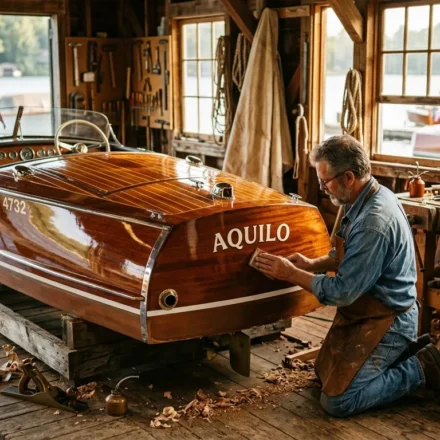
- Hull Work: This often involves extensive sanding, fairing (smoothing the hull), re-caulking seams, and applying many coats of paint or varnish. For varnished hulls, expect multiple coats to achieve that deep, mirror-like finish.
- Deck & Cabin: Repairing or replacing teak decks, refinishing cabin interiors, and addressing any leaks are common tasks.
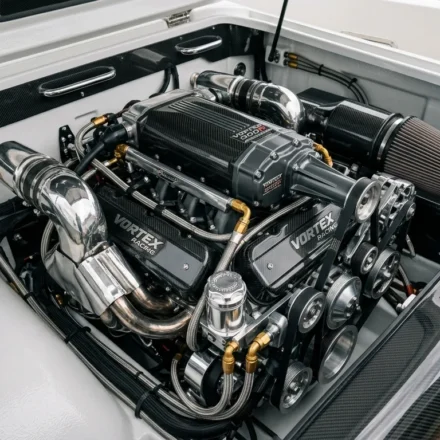
- Engine & Systems Overhaul: The engine might need a full rebuild or replacement. Update electrical systems, plumbing, and navigation electronics to modern standards for safety and reliability.
- Rigging & Sails: Replace any suspect standing rigging. Inspect and repair or replace sails. Consider modern, low-stretch running rigging for easier handling.
- Hardware: Restore or replace bronze, brass, or stainless steel fittings. Proper insulation between dissimilar metals is vital to prevent galvanic corrosion.
Maintaining Your Wooden Beauty for Decades
Wooden boat ownership is a commitment to ongoing care, but the rewards are immense:
- Annual Haul-Out & Bottom Paint: Just like any boat, a wooden vessel needs to be hauled out annually for inspection, cleaning, and fresh bottom paint to prevent marine growth. Traditional copper-based paints are common.
- Varnishing/Painting Schedule: Varnish needs regular attention, often annual touch-ups or complete re-coats every 1-2 years, depending on sun exposure. Painted surfaces also need consistent maintenance.
- Moisture Management: Keep the bilge clean and dry. Ensure good ventilation to prevent dry rot and mildew.
- Winterizing: In colder climates, thorough winterizing – draining water systems, protecting the engine, and ensuring proper ventilation – is essential to prevent freeze damage and moisture build-up.
- Sail Care: Keep sails clean, dry, and properly folded or rolled when not in use. Store them in a cool, dry place during the off-season.
Your Legacy on the Water
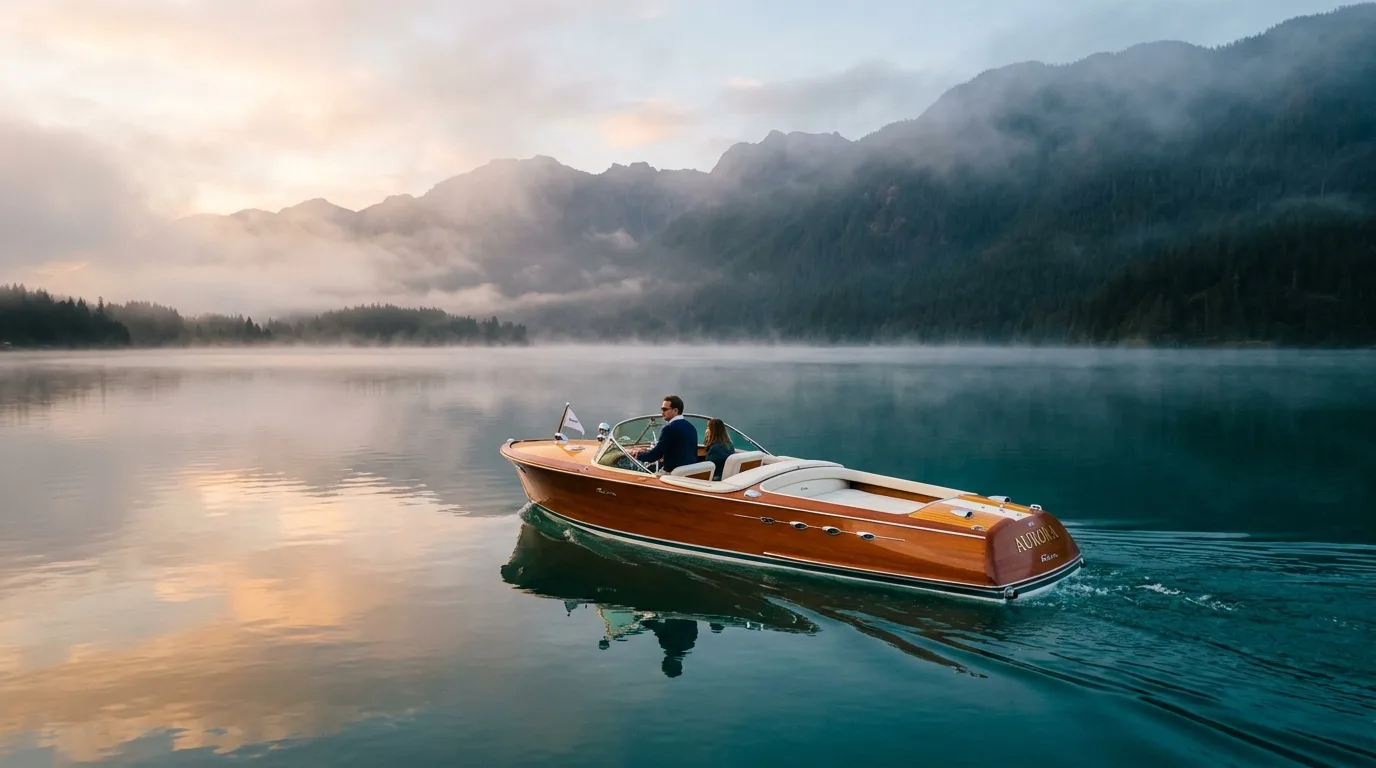
Owning and restoring a classic wooden boat is more than just a hobby; it’s a lifestyle, a preservation of history, and a creation of a personal legacy. It demands patience, skill, and dedication, but the feeling of gliding across the water in a vessel you’ve brought back to life is an experience few other endeavors can offer.
If the call of a classic wooden boat resonates with your soul, start researching, connect with local wooden boat communities, and perhaps even find a mentor. Your next adventure, steeped in tradition and timeless beauty, awaits you on the water!