

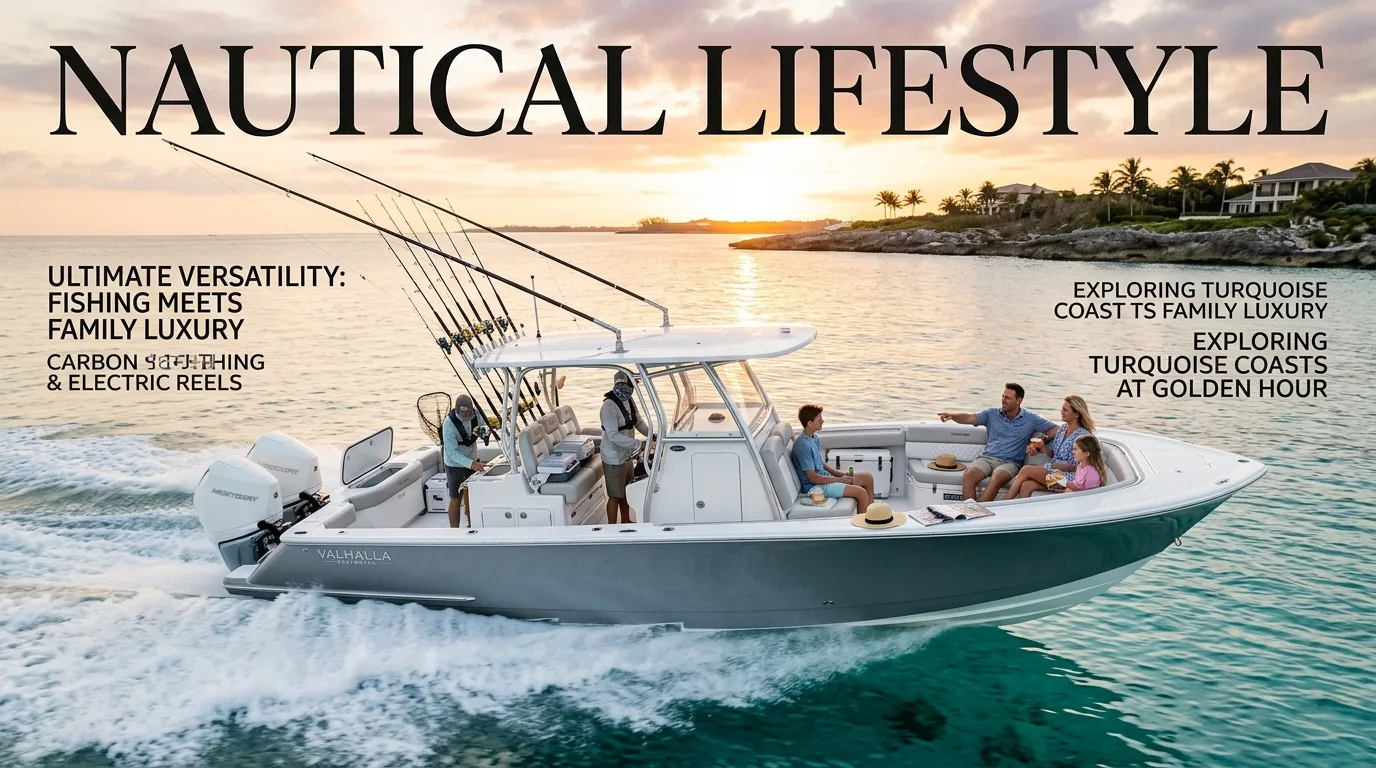

Ahoy there, fellow boating enthusiasts! As a seasoned hand who’s helped countless folks find their perfect vessel, I’ve seen many boat types come and go, but one category consistently shines for its sheer versatility and appeal: the center console. If you’re dreaming of chasing trophy fish offshore, enjoying thrilling watersports with the family, or simply seeking the freedom of a day on the water, a center console might just be your ideal match. These incredible machines truly embody the “fishing, family, and fun” ethos, offering a unique blend of performance, practicality, and pure joy. Let’s dive into what makes these boats so popular and how to choose the right one for your adventures, drawing on decades of experience out on the water.
Table Of Content
- The Definitive Design: What Makes a Center Console a Marine Masterpiece?
- Outboard Power: The Heartbeat of Performance
- Beyond the Basics: The Versatility That Charms Every Boater
- The Angler’s Dream Machine
- Family Fun Afloat: Comfort Meets Adventure
- Performance & Handling: The Thrill of the Ride
- Sizing Up Your Adventure: Matching a Center Console to Your Lifestyle
- Small & Nimble: Under 25 Feet (Inshore/Bay Boats)
- Mid-Range Versatility: 25-35 Feet (Coastal/Nearshore Cruisers)
- Offshore Beasts & Luxury Cruisers: 35+ Feet (Bluewater/Offshore Yachts)
- Owning Your Dream: Practicalities, Maintenance & Smart Choices
- Essential Maintenance for Longevity
- Smart Buying Strategies
The Definitive Design: What Makes a Center Console a Marine Masterpiece?
At its core, a center console is a powerboat distinguished by its centrally located helm station. Unlike runabouts or express cruisers where the helm is typically offset or integrated into a cabin, this design choice is the foundation of the center console’s legendary versatility. It creates an open, walk-around deck layout that grants 360-degree access around the entire boat, a feature that profoundly impacts its utility and user experience.
This unique arrangement means that whether you’re battling a trophy fish from bow to stern, docking in a tight slip, or simply moving freely to chat with family members, there are no obstructions. It’s an incredibly efficient layout that maximizes usable deck space, making every square foot count. From a practical standpoint, this accessibility also simplifies line handling, anchoring, and allows for multiple anglers to cast simultaneously without interference.
Most center consoles feature planing hulls, meaning they are designed to rise up and skim across the water at speed rather than pushing through it. This characteristic is often paired with a deep-V hull design, which acts like a knife, cutting through waves for a remarkably smooth and dry ride, especially when tackling offshore chop. Construction typically leverages robust fiberglass for its strength, durability, and moldability, allowing for complex hull shapes and integrated features. However, for those seeking exceptional ruggedness or shallow-water prowess, some manufacturers opt for durable aluminum construction, particularly in smaller, inshore models.
Outboard Power: The Heartbeat of Performance
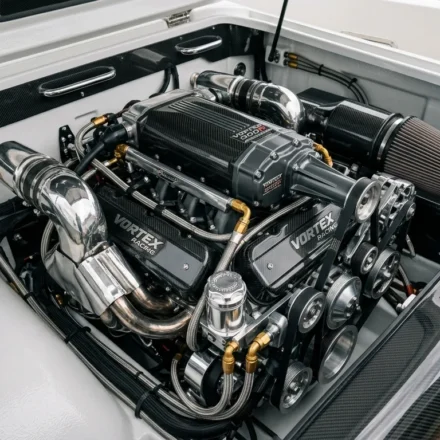
One of the defining characteristics of modern center consoles is their reliance on outboard motors. These self-contained units, mounted on the transom, house the engine, gearbox, and propeller in one powerful package. The benefits of outboard power are numerous: they offer excellent power-to-weight ratios, are easily serviced, can be trimmed up for shallow water navigation or beaching, and free up valuable interior space that would otherwise be consumed by an inboard engine.
You’ll commonly see single, twin, triple, or even quad engine setups on larger models, especially those designed for serious offshore fishing or long-range cruising. This multi-engine configuration not only provides incredible speed and exhilarating performance but also offers a critical layer of redundancy, enhancing safety during extended voyages. Major brands like Mercury, Yamaha, Suzuki, and Honda dominate this market, renowned for their fuel efficiency, powerful thrust, and unwavering reliability.
Beyond the Basics: The Versatility That Charms Every Boater
The true genius of the center console lies in its adaptable nature. It isn’t just a fishing boat, or merely a family cruiser; it’s a marine multi-tool, capable of transforming to meet the demands of almost any on-water activity. This inherent versatility is precisely why they have become such a dominant force in the boating world, appealing to a broad spectrum of enthusiasts.
I recall a client, a dedicated angler named Mark, who initially scoffed at the idea of a center console for family outings. He owned a hardcore fishing machine. But after selling his kids on the idea of watersports, he needed a new boat. We found him a 30-foot center console, and within a season, he was raving not just about its fishing prowess, but how easily he could swap out fishing gear for wakeboards and tubes, transforming the boat from a serious offshore rig to a family fun platform in minutes. That’s the magic of these boats!
The Angler’s Dream Machine
For many, the center console is synonymous with fishing, and for good reason. The unimpeded, 360-degree access to all sides of the boat allows anglers to fight fish from any angle, a critical advantage when battling a strong marlin or tuna. Most models are purpose-built with an array of fishing-specific features designed to enhance the angling experience:
- Integrated Livewells: Recirculating tanks keep bait fish alive and frisky, essential for successful fishing trips.
- Multiple Rod Holders: Strategically placed throughout the gunwales, transom, and T-top for trolling, storage, and quick access.
- Insulated Fish Boxes: Large, drained compartments keep your prized catch fresh on ice until you return to shore.
- Tackle Storage: Dedicated drawers and compartments keep lures, lines, and tools organized and easily accessible.
- T-tops/Hardtops: Provide crucial shade and often house electronics, additional rod holders, and overhead storage.
- Advanced Electronics: Space for large multi-function displays (MFDs) with GPS, sonar, radar, and autopilot are standard on serious fishing rigs.
Brands like Contender, Yellowfin, Regulator, and Invincible have forged legendary reputations in the hardcore fishing community, pushing the boundaries of offshore capability and specialized angling features. Yet, even smaller models from Boston Whaler or Grady-White offer robust fishing packages perfect for inshore and nearshore pursuits.
Family Fun Afloat: Comfort Meets Adventure
Beyond the rods and reels, center consoles excel as platforms for family enjoyment and watersports. Their open decks provide ample space for sunbathing, picnicking, or simply enjoying the ride. Many modern designs cleverly incorporate convertible seating options – bow seating that transforms into a sun pad, stern benches that fold away for fishing, or leaning posts that convert to bolsters for comfort.
For watersports enthusiasts, the powerful outboard engines provide the necessary thrust for exhilarating activities like tubing, wakeboarding, or waterskiing. Robust tow points and swim platforms with ladders make entry and exit from the water effortless. Many models also feature conveniences such as freshwater washdowns for rinsing off after a swim, and enclosed head compartments (marine toilets), often cleverly integrated into the console itself, offering privacy and comfort for longer family excursions.
Performance & Handling: The Thrill of the Ride
Center consoles are renowned for their nimble handling, impressive speed, and often, their remarkably dry and stable ride. The deep-V hull design, especially prominent in offshore models, is engineered to slice through choppy conditions, minimizing pounding and spray. This means a more comfortable ride for everyone on board, even when the weather turns a bit boisterous.
Their inherent maneuverability, particularly with twin or triple engine setups, allows for precise docking, rapid turns, and quick adjustments while fishing. The ability to trim the outboards independently (on multi-engine boats) further enhances control and efficiency. Whether you’re navigating tight channels, running at high speeds across open water, or holding position over a fishing spot, the performance capabilities of a well-designed center console are truly exhilarating.
Sizing Up Your Adventure: Matching a Center Console to Your Lifestyle
Just like sailboats range from nimble day sailers to robust bluewater cruisers, center consoles come in a vast array of sizes, each perfectly suited for different adventures and boating styles. Understanding the size categories and their typical features is crucial in finding your perfect match.
Small & Nimble: Under 25 Feet (Inshore/Bay Boats)
These smaller center consoles are the perfect entry point for many boaters. Typically ranging from 17 to 24 feet, they are excellent for coastal day trips, bay fishing, lake cruising, and inshore waters. Their compact size makes them incredibly easy to trailer, launch, and retrieve, greatly expanding your accessible waterways. They’re often powered by a single outboard engine, offering good fuel efficiency and straightforward maintenance. Think of iconic models like the Boston Whaler Montauk, the Grady-White Fisherman 180, or smaller offerings from Sea Hunt or Robalo. While they may lack some of the offshore amenities, they provide ample space for a small family or a couple of fishing buddies and are a blast to operate.
Mid-Range Versatility: 25-35 Feet (Coastal/Nearshore Cruisers)
Stepping up in size, the 25- to 35-foot range represents a sweet spot for many boaters, offering a fantastic balance between serious fishing capability and family comfort. These vessels typically boast more fuel capacity, a deeper hull for improved offshore performance, and a wider array of amenities. They can comfortably handle longer runs offshore to distant fishing grounds or provide a spacious platform for extended family outings. Often powered by twin or even triple outboards, they deliver exhilarating performance and enhanced safety. The Contender 28, Regulator 31, or Pursuit C 280 are prime examples of boats in this category, striking a superb equilibrium for those who want to do a bit of everything without sacrificing performance or comfort.
Offshore Beasts & Luxury Cruisers: 35+ Feet (Bluewater/Offshore Yachts)
For those with serious offshore ambitions, whether for deep-sea fishing tournaments or long-range cruising, the 35-foot-plus center consoles are true behemoths of the marine world. These are often equipped with multiple powerful outboard engines (triple or quad setups are common), advanced navigation and fish-finding electronics, and extensive fuel capacities for impressive range. Many incorporate surprisingly comfortable cabins, often cleverly integrated into the console itself, featuring berths, larger head compartments, and even galley facilities for overnight excursions. Brands like Yellowfin, Invincible, Valhalla, and Freeman are renowned for building these high-performance, long-range machines. They are designed to tackle challenging bluewater conditions with confidence and provide an uncompromising experience for the most demanding boaters.
To help visualize the differences, here’s a quick comparison of typical center console sizes:
| Size Category | Typical Length Range | Primary Use Cases | Common Engine Count | Key Features |
|---|---|---|---|---|
| Small & Nimble | 17 – 24 feet | Inshore fishing, bay cruising, lake sports, day trips, easy trailering | Single outboard | Basic electronics, minimal seating, rod holders, cooler storage |
| Mid-Range Versatility | 25 – 35 feet | Coastal fishing, nearshore cruising, watersports, weekend trips | Twin outboards (sometimes triple) | Livewells, fish boxes, T-top, head compartment, convertible seating, upgraded electronics |
| Offshore Beasts | 35+ feet | Bluewater fishing, long-range cruising, serious tournaments, luxury expeditions | Triple or Quad outboards | Advanced electronics, full cabin/berth, multiple livewells, expansive tackle storage, generator, air conditioning |
Owning Your Dream: Practicalities, Maintenance & Smart Choices
Investing in a center console is an exciting journey, but like any significant purchase, it comes with responsibilities. Proper maintenance and smart decision-making, both before and after the purchase, are paramount to ensuring years of reliable fun and protecting your investment.
Essential Maintenance for Longevity
To ensure your center console provides years of reliable fun, proper maintenance is key. Outboards, while robust, require consistent attention, especially in saltwater environments. Establishing a routine will save you headaches and costly repairs down the line.
- After Every Use: Flush your engine with fresh water (essential for saltwater use to prevent corrosion). Rinse the entire boat, including upholstery and deck hardware, to remove salt residue. Wipe down all surfaces, especially chrome and stainless steel, to prevent pitting and rust.
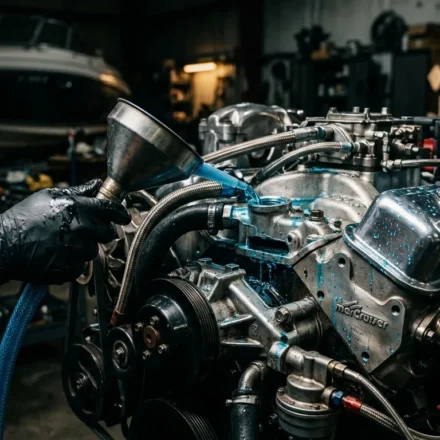
- Every 100-200 Hours or Annually: Engine service is crucial. This includes oil and filter changes (engine and fuel), checking spark plugs, inspecting the propeller for damage, lubricating moving parts, and replacing the water pump impeller. Always follow your engine manufacturer’s specific recommendations.
- Annually: Inspect your trailer (if applicable) for tire wear, bearing condition, and brake function. Check all electrical connections for corrosion, and apply dielectric grease where appropriate. Test all safety equipment, including bilge pumps, navigation lights, and VHF radio.
- Seasonal (if applicable): In colder climates, proper winterization of your engine and plumbing systems is vital to prevent freezing damage. This usually involves stabilizing fuel, draining water from systems, and fogging engine cylinders.
A little preventative care goes a long way. Think of it as a small time investment that pays huge dividends in peace of mind and extended boat life.
Smart Buying Strategies
Ready to find your perfect center console? Here’s my advice, honed over decades of helping boaters like you navigate the market. It’s not just about the boat; it’s about your entire boating ecosystem.
- Define Your Primary Use: Will you be mostly fishing, cruising, watersports, or a balanced mix? Your answer will significantly influence the ideal size, features, and layout. A dedicated tournament angler will prioritize different features than a family focused on tubing and sunbathing.
- Set Your Budget: This goes beyond just the purchase price. Factor in ongoing costs such as insurance, fuel, maintenance, storage (marina slip, dry stack, or trailer), and potential upgrades. A good rule of thumb is to budget 10-15% of the boat’s value annually for these operational expenses.
- Consider New vs. Used: New boats offer warranties and the latest technology, but depreciate quickly. Used boats can offer significant savings, but require thorough inspection. If buying used, always arrange a professional marine survey and an engine inspection. This is non-negotiable – it can save you from buying someone else’s problems.
- Think About Storage and Trailering: Do you have space to keep it at home? Will you need a marina slip or dry stack storage? If trailering, ensure your tow vehicle can handle the boat’s weight, including fuel and gear. Smaller center consoles are often easier to trailer, offering flexibility.
- Sea Trial is Mandatory: Never buy a boat without taking it for a spin. Test all systems, listen to the engines, check for vibrations, and experience how it handles in various conditions. This is your chance to truly feel if the boat is the right fit.
- Work with a Reputable Broker: An experienced yacht broker specializing in powerboats can be an invaluable asset. They can help you navigate the market, understand values, facilitate sea trials and surveys, and handle the paperwork, often saving you time and stress.
In the end, choosing a center console isn’t just about buying a boat; it’s about embracing a lifestyle. It’s about sunrises over calm waters, the thrill of a tight line, the laughter of family, and the unparalleled freedom that only being on the water can provide. With the right research and careful consideration, your ultimate guide to center console boats will lead you directly to your next great adventure. Happy boating!